Author: The Classic Note Editorial
-
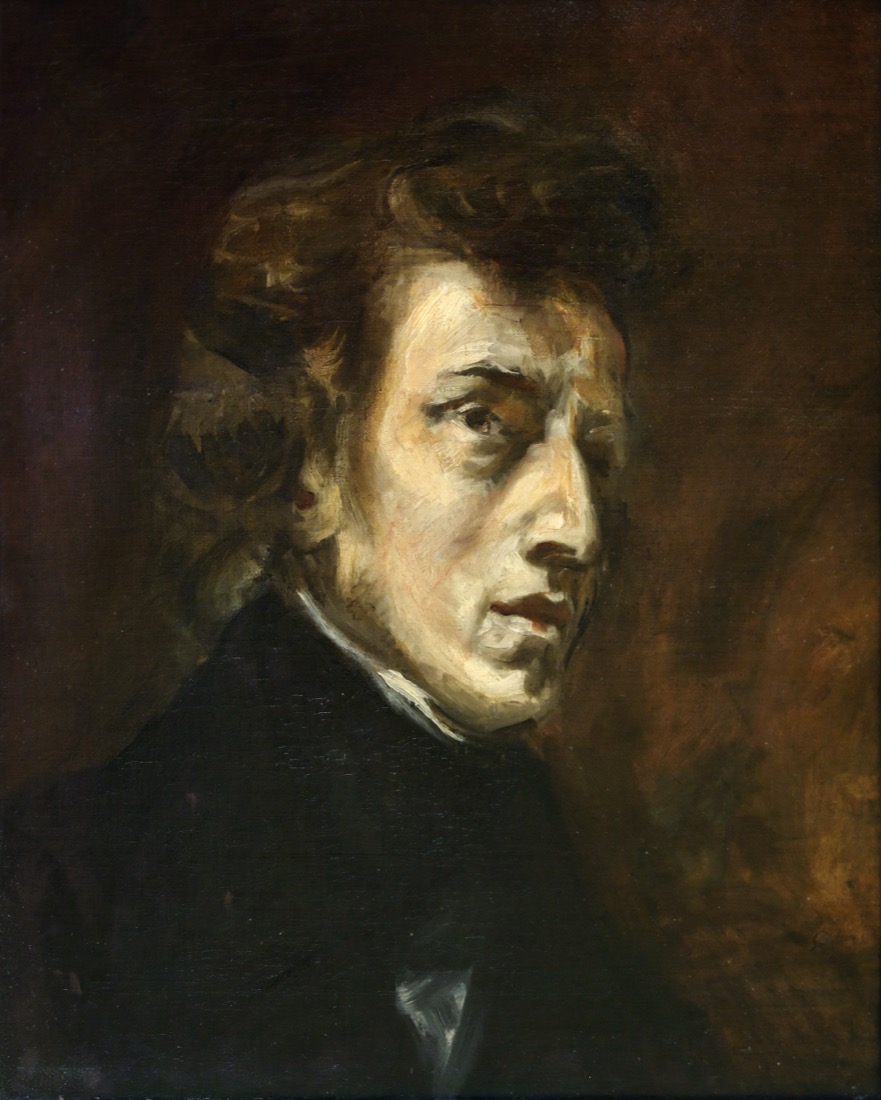
Chopin’s Nocturne in E-flat major, Op. 9 No. 2
Nocturne in E-flat Major Op.9 No.2: A Night Song Written in Exile
Discover the story behind Chopin Nocturne Op. 9 No. 2 in E-flat major—its composition during his exile in 1830s Paris, the musical structure and ornamental genius of each section, and the best recordings to start with.
-
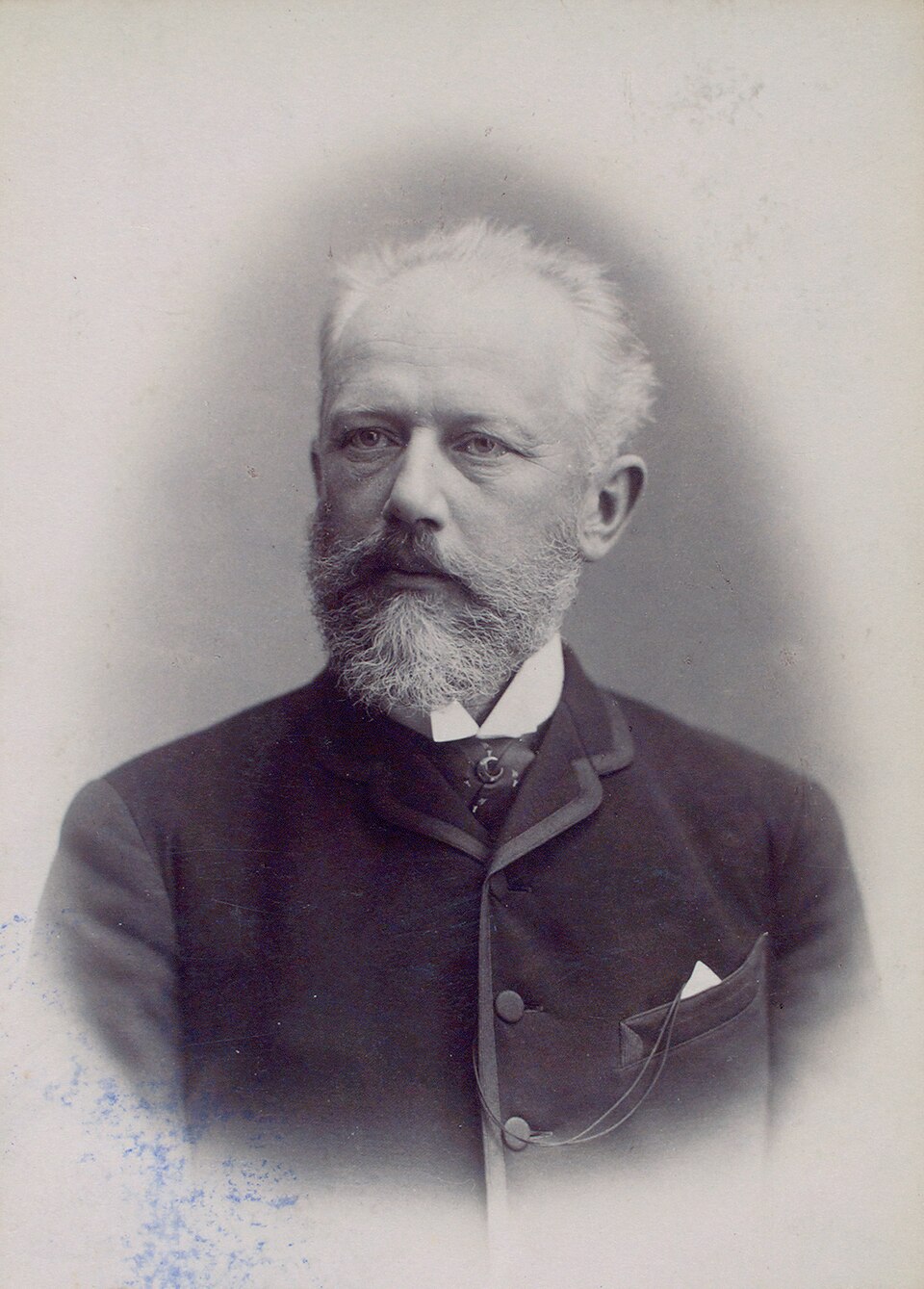
Tchaikovsky’s Symphony No. 5 in E minor, Op. 64
Written in three months by a man convinced his talent had run out
In 1888, Tchaikovsky wrote that his creative powers were exhausted. Three months later he finished Symphony No. 5. Eight clarinet notes open the work — dark, processional, inescapable. The same motif returns in the finale as blazing brass in E…
-
Tchaikovsky’s Serenade for Strings in C major, Op. 48
The piece nobody commissioned that outlasted the piece everyone asked for
In 1880, Tchaikovsky wrote two pieces: the commissioned 1812 Overture, which he called worthless, and the Serenade for Strings, written for no one. At its premiere, the Waltz was encored. His teacher Rubinstein declared it his best work. The 1812…
-
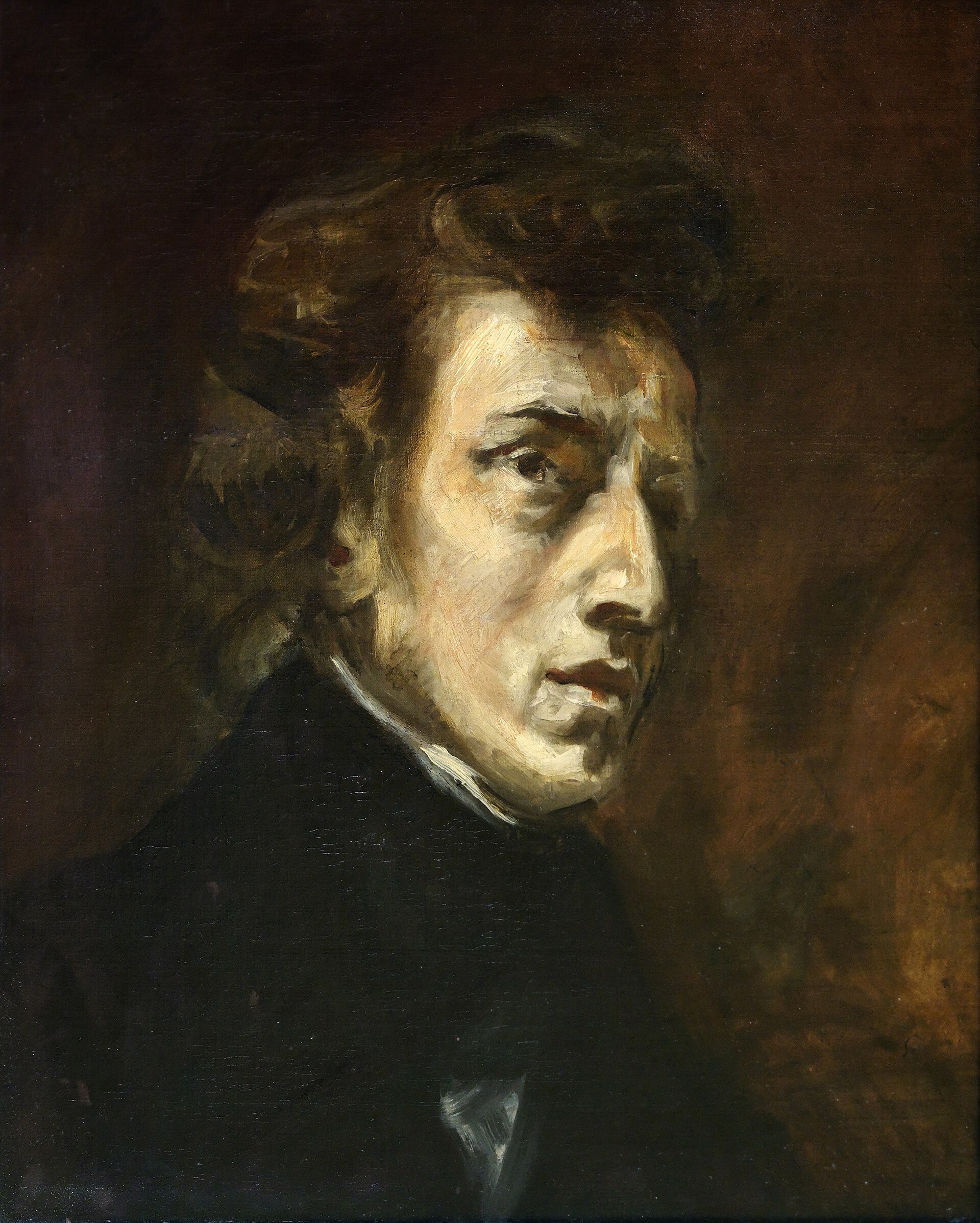
The Complete Guide to Chopin’s Piano Works
A roadmap to every genre the Piano Poet mastered
In 39 years, Chopin wrote no symphonies and no operas. He rewrote the entire language of the piano with a single instrument. From the dramatic sweep of his Ballades to the intimate poetry of his Nocturnes, from the punishing brilliance…
-
Beethoven’s Egmont Overture, Op. 84
The overture that turned a man's execution into a victory march
In 1809, Napoleon occupied Vienna. Beethoven stuffed pillows into his windows and started writing about a nobleman executed for defying tyranny. The overture moves from oppression to a triumphant F-major fanfare in eight minutes. But why did he open it…
-
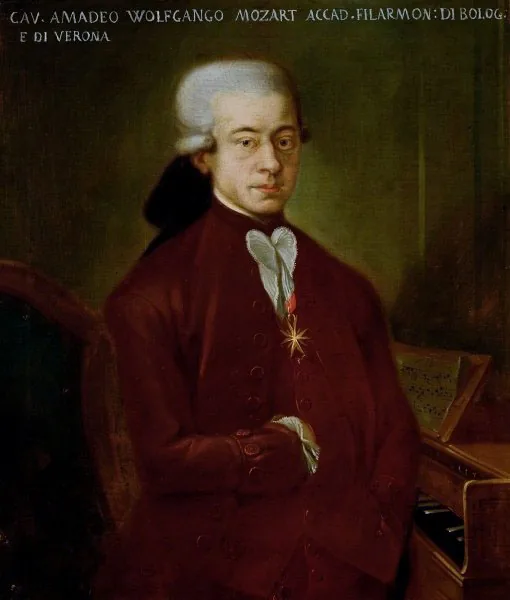
Mozart’s Piano Concerto No. 23 in A major, K. 488
The concerto where the piano talks to itself in the dark
Mozart completed this concerto in a single day in March 1786, in the middle of preparing The Marriage of Figaro. Of his 27 piano concertos, only K. 488 places its slow movement in F-sharp minor. The orchestra nearly vanishes. The…
-
Mozart’s Don Giovanni, K. 527
He wrote the overture the night before the premiere. The ink was still wet.
October 28, 1787. Prague. The premiere is tomorrow—and the overture doesn't exist yet. Mozart stayed up all night while Constanze kept him awake with stories and punch. The orchestra sight-read it from still-wet pages at dawn. Nobody knew they were…
-
Best Symphonies for Classical Music Beginners — 10 Works to Start With
One symphony is all it takes to get hooked
Four notes from Beethoven that punch through any playlist. An English horn melody from Dvořák that sounds like homesickness made audible. Schubert's opening bars that fill a room before you notice you've stopped breathing. Ten symphonies chosen because they grab…
-
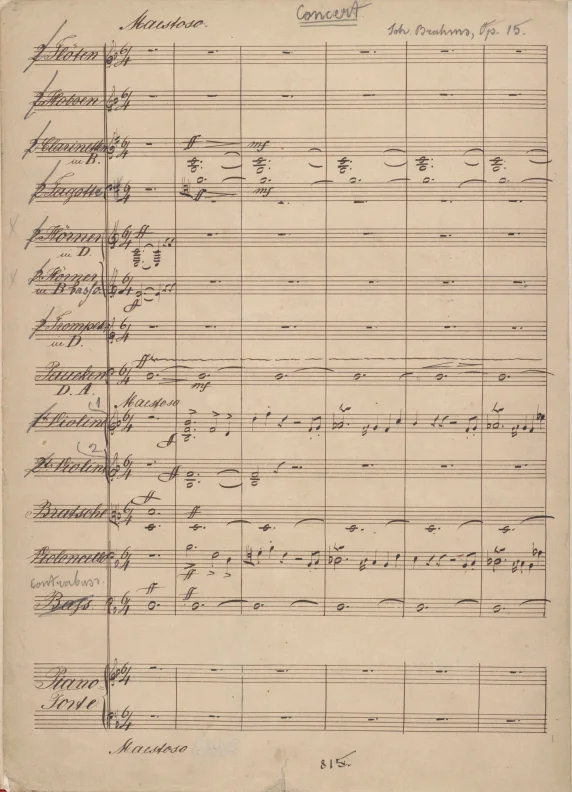
Brahms’s A German Requiem, Op. 45
The premiere a single timpanist destroyed
A single rogue timpanist derailed the Vienna premiere in 1867. The audience laughed. Critics shredded it. But five months later, in Bremen Cathedral, the same music brought the house to tears. Clara Schumann wept. Brahms became famous overnight. This is…
-
Grieg’s Peer Gynt Suite No. 1, Op. 46
The music Grieg hated — the world plays it endlessly
In 1874, Grieg told a friend Ibsen's commission was 'just too difficult.' He stalled for months. He finished it reluctantly and hated the result. Yet what he begrudged writing became one of the most-played orchestral works in history. Knowing what…