- Composer
- Pyotr Ilyich Tchaikovsky
- Work
- Serenade for Strings in C major, Op. 48
- Composed
- 1880
- Movements
- Four movements
I. Pezzo in forma di sonatina: Andante non troppo – Allegro moderato (C major)
II. Valse: Moderato – Tempo di valse (G major)
III. Élégie: Larghetto elegiaco (D major)
IV. Finale (Tema russo): Andante – Allegro con spirito (C major) - Scored for
- String orchestra (no winds, brass, or percussion)
- Public premiere
- October 30, 1881, St. Petersburg — Eduard Nápravník, conductor
- Duration
- about 30 minutes
In 1880, two scores sat on Tchaikovsky’s desk, and he felt completely differently about each one.
One was a commission: a big public overture marking Russia’s defeat of Napoleon, ordered for a Moscow exhibition, complete with cannon and church bells. Tchaikovsky was blunt about it in a letter to his patroness. He predicted the piece would be “very loud and noisy—but I wrote it without any warm and loving feelings, and consequently it will probably be lacking in artistic merit.” That piece became the 1812 Overture, one of the most performed works in the orchestral repertoire — mostly, let’s be honest, for the artillery.
The other score, nobody asked for. No commission, no deadline, no cannon. Just strings, and a composer writing because he wanted to. He told von Meck it was “a piece that comes from the bottom of my heart.” That was the Serenade for Strings, Op. 48 — and it is the one that has quietly outlived the blockbuster it was born beside.
You Already Know This Music
Here’s the strange thing about the Serenade: millions of people have heard it and have no idea what it’s called. The reason is the second movement — a waltz of barely three minutes that keeps escaping the concert hall and turning up everywhere else.
If you searched “which piece is that famous Tchaikovsky waltz” after hearing something elegant and a little sad, this is very likely it — not the waltz from Swan Lake or Sleeping Beauty, but the one from the Serenade. And the places it shows up tell you a lot about why it stuck:
- Balanchine’s ballet. In 1934, George Balanchine choreographed the entire Serenade as a plotless ballet — the first work he made for American dancers, using students of his newly founded School of American Ballet. It became the signature piece of New York City Ballet. For a huge share of ballet audiences, the blue-lit corps of Serenade is where they met this music first — not a symphony program.
- Squid Game. The Netflix series used the waltz in 2021, letting its politeness curdle against the show’s brutality. If you’re under thirty, this is probably your point of entry.
- Old Hollywood. In the 1945 MGM musical Anchors Aweigh, the waltz was fitted with lyrics and sung by Kathryn Grayson as From the Heart of a Lonely Poet.
- Weddings and Classic FM. It turns up as a first-dance and processional staple, and it lives permanently near the top of listener-voted classical countdowns. That “I’ve heard this somewhere” feeling is the whole point.
So the honest starting question isn’t “what is the Serenade for Strings?” It’s “what’s the rest of the piece that famous waltz belongs to?” The answer is a tightly built, half-hour work in four movements — and the waltz is only the part that got out.
Between Duty and Desire: The Two Scores of 1880
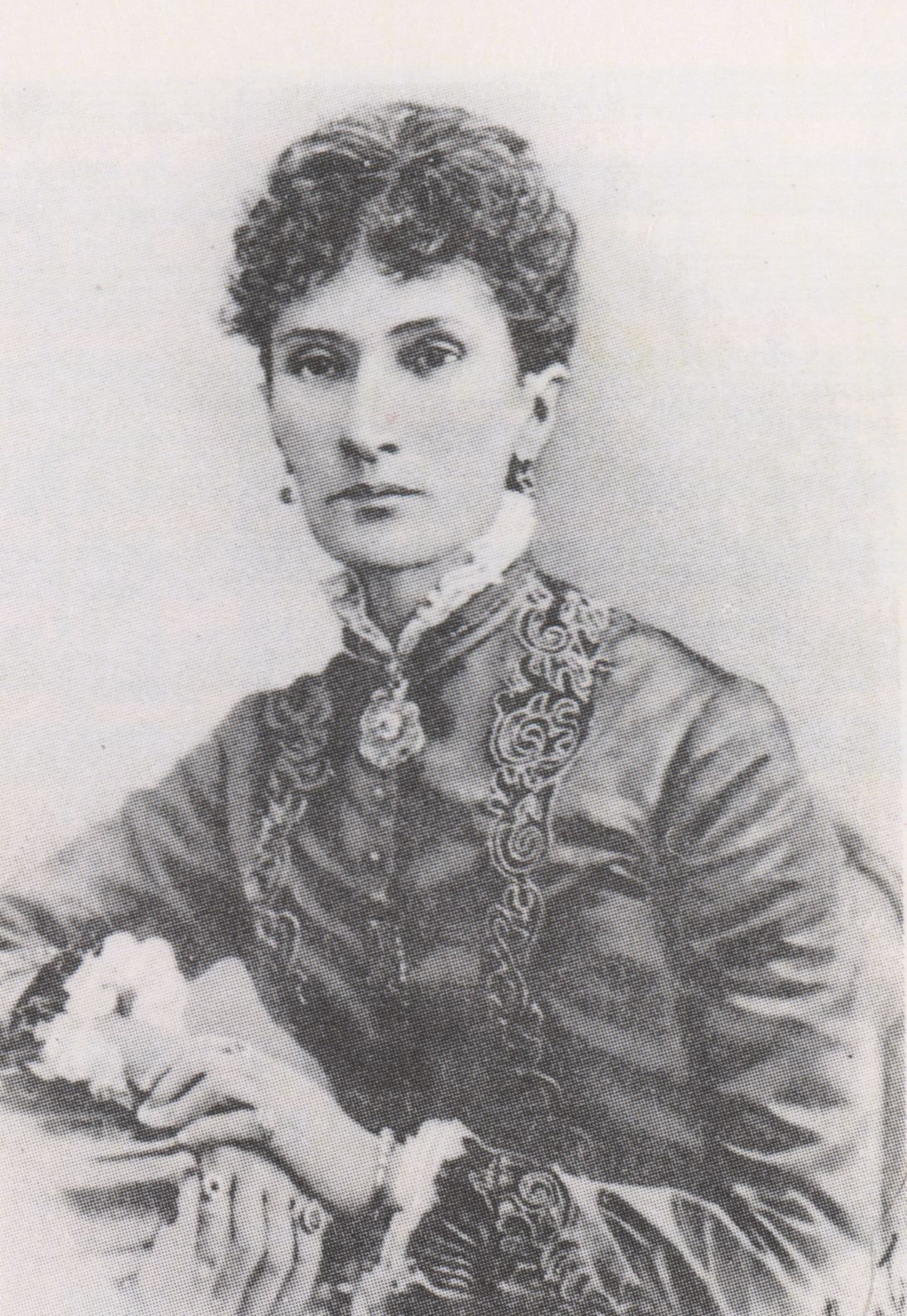
1880 was not a settled year for Tchaikovsky. He was approaching forty; the wreckage of his six-week marriage still haunted him; and his most important relationship was one he conducted almost entirely on paper. Nadezhda von Meck, a wealthy widow, gave him a yearly allowance and a steady correspondence on one firm condition — that the two of them never meet in person. It was intimacy and distance in the same arrangement, and it suited him.
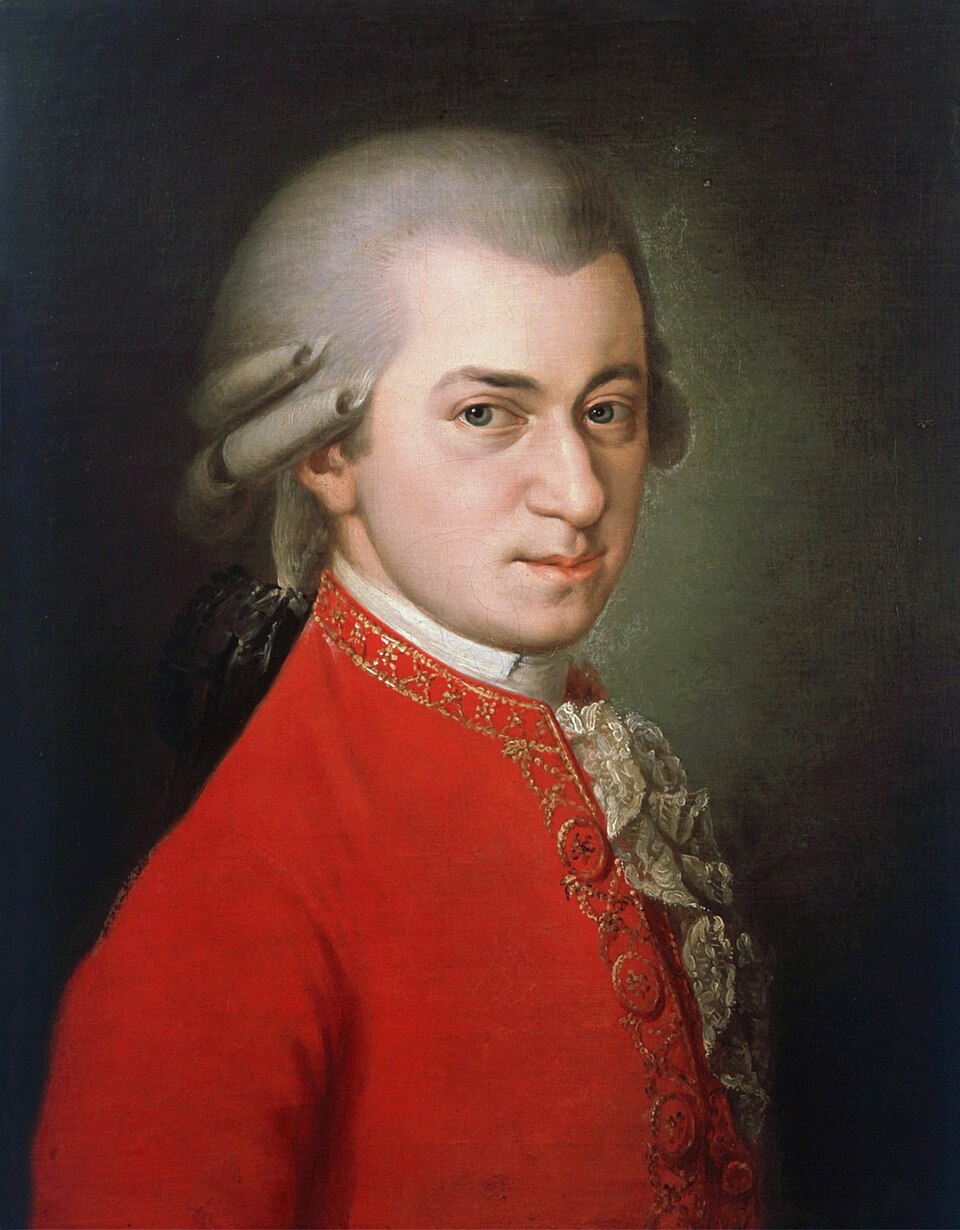
Against that backdrop, the Serenade reads like a deliberate escape. Where the overture was public, patriotic, and dutiful, the Serenade was private and formal in the older sense — Tchaikovsky reaching back past his own Romantic century toward the poised, balanced serenade of Mozart’s world. He didn’t hide the debt; he said he wanted to imitate Mozart, and the first movement is even titled Pezzo in forma di sonatina, a “piece in the form of a little sonata.”
The work was first tried out at a private performance at the Moscow Conservatory in December 1880 — colleagues and students springing it on the composer as a surprise. The public premiere came the following year: October 30, 1881, in St. Petersburg, conducted by Eduard Nápravník. The audience reaction there says everything about the second movement. When the waltz ended, they demanded it again on the spot — an encore for a single interior movement, mid-work.
An Orchestra With No Winds — On Purpose
There is not one wind, brass, or percussion instrument in the Serenade for Strings. No flute, no horn, no timpani — only violins, violas, cellos, and double basses. New listeners often assume that must make it thin. It’s the opposite: the limit is the engine.
In a symphony, the brass supply weight, the woodwinds supply color, and the percussion supplies drive — the strings are one section among many. Strip all of that away and the strings have to do every job themselves. So instead of leaning on effects, Tchaikovsky writes conversation. The first violins throw out a phrase; the cellos answer it; the violas fill the middle; the basses hold the floor. That constant hand-off is the real subject of the piece, and it’s why the music keeps a chamber-sized intimacy even when fifty players are on stage.
This is where the Mozart homage stops being a label and becomes a method. A Romantic composer, famous for melodrama and big orchestral color, chooses precision over spectacle and balance over explosion — and boxes himself into strings alone to force the discipline. It answers the question people actually search for: the winds aren’t missing, they were never invited. If you want a wider map of where Tchaikovsky sits among his peers, our composer map puts him in context.
A Movement-by-Movement Guide
New to the piece? Start with the second movement, the waltz — three minutes that carry the whole work’s charm. Then go back to the opening movement to hear the Mozart homage, and let the Russian finale surprise you. If you’re building a wider listening habit, our beginner’s guide to classical music is a good next step.
I. Pezzo in forma di sonatina — the Mozart homage
The work opens with a slow, weighty introduction: thick stacked chords, marked to be played very heavily, that sound less like Romantic anguish than like a grand door swinging open. What’s striking is how clean the harmony is — plain, classical chords rather than the chromatic ache you might expect from Tchaikovsky. Then the tempo lifts into a light, dancing Allegro, the sections tossing phrases back and forth, before a shadow of minor-key feeling slips in without warning. Keep an ear on that opening: the slow chords come back to close the movement, and they will return one final time at the very end of the whole work.
II. Valse — the movement that demanded an encore
This is the famous one, and it earns it. Over a plain “oom-pah-pah” pulse, the first violins sing a melody that feels familiar the first time you hear it — graceful, a little wistful, impossible to shake. The structure could not be simpler, which makes the effect almost suspicious: how does something this modest lodge itself so deep? That St. Petersburg audience wasn’t wrong to want it twice. Cast in G major rather than a cozier key, it has a brightness with just enough tension underneath to keep it from turning saccharine.
III. Élégie — the emotional core
Marked Larghetto elegiaco — slow, in the manner of an elegy — the third movement, in D major, changes the temperature completely. There’s no event here, no drama, just a single sustained mood passed from voice to voice. The violins sing a line, it sinks to the cellos, it rises again; it plays less like a conversation than like one thought turned over and over. Some listeners find this the most beautiful stretch of the piece; others find it slow. Almost nobody finds it neutral — and its placement is deliberate. By lowering the heat here, Tchaikovsky makes the finale’s arrival hit twice as hard.
IV. Finale (Tema russo) — the Russian turn
After the elegy’s hush, the finale opens with another slow introduction — then drops the mask and launches into a fast Russian folk tune. This is the movement’s whole trick: it takes the Western forms of the first three movements and lets Russian folk material win the argument. The theme gets tossed around the ensemble, gathering players until the full body of strings is driving it. There’s a wonderful moment where the energy pulls back almost to silence, then floods back in. And then, at the very close, the stately chords from the very first movement return one last time. The piece shuts the door it opened half an hour earlier — the whole Serenade curls into a circle.
That cyclical return is the tell that this is architecture, not a pretty trifle. The reader who came for the three-minute waltz and stayed to the end gets rewarded with a piece of real structural wit.
Recommended Recordings
Herbert von Karajan / Berlin Philharmonic (1966, Deutsche Grammophon) — the benchmark. This is the polished, gleaming account everyone measures the others against. The Berlin strings are so unified and so beautifully weighted that the waltz almost floats. If there’s a knock, it’s the same one leveled at a lot of Karajan: some listeners find it too smooth, more marble than flesh. Start here anyway — as a first encounter with the piece, it’s hard to beat.
Valery Gergiev / Mariinsky Orchestra — for the Russian weight. Where Karajan gives you European finish, Gergiev and his St. Petersburg players lean into the folk material of the finale and let it dig in. There’s more earth here, more muscle in the bass line. If the last movement is the one that grabs you, this is the account to hear it in. ▶ Listen on YouTube
Neville Marriner / Academy of St Martin in the Fields — for transparency. A smaller, leaner ensemble, and it shows: this is the version where you can actually hear the inner parts trade the tune, which is what the piece is about. If the Karajan is a wall of gorgeous sound and you want to follow the conversation instead, go here. ▶ Listen on YouTube
Want to actually see how the parts hand the melody around? This score-follow video makes the strings-alone design obvious:
Why It Still Fills Programs
Part of the answer is brutally practical. A Tchaikovsky symphony needs a large orchestra, a long rehearsal budget, and a big hall. The Serenade needs a string section — ten players or forty, a summer festival tent or a conservatory recital room. It travels light, so it gets programmed constantly, far more often than the symphonies it shares a catalog with.
But easy to schedule is not the same as easy to play. Because every line is exposed, the Serenade hides nothing. A hair of sour intonation in the violins, a breath that isn’t shared across the section, and the grace of that waltz collapses in public. That’s exactly why ensembles love it: it’s a test they choose to take. The piece proves an orchestra to itself.
And under all of it is the thing Tchaikovsky knew from the start. He wrote the 1812 Overture to order and dismissed it. He wrote the Serenade for no one, out of pure wanting — and he was right about which one had a heart. Well over a century later, the piece nobody commissioned is still the one filling the stage. Set them side by side sometime, back to back: duty on one side, desire on the other. You can hear the difference.
Frequently Asked Questions
How many movements are in Tchaikovsky’s Serenade for Strings?
Four. The first is a Pezzo in forma di sonatina (a piece in sonatina form), the second a Valse (the famous waltz), the third an Élégie, and the fourth a Finale on Russian themes. They run to roughly thirty minutes together, and each has a sharply different character — a classical homage, a waltz, an elegy, and a folk-driven finale — which is a big part of the work’s appeal.
When did Tchaikovsky compose the Serenade for Strings, Op. 48?
He wrote it in 1880 — the same year as the 1812 Overture. The contrast is the whole story: the overture was a commission he privately disliked, while the Serenade was a piece he composed for himself with no commission at all. The public premiere took place on October 30, 1881, in St. Petersburg, conducted by Eduard Nápravník.
Which is the famous waltz from the Serenade for Strings?
It’s the second movement, the Valse — barely three minutes long, sung out by the first violins. At the 1881 premiere the audience demanded it be repeated on the spot. It later took on a life of its own through George Balanchine’s 1934 ballet Serenade, the 1945 film Anchors Aweigh, and more recently the series Squid Game — which is why so many people know the tune without knowing the whole piece.
Why are there no wind or brass instruments in the Serenade?
Because Tchaikovsky wanted it that way. He conceived the work as a tribute to the 18th-century serenade tradition of Mozart, which was string-based, and limiting himself to strings forced the music’s real subject to the surface: the dialogue between the sections. With no brass or winds to lean on, the violins, violas, cellos, and basses have to trade every melody and supply every color themselves.
What’s the best recording of Tchaikovsky’s Serenade for Strings?
For a first recording, Herbert von Karajan’s 1966 account with the Berlin Philharmonic on Deutsche Grammophon is the polished benchmark. For more Russian weight in the finale, try Valery Gergiev with the Mariinsky Orchestra. And if you want to hear the inner parts clearly, Neville Marriner’s leaner reading with the Academy of St Martin in the Fields lets the conversation between the strings come through.