Category: Symphony
-
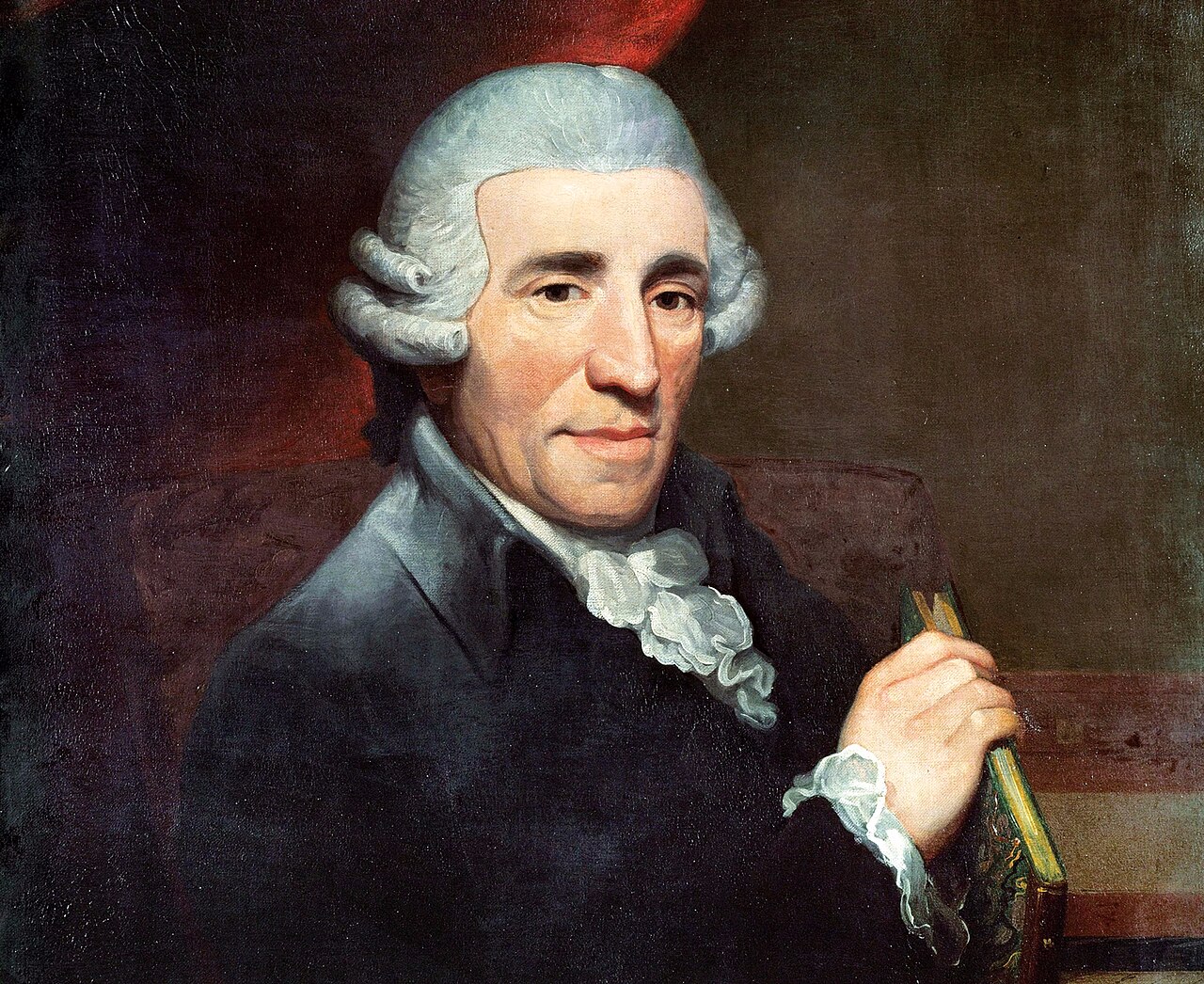
How to File a Grievance Through Music — Haydn’s Farewell Symphony
An Orchestra's Collective Bargaining in F-sharp Minor, 1772
In 1772, Haydn smuggled a labor grievance into a symphony. Players leave the stage one by one; the composer stays until the last note. The F-sharp minor gambit, the source problem behind the famous anecdote, and what the final two…
-
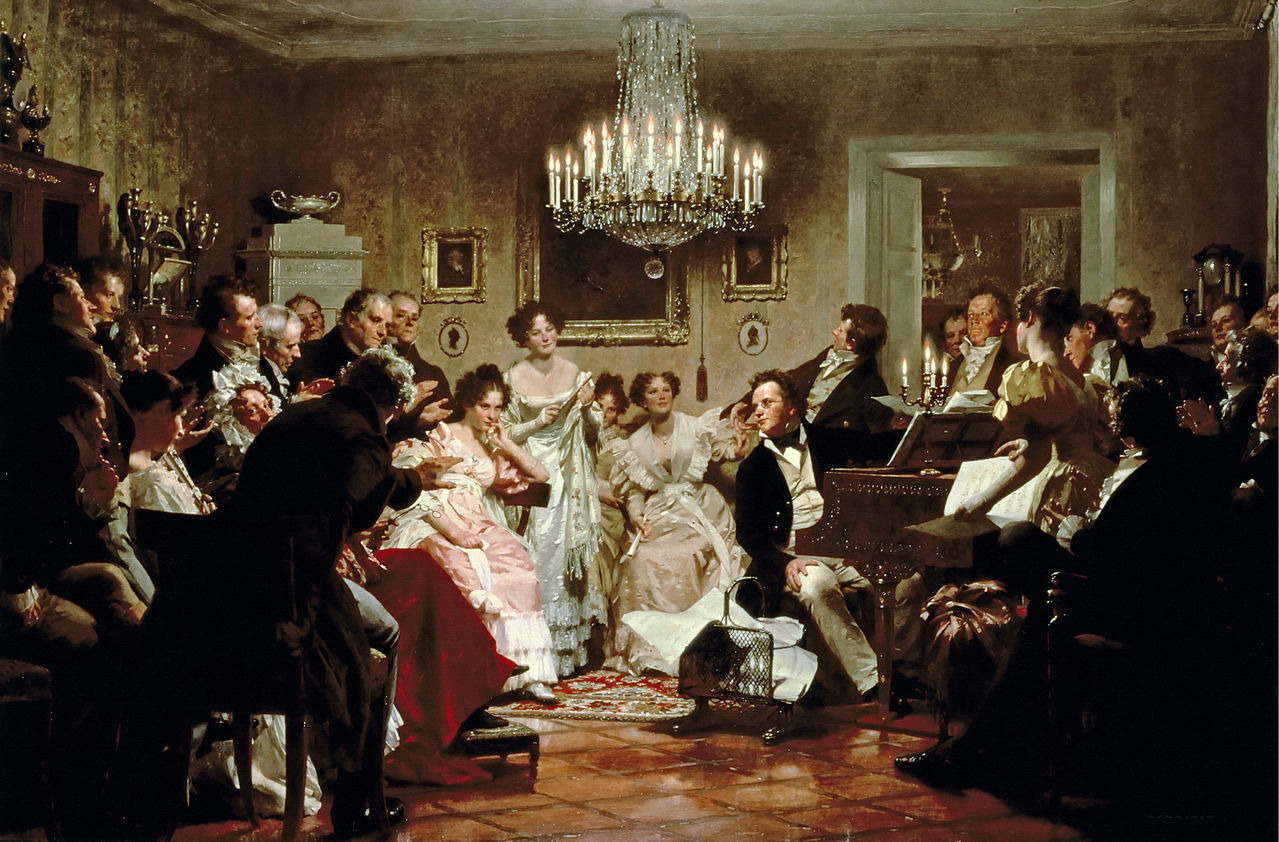
Schubert Symphony No. 5 in B♭ major, D.485 — A Teenager’s Letter to Mozart
A parlor symphony written to Mozart
In autumn 1816, a 19-year-old assistant teacher premiered his Fifth Symphony in a Viennese living room. The story behind Schubert's letter to Mozart.
-
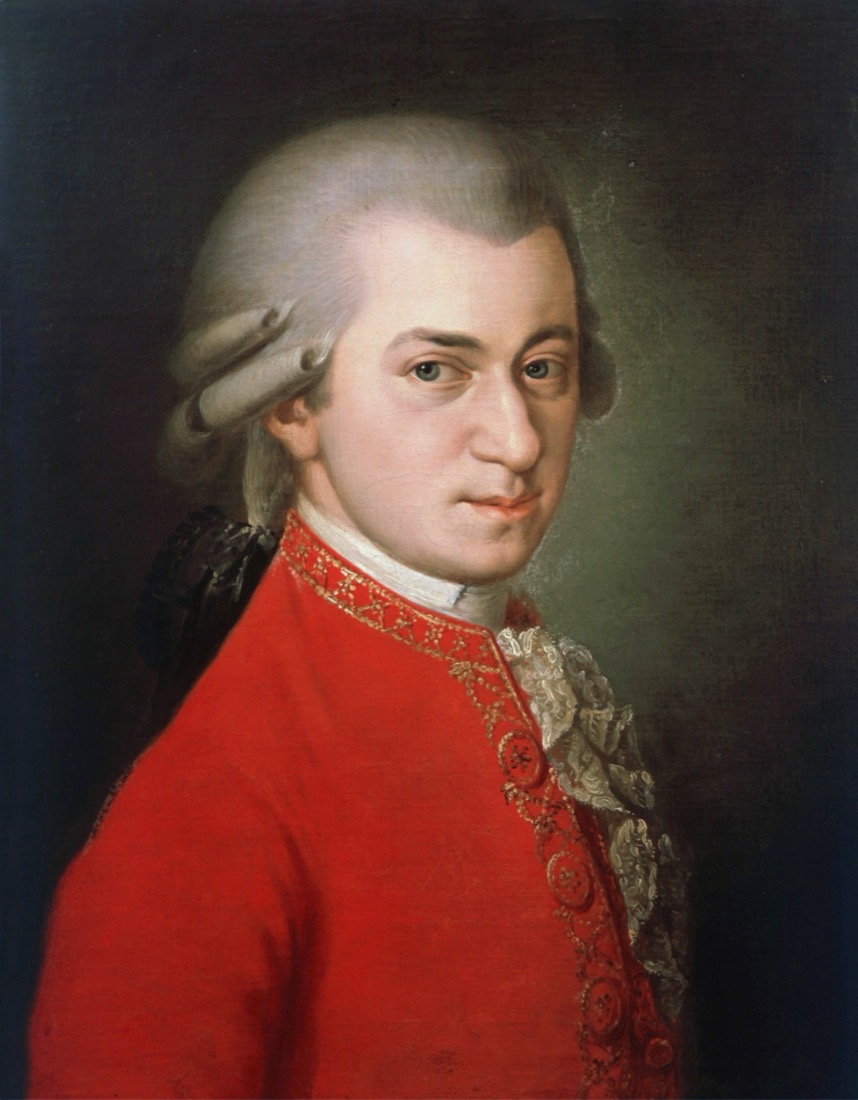
Mozart, Symphony No. 41 in C major “Jupiter,” K.551 — The Last Symphony He Probably Never Heard
The name Salomon gave it
The last page of Mozart's autograph score, preserved in Berlin, says nothing about Jupiter. The nickname was pinned on thirty years after his death by the London impresario Salomon, and first appeared in print on a 1821 Edinburgh concert program.…
-
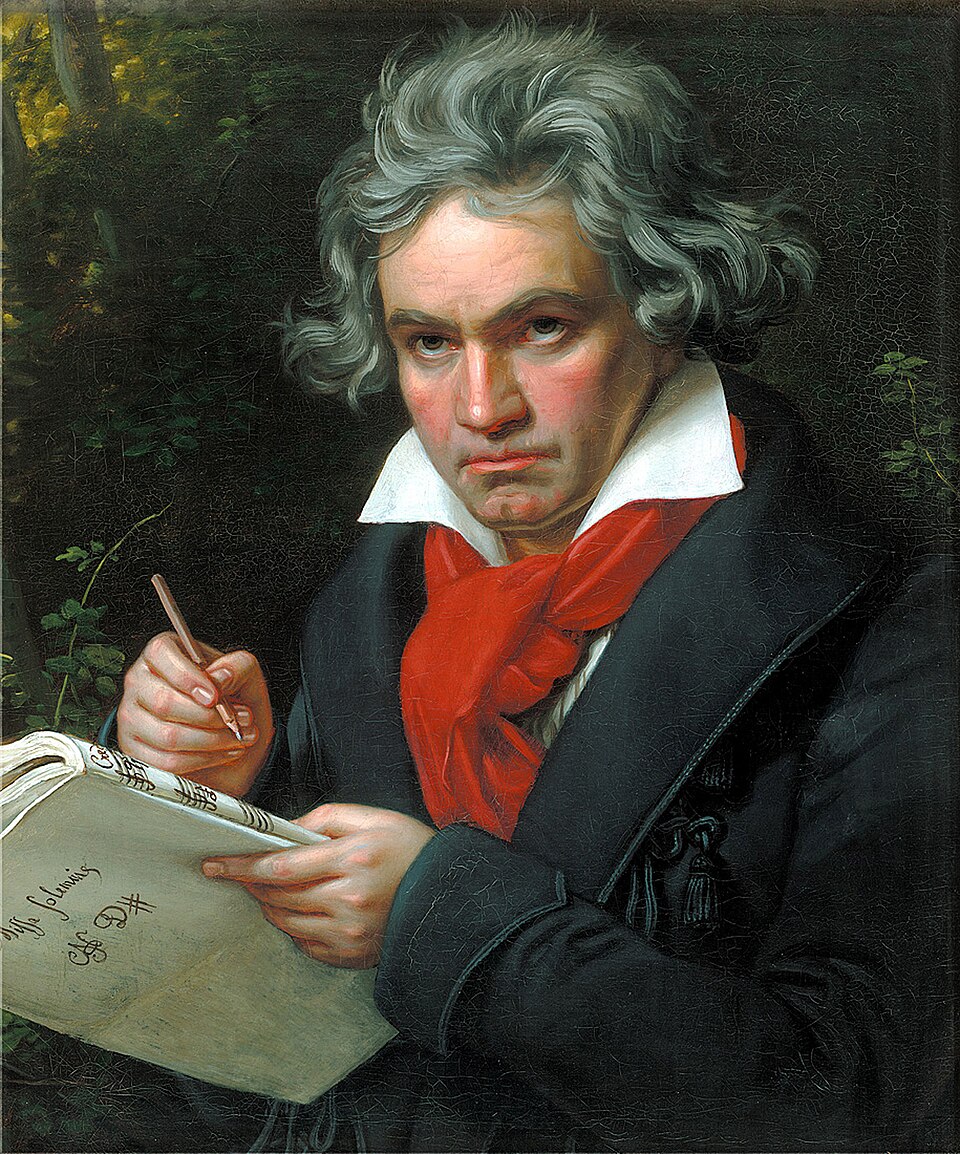
Beethoven Symphony No. 8 — The One He Said Was Better
The 26-minute joke Beethoven preferred
Vienna, February 27, 1814. The Seventh got the ovation; the Eighth got polite applause. Backstage, Beethoven told his pupil one sentence: this one is much better. The Mälzel metronome myth has a timeline problem, the finale hides a two-hundred-year-old punchline,…
-
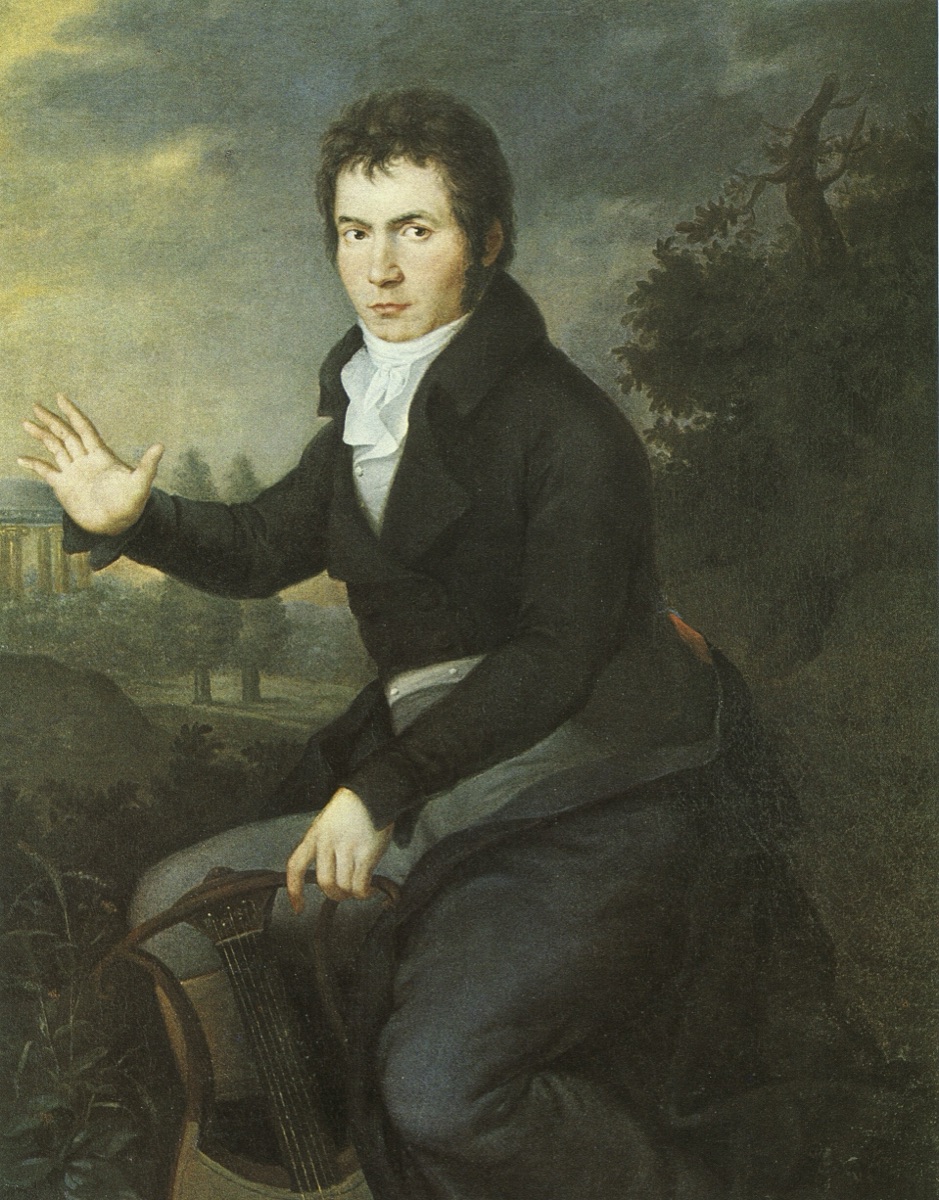
Beethoven Symphony No. 4 Op. 60 — the patron he double-sold
How Beethoven double-sold a patron and dropped the bassoon trap
Vienna, March 1807. Count Oppersdorff has paid Beethoven for the Fifth and is about to watch it premiere under another patron's name. The consolation prize Beethoven hands him is what we now call Symphony No. 4.
-
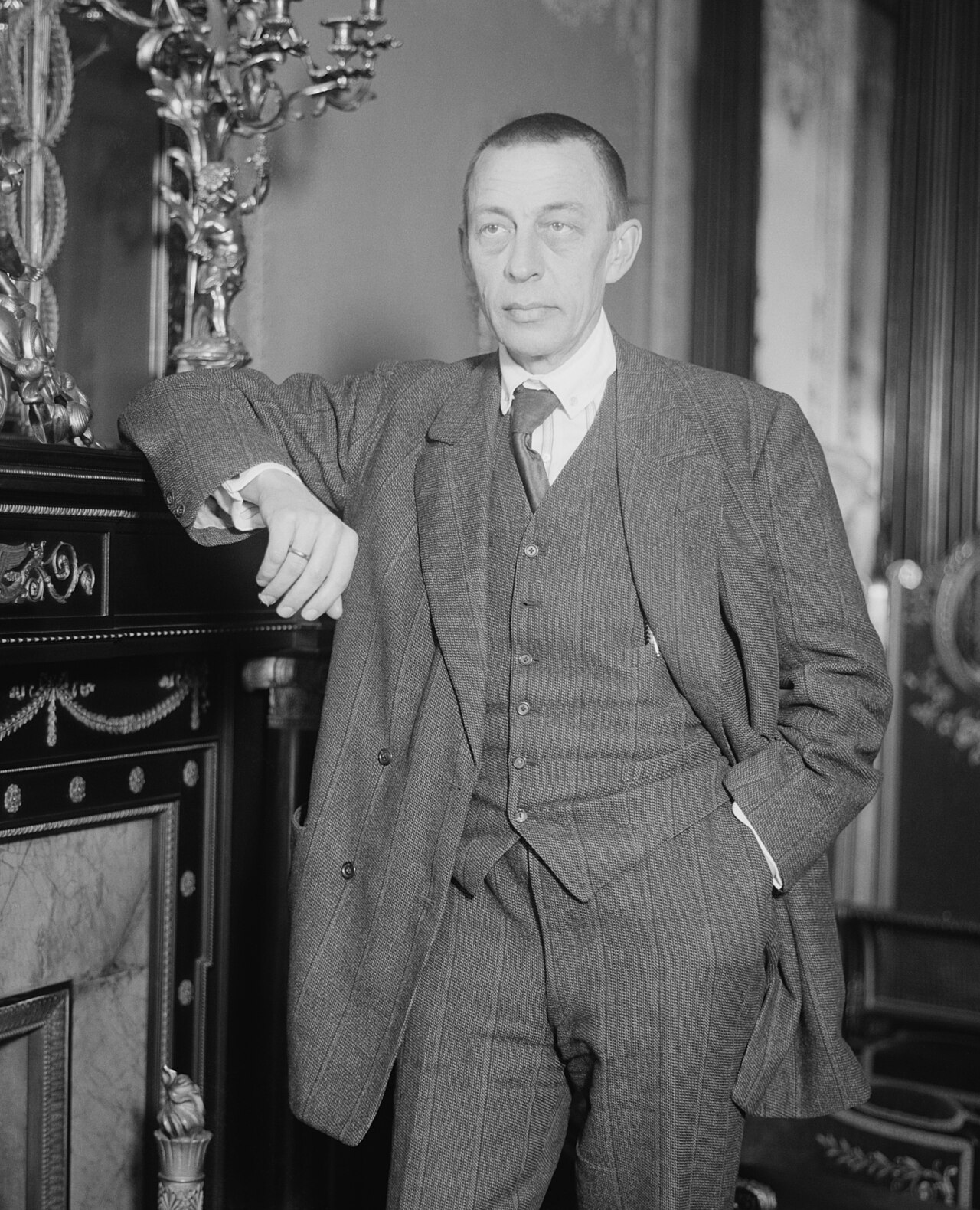
Rachmaninoff, The Bells, Op. 35 — An Anonymous Letter and a Funeral That Ends in Major
An anonymous letter and a funeral that ends in major
Rachmaninoff said The Bells, Op. 35 was the work he loved most. It began with an anonymous letter he wouldn't identify for thirty years, and ends with a funeral movement that resolves into D-flat major — one of the rarest…
-
Beethoven Symphony No. 3 “Eroica” — Five Cracks in a Manufactured Myth
Five Cracks in a Manufactured Myth
In 1804 Beethoven dug 'Bonaparte' off his title page hard enough to tear the paper. In 1806, the first printed edition filed a musical obituary on a man still very much alive. The Eroica wasn't always heroic — it became…
-
The Applause Trap Tchaikovsky Built — How the Pathétique Became “the Sad Symphony” by Mistake
The Applause Trap and a Century of Mistranslation
Tchaikovsky's Sixth is not a sad symphony but a calculated trap. The fake finale, the four-step mistranslation of 'Pathétique', the dedication to nephew Bob Davydov, and the cholera verdict that finally settles the death mystery.
-
Brahms, Symphony No. 1 in C minor, Op. 68 — The 21-Year Myth and Clara’s Birthday Card
The 21-Year Myth and Clara's Birthday Card
'A twenty-one-year struggle that produced Beethoven's Tenth' — this article dismantles the unanimous English-language legend. The famous opening was patched in months before the premiere, 'Beethoven's Tenth' was Hans von Bülow's anti-Wagner political weapon, and the fourth-movement Alphorn theme was…
-
Mahler, Symphony No. 2 in C minor “Resurrection” — The Finale Stolen at a Funeral
The Finale Stolen at a Funeral
On 29 March 1894, at Hans von Bülow's funeral, a choir began Klopstock's ode Die Auferstehung. In that instant Gustav Mahler finally heard the ending of his Second Symphony — a piece that had been stuck on his desk for…