Category: Symphony
-
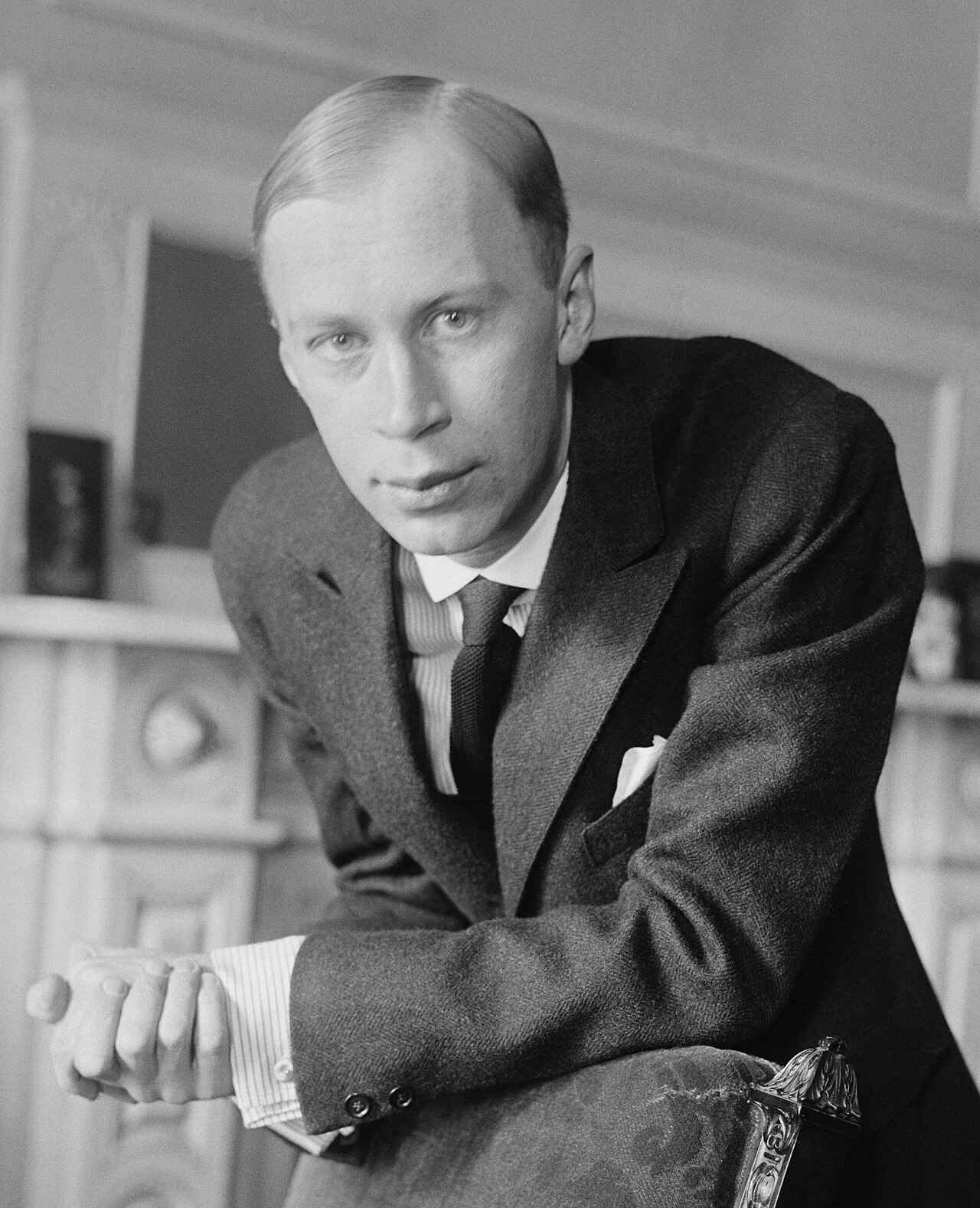
Prokofiev’s Symphony No. 5 in B-flat major, Op. 100
Cannons fired during its premiere — after 14 years of silence
Prokofiev raised his baton on January 13, 1945, and cannon fire erupted outside. Not shells — Soviet victory salutes. The Symphony No. 5 opened with gunfire it never asked for, and the audience knew exactly what it meant.
-
Saint-Saëns’s Symphony No. 3 in C minor ‘Organ’, Op. 78
He wrote one symphony too many to stop — then never wrote another
Saint-Saëns spent nineteen years as chief organist at La Madeleine in Paris. He knew exactly what a pipe organ could do. At 51, he put one inside a symphony — finished it in seven months, refused every request for a…
-
Schubert’s Symphony No. 9 in C major D. 944 ‘The Great’
Shelved as unplayable, heard only after Schubert was gone
In 1826, the Vienna Music Society received a new symphony from Franz Schubert. After a brief rehearsal, they sent it back. The verdict: "too long and difficult." The amateur orchestra under their purview simply couldn't handle it. The score was…
-
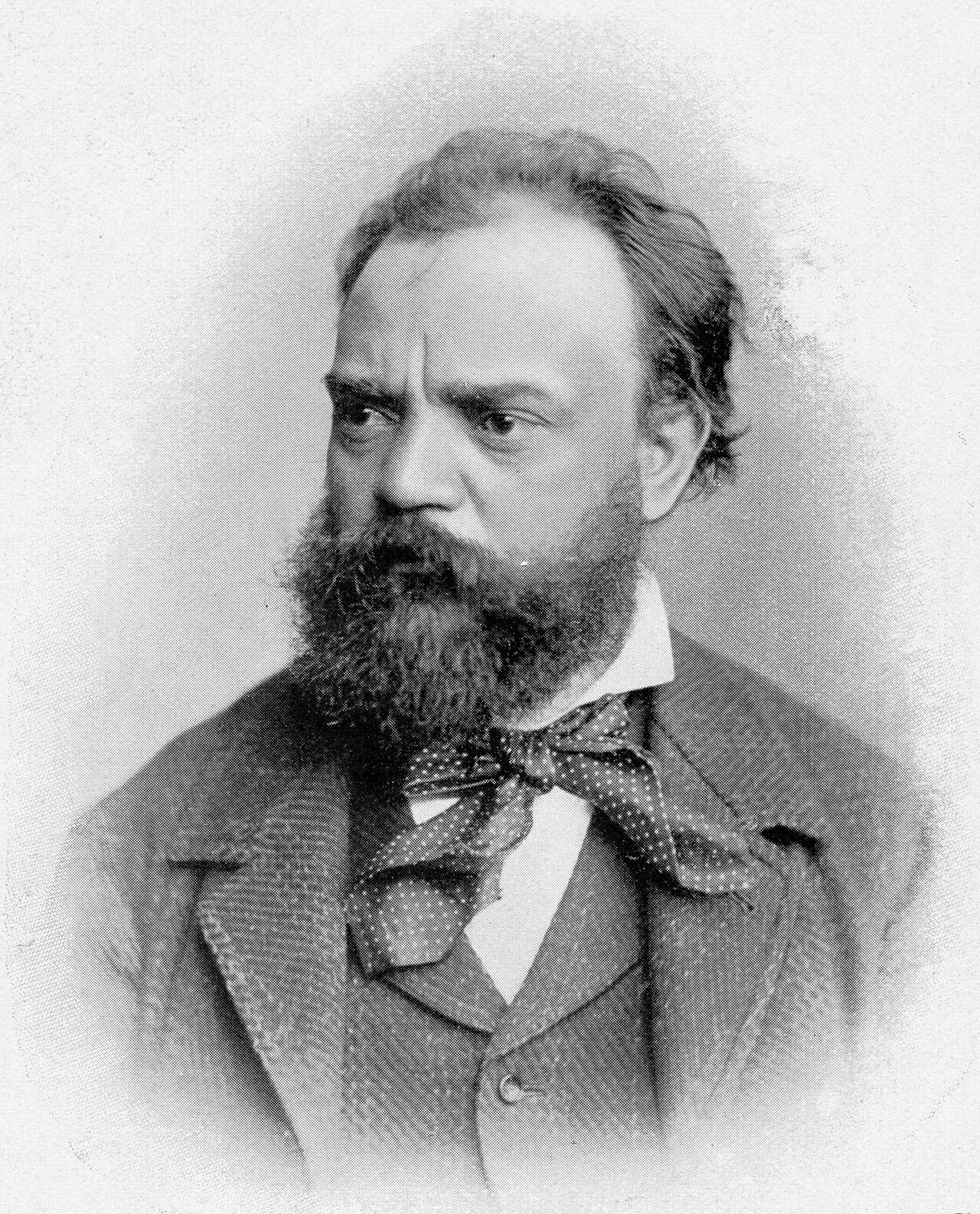
Dvořák’s Symphony No. 8 in G major, Op. 88
Ten weeks in the Bohemian countryside, thirty-six minutes of joy
Dvořák's Symphony No. 8: A Bohemian Holiday in Sound It took Antonín Dvořák just two and a half months to write his Eighth Symphony. For a 36-minute work of immense color and complexity, the speed was astonishing. When his friend…
-
Sibelius’s Symphony No. 2 in D major, Op. 43
The Sound of a Nation's Defiance
A penniless baron sent Sibelius to Italy in 1900. What came back from a Ligurian villa was the Second Symphony — music that Finns heard as a cry for independence and conductors still argue about. Sibelius never confirmed either reading.
-
Sibelius’s Symphony No. 5 in E-flat major, Op. 82
Four Years of Revision After a Standing Ovation — What Was He Still Hearing?
A national holiday, a triumphant premiere, a crowd on its feet. Sibelius walked offstage and began dismantling everything. Three versions, a vanished scherzo, six unprecedented final chords — and still he wasn't done.
-
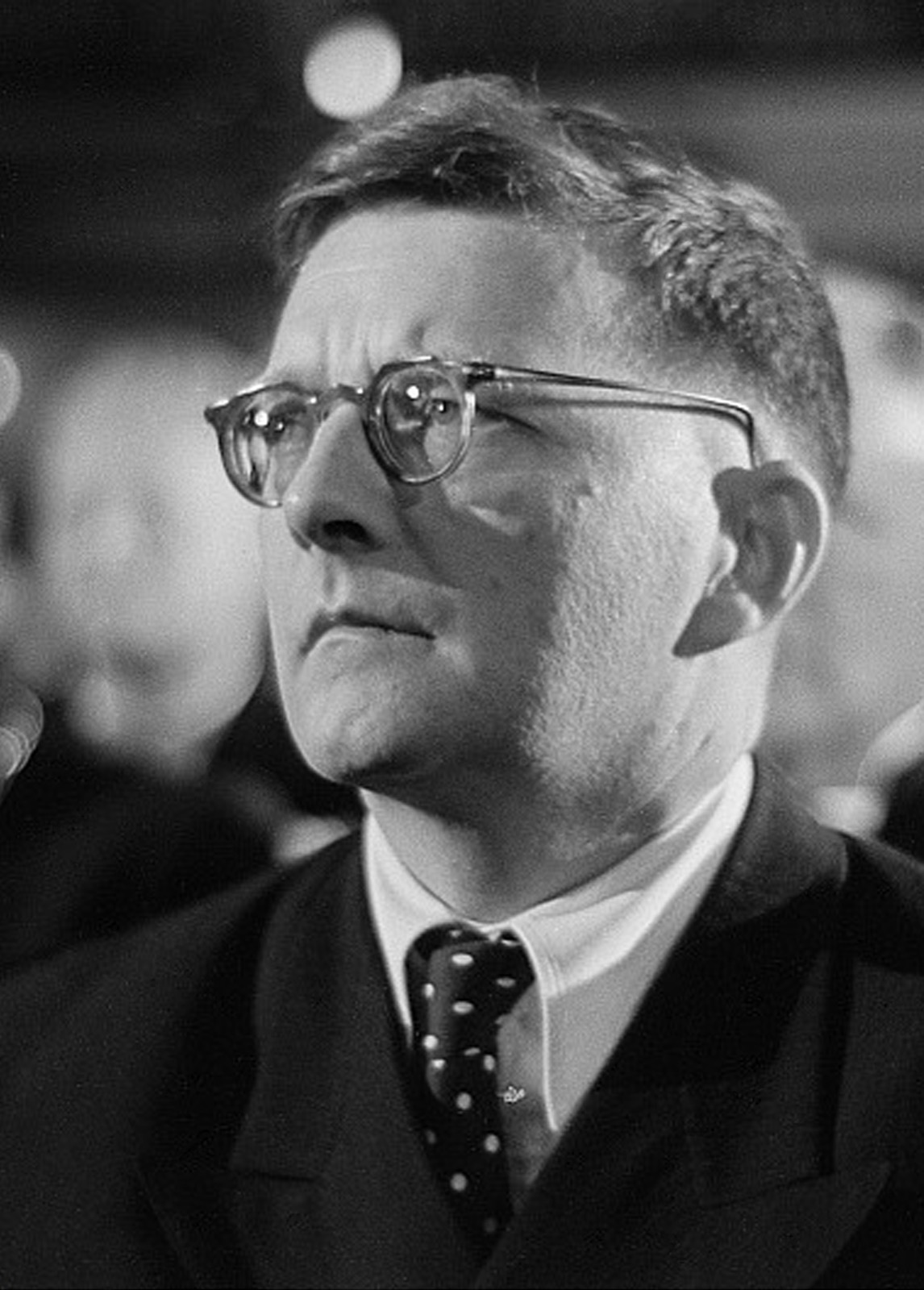
Shostakovich Symphony No. 5 in D minor, Op. 47
The symphony that saved a life by fooling a dictator
In 1937 Stalin's police were waiting for Shostakovich. After *Pravda* branded his music chaos, his friends were shot or exiled. From that precipice, he wrote a symphony in three months—one that groveled before Stalin while hiding a devastating critique of…
-
Shostakovich’s Symphony No. 10 in E minor, Op. 93
Stalin died. Shostakovich survived, signing this symphony with his own name.
In the summer after Stalin's death, Shostakovich finally wrote the symphony he had been suppressing for years. His Tenth is a raw, autobiographical document — a portrait of terror, defiance, and the first breath of freedom.
-
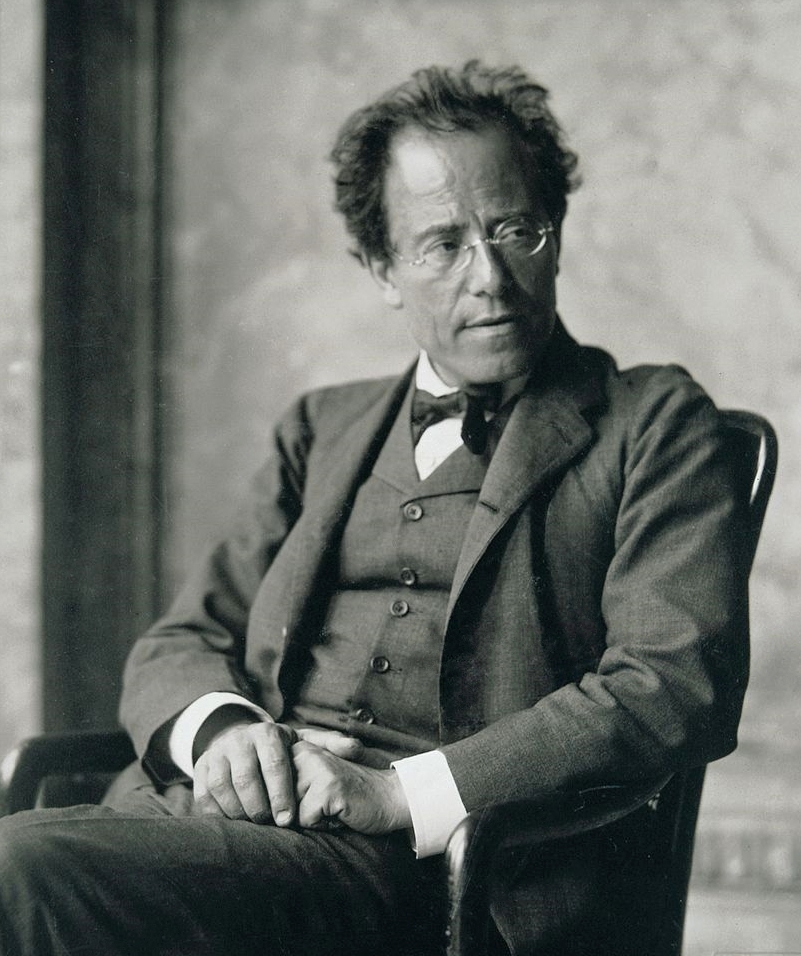
Mahler — Symphony No. 6 in A minor, “Tragic”
A prophecy of defeat, written in the happiest summer
Mahler wrote his Sixth Symphony at the peak of happiness, yet it ends in devastating tragedy. Three hammer blows of fate, a funeral march, and an ending that offers no consolation — this is the symphony that terrified even its…
-
Mahler’s Symphony No. 9 in D major
The composer's last completed work, with his heartbeat written into the score
Mahler's final completed symphony begins with the faltering rhythm of his own dying heart. Written after a fatal diagnosis, the Ninth is music's most profound farewell — a work that stretches the boundaries of what an orchestra can express.