Category: Symphony
-
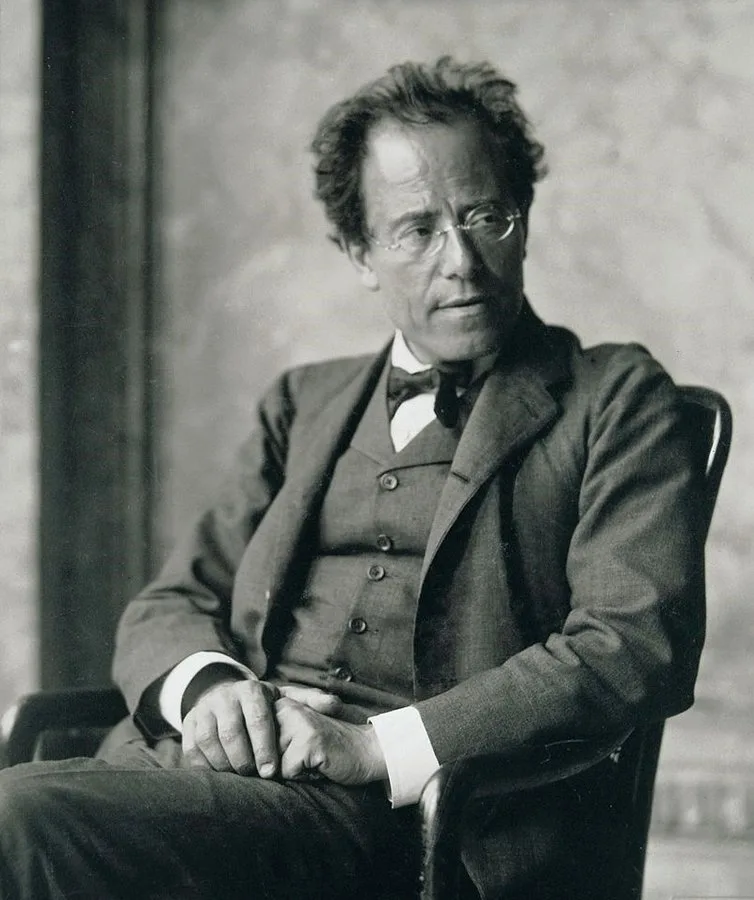
Mahler’s Symphony No. 5 in C-sharp minor
From a death scare to the most famous love letter in musical history
A near-fatal hemorrhage, a new love affair, and a funeral march that became the most famous opening in all of Mahler. The Fifth Symphony is the story of a man who stared at death and decided to embrace life with…
-
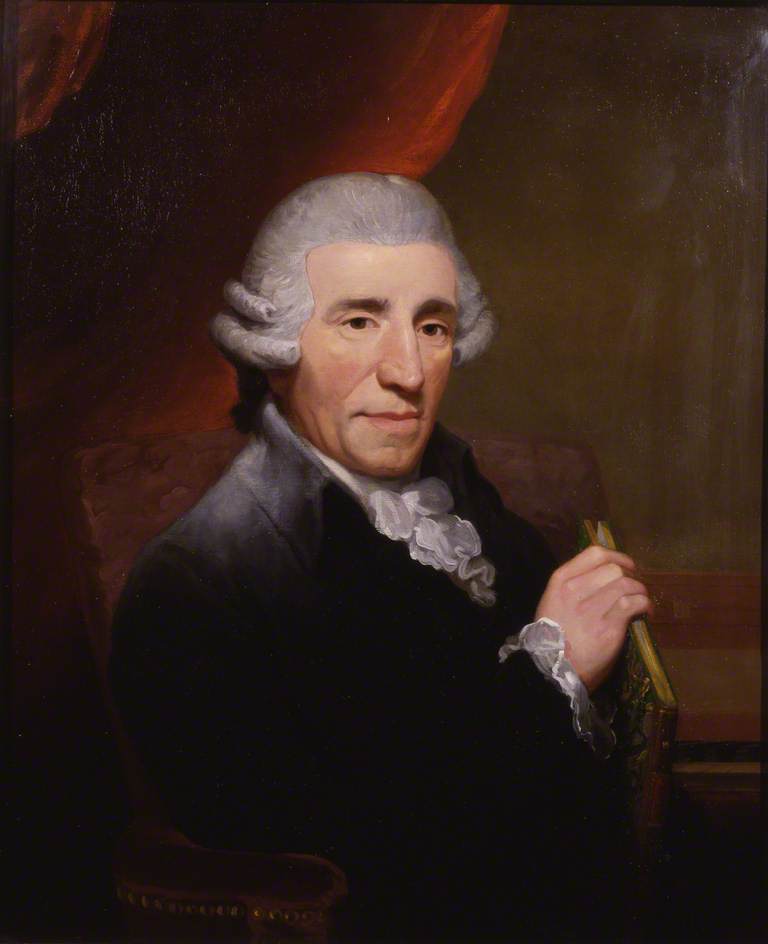
Haydn’s Symphony No. 94 in G major, Hob.I:94 ‘Surprise’
Haydn buried a cannon-shot inside a lullaby — and London fell for it completely
In March 1792, London audiences settled into their seats for what seemed like a gentle, unassuming slow movement. Then Haydn's full orchestra erupted on a single chord — and the hall erupted with laughter. Symphony No. 94 built its reputation…
-
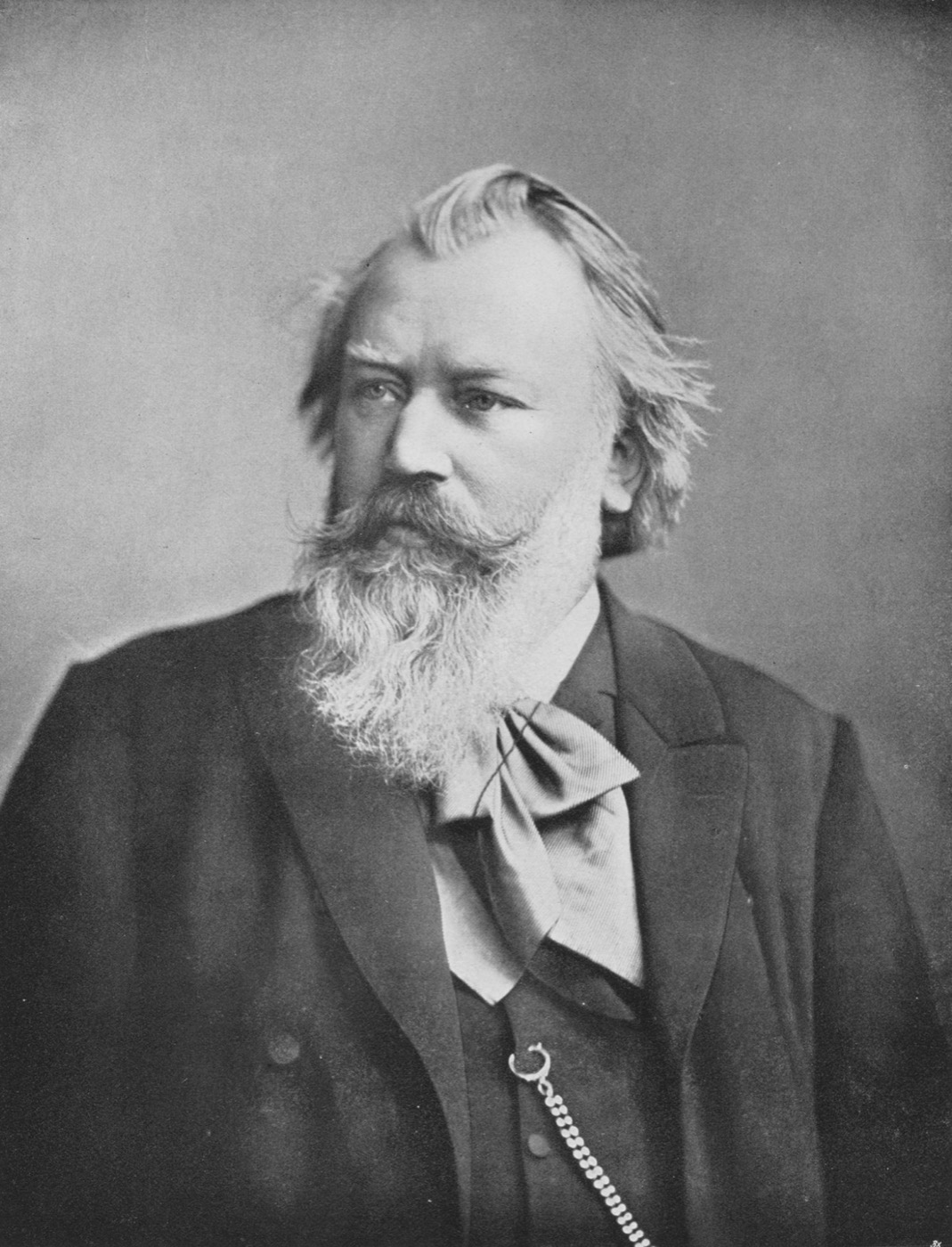
Brahms’s Symphony No. 3 in F major, Op. 90
The motto he buried in three notes — and what it cost him to stay joyful
In the summer of 1883, Brahms rented a studio overlooking the Rhine and encoded three letters into the first chords of his Third Symphony. F, A-flat, F — a private promise, a thirty-year-old answer. The symphony that follows begins in…
-
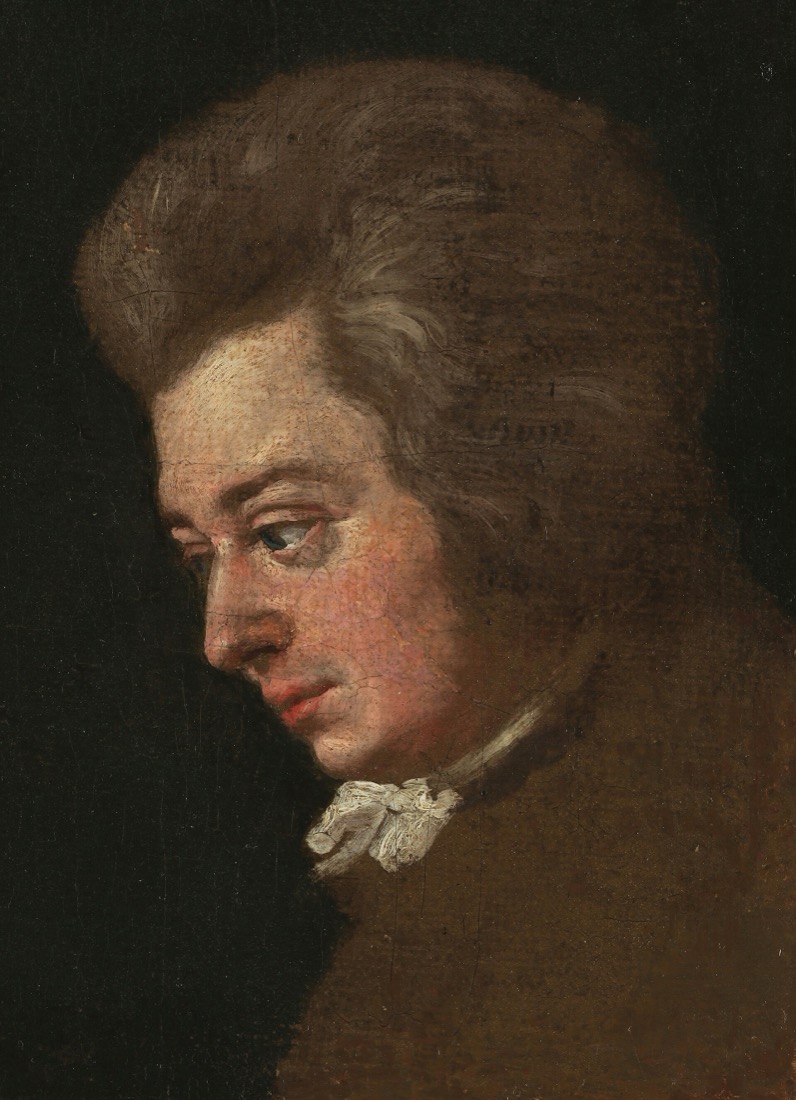
Mozart’s Symphony No. 40 in G minor, K. 550
Three symphonies in six weeks — only one refused to end in major
Mozart entered it in his catalog on July 25, 1788 — middle work of a trilogy finished in six weeks, with no commission and no premiere on record. Of the three, No. 39 and the ‘Jupiter’ both end triumphantly. No.…
-

Brahms Symphony No. 2 in D Major, Op. 73
He warned it needed black borders — the score was pure sunshine
In November 1877, Brahms warned his publisher: the new symphony was 'so gloomy it needs black borders.' The manuscript opened in warm D major with a pastoral horn theme. Written in a single summer by an Austrian lake — and…
-
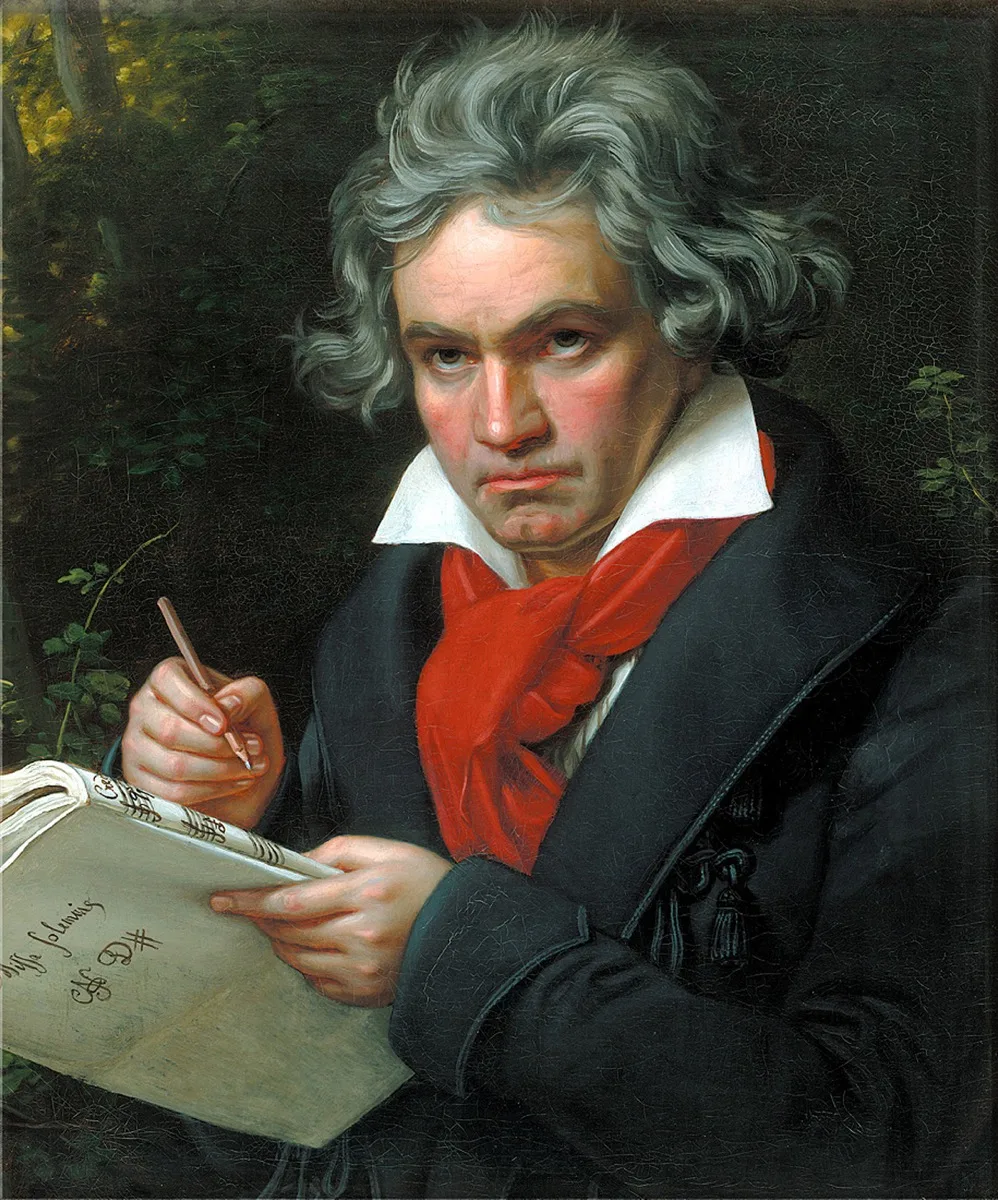
Beethoven’s Symphony No. 7 in A major, Op. 92
The movement that stopped a premiere cold
December 8, 1813. Vienna's University Great Hall. The Allegretto ends and the audience demands an encore — nearly unheard of at a symphony premiere. Beethoven's Seventh is rhythm weaponized into forty minutes of music. Wagner called it the apotheosis of…
-
Beethoven’s Symphony No. 6 in F major ‘Pastoral’, Op. 68
Written by a man who could no longer hear the birds
In 1808, Beethoven completed this symphony in the same village where he had written his famous Heiligenstadt Testament six years earlier. A man losing his hearing, writing music full of bird calls and a brook. The five-movement structure, the storm…
-
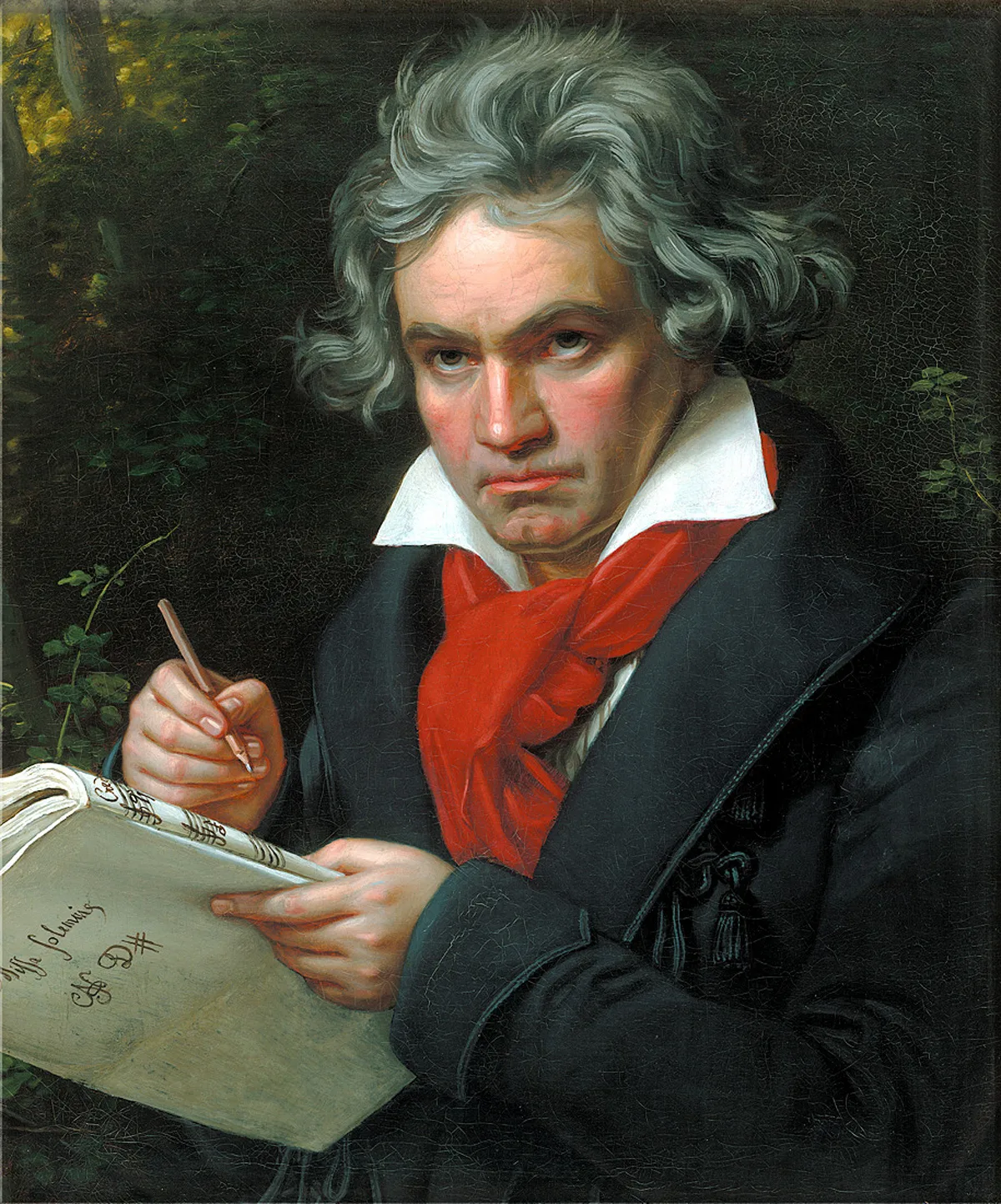
Beethoven’s Symphony No. 9 in D minor, Op. 125 ‘Choral’
A deaf composer forced all of humanity to sing
In 1824, a completely deaf Beethoven premiered a symphony that would reshape Western music forever. The Ninth — born from a thirty-year obsession with Schiller’s ode and composed entirely inside a silent mind — placed the human voice where no…
-
Beethoven’s Symphony No. 5 in C minor, Op. 67
Four Notes That Shook the World
Da-da-da-DUM. Beethoven hammers a single rhythmic cell through four movements, dragging the music from C minor darkness to a C major blaze. He composed it while writing his will, convinced he was going deaf—and built a thirty-minute argument for survival…
-
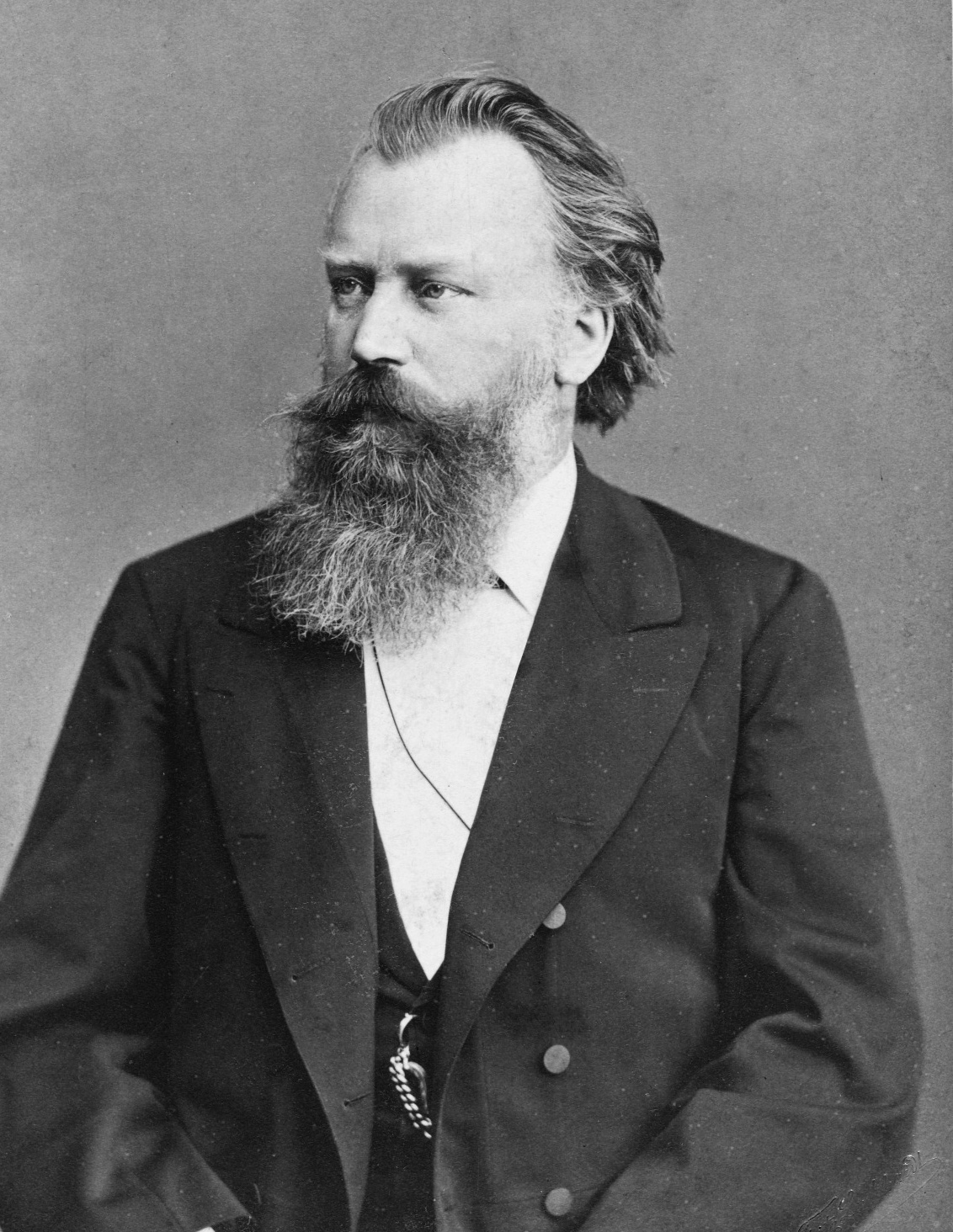
Brahms’s Symphony No. 4 in E minor, Op. 98
A Final Bow in Baroque Disguise
For his final symphony, Brahms built the finale on a passacaglia: thirty variations over a repeating bassline borrowed from a Bach cantata. It was a Baroque form no one had used in a symphony before, a gesture of deep historical…