- Composer
- Ludwig van Beethoven (1770–1827)
- Work
- Symphony No. 6 in F major, Op. 68 ‘Pastoral’
Sinfonia pastorale - Key
- F major
- Composed
- Sketched from c.1803; completed 1808
- Movements
- 5
I. Allegro ma non troppo (F major)
II. Andante molto mosso (B♭ major)
III. Allegro (F major)
IV. Allegro (f minor)
V. Allegretto (F major) - Instrumentation
- Flutes 2, Oboes 2, Clarinets 2 (B♭), Bassoons 2, Piccolo (mvt. IV), Horns 2 (F), Trumpets 2, Trombones 2 (mvts. III–V), Timpani (mvt. IV), Strings
- Duration
- approx. 38–43 min.
- Premiere
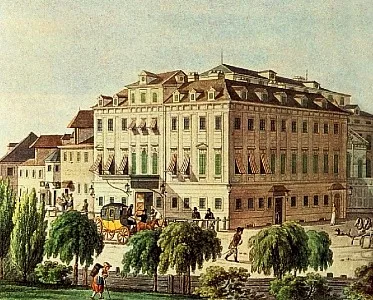
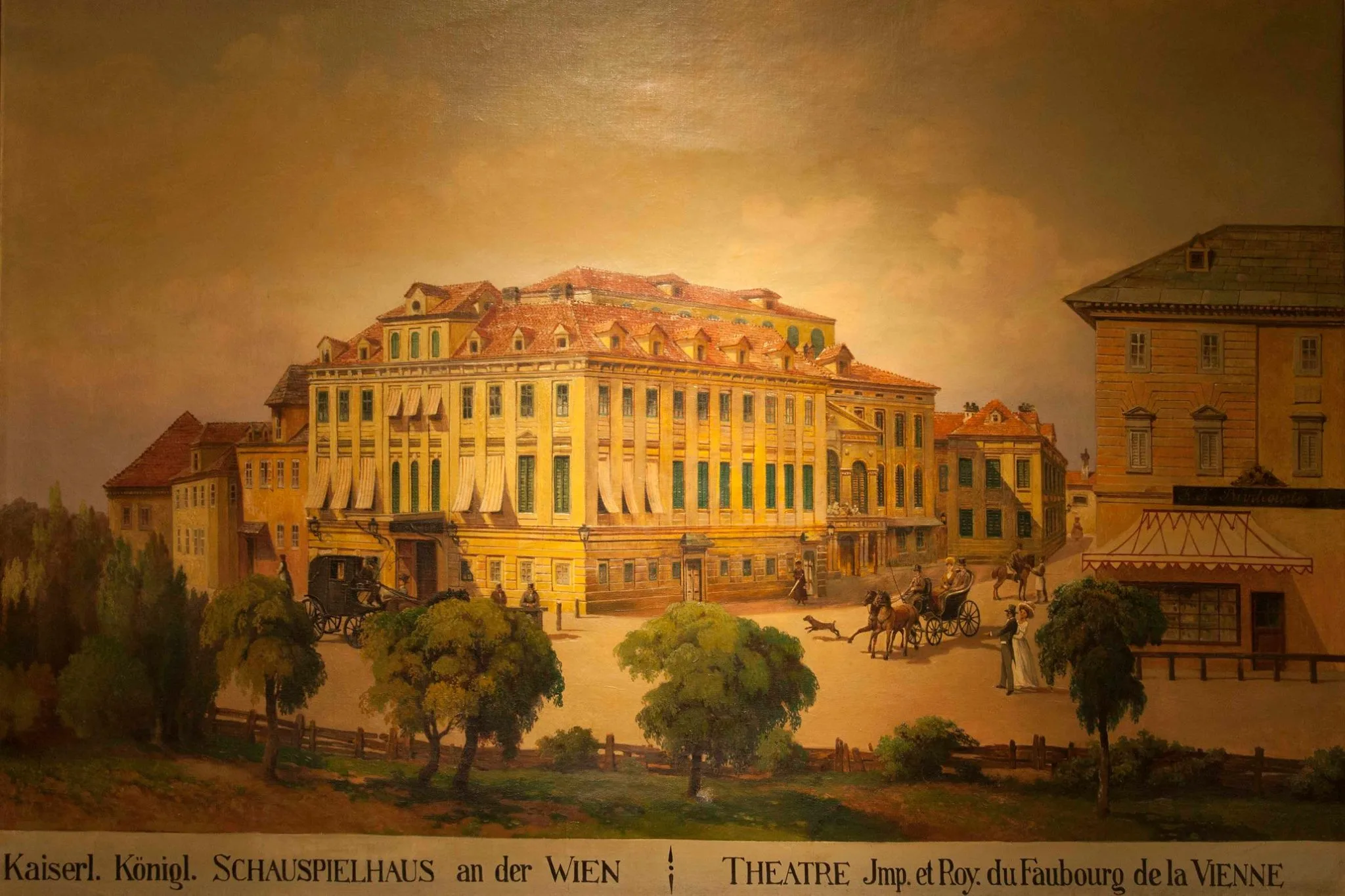
- December 22, 1808, Theater an der Wien, Vienna
Ludwig van Beethoven (conductor) - Dedication
- Prince Lobkowitz and Count Razumovsky
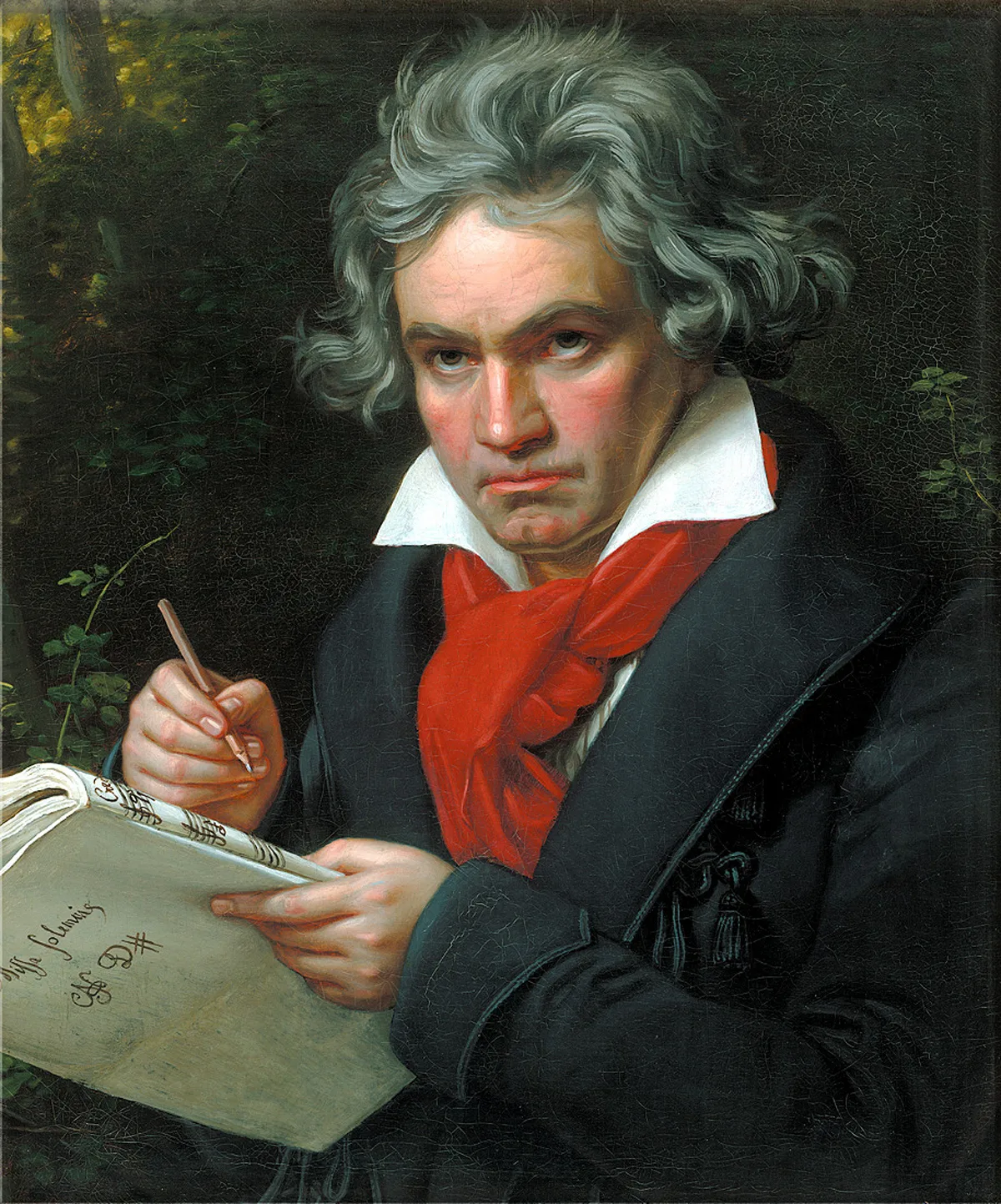
Written by a man who could no longer hear the birds
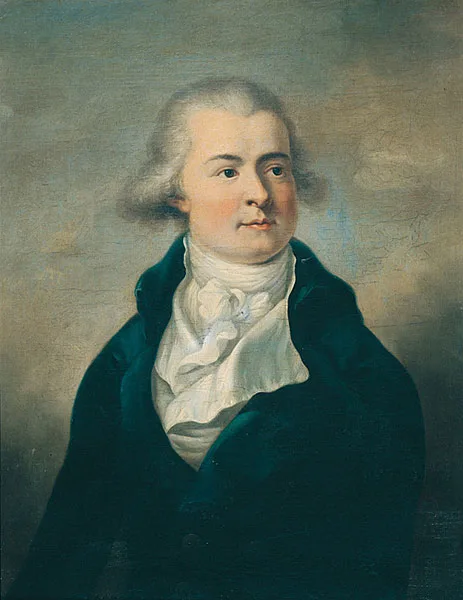
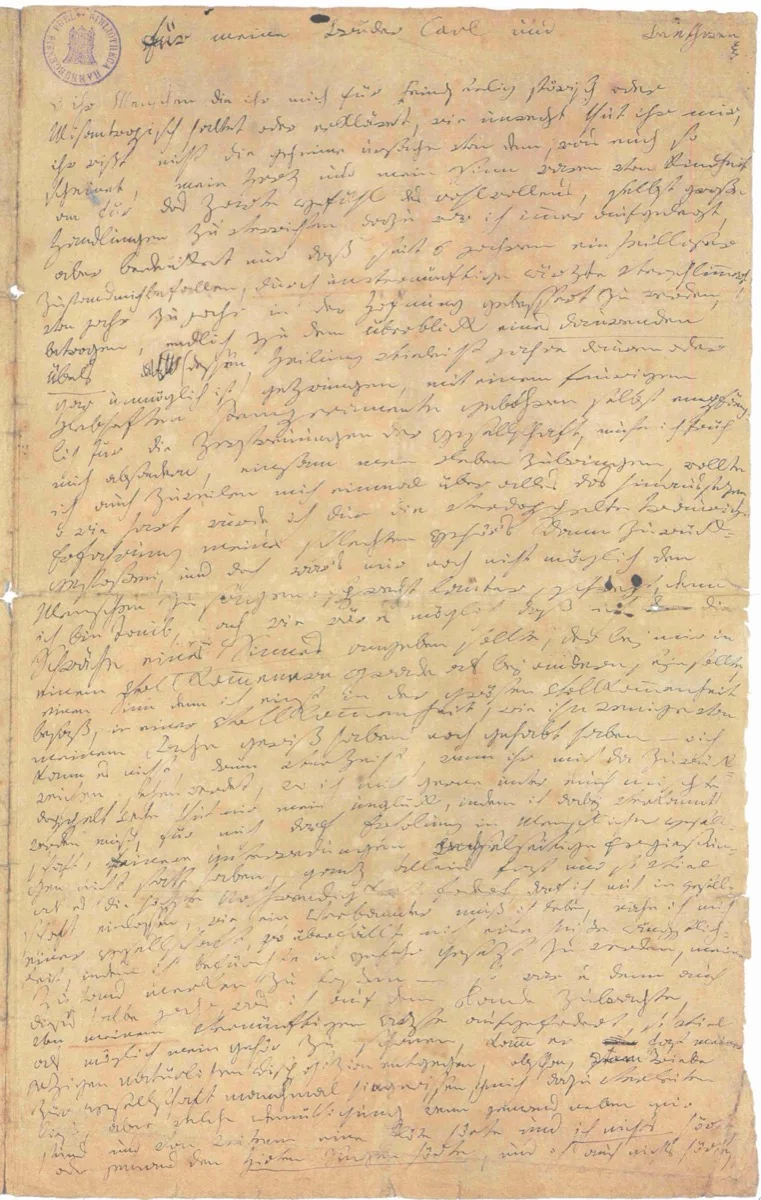
In 1802, Beethoven wrote a letter he never sent. Addressed to his brothers and discovered only after his death, the Heiligenstadt Testament is one of the most raw documents in music history — a man confessing that he had seriously considered ending his life, that the humiliation of pretending to hear what he could not hear had nearly broken him. What kept him going, he wrote, was the art he had not yet finished.
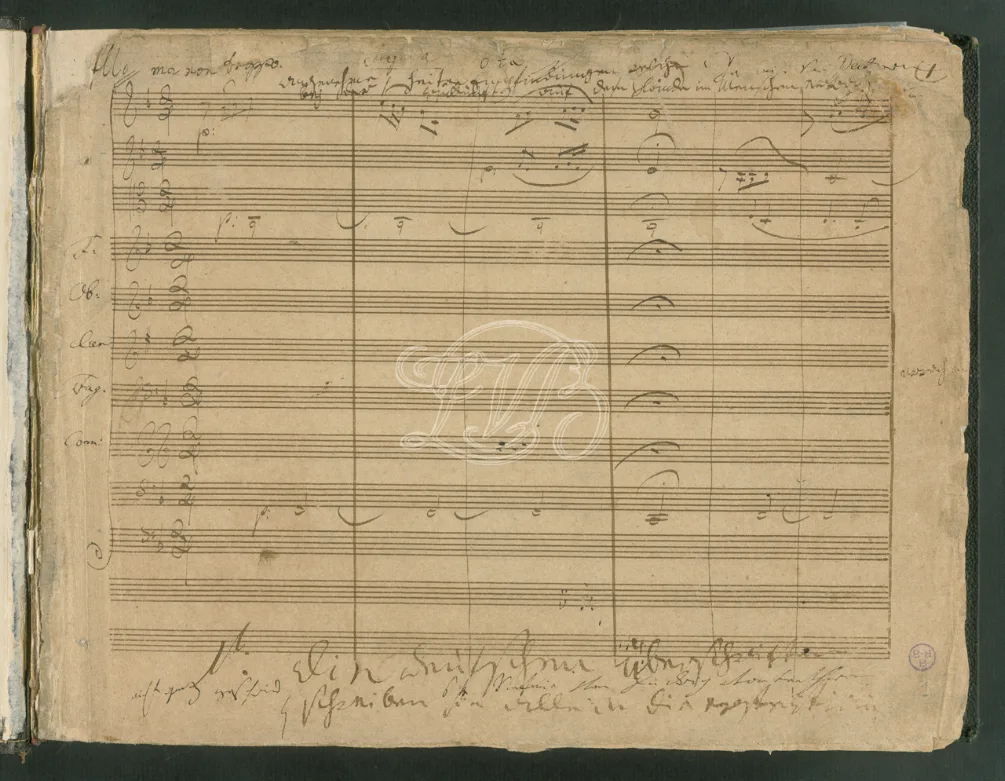
Six years later, from that same village outside Vienna, came the Pastoral Symphony. Beethoven wrote directly on the score: “Pastoral Symphony, or recollections of country life — more an expression of feeling than painting.” Not a landscape. Not a nature documentary. A record of what it felt like to stand inside a world that was going quiet, and find it still beautiful.
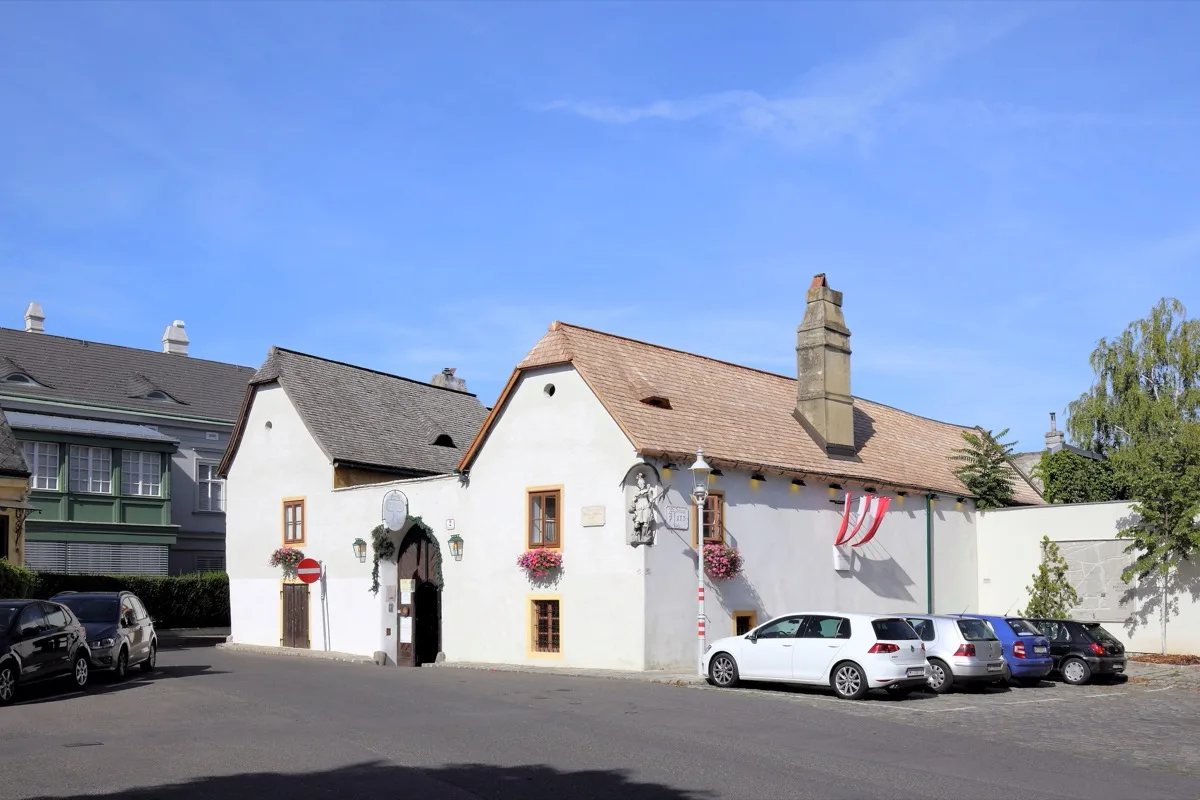
Heiligenstadt: where the trees talked back
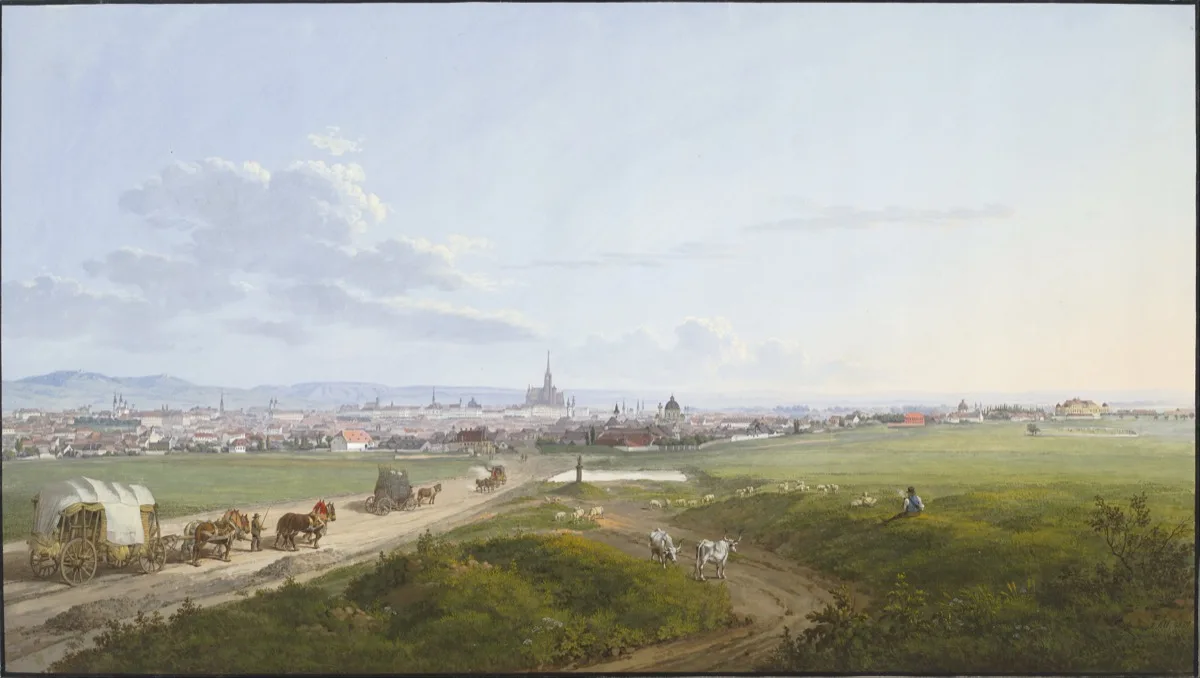
Beethoven’s relationship with the natural world was not casual. He walked for hours through the countryside around Vienna — through forests, along streams, across fields — and he kept notes. In his sketchbooks, between musical fragments, he wrote things like: “In the forest — I am happy — the trees speak through you — O God! — how glorious.” That is not the writing of a man who merely liked fresh air. That is devotion.
Heiligenstadt, in what is now Vienna’s 19th district, was his annual summer retreat. The village had clean air and quiet. Beethoven went there to compose and to treat his ears — unsuccessfully. The irony that settled over the Pastoral Symphony is this: the birds, the brook, the distant storm in the symphony were composed by a man who could no longer hear them properly. What the symphony captures is not quite the sound of nature but the memory of it, the longing for it — a reconstruction made by a mind that knew exactly what it was losing.
His sketchbooks from the period show that ideas for the symphony appeared as early as 1803 or before, years ahead of the 1808 completion. The work was not a sudden inspiration but a long accumulation — summer walks folded into musical notation, gradually finding their form.
The night it premiered alongside the Fifth
December 22, 1808. Theater an der Wien, Vienna. Beethoven organized what might be the most overstuffed concert in classical music history: the premieres of Symphonies No. 5 and No. 6, the Piano Concerto No. 4, the Choral Fantasy, and portions of the C major Mass — in a cold, poorly lit hall, with an underprepared orchestra, running nearly four hours. Partway through the Choral Fantasy, the ensemble fell apart. Beethoven stopped them and started over from the beginning.
The order of the symphonies that night is worth noting: the Pastoral came first, the Fifth second. The numbers we use today were assigned later by the publisher, not by Beethoven. He seems to have intended the contrast deliberately: rural calm before the drive and fury of fate, or perhaps — given that hearing loss was the shared context for both — nature as refuge before nature as battlefield.
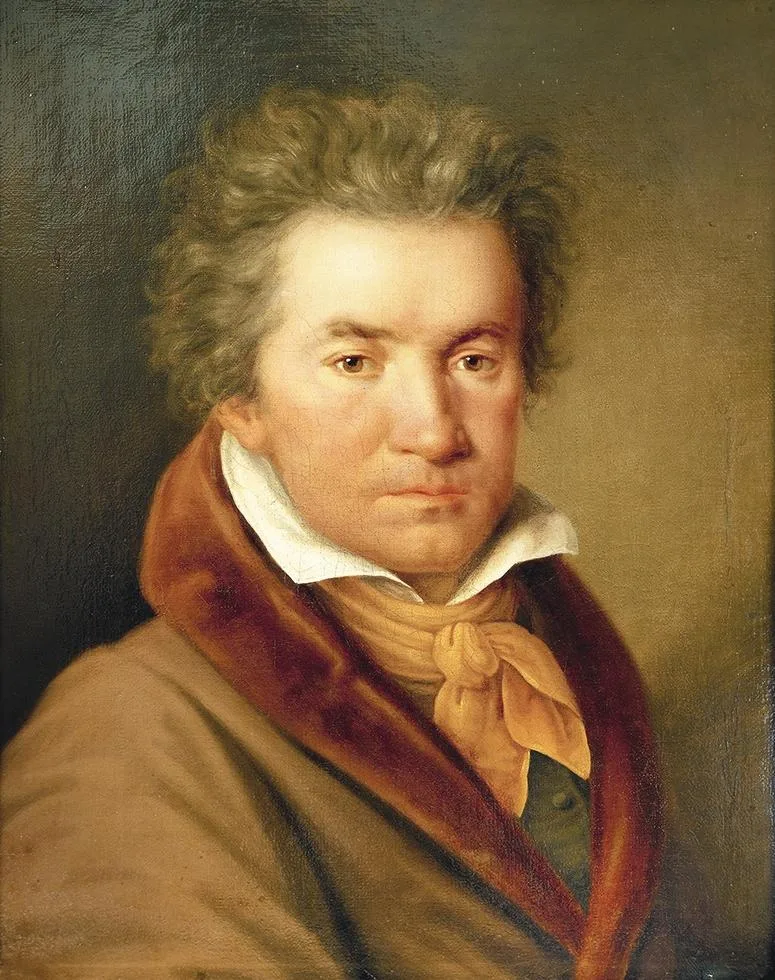
The two symphonies stand as a deliberate diptych: one shaped by tension and hard-won resolution, the other by openness and acceptance. Beethoven lived both modes simultaneously. The composer who fought his fate tooth and nail in the Fifth was also the person who found relief — real relief — in a summer walk. Both were honest.
Why five movements? The storm as structural necessity
Classical symphonies had four movements. That was the form Haydn and Mozart had built, and Beethoven himself followed it in his first four symphonies. In the Pastoral, he added a fifth — a dedicated storm movement — and connected movements three, four, and five without a break.
The reason is architectural, not decorative. Without the storm, the fifth movement’s gratitude and peace read as pleasant but lightweight. With the storm — sudden, violent, intrusive — the shepherd’s calm at the end becomes something earned. The darkness makes the light matter. Beethoven broke the formal rule because the narrative required it. The form serves the story, not the other way around.
Movements three through five play without pause. The village dancing is interrupted mid-celebration by the storm. No warning, no buffering applause. The thunder arrives while the oboes are still dancing. That discontinuity is calculated and remains startling no matter how many times you’ve heard the piece.
Movement by movement: a guided walk
Each movement carries a title in Beethoven’s own hand. These are not program notes or audience aids — they are emotional coordinates. Together they trace a complete arc: arrival, absorption, celebration, crisis, gratitude.
Movement I — Arriving, shoulders dropping
Allegro ma non troppo. F major. The first theme is almost alarmingly simple — strings repeating a brief, warm phrase, building patiently. There is no hurry here, no developmental pressure. Beethoven holds the opening theme for an unusually long stretch before it moves anywhere. This is not laziness or padding. It is the sensation of arriving somewhere and simply stopping, breathing, letting the week fall off you.
Compare the development sections of the Fifth and Sixth Symphonies: in the Fifth, the development drives through keys and dynamics like something is at stake. In the Pastoral, the development is brief and mild. There is nothing to fight. The coda settles into a steady, unhurried rhythm in the cellos and bassoons — the pulse of a place that does not run on city time.
Movement II — The brook that doesn’t stop
Andante molto mosso. B♭ major. The strings set up a continuous murmuring figure that runs throughout the entire movement without stopping — literally, like a stream. Over it, the winds carry melody. It is one of the most effortlessly beautiful pages in Beethoven’s entire output.
Near the end, Beethoven marks three instruments explicitly in the score: nightingale (flute), quail (oboe), cuckoo (clarinet). Three short calls, one after the other, before the movement ends. He was clear that this was feeling, not painting — and yet the three bird calls are one of the most delightful gestures in all of classical music. The fact that the man who wrote them could barely hear the real thing gives them an additional weight.
Movement III — Country musicians, off-beat on purpose
Allegro. Scherzo and trio form. The mood is rough and joyful — deliberate rough, as though Beethoven was mimicking the slightly loose playing of village musicians. In the trio, the oboe enters a beat late. This is not a mistake. The movement has a lovable, unpolished energy: people dancing who are not thinking about technique, just about having a good time.
And then, mid-celebration, the storm begins. There is no transition, no preparation. One moment the oboes are dancing; the next, something heavy settles in the bass and the sky changes.
Movement IV — The storm that earns everything after it
Allegro. F minor. This is the shortest movement of the five but the loudest and most disruptive. Timpani enters for the first time. Trombones enter for the first time. Piccolo cuts sharp and high. The string writing turns to rapid, swirling figures. The storm builds fast, peaks, and dissipates — all in about four minutes.
What matters most is not the storm itself but the moment it ends. As the last thunder fades, the clarinet enters quietly in the major mode, and the fifth movement begins. That single transition — from the violence of F minor to the warmth of F major, from timpani and trombones to a clarinet solo — is the emotional fulcrum of the entire symphony.
Movement V — Gratitude that arrives slowly
Allegretto. F major. The symphony ends where it started, but it doesn’t feel like going backward. The closing theme is played by a shepherd’s pipe figure in the clarinet and horn, over a gentle string accompaniment. No drama, no recapitulation of earlier tensions. Just presence. Just this.
Beethoven marked it “shepherd’s song; happy and grateful feelings after the storm.” Gratitude is specific — it implies something to be grateful for. The fifth movement works because you’ve been through the storm. Without movement four, it would be pleasant. With it, it means something. This is the logic of the entire five-movement design.
Herbert von Karajan conducting the Berlin Philharmoniker, 1962 (remastered 2024). The authority and transparency of this reading remain the reference point for large-orchestra interpretations of the Pastoral.
Expression, not painting — why Beethoven insisted on the distinction
Beethoven was protective about what the Pastoral was. “More an expression of feeling than painting” — the phrase appears on the score itself, and similar language fills his sketchbooks. He did not want the symphony read as tone-painting, as a novelty piece that made bird noises and weather. He had contempt for that kind of music.
There was a specific context for this. A composer named Justin Heinrich Knecht (1752–1817) had written a five-movement programmatic work in 1784 called “A Musical Portrait of Nature” — with movements covering arriving in the countryside, a brook scene, a peasant celebration, a storm, and a grateful calm afterward. The structure maps almost exactly onto the Pastoral. Whether Beethoven knew Knecht’s piece is uncertain. What is certain is that the style it represented — literal, picturesque, nature-as-catalog — was exactly what Beethoven wanted to transcend.
The result is a symphony in which the bird calls are not ornithology but memory, the storm is not meteorology but emotion, and the calm at the end is not an absence of weather but an experience of relief. Beethoven wrote himself into the landscape rather than drawing a picture of it.
The orchestration: how silence and sound map the landscape
Beethoven’s scoring choices in the Pastoral are deliberate almost to the point of being architectural. For the first three movements, the orchestra is relatively small — winds, horns, and strings, with no trumpets, timpani, or trombones. The sound is transparent, airy. Then in movement four, the full forces arrive at once: timpani, trumpets, two trombones, and piccolo, all entering for the first time simultaneously. The effect is a tonal sky change. When the storm passes and movement five begins, the orchestra retreats to something softer again.
The clarinet is the warm center of this symphony — the instrument most associated with intimacy and human presence. It carries the bird calls in movement two, initiates the calm at the opening of movement five, and delivers the most personal moment in the work: a brief solo in the middle of the finale, quiet and unhurried, that sounds like a man alone in a forest at the end of a long day.
The key structure also follows a narrative logic. F major (I) → B♭ major (II) → F major (III) → f minor (IV, storm) → F major (V). The single departure into minor is the storm. Everything else is F major. The darkness is temporary. That is the argument of the symphony in tonal terms.
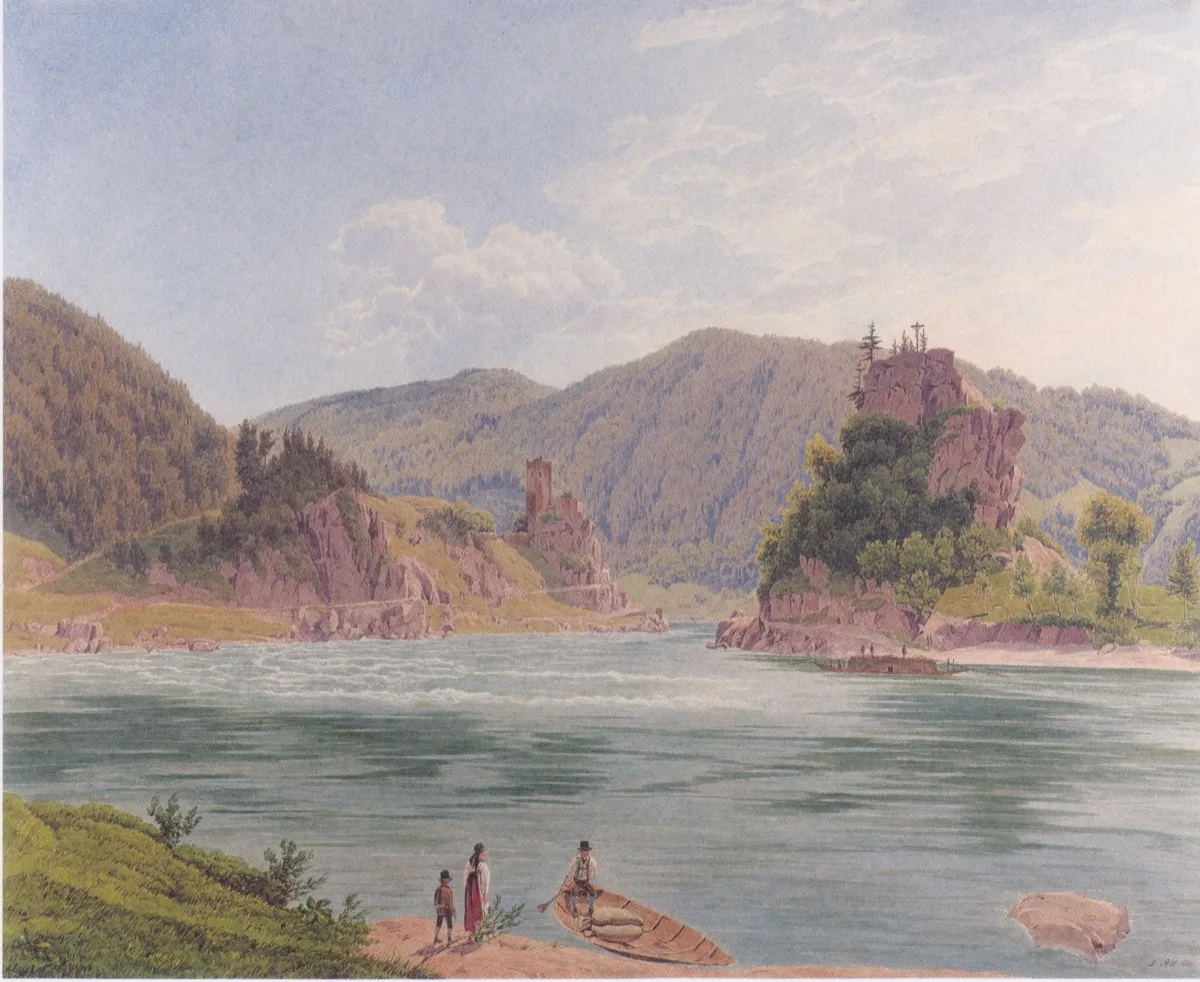
Recommended recordings
Few symphonies in the repertoire reveal a conductor’s personality as clearly as the Pastoral. The tempo of movement one tells you what kind of walk this conductor thinks they’re on. A rushed Pastoral is a contradiction in terms.
- Karajan / Berlin Philharmoniker (1962, remastered 2024) — Rich, polished, authoritative. The embed above. Sets a high bar for large-orchestra readings.
- Haitink / London Symphony Orchestra (2006) — Measured and deeply humane. Haitink was in his late seventies, conducting this symphony with the patience of someone who has nothing to prove.
- Norrington / Stuttgart Radio Symphony (period instruments, 2002) — Fast, lean, and startlingly transparent. A completely different experience from the Karajan.
- Klemperer / Philharmonia Orchestra (1957) — Slow, massive, and utterly serious. If the Pastoral can bear the weight of tragedy, Klemperer finds it.
Bernard Haitink conducting the London Symphony Orchestra, 2006. A late-career reading of rare patience and depth — Haitink finds gravity in the Pastoral without disturbing its fundamental ease.
Follow the Score
The full score is freely available at IMSLP.
→ View the score on IMSLP
Frequently Asked Questions
How long is Beethoven’s Pastoral Symphony?
Between 38 and 43 minutes, depending on the performance. Period-instrument or faster-tempo recordings can come in under 38 minutes; slower, more expansive readings run up to 45. For comparison, the Fifth Symphony typically takes 30–35 minutes. The Pastoral’s five movements account for much of the extra time.
Why does the Pastoral Symphony have five movements instead of four?
Beethoven added a separate storm movement (IV) to make the finale’s gratitude and peace structurally earned rather than merely pleasant. Without the storm, the fifth movement is agreeable. With it, the calm feels like a resolution. Movements III, IV, and V are played without pause — the continuity is part of the design, making the storm’s arrival and departure more visceral.
Is the Pastoral Symphony programmatic?
Beethoven insisted it was not — at least not in the tone-painting sense. He wrote “more an expression of feeling than painting” on the score. Each movement has a descriptive title, and there are literal bird calls in movement two, but his goal was to capture how it felt to be in nature, not to document it. Scholars sometimes describe it as “characteristic” music — using imagery to convey psychological states rather than photographic representations.
When was the Pastoral Symphony first performed?
December 22, 1808, at the Theater an der Wien in Vienna. Beethoven conducted. The same concert included the premiere of the Fifth Symphony, the Piano Concerto No. 4, the Choral Fantasy, and portions of the Mass in C. The concert ran nearly four hours in a cold hall, and the orchestra was undertrained. The Choral Fantasy had to be restarted mid-performance. By most accounts, it was a difficult evening. The music survived anyway.