- Composer
- Beethoven
- Work
- Piano Concerto No. 1 in C major, Op. 15
- Key
- C major
- Composed
- 1793–1798 (first sketches c. 1793)
- Movements
- 3 movements
I. Allegro con brio (C major)
II. Largo (A♭ major)
III. Rondo: Allegro scherzando (C major) - Instrumentation
- solo piano, flute 1, oboe 2, clarinet 2, bassoon 2, horn 2, trumpet 2, timpani, strings
- Premiere
- March 29, 1795
Burgtheater, Vienna
Soloist: Beethoven (piano)
The “Number 1” Misconception
Let’s get one of the most famous mix-ups in music history out of the way first.
This is Beethoven’s Piano Concerto “No. 1.” The name implies it was his first. It wasn’t. The piece we now call Piano Concerto “No. 2” was actually finished earlier. This C major concerto came later. When both were published at the same time, the publisher simply made a judgment call. They slapped the “No. 1” label on the more polished, ambitious piece and gave the older one the “No. 2” spot.
So, from the very beginning, the number was just a marketing tag.
The publisher, Artaria, had a simple goal: lead with the work that seemed more complete and more likely to sell. Beethoven didn’t argue. He probably agreed with them. He knew the C major concerto was the stronger of his early works.
That judgment call from over 200 years ago still holds up. When someone says “Beethoven’s First Piano Concerto,” everyone thinks of this piece in C major. The actual first one, No. 2, is rarely sought out by anyone but dedicated fans. A single digit changed the course of a composition’s life.
Because it was labeled “No. 1,” it got performed first, recorded first, and reviewed first. The number literally shaped its destiny. We’ll never know if Beethoven was grateful for the publisher’s decision, but the result was exactly what he would have wanted.
The Ambition of a Young Man at the Keyboard in Vienna
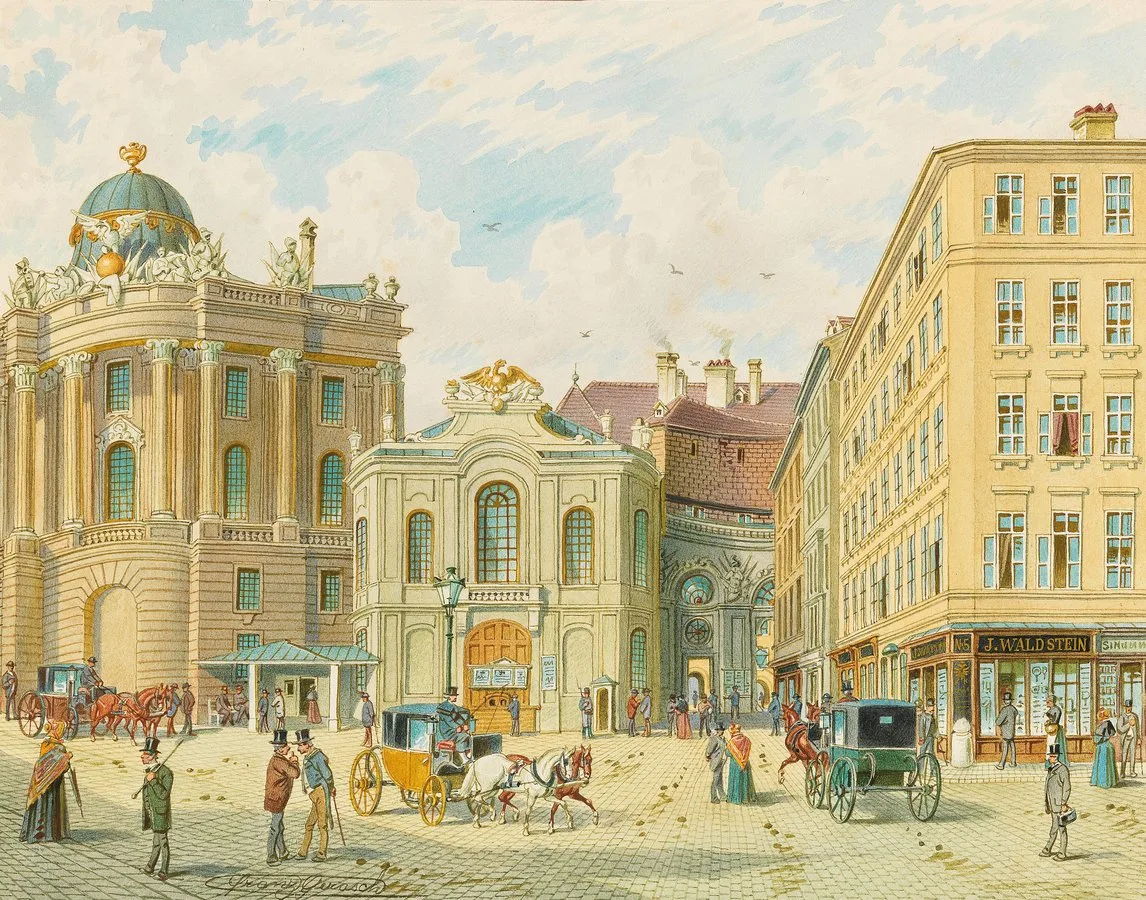
It’s March 1795. A 24-year-old Beethoven walks onto the stage of Vienna’s Burgtheater. He’s been in the city for three years as a student of Haydn, just starting to build a reputation as a ferocious pianist. The piece he’s about to premiere is this very concerto, Op. 15.
At the time, Beethoven was a master of improvisation. He could sit at a piano and captivate an audience without any sheet music. He was the undisputed champion of “piano battles,” the musical duels where pianists would try to outplay each other. Vienna’s aristocratic salons were all competing to book him. A premiere of his own concerto, with himself at the piano, was the perfect platform to showcase his dual talents. The orchestra lays the groundwork, and then Beethoven, the soloist, makes his grand entrance. The audience witnessed the composer and performer as one.
But he didn’t write this piece in Vienna. He had sketched out a first draft back in his hometown of Bonn and then revised it relentlessly in Vienna. Even after the 1795 premiere, he kept tinkering. The version he performed in Prague in 1798 is the closest to what we hear today. It wasn’t published until 1801, meaning the work was in development for nearly a decade.
That decade matters because you can hear it in the music. The concerto is a documented hybrid of his early ideas and his more mature revisions, with sketches dating to 1793 and final revisions made as late as 1800. In some passages, you can hear the influence of Haydn and Mozart. In others, you can hear the seeds of what would later become the “Emperor” Concerto.
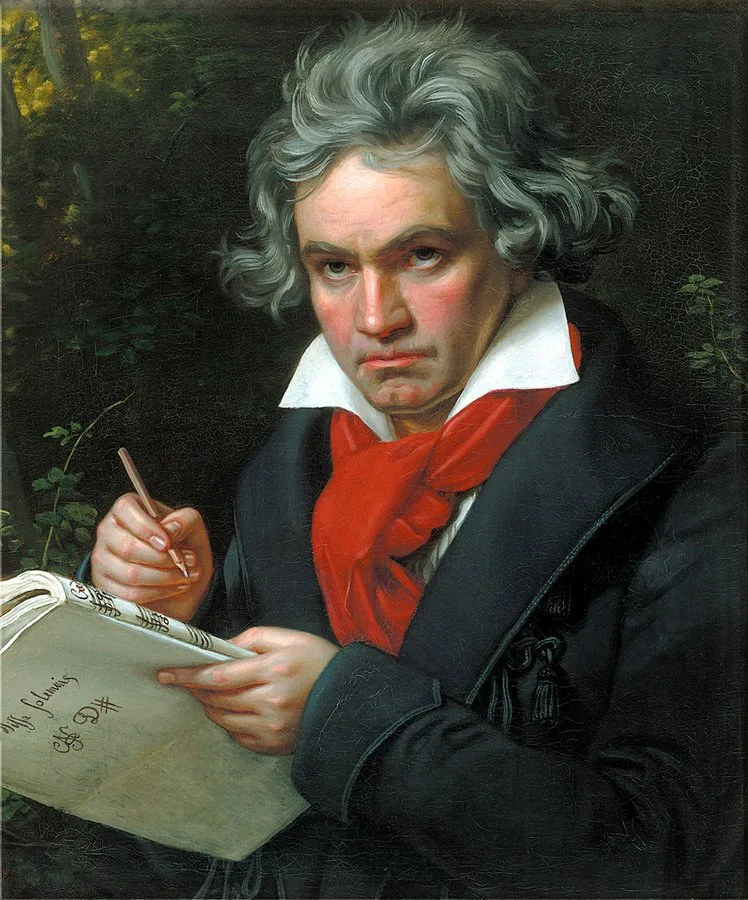
One thing that often strikes listeners is the sheer scale and ambition of the first movement. It feels too big, too bold for a composer in his early twenties. It holds its own against Mozart’s concertos and, in some moments, is far more aggressive. This is the sound of Beethoven strategically crafting a piece to solidify his reputation in Vienna.
One more thing. For the premiere, Beethoven didn’t write out the cadenza—the big solo near the end of the first movement. He improvised it on the spot. This was standard practice for virtuosos back then. For the first few years, the cadenza was likely different at every single performance. The ones in modern printed scores were written down much later. Beethoven actually wrote several, but the one from 1809 is the most commonly played. This concerto, then, acts as a bridge between two different moments in time: the live improvisation of the premiere and the written reflection of 1809, when his hearing was nearly gone.
A Movement-by-Movement Guide
Mvt. 1: The Orchestra Sets the Table for 16 Minutes
The first movement is long and structurally dense. At around 16 minutes, it’s a hefty opener for a concerto.
It begins with only the orchestra. For nearly two full minutes, it lays out the themes, develops them, and sets the mood, all without the piano. Then, the piano enters. All by itself. As the orchestra steps back, the piano runs up a C major scale, a clear declaration of “Okay, my turn.”
He learned this structure from Mozart: orchestral intro, then soloist’s entrance. It’s a classic formula. But Beethoven messes with the formula. The piano doesn’t just repeat the themes the orchestra presented. It twists them. It makes them different, more personal. If Mozart treated the orchestra and soloist as partners in conversation, Beethoven puts the soloist in the spotlight as the main character.
The crucial moment of the movement comes late in the development section. The music wanders through different keys before landing in a tense C minor. A major-key concerto suddenly takes a dark turn. From there, the piano quietly builds tension before pulling everything back to C major. It is the most dramatic sequence in the entire movement, and it feels like everything leading up to it was just preparation for this one event.
And then comes the cadenza. This is the unaccompanied solo where the pianist shows off. The main cadenza Beethoven wrote for this movement is… strange. It’s much darker and more technically demanding than the rest of the movement. He wrote it in 1809, by which point he was almost completely deaf. This is the sound of a composer losing his hearing, adding a postscript to a work from his youth. The weight of that is palpable.
There’s a passage in the cadenza where the piano pounds out heavy, low chords—a darkness that appears nowhere else in the original piece. The Beethoven of 1795 would never have written this. Only the Beethoven of 1809 could have. The two time periods coexist in the same score.
Comparing how modern pianists handle this reveals strikingly different interpretive choices in tempo, cadenza selection, and orchestral balance. Some try to match the original mood, playing it as brightly as possible. Others lean into the 1809 weight, delivering a much darker performance. The results are wildly different. It’s the same piece of music, but it becomes a totally different concerto depending on the interpretation. Krystian Zimerman and Leonard Bernstein go for the dark route; Murray Perahia is closer to the light. If you’re new to the piece, try listening to both versions and pausing right at the cadenza to compare.
Mvt. 2: A-flat Major, a Strangely Serene Other World
When the second movement starts, something feels off.
The concerto is in C major, but this movement is in A-flat major. These two keys are not closely related. For 1795, this choice was pretty radical. Haydn would have picked a related key like F major or A minor. So would Mozart. Beethoven, instead, jumped to a key a major third below.
The result is stunning. The confidence of the first movement vanishes, replaced by an otherworldly calm. The piano moves as if walking on water, supported by a cushion of strings. The tempo marking is Largo, as slow as it gets. But it doesn’t just feel slow; it feels like it’s floating.
There’s a theory that this movement directly influenced Chopin’s nocturnes. Once you hear it, it’s a persuasive idea. The structure—a singing right-hand melody over a rhythmic left-hand accompaniment, with long, lyrical lines—sounds like a blueprint for the nocturne.
The mood darkens briefly in the middle section. The key shifts to minor, and the piano’s figures become more complex. The clarinet and bassoon whisper to each other, and then the music returns to A-flat major. It’s like a brief moment of cloudy weather before the sun comes out again. The whole movement is about 10 minutes long, but it feels much shorter.
One last detail: at the very end, as the piano quietly finishes its melody, the orchestra delivers the final chord with incredible softness. It’s not a grand finale. It’s like closing a door without a sound. And then, the third movement bursts in with cheerful energy. The contrast is intense.
Mvt. 3: The Mischief of Beethoven’s Twenties
The third movement is bright and fast. It’s a rondo—a form where the main theme keeps returning—and Beethoven added the instruction scherzando, meaning “playfully.”
And it is absolutely playful. It’s full of mischief. The piano throws out a theme, the orchestra catches it, and the piano throws it back in a new variation. The exchange feels less like a formal dialogue and more like a game. The weight of the first movement and the introspection of the second are completely gone. This is the one part of the concerto where you can just lean back and smile.
There’s a moment in the middle where the piano pushes through a virtuosic passage and then suddenly stops. The orchestra stops with it. A brief silence hangs in the air. And then they’re off again. This “stop-and-go” structure is designed to toy with the audience. Just when you think it’s about to end, it takes off again.
A rondo is basically an A-B-A-C-A structure. You hear the main theme (A), then a new idea (B), then A comes back, then another new idea (C), then A returns one last time. For a first-time listener, it creates a feeling of, “Hey, I think I’ve heard that melody before.” You have. That’s the main theme. The fun of a rondo is hearing how that theme is decorated and developed each time it reappears.
Beethoven loved using rondos for his finales. The third movements of his Fourth and Fifth piano concertos are also rondos. He clearly liked ending on a high-energy, cheerful note. For the audience, after a heavy first movement and a profound second, this bright finale is a welcome release. That was exactly the effect Beethoven was aiming for.
The woodwind solos here are short but memorable. A clarinet or bassoon will briefly take the melody before the piano snatches it back. It’s a series of micro-conversations between the piano and individual instruments, not the full orchestra. These delicate dialogues, repeated throughout, add a surprising depth to the otherwise boisterous movement.
The ending is especially clever. As the music heads toward its conclusion, the piano suddenly slams on the brakes, slowing to an Adagio tempo. The orchestra pauses, and the piano plays a few improvisatory-sounding bars by itself. Then, without warning, it explodes into a Presto (very fast) tempo and races to the finish line. What must the audience’s reaction have been when Beethoven himself played this at the premiere? Probably a mix of laughter and cheers.
The Cadenza: A Time Capsule
The most bizarre part of this concerto is the cadenza we touched on earlier.
In 1809, at the request of his student Archduke Rudolf, Beethoven wrote a new cadenza for the first movement of this piece. It was an unaccompanied solo section added to his own concerto, written 14 years prior. But when you listen to it, the mood is completely different from the original work.
Nowhere else in the first movement does the music get this dark. But the 1809 cadenza features a sudden, dramatic plunge into C minor. The technical demands are also far greater. It’s as if Beethoven opened the score to his youthful work and added something the 1795 version of himself could never have written.
By 1809, Beethoven’s hearing loss was nearly total. He wrote this cadenza for a 24-year-old’s concerto while living in a world of near silence. He was, in effect, putting a final period on a sentence he had started when his hearing was perfect.
Pianists today still play that cadenza. Zimerman, Perahia, Argerich—they all use it. This moment, where 14 years of life and two different Beethovens coexist in a single score, is the most dramatic part of the entire concerto.
A Conversation with Mozart—and a Step Beyond
When you listen to this concerto, one name keeps coming to mind: Mozart.
Beethoven studied Mozart’s concertos obsessively. Much of what he learned in Vienna was the grammar of Mozart’s concerto style. His task as a young composer was to use that grammar to write his own sentences. That’s not easy. You have to borrow a giant’s language to find your own voice. What makes this concerto so exciting is that you can hear that process happening in real-time on the page.
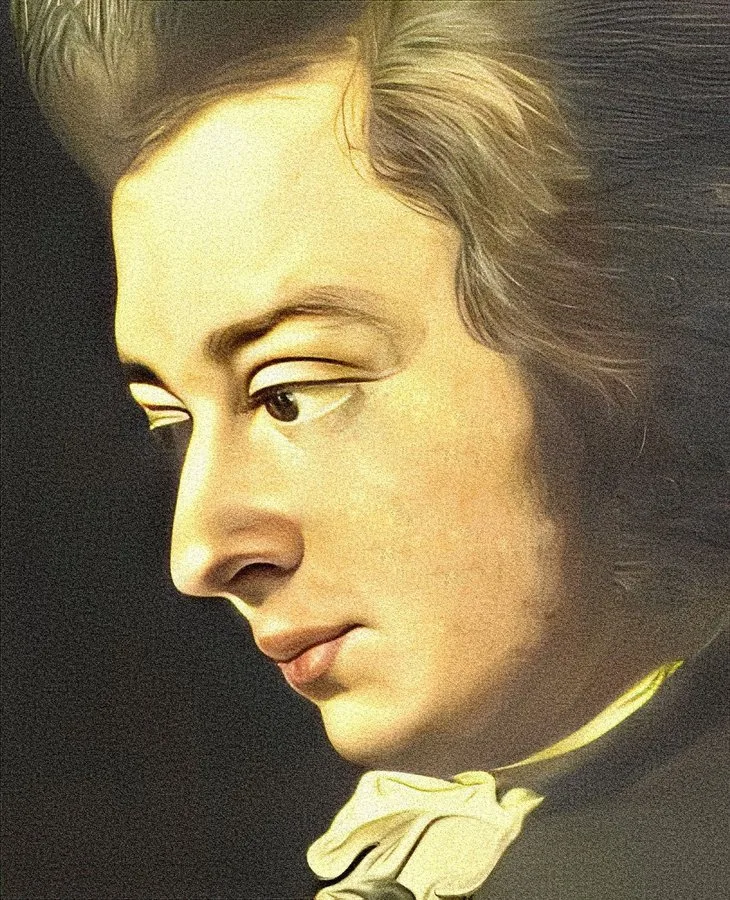
When Beethoven first arrived in Vienna in 1792, Mozart was already gone, having died in December 1791. Beethoven never truly met him as a peer. There are stories of a brief encounter when Beethoven was sixteen, but the details are hazy. By the time Beethoven entered the Viennese music scene, Mozart wasn’t a living person; he was a legend to be overcome.
The pressure was most intense in the piano concerto genre. Mozart’s 27 concertos had already set the standard and defined the rules. To do something new, Beethoven had two choices: either break the form completely or find a new voice within it.
He chose the second path. The structure is purely classical: orchestral introduction, soloist’s entrance, development, recapitulation, cadenza. It’s all there. But the content inside that structure is different. The way the piano interacts with the orchestra, the boldness of the key changes, and above all, the presence of the soloist. In a Mozart concerto, the soloist is a partner in conversation. In a Beethoven concerto, the soloist is the hero.
This shift sent ripples through the entire genre. The concertos of Chopin, Schumann, Brahms, and Tchaikovsky all followed the path Beethoven laid out.
In Mozart’s time, the soloist and orchestra were equals. After Beethoven, the soloist became the star of the show, and the orchestra’s role shifted to support that star. This is the basic template for the Romantic concerto. Chopin’s piano concertos are often criticized for having a “weak” orchestra, but he was just pushing Beethoven’s model to its extreme: the pianist is everything, and the orchestra is the backdrop. One of the starting points for that trend is Beethoven’s Piano Concerto No. 1.
Of course, Beethoven himself continued to refine this approach. In his Fourth Concerto, he re-emphasized the dialogue with the orchestra. In his Fifth, the “Emperor,” he gave the concerto a weight and scale that was almost symphonic. This piece, No. 1, is the starting point for that entire evolution.
Here’s an interesting comparison: place Mozart’s Piano Concerto No. 20 in D minor next to Beethoven’s No. 1 in C major. The relationship between the two composers becomes crystal clear. Mozart’s is a minor-key concerto, yet the soloist remains in a tense but balanced dialogue with the orchestra. Beethoven’s is a major-key concerto, yet the soloist is far more dominant. The brightness of the key and the power of the soloist are inversely related. That kind of inversion is pure Beethoven.
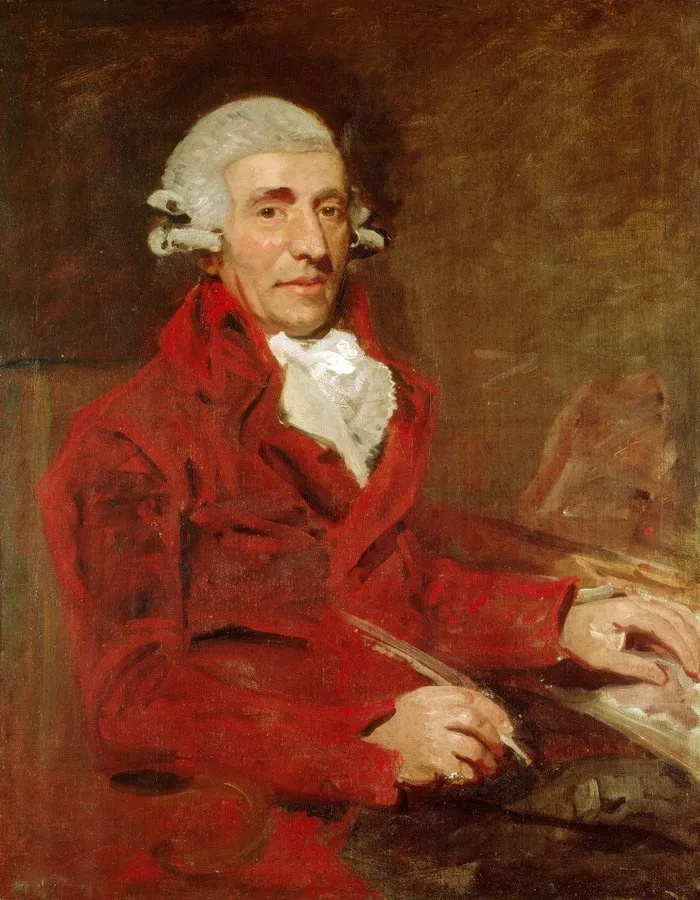
From Vienna’s Stage to Today’s: Why This Piece Endured
Of Beethoven’s five piano concertos, the most frequently performed is, without a doubt, the “Emperor” (No. 5). No. 4 is also extremely popular. No. 1 usually comes in after those two.
Recently, however, more and more pianists are choosing to perform No. 1. When asked why, they often give a similar answer: “It’s the freest one.” The “Emperor” has such a fixed performance tradition that it’s hard to deviate from the established interpretation. No. 1 is different. Audience expectations are less rigid, which gives the performer more room to inject their own personality.
You can really hear this difference in the second movement. Because of the unusual key of A-flat major, every performer interprets it differently. Some play it dreamily, as if walking through a fog. Others play it with a firm, clear-headed approach. It’s the same score, but it produces completely different worlds.
The woodwind parts are also treated differently from one performance to the next. When the clarinet and bassoon enter, some conductors bring them to the forefront, making them as prominent as the piano. Others push them into the background. That single choice can change the entire color of the movement. In a live concert, this balance is crucial—it’s where the hall’s acoustics, the orchestra’s character, and the conductor’s vision all collide.
There’s another reason this piece endures: it’s a work that truly comes alive in concert. Its structure thrives on improvisational energy—the playfulness of the third movement, the freedom of the first-movement cadenza, and all the little nuances a performer decides on in the moment. This is a piece that still carries the live-wire energy of Beethoven himself sitting at the piano, dazzling an audience. It’s why live recordings of this work are often more celebrated than studio ones.
People hearing this piece for the first time in a concert hall often say the same thing: “It was way more dynamic than I expected.” They see “early work” in the program notes and anticipate something tame, only to be met with powerful, assertive music. That surprise is part of the experience.
From a musical standpoint, this concerto marks the exact moment Beethoven finished digesting Mozart’s language and began to speak his own. By the time he wrote his Fourth and Fifth concertos, he was in a world of his own; the traces of Mozart are almost gone. But No. 1 is somewhere in between. You can hear him learning from Mozart and trying to surpass him at the same time. That’s what makes it so fun to listen to—you get two experiences at once: the language of Mozart and the will of Beethoven bending it into something new.
People who listen to all five of Beethoven’s piano concertos in order often say it feels like a single, overarching story. It starts with the energetic youth of No. 1, moves through the inner maturity of No. 4, and arrives at the majestic destination of No. 5, the “Emperor.” It’s a journey that tracks how the concerto form itself was transformed in Beethoven’s hands. No. 1 is the first sentence of that journey, and for a first sentence, it’s exceptionally well-written.
A piece of advice: try to listen to this concerto from start to finish in one sitting. The three movements are connected like a story. The energy of the first movement subsides in the second, only to re-emerge brightly in the third. If you follow that flow, you’ll get a real sense of what Beethoven was trying to do. The emotional shifts between the movements are bigger than you might expect. Being surprised by those shifts is part of the experience. Beethoven planned it that way from the start.
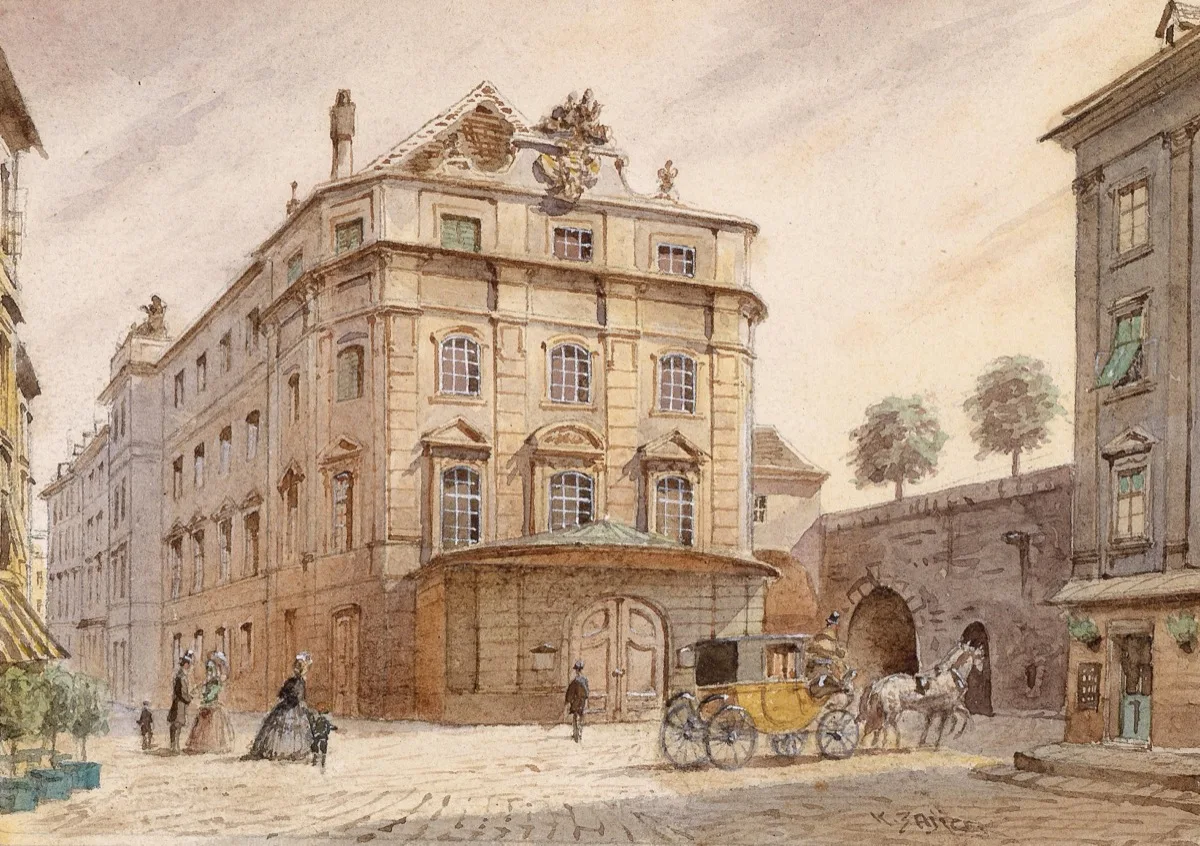
Recommended Recordings
If you’re new to this concerto, choosing a recording can be tough. Different versions are so distinct they can sound like entirely different pieces. These three recordings showcase the vast interpretive possibilities of the work.
* Krystian Zimerman / Vienna Philharmonic, conducted by Leonard Bernstein (1989, DG)
This is one of the most debated recordings ever made. Bernstein takes the concerto at a very slow pace, right from the opening bars. Zimerman matches him, and their shared breath is strangely compelling. The cadenza is thick and heavy. Some find this version ponderous and overwrought; others claim it’s the real Beethoven. There’s no right answer, but it’s a recording that will force you to have an opinion.
* Murray Perahia / Royal Concertgebouw Orchestra, conducted by Bernard Haitink (1985, CBS/Sony)
This is the polar opposite. It’s clean, crisp, and swift. Every note is perfectly in its place, with no excess. Perahia’s playing in the second movement is particularly beautiful; it’s warm without ever becoming sentimental. Haitink’s orchestral support is rock-solid, creating a flawless balance between piano and strings. Because the structure is so clear, this is often the easiest recommendation for anyone new to the piece.
* Martha Argerich (various live recordings)
Argerich has performed this piece many times, and her live recordings are more famous than any studio version. Her playing goes beyond the notes on the page. It’s freer, more spontaneous, and at times, more impulsive. This is the kind of performance that makes you imagine what it might have been like to hear Beethoven himself play it. Her 2019 live recording (with the Orchestra Scintilla) is a great example and easy to find online.
Here’s a tip for comparing them: focus on three specific moments. The 1809 cadenza in the first movement, the shift to minor in the middle of the second movement, and the stop-and-start finale of the third. Hearing how each performer makes different choices in these three spots will show you just how many ways there are to interpret this music. The fact that one score can create three completely different worlds is one of the reasons this concerto has survived for so long on the concert stage.
Listen with the Score
Following along with the sheet music can reveal a whole new layer of detail. You’ll start to notice little things—a countermelody in the woodwinds, a subtle change in harmony—that you might otherwise miss. It turns passive listening into an active exploration.
The full score is available for free on IMSLP.
→ View the score for Piano Concerto No. 1, Op. 15 (IMSLP))