Category: Orchestral Works
-
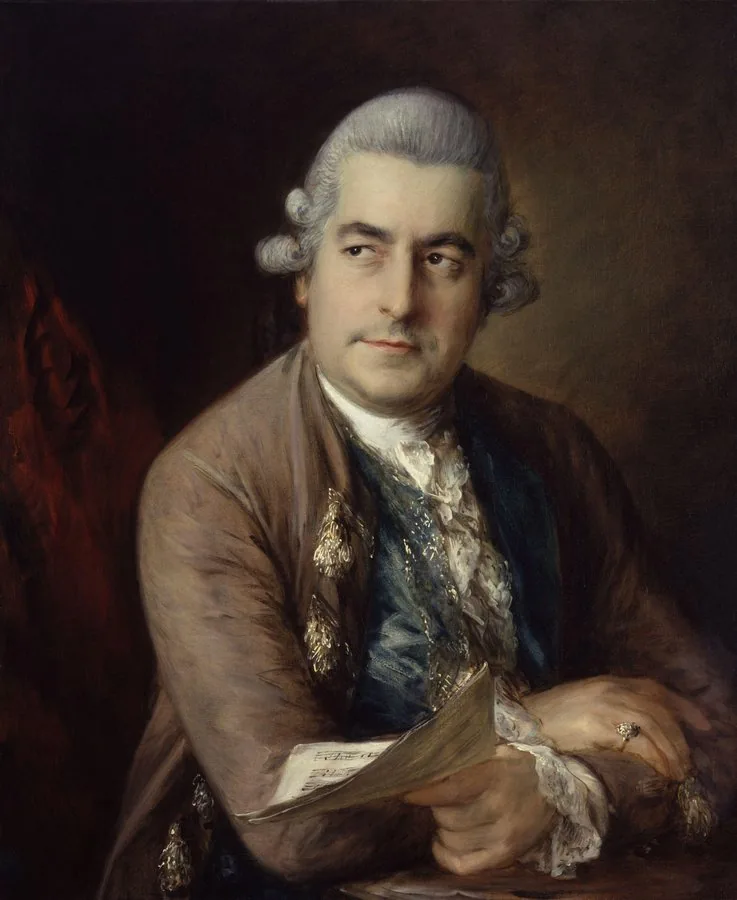
Bach’s Toccata and Fugue in D minor, BWV 565
The organ piece no one can prove Bach actually wrote
In 1981, a British musicologist published a quiet bombshell: the world's most performed organ piece might not be by Bach at all. The sole 18th-century manuscript was copied by someone two degrees removed from Bach, with no autograph in sight.…
-
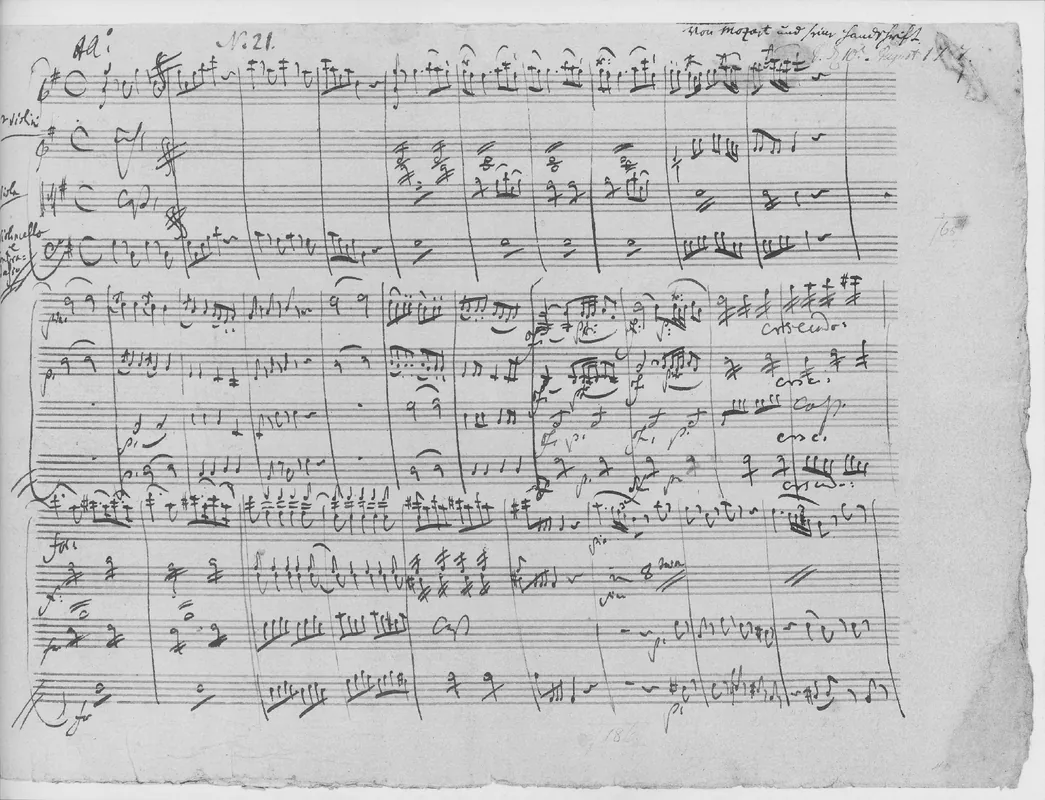
Mozart’s Eine kleine Nachtmusik, K. 525
The most famous serenade ever written — and nobody knows why Mozart composed it
On August 10, 1787, Mozart wrote a single line in his catalogue — no commissioner, no premiere, no dedicatee. The manuscript sat unseen for 36 years. The same summer he lost his father and buried himself in debt, he produced…
-
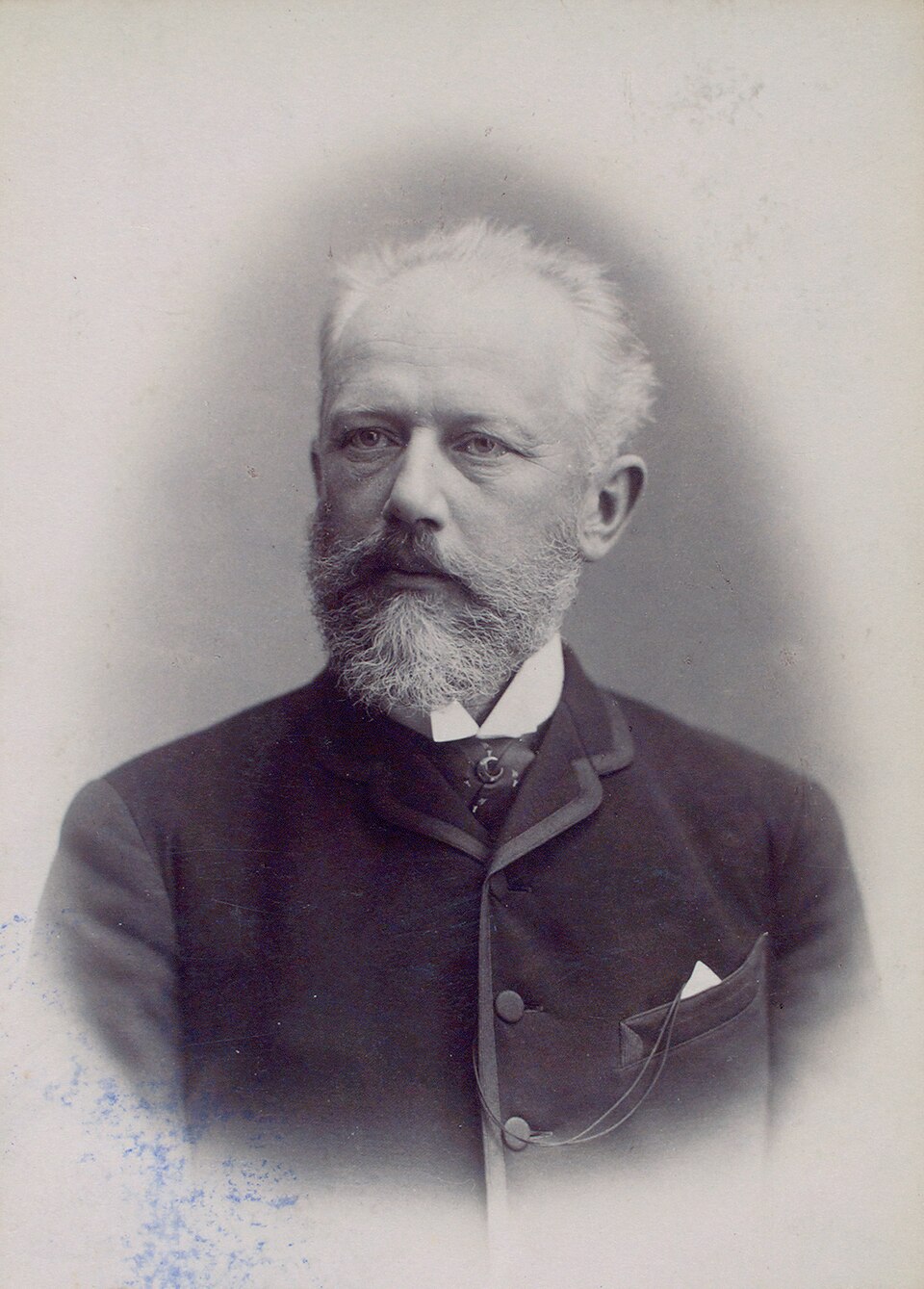
Tchaikovsky’s Serenade for Strings in C major, Op. 48
The piece nobody commissioned that outlasted the piece everyone asked for
In 1880, Tchaikovsky wrote two pieces: the commissioned 1812 Overture, which he called worthless, and the Serenade for Strings, written for no one. At its premiere, the Waltz was encored. His teacher Rubinstein declared it his best work. The 1812…
-
Beethoven’s Egmont Overture, Op. 84
The overture that turned a man's execution into a victory march
In 1809, Napoleon occupied Vienna. Beethoven stuffed pillows into his windows and started writing about a nobleman executed for defying tyranny. The overture moves from oppression to a triumphant F-major fanfare in eight minutes. But why did he open it…
-
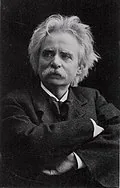
Grieg’s Peer Gynt Suite No. 1, Op. 46
The music Grieg hated — the world plays it endlessly
In 1874, Grieg told a friend Ibsen's commission was 'just too difficult.' He stalled for months. He finished it reluctantly and hated the result. Yet what he begrudged writing became one of the most-played orchestral works in history. Knowing what…
-
Weber Freischütz Overture: The Blueprint Wagner Stole
Nine minutes that taught Wagner how to write an opera
Berlin, June 18, 1821. Before the curtain rose, four horns conjured a German forest, a diminished seventh summoned the devil, and a nine-minute overture spoiled the ending. The technique became the blueprint Wagner built his career on. Weber had five…
-
Shostakovich’s Jazz Suite No. 2 — Waltz
The waltz that conquered the world under the wrong name
Shostakovich's Waltz No. 2: The World's Most Famous Impostor For decades, this waltz has captivated the entire world. It's time to uncover the truth hidden behind its famous name. The lazy, alluring melody of a saxophone drifts in, followed by…
-
Ravel’s Ma mère l’Oye — Suite
Written for two children who never got to play it
The premiere put two girls aged eleven and fourteen at the keyboard. Mimi and Jean—the children Ravel actually wrote it for—were nowhere near the stage. A fairy tale simple enough for six-year-old fingers became an orchestral suite, then a ballet.…
-
Tchaikovsky’s 1812 Overture in E-flat major, Op. 49
He dismissed it as worthless noise. It became the world's most famous overture.
Tchaikovsky wrote the 1812 Overture in six weeks under obligation and despised the result. He called it loud, artless, and written without warmth. Then the Soviet Union banned it for seventy years—in Russia—while Americans made it the anthem of their…
-
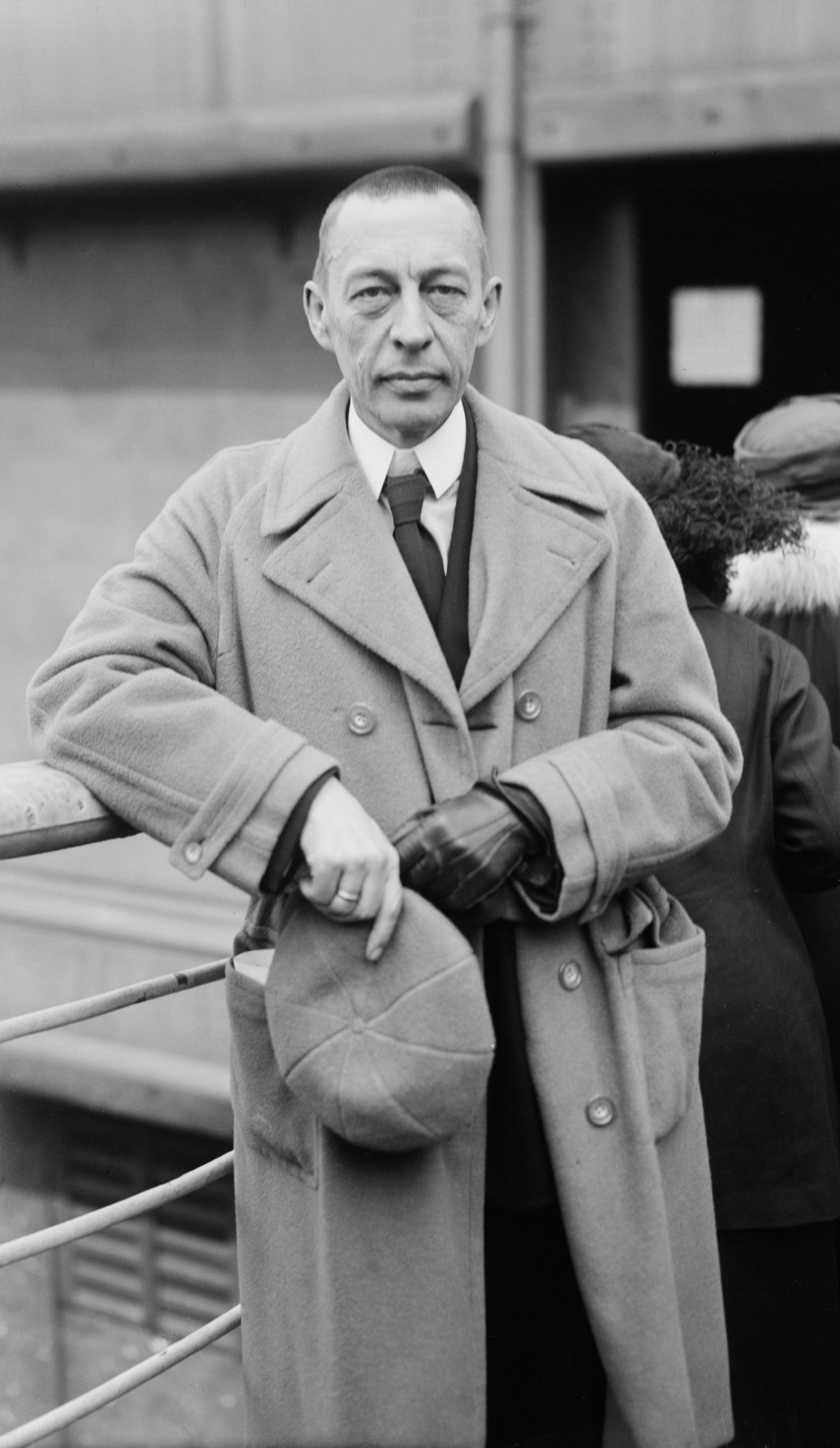
Rachmaninoff’s Symphonic Dances, Op. 45
Rachmaninoff's final masterwork — written in exile, haunted by Russia
Rachmaninoff wrote one word in the margin of his final score by hand: Hallelujah. A composer who had woven Dies Irae through nearly every major work ended his last piece not with dread but with something else. The Symphonic Dances…