Category: Orchestral Works
-
Barber’s Adagio for Strings, Op. 11
The eight-minute elegy that defines American grief
When a nation needs to grieve, it reaches for Barber's Adagio. Kennedy's assassination, 9/11, countless state funerals — this eight-minute string piece has become the unofficial sound of American mourning. Barber wrote it at 26, with no idea what it…
-
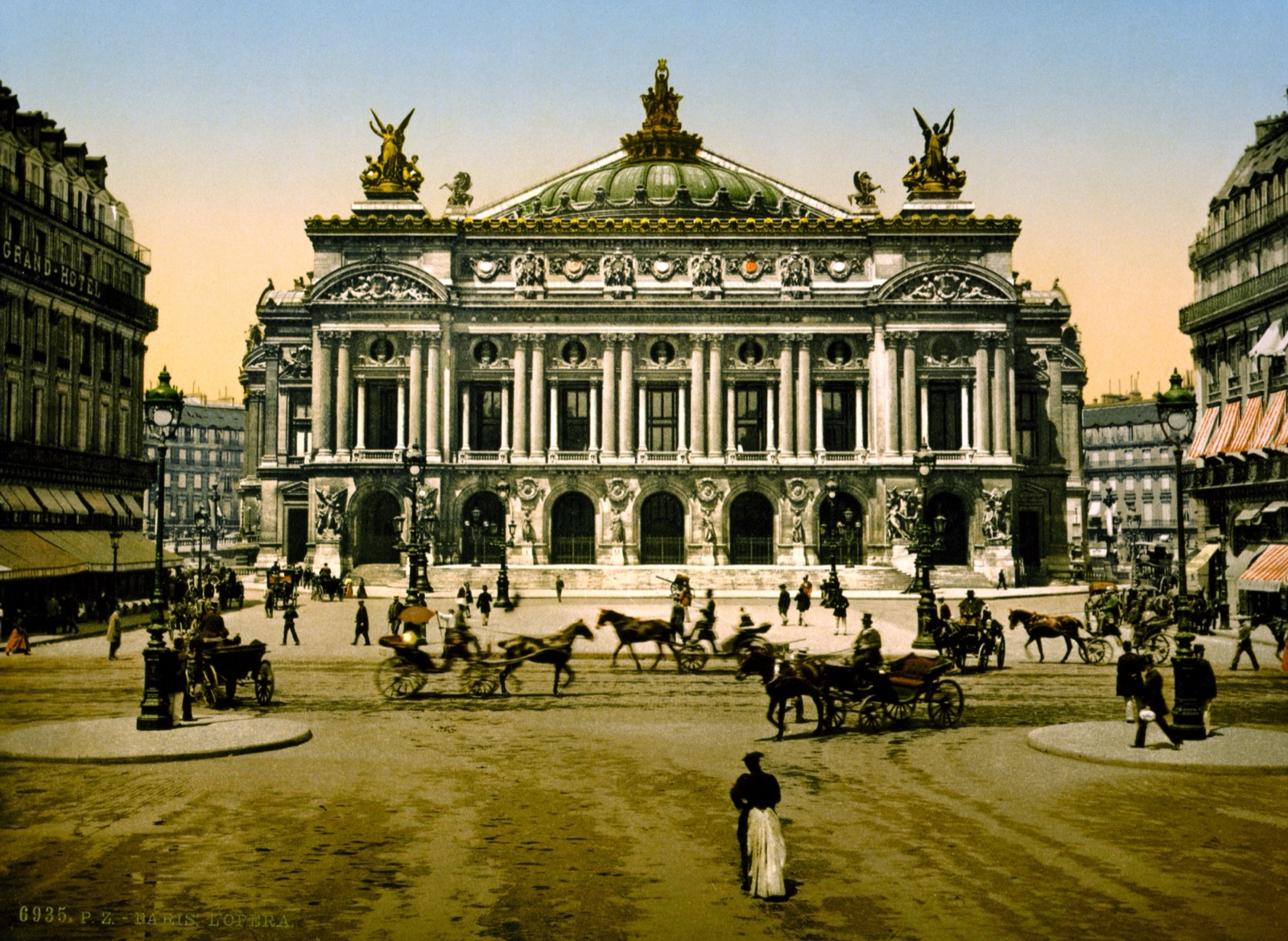
Ravel’s Boléro
One Theme — Seventeen Minutes of Obsession
In 1928, Ravel stripped the orchestra down to almost nothing — two melodies, one unchanging rhythm, one enormous crescendo. What emerged was the most performed piece of French music in history, a publishing legal battle that lasted decades, and a…
-
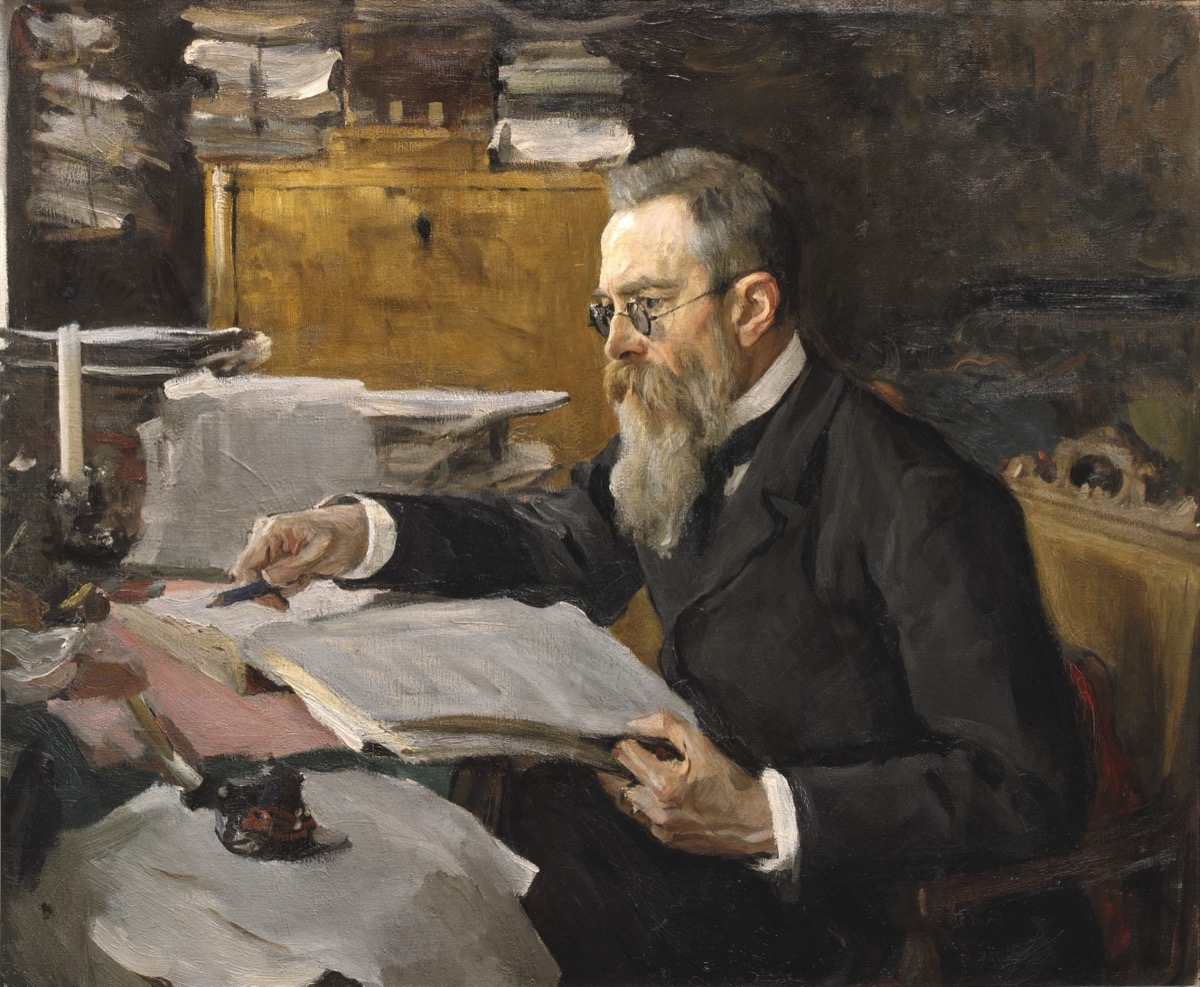
Rimsky-Korsakov’s Scheherazade, Op. 35
1001 Nights in Four Movements
Rimsky-Korsakov gave each movement a title from the Arabian Nights, then withdrew them, insisting the music must speak for itself. What remains is a solo violin narrating across four scenes of shipwrecks, festivals, and a sultan's rage, wrapped in some…
-

Debussy’s La Mer: Three Symphonic Sketches
The Sea He Painted with Sound
Debussy composed La Mer in Burgundy vineyards and an Eastbourne hotel room, summoning the ocean from memory. With Hokusai's 'Great Wave' pinned above his desk, he painted not a postcard but the sea's internal life: light on water, wind before…
-
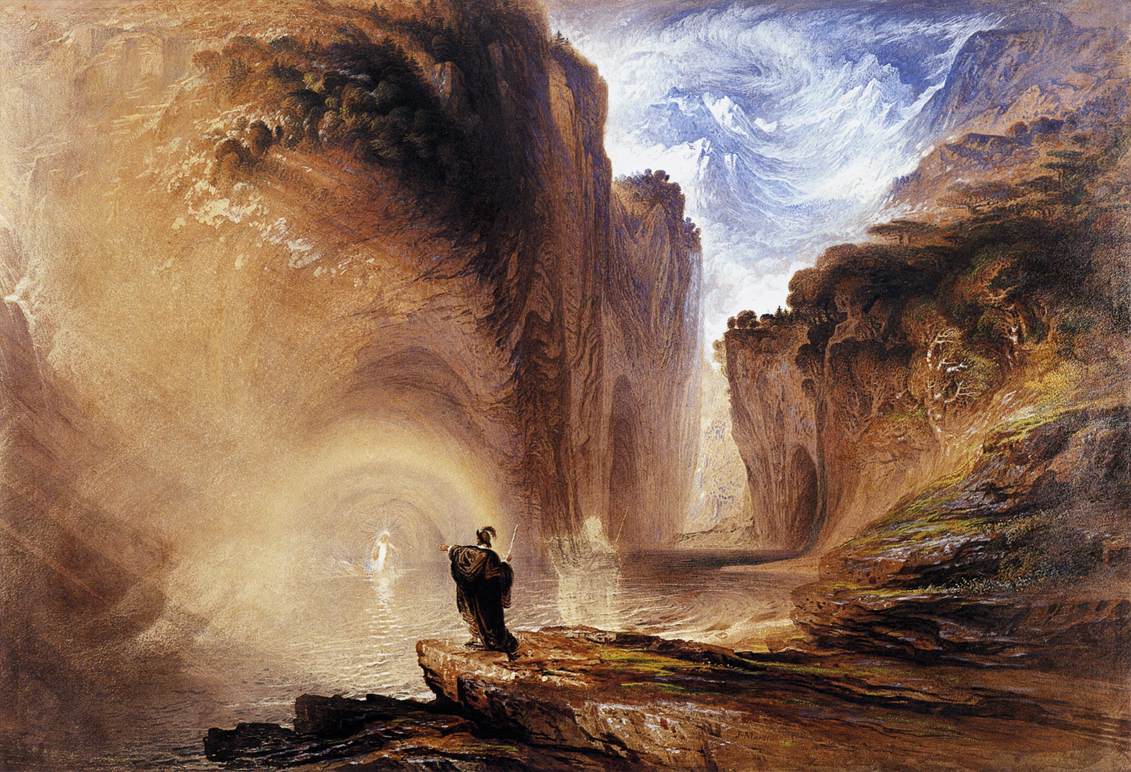
Schumann’s Manfred Overture, Op. 115
Byron's Doomed Hero Through Schumann's Eyes
In 1848, Schumann plunged into Byron's 'Manfred,' a drama about a man haunted by unnameable guilt. He saw himself in the character and wrote an overture of extraordinary psychological intensity—compressed, restless, and unresolved. The associated play is forgotten; the overture…
-
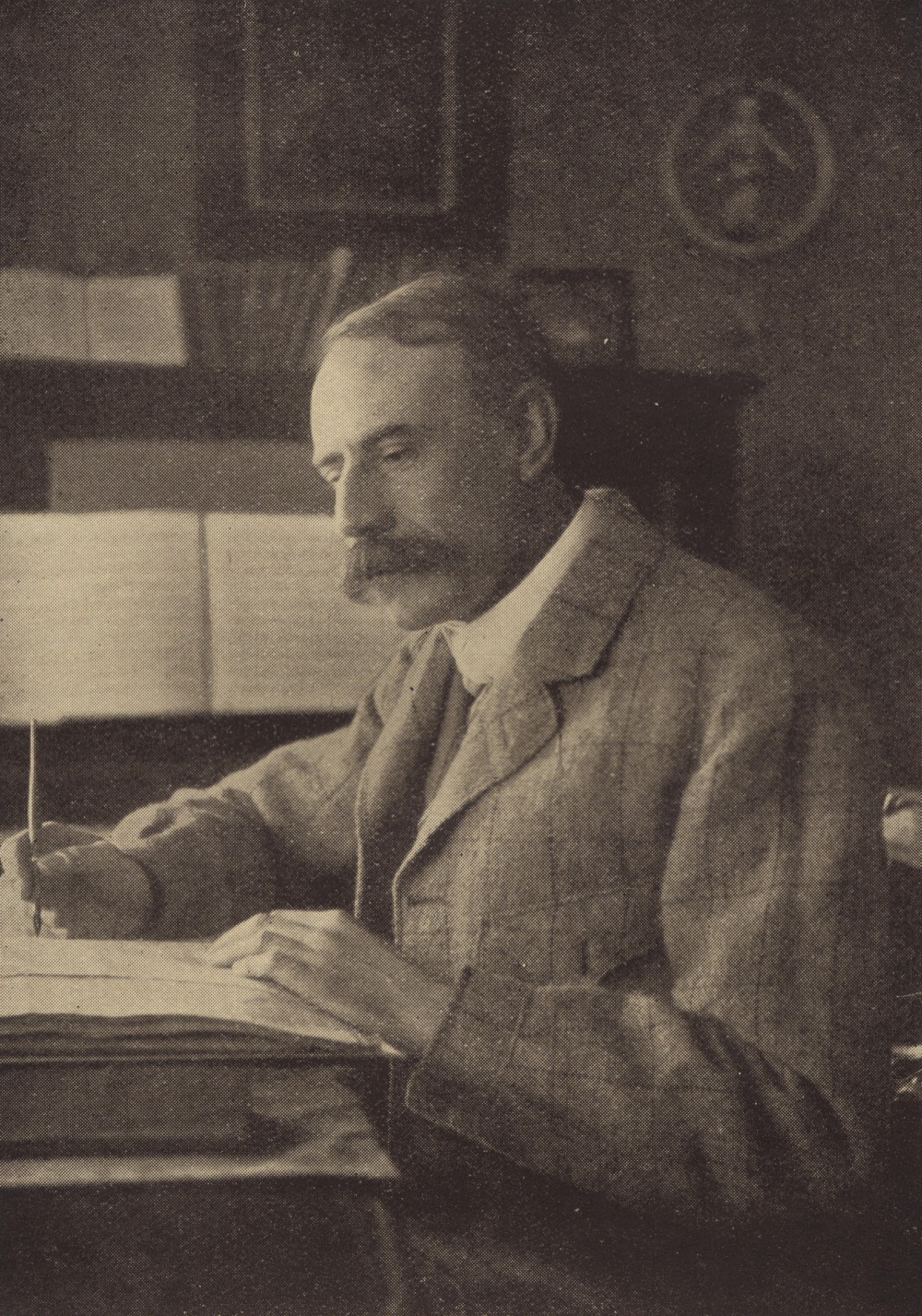
Elgar’s Enigma Variations, Op. 36 — Fourteen Friends and a Hundred-Year Joke
Fourteen friends and a hundred-year joke
In 1934 Edward Elgar died with his mouth shut, leaving inside a piece from 1899 a private joke he never explained. Six musicologists have since written entire books claiming they cracked it. The shortlist runs from Auld Lang Syne to…
-
Smetana’s Má vlast (My Fatherland)
Six Poems for a Nation's Soul
Smetana began Má vlast in 1874, the same year he went completely deaf. Hearing nothing, he composed six symphonic poems tracing Bohemian myth, landscape, and history—from the ancient fortress of Vyšehrad to the Hussite warriors sleeping in the mountain of…
-
Smetana’s Vltava (The Moldau)
A River Song from a Deaf Composer
Two flutes open like trickling mountain springs, join into a single melody, pass through a peasant wedding and a moonlit water-nymph dance, and arrive at the broad flow past Prague's ancient fortress. Written in eighteen days by a man who…
-
Holst’s The Planets, Op. 32
Astrology Reborn as Orchestral Thunder
Holst gave each planet its astrological character: Mars, the Bringer of War; Venus, the Bringer of Peace; Jupiter, the Bringer of Jollity. He composed 'Mars' in 1914, its grinding 5/4 rhythm predicting the sound of mechanized warfare months before the…
-
Mussorgsky’s Pictures at an Exhibition
Walking Through a Gallery with an Orchestra
Mussorgsky visited a memorial exhibition for his friend Viktor Hartmann and in three weeks composed a raw piano suite depicting what he saw. The recurring 'Promenade' theme is the composer himself moving between the pictures, his mood shifting with each…