- Composer
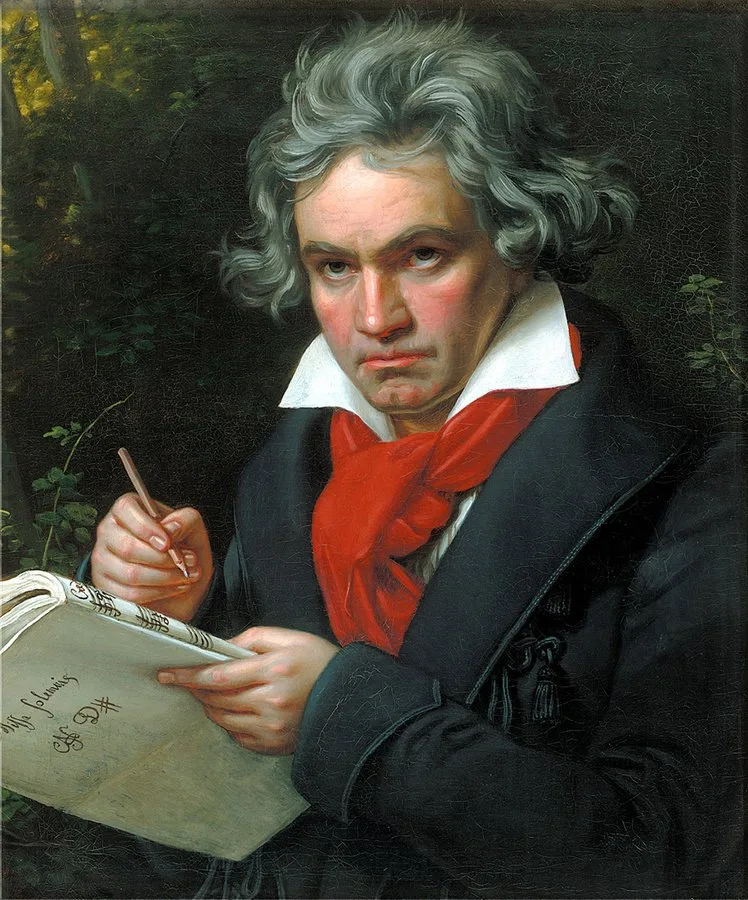
- Ludwig van Beethoven (1770–1827)
- Work
- Piano Sonata No. 8 in C minor ‘Pathétique’, Op. 13
- Key
- C minor
- Composed
- 1798–1799
- Movements
- 3 movements:
I. Grave – Allegro di molto e con brio (C minor)
II. Adagio cantabile (A-flat major)
III. Rondo: Allegro (C minor) - Instrumentation
- Solo piano
- Premiere
- 1799, Vienna (dedicated to Prince Karl von Lichnowsky)
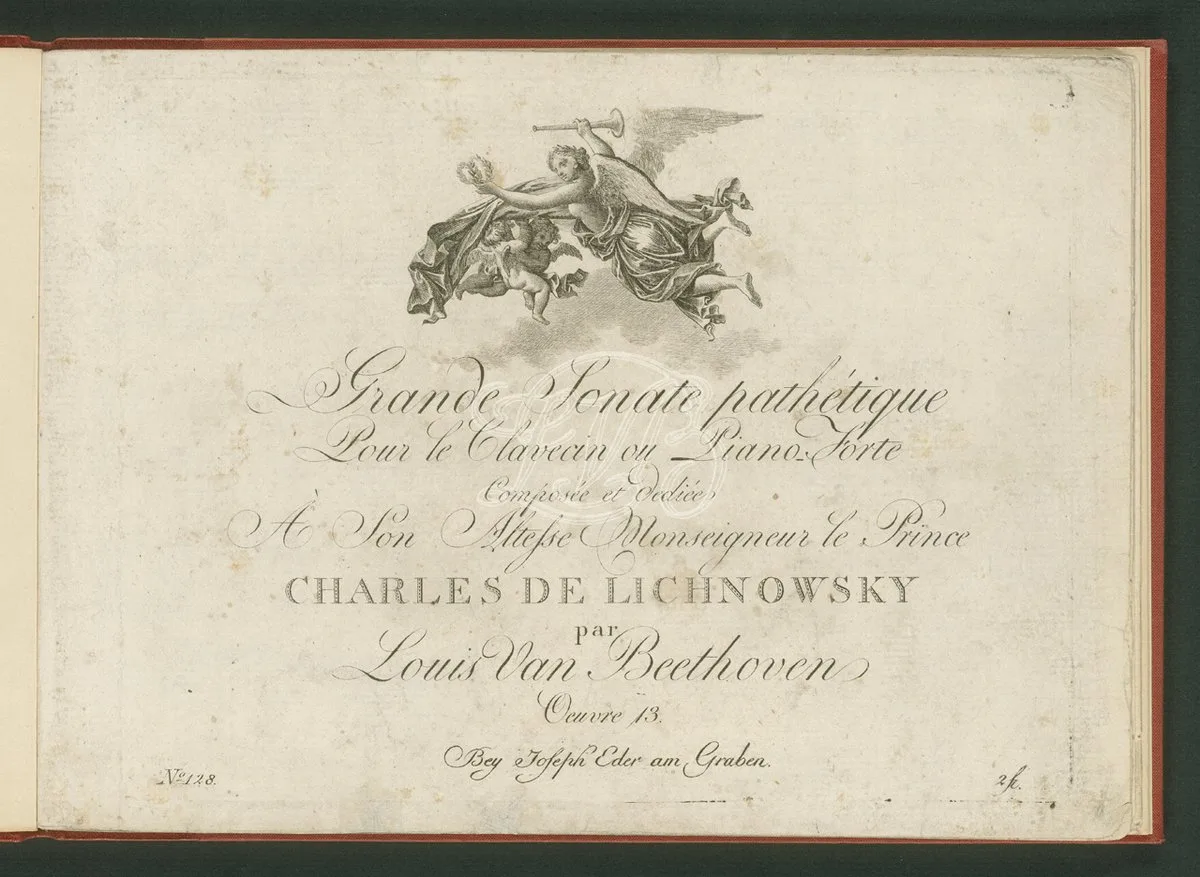
Here’s a hot take: Beethoven didn’t even name this sonata. His publisher did.
Picture it: Vienna, 1799. A publisher gets his hands on a new piano sonata manuscript. He takes one look at the stormy, dramatic music and slaps a French word on the cover: ‘Pathétique’. It means “full of pathos,” “impassioned,” or “full of suffering.” Beethoven, who was usually pretty prickly about this stuff, didn’t object. For once, the marketing guys got it right.
The full title was ‘Grande sonate pathétique’. The “Grand Pathetic Sonata.” It sounds a bit much, but the publisher’s ad copy worked perfectly. This sonata is grand. It is full of pathos. And it’s undeniably great.
Let’s be honest, everyone knows this piece, or at least parts of it. But what most people don’t know is the story of the 28-year-old composer who wrote it, a man secretly terrified he was going deaf. Why this sonata, out of thousands, has survived for over 200 years on the music stands of students and superstars alike—that’s the real story.
Beethoven at 28: A Young Rebel in Vienna
By 1798, Beethoven had been in Vienna for six years.
He’d left his hometown of Bonn in 1792, a fiery 22-year-old with a single goal: to study with Joseph Haydn. He did, but their relationship was rocky. Beethoven was independent, sometimes arrogant. Haydn saw his talent but found him difficult to manage.
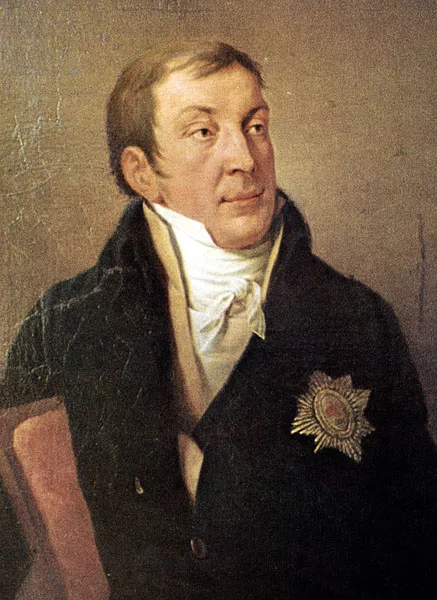
Still, Beethoven was making a name for himself. As a pianist, his improvisations were legendary in the city’s salons, and he was already attracting aristocratic patrons. One of them was Prince Karl von Lichnowsky, the man to whom the ‘Pathétique’ is dedicated. Lichnowsky gave Beethoven a place to live, a stipend, and a stage at his private concerts.
During this time, Beethoven was churning out piano sonatas—twelve of them between 1793 and 1799. But No. 8, the ‘Pathétique’, was different. It was darker, bigger, and more dramatic than anything he’d written before.
Here’s something important to understand about piano sonatas back then: they were mostly considered educational pieces or light entertainment for aristocratic living rooms. Haydn and Mozart wrote brilliant sonatas, but they didn’t treat them with the same weight as a symphony or a concerto. They were chamber music, not concert-hall epics.
Beethoven shattered that mold. The ‘Pathétique’ was a declaration that a piano sonata could be as serious, as emotionally heavy, and as structurally ambitious as a symphony. It wasn’t just about showing off fancy fingerwork; it was about saying something.
So where did all that weight come from? Look at Beethoven’s private life in 1798. He was just beginning to realize something was wrong with his hearing. He didn’t tell anyone. He was ashamed. For a musician, hearing loss is a death sentence. Many believe he channeled that growing anxiety and terror directly into his music, turning it into a controlled explosion.
And that explosion starts with the very first chord. Pianists say that how you play that opening C minor chord of the Grave introduction defines the entire performance. It’s a statement of intent.
A Movement-by-Movement Breakdown
Mvt. 1: The Introduction That Breaks the Rules
From the first note, something is off.
The sonata begins with a Grave—a slow, heavy, solemn introduction. A deep chord lands like a stone. The notes move slowly, deliberately. It feels less like a sonata and more like the tolling of a great bell before a tragedy. This intro is a drama in itself.
Then, suddenly, the tempo rips into a frantic Allegro. The main body of the movement has begun.
But this is where Beethoven pulls his first trick. In a standard sonata form, you present a theme, develop it, and then bring it back. The intro is just a curtain-raiser; you hear it once and it’s gone. Beethoven breaks that rule. Just before the main theme returns, he brings back the slow, heavy music from the introduction.
It’s a shock. It’s like a character you thought was gone suddenly reappears in the middle of a scene.
The second time you hear it, the Grave feels different. The first time, it was a bold proclamation. Now, it sounds more weary, more tragic. The notes are the same, but the context has changed everything. By the end of the movement, the intro has appeared three times: at the start, in the middle, and just before the end. It transforms from a statement to a warning, and finally, to something like a farewell. Beethoven was 28 when he figured this out.
The main Allegro section is a masterclass in conflict. The first theme is aggressive and fast, shooting up two octaves like a rocket while the left hand provides a rumbling, trembling octave tremolo. The second theme is a complete contrast—more lyrical, more introspective. The battle between these two ideas drives the entire movement.
It’s even more interesting when you remember that the pianos of Beethoven’s time, fortepianos, had a lighter, quicker-decaying sound than modern grands. The sound he imagined is different from what we hear today. Yet the music’s power remains, because its structure is rock-solid.
Mvt. 2: The Melody You Already Know
The second movement is a different world.
After the storm of the first movement, the key shifts from C minor to a warm A-flat major. The temperature in the room just changed.
Marked Adagio cantabile (“slowly, in a singing style”), this movement is a pure, simple melody in the right hand over a gentle, rhythmic accompaniment in the left. You probably recognize it within the first few bars.
This tune has become so famous it’s been sampled and adapted endlessly in modern pop music. Billy Joel’s “This Night” is built directly on it. It’s appeared in commercials, video games, and movie soundtracks.
Many people hearing this movement for the first time feel a strange sense of recognition. That instinct is correct. Pop songs, film scores, and advertisements have been borrowing this melody, directly or indirectly, for well over a century. You have almost certainly heard its echo somewhere before.
There’s a key moment in the middle of the movement where the music briefly darkens before the main theme returns. When that melody comes back, it’s the same notes, but it feels different—more fragile, as if coming from a distance. That’s Beethoven’s design. He’s telling a story without words.
The structure is a simple A-B-A form: main theme, contrasting middle section, main theme again. But when the A section returns, Beethoven doesn’t just repeat it. He adds subtle decorations, making it feel richer, like a person returning from a journey with new experiences.
Pianists who’ve sat down with this movement often say the same thing: “It looks easy on the page, but it’s not.” The technical challenge isn’t hitting the notes; it’s making the piano sing. This movement is a textbook on how to play lyrically.
Mvt. 3: The Relentless Finale
The third movement is a Rondo. Think of it as a musical refrain: a main theme keeps returning between contrasting episodes (Theme-A-Theme-B-Theme-C-Theme).
The main theme here is surprisingly calm. It doesn’t have the weight of the first movement or the lyrical sweetness of the second. It just runs forward, determined and unstoppable.
But listen closely. The main theme of this Rondo sounds suspiciously like the main theme of the second movement. It’s not identical, but the rhythmic shape and melodic contour are too similar to be a coincidence. Musicologists still debate whether it was intentional, but the effect is clear: it ties the entire sonata together into a single, cohesive story.
The episodes between the theme’s return are where the drama happens. One is darker, using chromatic scales. Another is more lyrical. Each time the main theme comes back, it feels slightly different, colored by the episode you just heard. It’s the same principle from the first movement: repetition deepens meaning.
The sonata ends quietly. After the final chord fades, you’re left with the feeling of having completed a long run. The explosion of the first movement, the song of the second, and the quiet determination of the third. After experiencing all three, you realize the ‘Pathétique’ isn’t just a sad piece. It contains a kind of calm that can only be found on the other side of grief.
The Real Story: What Beethoven Was Hiding at 28
You can’t talk about the ‘Pathétique’ without talking about Beethoven’s hearing.
He began to notice the first signs of deafness around 1798, the very year he was composing this sonata. It wasn’t total yet—he was still performing, still dazzling audiences with his improvisations. But he knew. He knew it was getting worse.
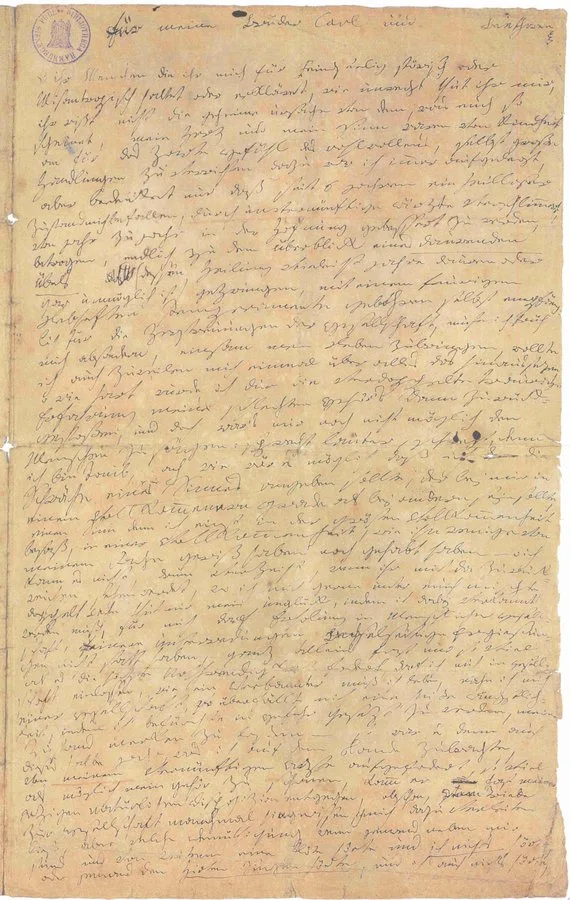
A few years later, in 1802, his doctor sent him to the quiet village of Heiligenstadt to rest. There, he wrote a letter to his brothers that was never sent. It’s now known as the Heiligenstadt Testament. In it, he confessed his despair: “For six years I have been a victim of an incurable condition, aggravated by senseless physicians, cheated year after year in the hope of improvement, finally compelled to face the prospect of a lasting malady.” This sonata was written four years before he penned that desperate letter.
The testament wasn’t discovered until after his death in 1827. He didn’t kill himself. In fact, after writing it, he dove into one of the most productive periods of his life. The ‘Eroica’ Symphony, the Fifth Symphony, the ‘Appassionata’ Sonata—all came after Heiligenstadt. The ‘Pathétique’ was the music of the night before that storm.
So maybe that title wasn’t an accident. Maybe Beethoven didn’t object because it felt true.
But here’s the strange part. When you listen to the sonata, it doesn’t sound defeated. The first movement is heavy, but it’s not hopeless. The second is more beautiful than it is sad. The third just keeps pushing forward. The music doesn’t quite match the misery of his situation.
And that might be the entire point. Beethoven didn’t write a piece about suffering. He wrote a piece that resists it. Knowing he was losing his hearing, he wrote music that makes a powerful argument to the world. What that argument is depends on the listener, but everyone can feel its force.
Why It Still Matters
If you learn piano, you will play this piece. It’s a staple in competitions and conservatory auditions. But it wasn’t put on those lists to make it important; it was put on those lists because it was already important.
Why?
For one, it’s accessible. The second movement is an open door for anyone new to classical music. The melody is direct, the rhythm is clear, and it’s short. It’s one of the few sonatas you can recommend to a total beginner without any reservations.
For another, it feels like a complete story. The recurring introduction in the first movement and the thematic link between the second and third movements make the whole piece feel unified. It’s astonishing that Beethoven achieved this level of structural integrity in his twenties.
The sonata’s DNA is all over modern pop culture. TV shows and films use it constantly, especially the second movement, for scenes of farewell or quiet reflection. The fact that a 200-year-old piece still works perfectly in a modern editor’s toolkit tells you something about its emotional power.
Even if you’ve never been to a concert hall, you’ve heard the ‘Pathétique’. If that melody feels familiar, it’s because it’s already a part of your world.
It’s also the perfect gateway to the rest of Beethoven’s work. It contains the seeds of his later style: the way he builds drama through structure, the use of contrast and repetition, the idea of pulling an introduction into the main narrative. The blueprints for his Fifth and Ninth symphonies are right here, in miniature.
Standing on the Edge: Between Two Musical Worlds
Beethoven is often called the bridge between the Classical and Romantic eras. He perfected the forms of Haydn and Mozart while kicking open the door for the emotional intensity of composers like Schubert, Chopin, and Liszt.
The ‘Pathétique’ stands squarely on that dividing line. The structure is pure Classical: sonata form, rondo form, the key relationships between movements—it all follows the rules Haydn established. But the content is something new. That thunderous Grave introduction, the way it returns, the song-like intimacy of the second movement—this is a composer using the old rules to say something new and deeply personal.
You can hear its echoes in the works that followed. The dark opening of Chopin’s “Funeral March” sonata feels like a spiritual successor to the ‘Pathétique’. Liszt, a virtuoso showman, championed Beethoven’s sonatas in his own concerts, helping to move them from private salons to the public stage. The ‘Pathétique’ became a standard of the piano recital repertoire because it has the dramatic arc to hold a large audience captive.
Here’s a fun fact: the sheet music for the ‘Pathétique’ is still one of the best-selling of all his sonatas. Beginners tackle the second movement, intermediate players wrestle with the first, and seasoned virtuosos like Emil Gilels and Daniel Barenboim have kept it in their repertoire for their entire careers. It’s rare for a single piece to be so loved by players at every level. It looks simple, but it’s profoundly deep. The more you know it, the more there is to discover.
Recommended Recordings
The ‘Pathétique’ is a canvas for a pianist’s personality. The same notes can tell wildly different stories. The opening of the first movement and the tempo of the second are major points of interpretation. Here are three classic recordings that offer different perspectives.
Emil Gilels (1980s recording)
The Soviet master’s take is considered a benchmark. The weight he brings to the opening Grave is immense—slow, steady, and full of conviction. His second movement is not overly sentimental; he lets the melody speak for itself, which makes it all the more powerful. Gilels never completed his full Beethoven sonata cycle before his death, but the recordings he left are essential.
Vladimir Ashkenazy (Decca cycle)
Ashkenazy’s version is fluid and flexible. The Allegro of his first movement feels lighter and more agile than many others, and his second movement is pure song. This is a great recording for first-time listeners—it’s inviting and easy to follow without sacrificing the intensity of the finale.
Daniel Barenboim (Live from Berlin)
Barenboim has lived with this music for decades as both a performer and a teacher, and his interpretation feels almost like a masterclass. You can hear the logic behind every phrase. His treatment of the first movement’s introduction is particularly unique. If you want to understand the “why” behind the notes, this is the version to hear.
Listen with the Score
Following the sheet music while you listen can reveal so much about Beethoven’s structure. You can see exactly where he changes chords, how the left hand maintains its rhythmic drive, and pinpoint the exact moment the slow introduction makes its shocking return in the first movement.
You can also view the original public domain score for free on IMSLP.
View the score for Piano Sonata No. 8 in C minor, Op. 13 (IMSLP))
Frequently Asked Questions
Did Beethoven himself give the ‘Pathétique’ sonata its name?
No. The title ‘Pathétique’ was added by the publisher’s editor in 1799. Beethoven did not object and accepted its use, but it was not his own invention. Very few of Beethoven’s piano sonatas were named by him.
When was the ‘Pathétique’ Sonata composed?
It was composed between 1798 and 1799 and published in 1799, when Beethoven was 27-28 years old.
What is the movement structure of the ‘Pathétique’ Sonata?
It has three movements. The first is ‘Grave – Allegro di molto e con brio’, featuring a slow introduction followed by a fast sonata form. The second is ‘Adagio cantabile’, a slow, song-like movement in A-flat major. The third is ‘Rondo: Allegro’, a finale where the main theme returns multiple times.
How long does it take to perform the ‘Pathétique’ Sonata?
A full performance typically lasts between 17 and 20 minutes, depending on the pianist’s interpretation and choice of tempos.
To whom did Beethoven dedicate the ‘Pathétique’ Sonata?
He dedicated it to Prince Karl von Lichnowsky, a Viennese aristocrat who was one of Beethoven’s most important early patrons. Beethoven even lived in the Prince’s home for a time.
Why is the second movement, Adagio cantabile, so famous?
Its melody is direct, beautiful, and relatively short, making it highly accessible even to listeners unfamiliar with classical music. Furthermore, it has been widely quoted or emulated in 20th and 21st-century pop music, advertisements, and films, which is why it often sounds familiar even to first-time listeners.
Further Reading
- Beethoven – Piano Sonata No. 23 in F minor ‘Appassionata’, Op. 57
- Beethoven Piano Sonatas: A Guide to the Essential Works
- Beethoven Piano Sonatas: The Complete Guide to All 32 Works
- Beethoven’s Piano Sonata No. 14 in C-sharp minor ‘Moonlight’, Op. 27 No. 2
- Beethoven’s Piano Concerto No. 1 in C major, Op. 15