Author: The Classic Note Editorial
-
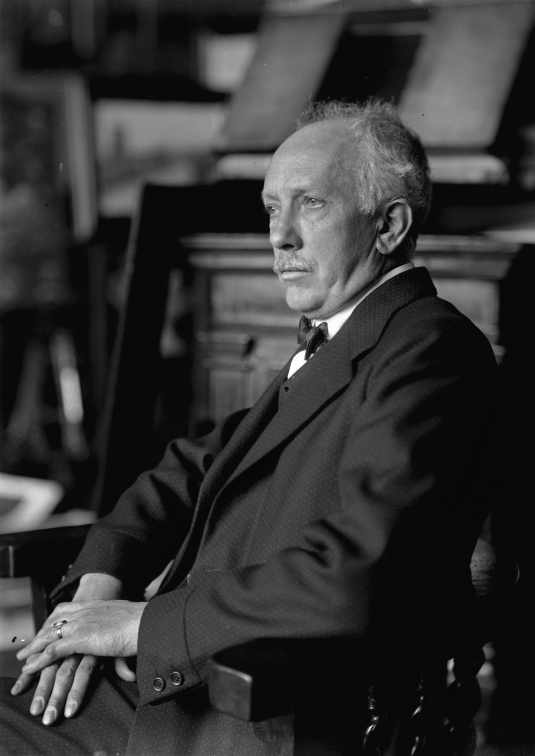
Classical Music in Movies: The Films Renamed the Music
Most people meet classical music in a dark room with popcorn in their lap. You can hum the sunrise from 2001. You know the helicopter music. You have heard the sad string piece from the Vietnam film at three funerals…
-
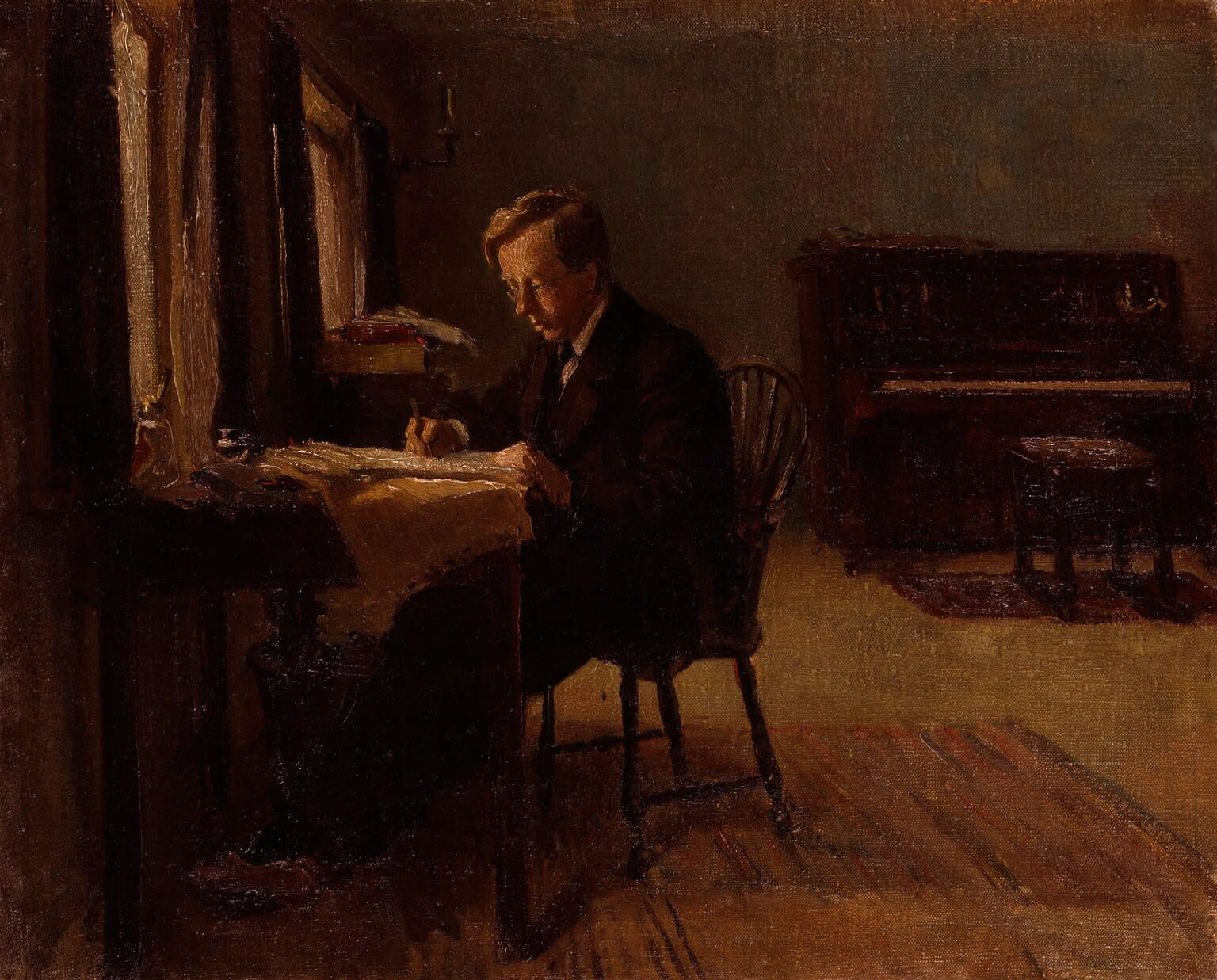
Classical Music That Sounds Like Rock — The Riff Came First
Start with what rock actually does, mechanically. A riff: a short rhythmic figure repeated until it becomes the architecture instead of the decoration. A groove: accents that land off the beat and drag against it. A tone that sustains and…
-
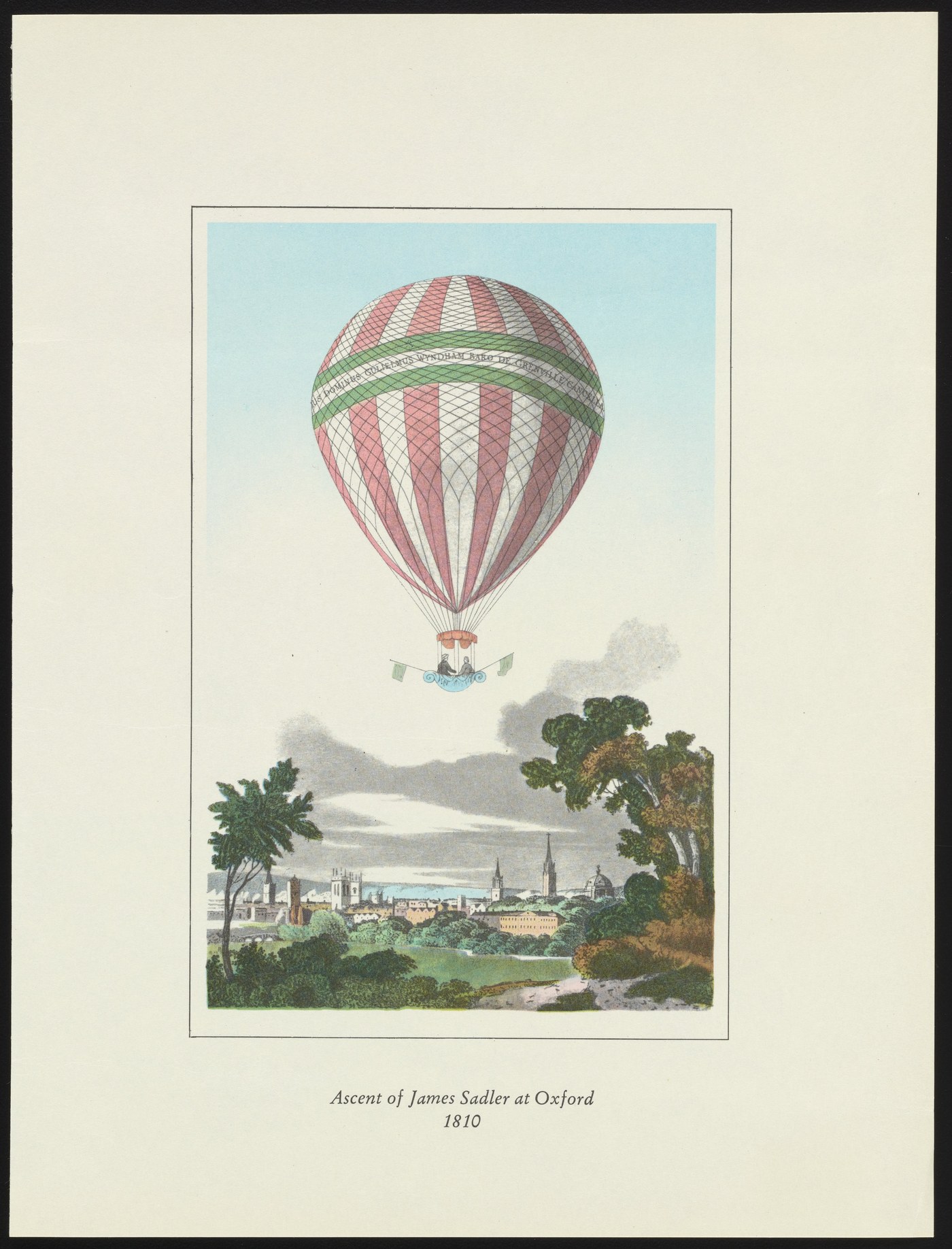
Classical Music in Up: Why Everyone Hears It and Nobody Finds It
Four minutes into Up, an entire marriage goes by without a line of dialogue, and a lot of people walk out of that scene trying to find the classical piece that played under it. There isn’t one. Every note in…
-
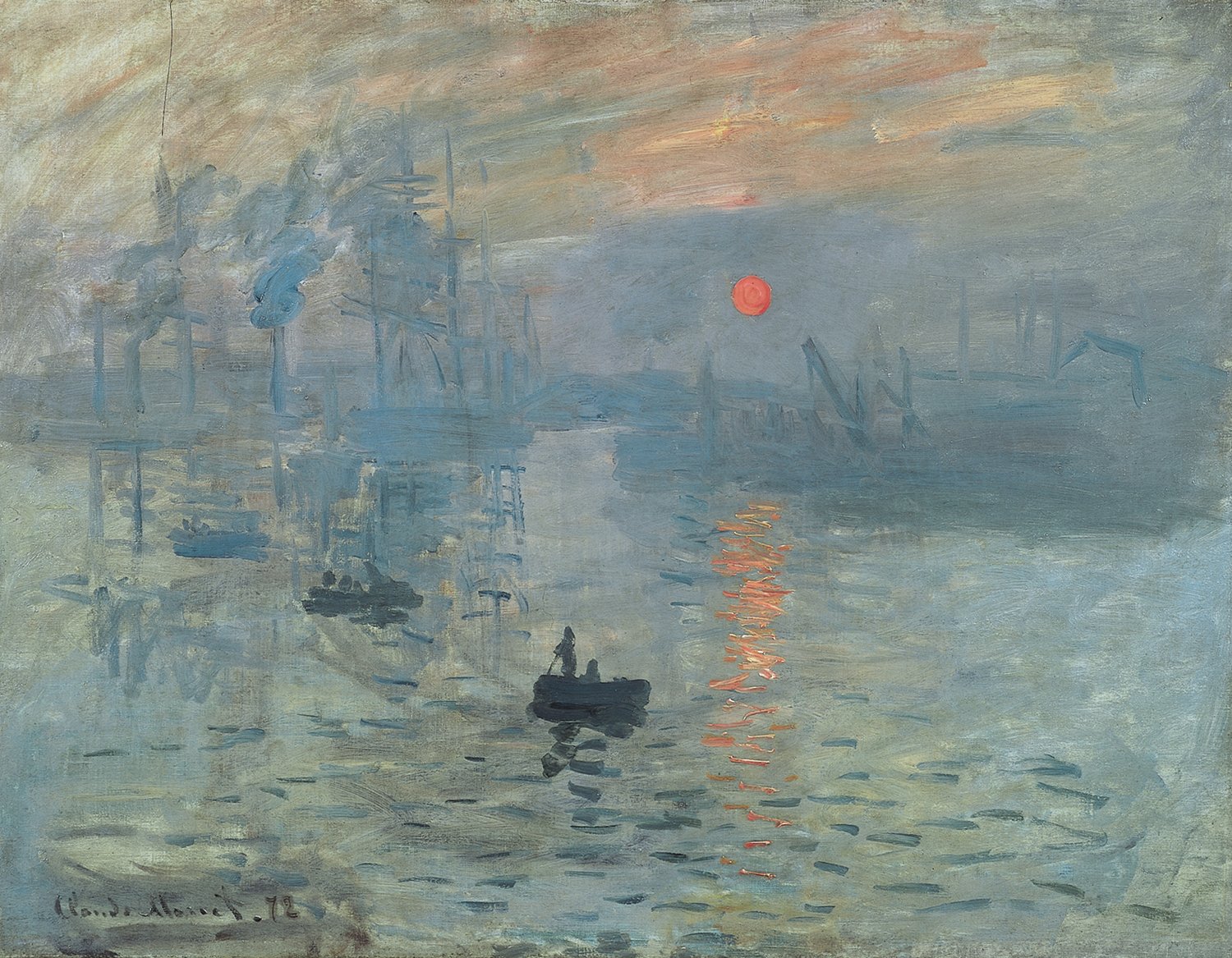
Classical Music That Sounds Like Morning (Grieg’s Isn’t Norway)
Sunrise is a hard thing to write down. It has no rhythm, no melody, and nothing actually happens in it — the light just gets stronger until you notice it has. Composers have been solving that problem for 260 years,…
-
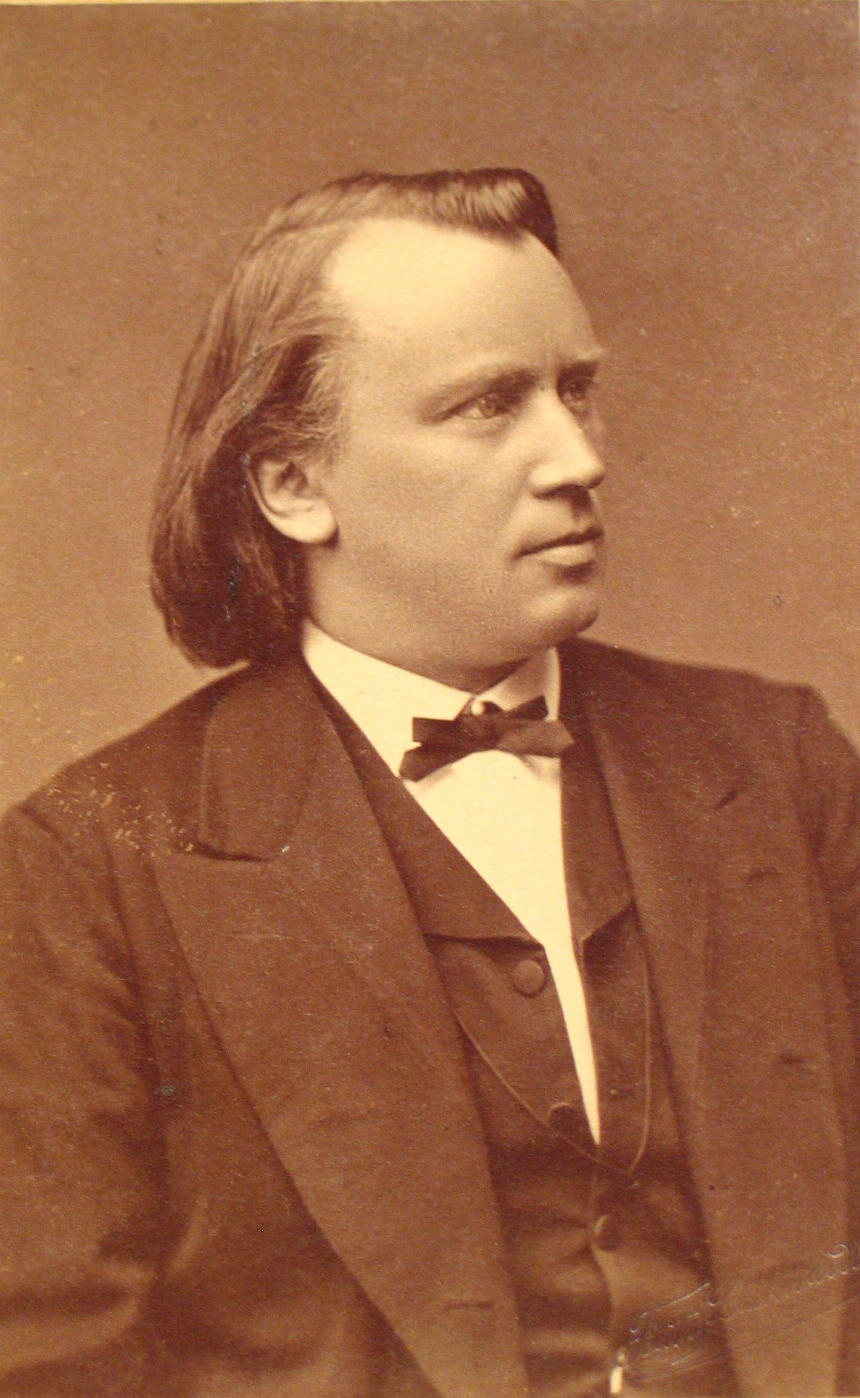
The Best Recording of Brahms’s Symphony No. 1: Klemperer, Seventy Years On
Brahms’s First is the symphony where a conductor’s whole philosophy shows up in the first thirty seconds. Put on seven recordings of that opening and you hear seven different pieces: a slow-grinding machine, a sprint, a warm bath of Berlin…
-
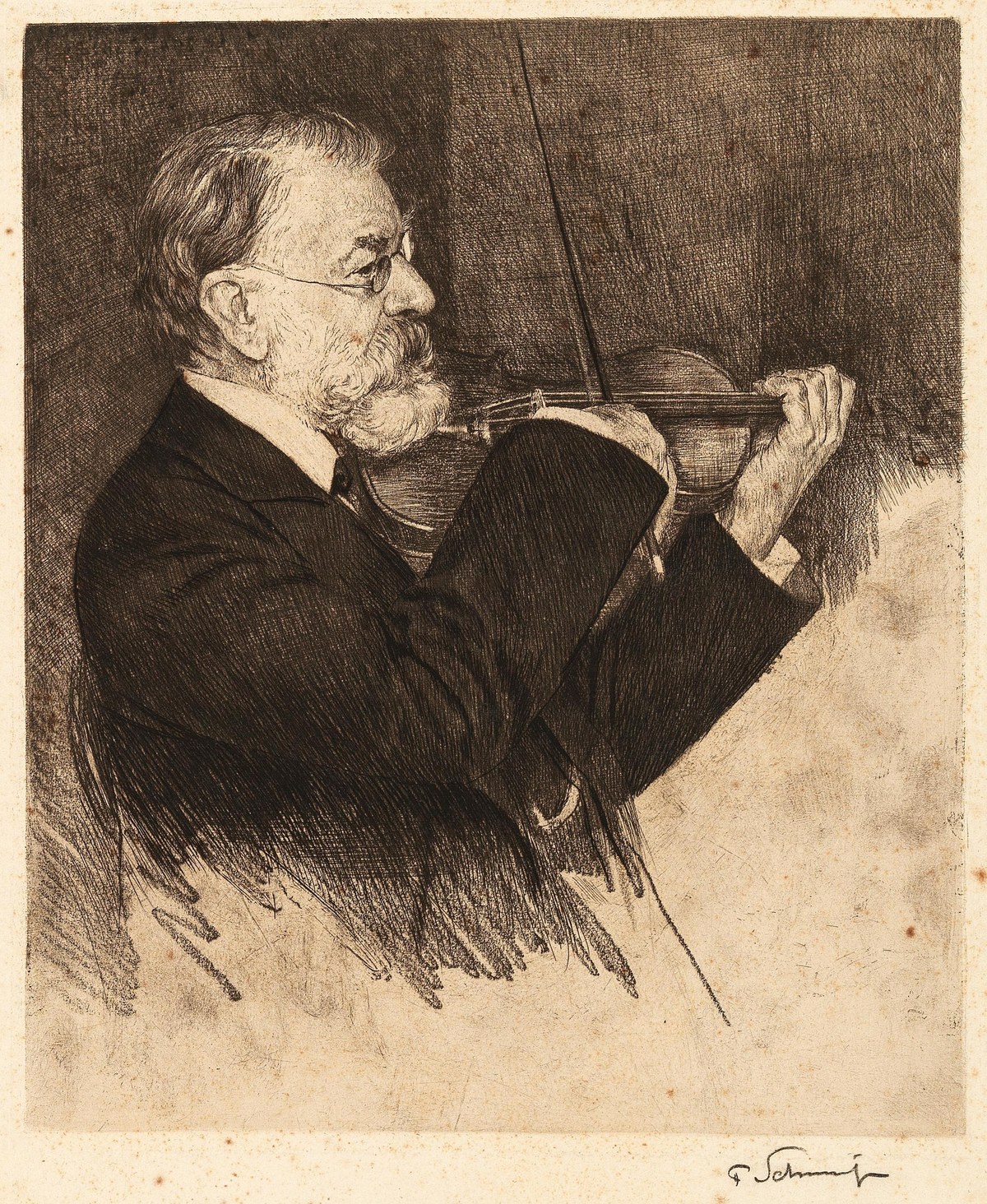
How Hard Is the Bruch Violin Concerto? A String Player’s Honest Answer
Honest answer from the string section: the Bruch G minor is a genuinely professional-level concerto that happens to be the most approachable of the great Romantic ones — which is why it is so often the first major Romantic concerto…
-
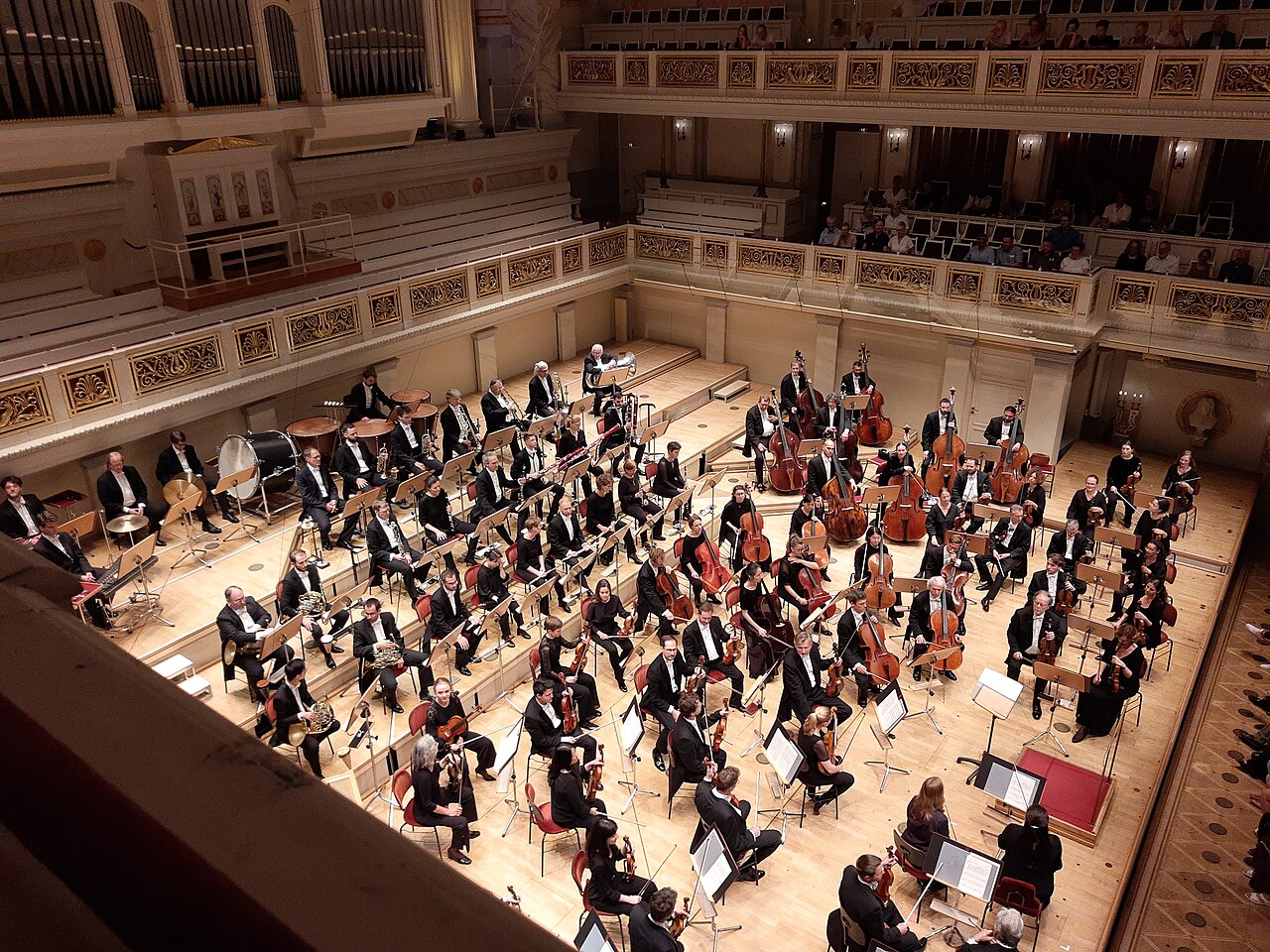
Why Do Orchestras Tune to the Oboe?
Orchestras tune to the oboe for three reasons that stack. Its double reed cuts through a stage full of instruments, so everyone can actually hear the pitch. A professional oboist can deliver that pitch, to the cent, night after night.…
-
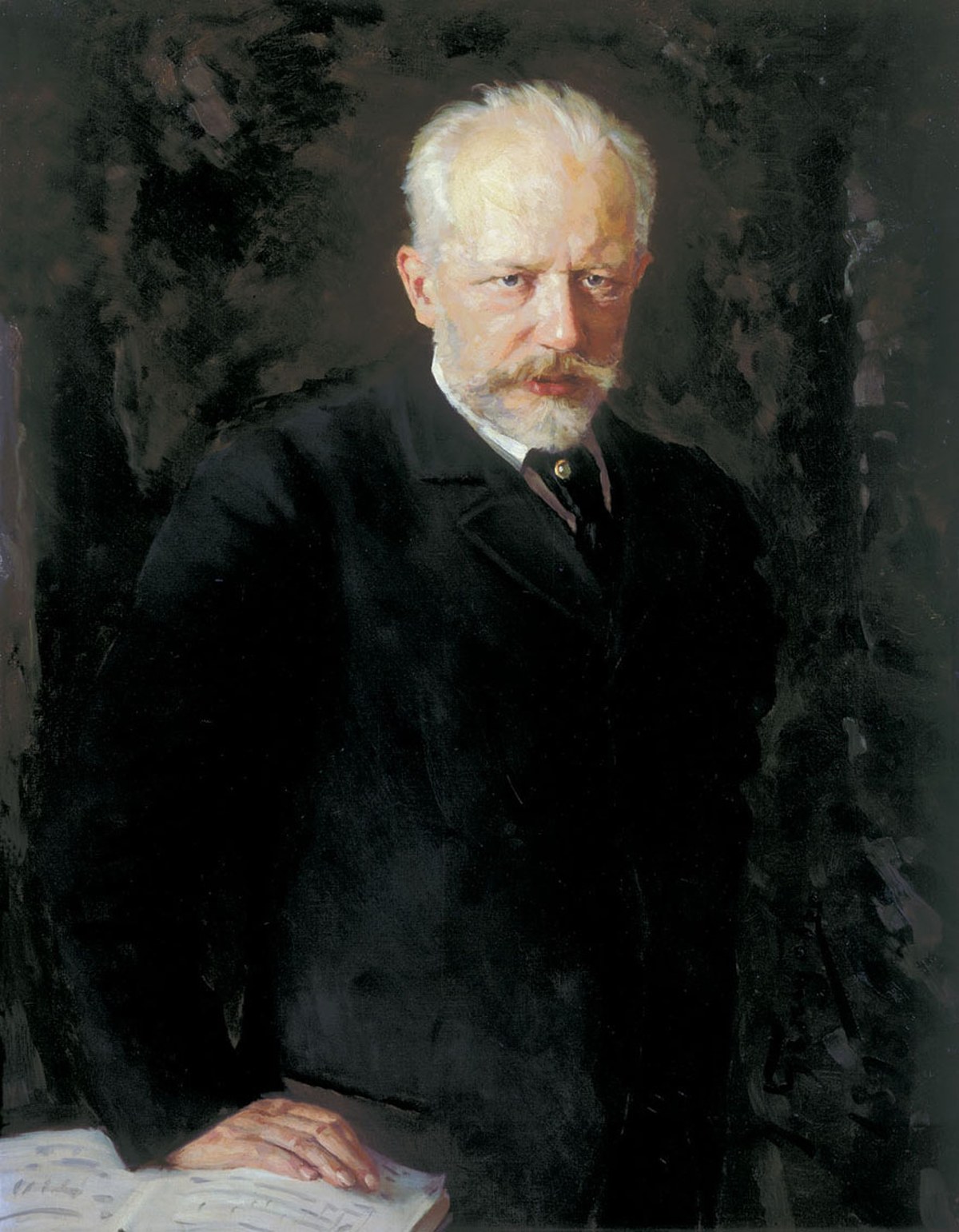
Why Does Tchaikovsky’s Pathétique End in Silence?
Because Tchaikovsky designed it that way from the very beginning. In February 1893, months before a note of it was public, he told his nephew Vladimir “Bob” Davydov what the new symphony would do: “the finale is not to be…
-
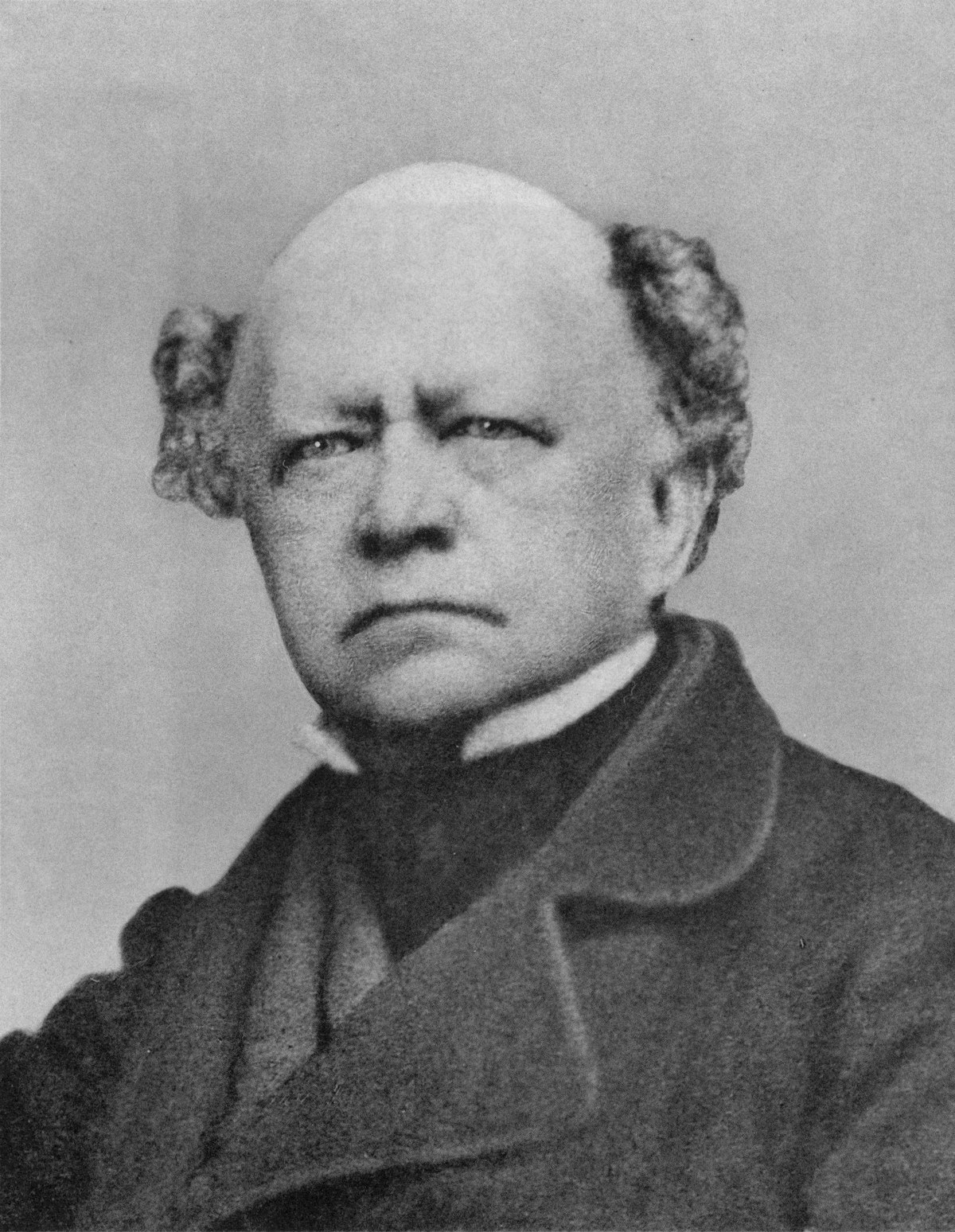
Composer Catalog Numbers Explained: What K., BWV, D., and Hob. Actually Mean
Those cryptic letters after classical titles — K. 626, BWV 232, D. 759, Hob. I:94 — are catalog numbers: ID tags assigned to each work by a scholar who indexed the composer’s entire output, usually long after the composer died.…
-
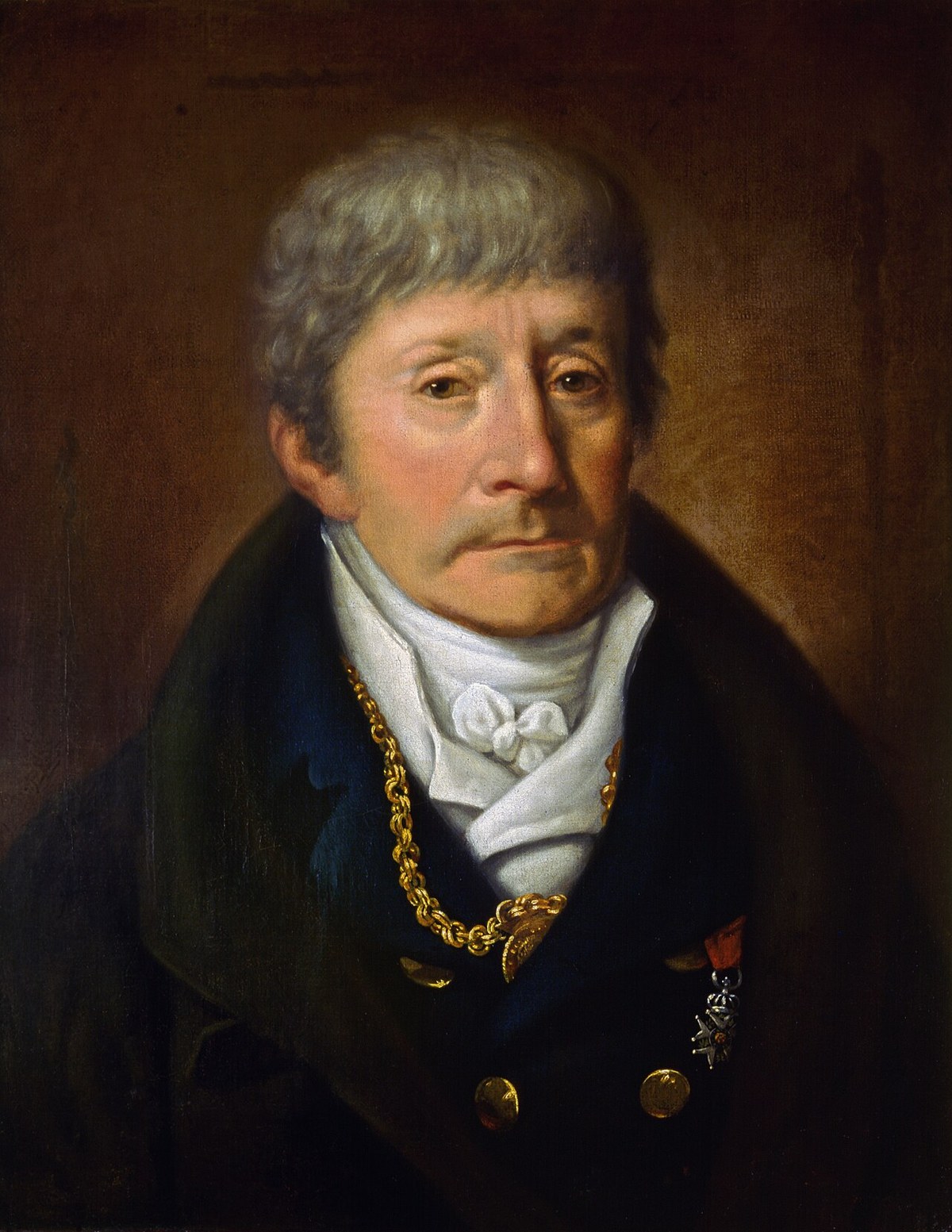
Did Salieri Really Kill Mozart? How a Deathbed Rumor Became Amadeus
In the autumn of 1823, the most respected musician in Vienna lay gravely ill in a hospital ward, and the city was repeating a story about him. Antonio Salieri — Imperial Kapellmeister for thirty-six years, teacher of Beethoven and Schubert…