Those cryptic letters after classical titles — K. 626, BWV 232, D. 759, Hob. I:94 — are catalog numbers: ID tags assigned to each work by a scholar who indexed the composer’s entire output, usually long after the composer died. The letter names the cataloguer or the catalogue, not the composer: K. for Ludwig von Köchel’s Mozart catalogue, BWV for the Bach-Werke-Verzeichnis, D. for Otto Erich Deutsch’s Schubert catalogue, Hob. for Anthony van Hoboken’s Haydn catalogue. The number is the work’s address inside that index — and here is the part almost everyone gets wrong: in some catalogues that address tells you when, and in others it only tells you where the shelf is.
Why composers’ own numbers weren’t good enough
Composers already had a numbering system — the opus number — and it failed. That failure is the reason the catalogues exist.
An opus number tracks publication, not composition. In the eighteenth century it usually wasn’t even the composer doing the tracking: publishers assigned opus numbers when they issued works in commercial sets, typically of three, six, or twelve. Only from around 1800 did composers usually assign the number themselves upon publication, and only after about 1900 did they number works whether published or not. Anything that stayed in a drawer — which for some composers was half the life’s work — had no number at all.
The results were chaotic in ways that still trip people up. Dvořák’s opus 12 was assigned, successively, to five different works — an opera, a concert overture, a string quartet, and two unrelated piano pieces. The publisher Simrock liked to stamp high opus numbers on early works so that a young composer would look better established. And juvenilia printed after a composer’s death went out as “Op. posth.” with numbers higher than the mature masterpieces, so the numbering actively lies about the order in which the music was written. For Mozart, Schubert, and Bach — who died with enormous amounts of music unpublished — opus numbers were never going to describe the actual output. Somebody had to count everything, from scratch. Scholars did, one composer at a time, and each got their letter.
The four letters, and the two ways of counting
Every major catalogue answers the same underlying question: what did the composer actually write? But there are two philosophies about how to order the answer, and knowing which is which is the whole game.
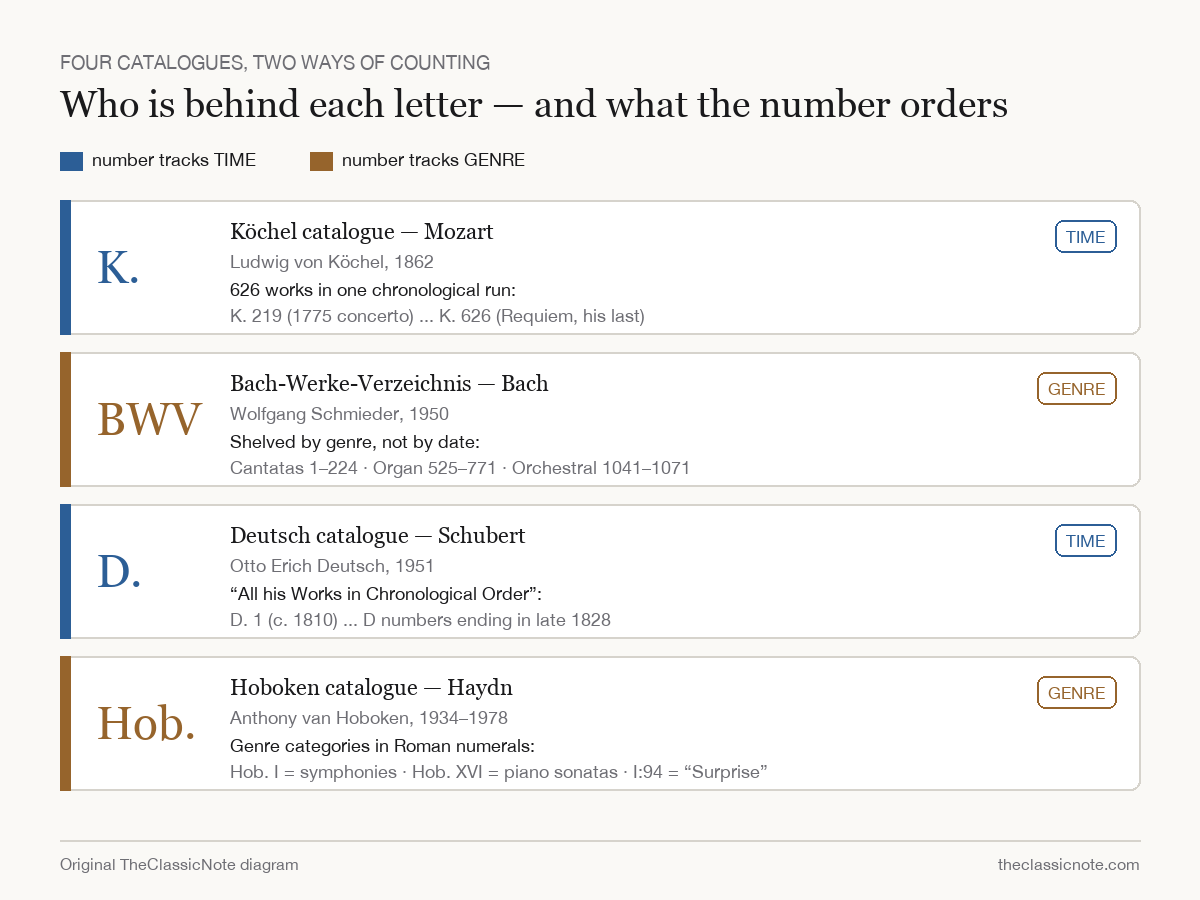
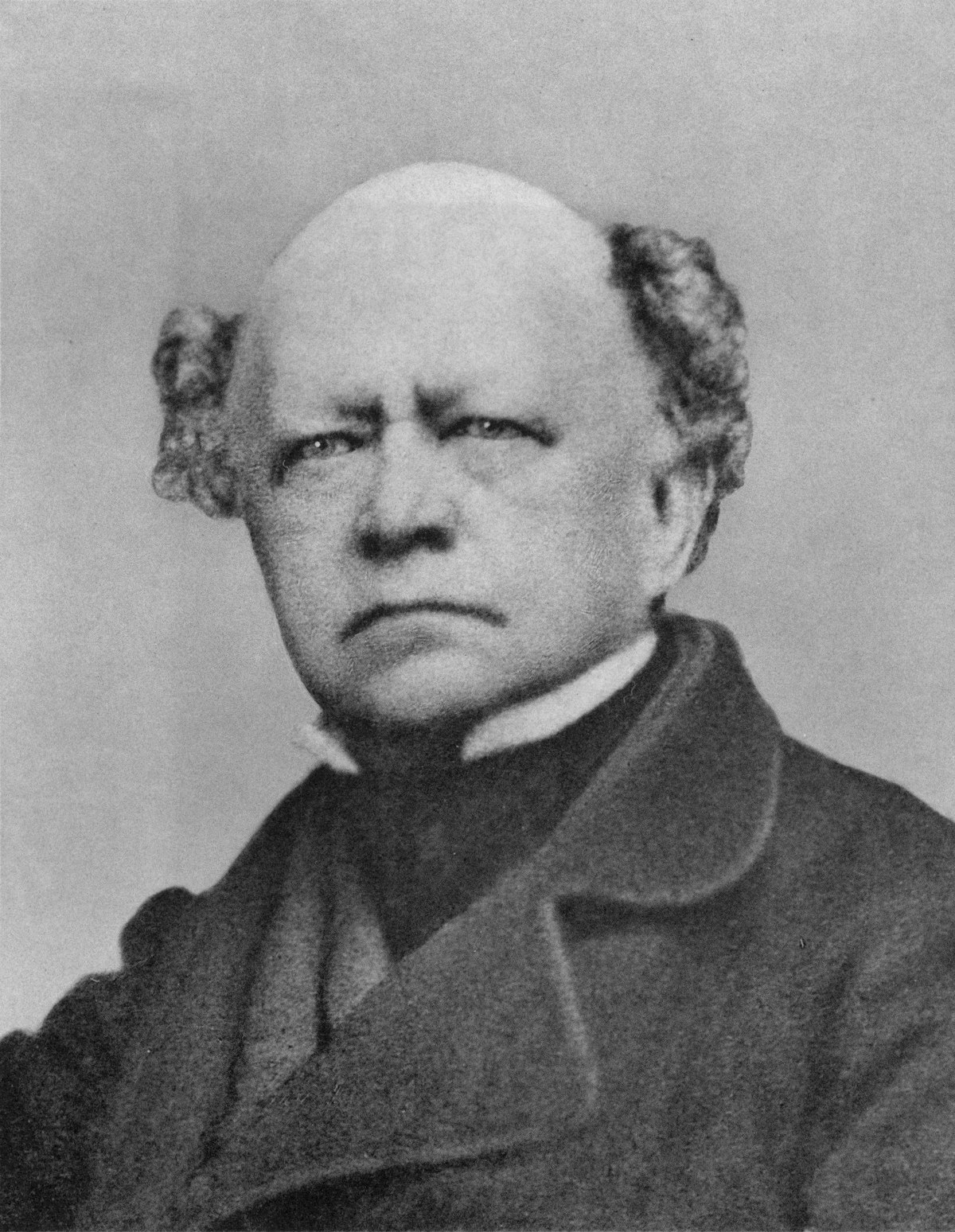
K. — Mozart, ordered by time. Köchel was not a professional musician: he took a law doctorate in Vienna in 1827, spent fifteen years as tutor to the four sons of Archduke Charles, and did botanical fieldwork respected by the scientists of his day. In 1862 he published a 551-page catalogue that attempted to arrange all of Mozart’s works chronologically — 626 works in the main sequence, plus appendices for the doubtful and the lost. That is why the number climbs with Mozart’s life: K. 219 is the A major violin concerto of the nineteen-year-old in 1775, and K. 626 is the Requiem, the last entry, unfinished at his death.
BWV — Bach, ordered by genre. Wolfgang Schmieder’s Bach-Werke-Verzeichnis (1950) made the opposite choice: it shelves Bach’s roughly 1,126 numbered works by category, not by date. Cantatas run from BWV 1 to 224, organ works from 525 to 771, orchestral works from 1041 to 1071. A low BWV number means “cantata,” nothing more.
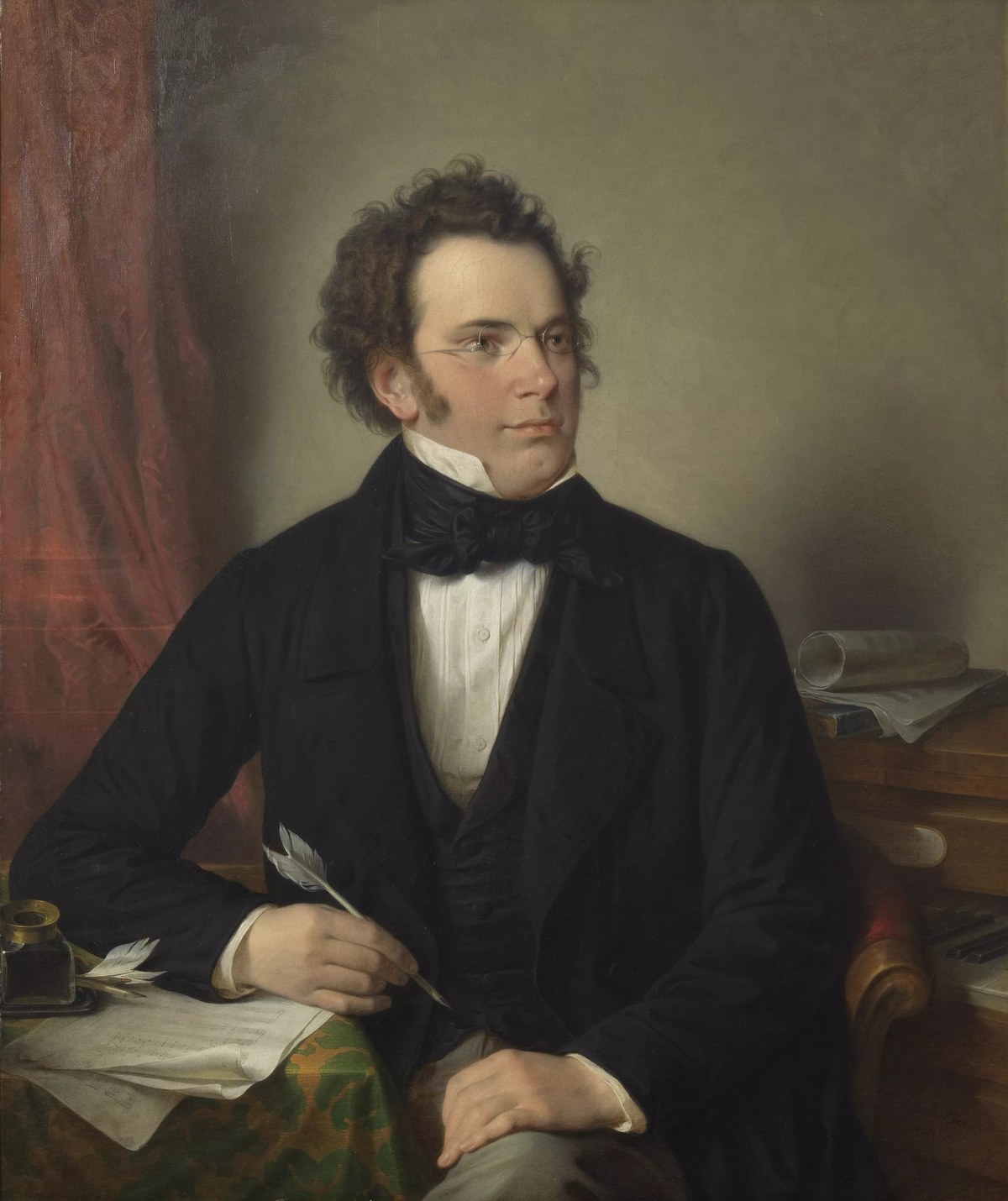
D. — Schubert, ordered by time. Otto Erich Deutsch published his Schubert catalogue in London in 1951, and put the philosophy in the title: Thematic Catalogue of all his Works in Chronological Order. Schubert is the composer who needed this most — he died at thirty-one with stacks of unpublished manuscripts, and his opus numbers, largely posthumous, are nearly useless. The D numbers run from the young teenager (D. 1) to the last months of 1828, so a D number instantly places a work inside a short, ferociously productive life.
Hob. — Haydn, ordered by genre, with a twist. Anthony van Hoboken began his Haydn index on cards in 1934 and finished the third and final volume in 1978. He sorted the enormous output into genre categories labelled with Roman numerals — Hob. I is the symphonies (1–108), Hob. III the string quartets, Hob. XVI the piano sonatas — and numbered within each category. So the “Surprise” Symphony is Hob. I:94: category one, work ninety-four. Read the Roman numeral first and the rest falls into place.
The misconception: a catalog number is not a date
The most common mistake is treating every catalog number as a timeline. It works for Mozart and Schubert, because Köchel and Deutsch built timelines. It fails completely for Bach and Haydn, because Schmieder and Hoboken built filing cabinets.
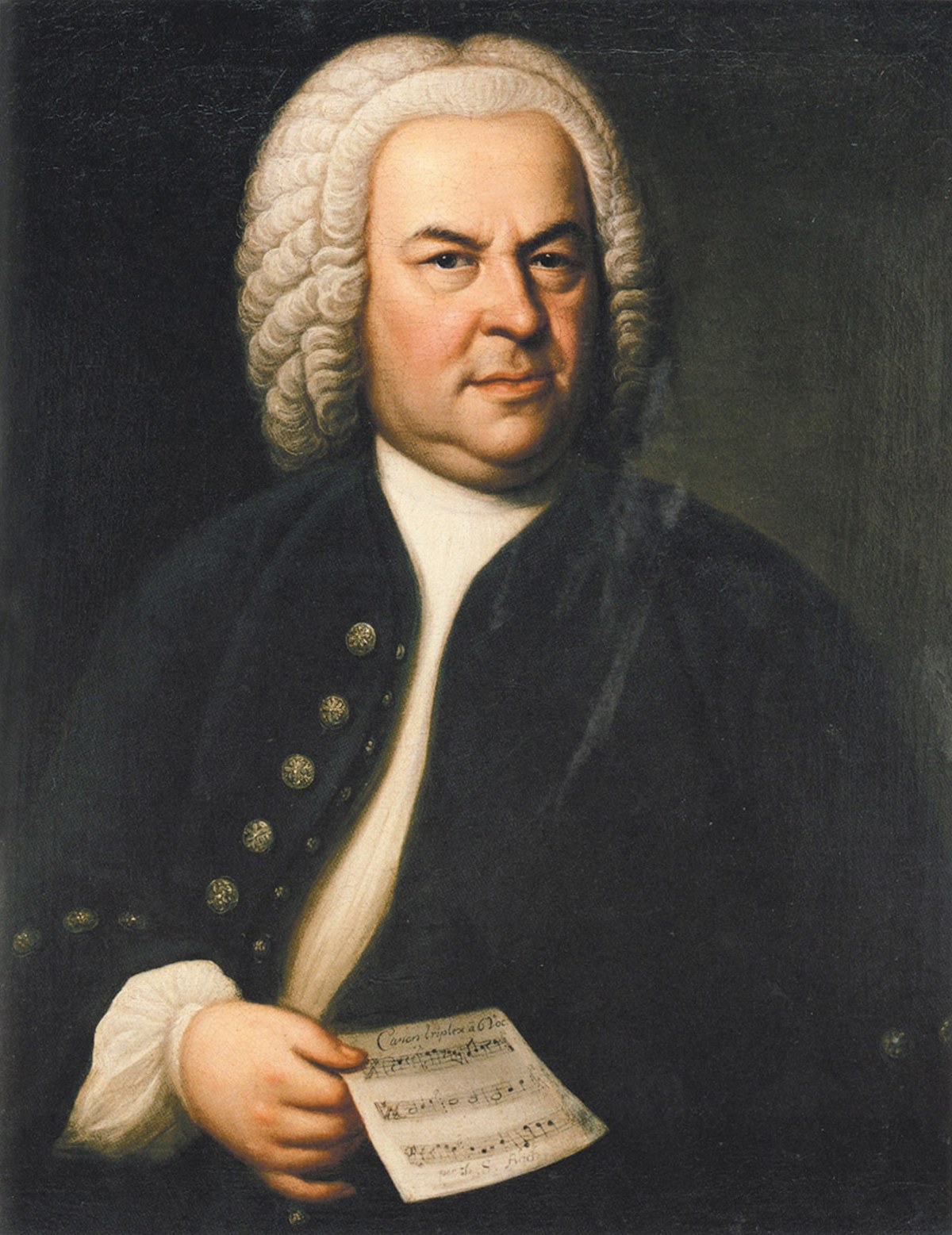
BWV 1 is not Bach’s first composition. It is the chorale cantata Wie schön leuchtet der Morgenstern, written in his forties — it opens the catalogue only because Schmieder put the cantatas first. The Toccata and Fugue in D minor, BWV 565, sits at 565 because that’s where the organ shelf is, and the Goldberg Variations land at BWV 988 among the keyboard works. Reading BWV numbers as a life story produces pure nonsense — you’d have late Bach writing before early Bach in alternating order.
Even the chronological catalogues need one health warning: they are revised, and the revisions renumber. Köchel guessed at dates for many early works, and scholarship kept correcting him — Alfred Einstein’s third edition (1937) and the sixth edition (1964) moved things around, which is why you sometimes meet double citations like K. 49 (47d): old number first, revised number in parentheses. The ninth edition (2024) finally gave up chronological ordering as a goal altogether. The numbers everyone actually uses in concert programs remain the familiar original ones — but when two K numbers appear at once, that’s the catalogue arguing with its own past self, not a typo.
What a catalog number can tell you that a premiere date can’t
Here is a case where the number carries real listening information. Schubert’s Symphony No. 8 in B minor, the “Unfinished,” is D. 759. It was premiered in Vienna on 17 December 1865 — thirty-seven years after Schubert’s death — because he had sent the manuscript to his friend Anselm Hüttenbrenner in 1823, who simply kept it private for four decades. Anyone dating the piece by its public life would file it beside Brahms. The D number corrects the record: 759 places it in 1822, written by a twenty-five-year-old, years before Beethoven died. Put it on with that number in mind and the music becomes far stranger — this harmonic darkness comes before the era it seems to belong to.
🎧 Also on: Apple Music · Spotify
This performance runs with the manuscript score on screen — fitting, since the manuscript is exactly what sat unread in Hüttenbrenner’s drawer. Listen to the opening minute with the number in mind: cellos and basses alone, then that anxious violin murmur — in 1822, when this was written, nobody was opening symphonies like this. That is what a chronological catalog number is for: it tells you which world the music was answering.
How musicians actually use them
In rehearsal, the letters get used exactly as unevenly as you’d expect. Schubert players lean on D numbers constantly, because with duplicated and posthumous opus numbers it is the only unambiguous way to name, say, one late piano sonata among three in the same year. Mozart players say Köchel numbers aloud — “the two-nineteen,” “five-fifty” — as casual shorthand. Haydn’s Hoboken numbers, by contrast, live mostly on paper: nobody calls the “Surprise” Symphony “Hob. I:94” at the first stand, but the label is on the printed part and in every program note, because with 108 symphonies, nicknames and keys run out fast. The catalogue is there for the moment ambiguity appears — which, with Haydn, is always one question away.
And that is the honest way to think of the whole system: not trivia, but disambiguation. “Which B minor Mass?” has one answer; “which Schubert A major sonata?” has several, and D. 664 versus D. 959 settles instantly which decade of a short life you’re in.
Sources and notes
Köchel’s biography, the 1862 catalogue’s structure (551 pages, 626 main entries plus appendices), the Einstein and 1964 revisions, the double-citation convention, and the 2024 ninth edition are drawn from the reference literature on the Köchel catalogue and its editions. The BWV’s 1950 publication, genre organization, and category ranges come from the literature on Schmieder’s Bach-Werke-Verzeichnis; the Deutsch catalogue’s 1951 London publication and chronological plan from the literature on the Schubert Thematic Catalogue; Hoboken’s card-index origins, 1978 completion, and Roman-numeral categories from the literature on his catalogue. Opus-number practice — publisher assignment in sets, the shift around 1800 and 1900, the Dvořák opus 12 case, and Simrock’s inflation habit — follows the standard account of opus numbering. The “Unfinished” Symphony’s 1822 composition, the Hüttenbrenner manuscript story, and the 1865 premiere are standard Schubert scholarship. Judgments about how the numbers function in rehearsal are craft observations, marked as such.