Brahms’s First is the symphony where a conductor’s whole philosophy shows up in the first thirty seconds. Put on seven recordings of that opening and you hear seven different pieces: a slow-grinding machine, a sprint, a warm bath of Berlin strings, something dry and lean played on gut. The notes are identical. The experience is not.
That divergence is built into the score. The finale alone carries four tempo instructions in sequence — Adagio, then Più andante, then Allegro non troppo, ma con brio, then Più allegro — and nothing tells you how those gears should relate. Choose one set of ratios and the movement climbs steadily to its chorale; choose another and it lurches. Add the long argument about how big a Brahms orchestra should be, and you get a discography where the “best” recording depends on which Brahms you think is the real one. Below are seven that answer that differently, plus the one I would hand to someone buying their first copy.
The piece in brief: what to listen for
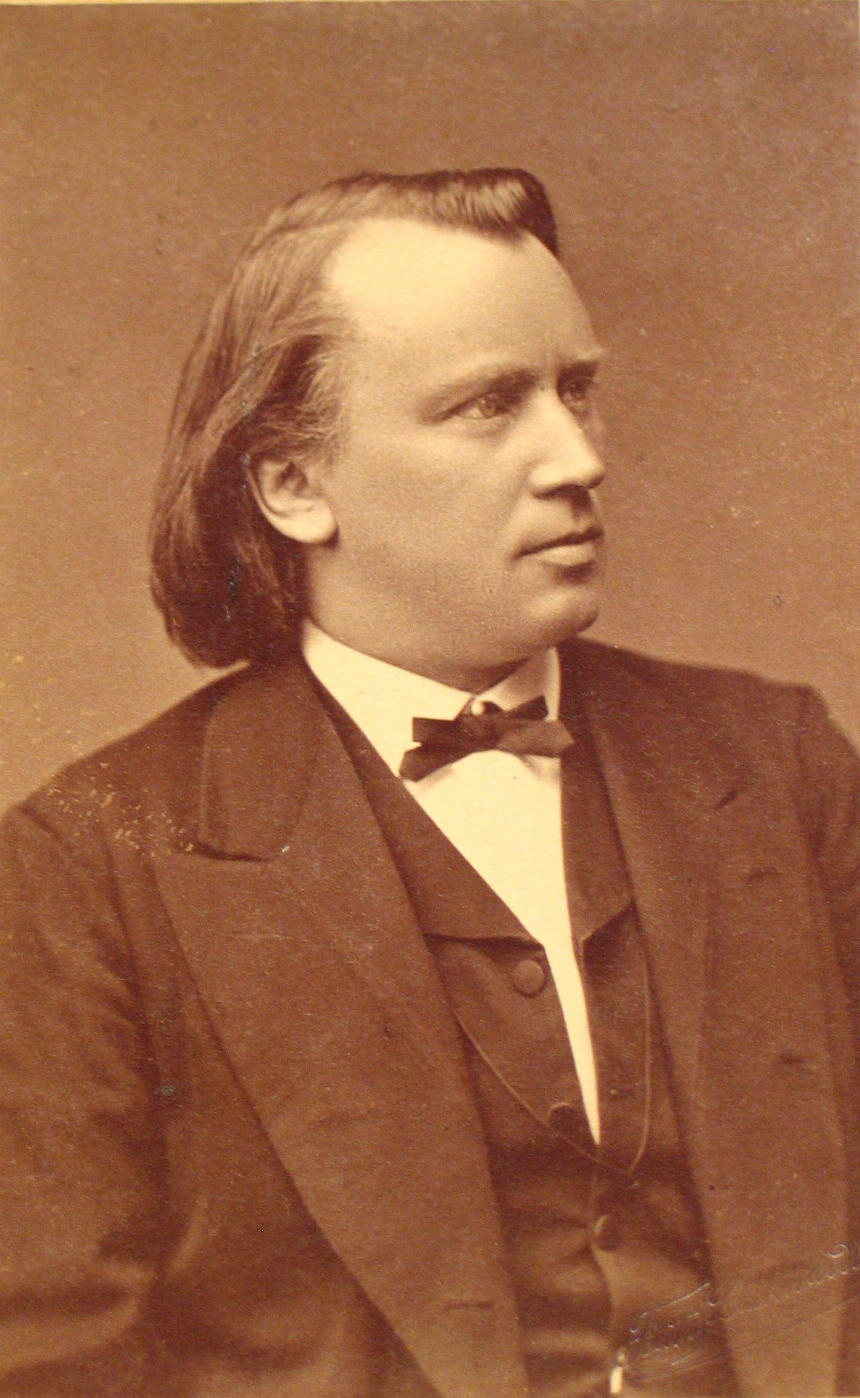
Brahms took his time. He said the symphony occupied him for twenty-one years, from 1855 to 1876, and it finally reached an audience on 4 November 1876 in Karlsruhe under his friend Felix Otto Dessoff. He was forty-three, and German musical life had spent those decades waiting for someone to write the next real symphony after Beethoven.
The opening is the piece’s calling card and its first technical test. Over hammering timpani, one line climbs while another sinks. On a bad recording you hear a wall of noise with drums behind it; on a good one you follow both lines and hear the friction between them. That is the fastest way to judge a conductor’s balance here.
The middle movements are where Brahms refuses the expected thing. The second, Andante sostenuto in E major, ends not with a tutti but with a solo violin floating above the orchestra. The third is marked Un poco allegretto e grazioso — not a scherzo but a clarinet-led intermezzo in A flat. Conductors who treat these two as filler between the outer pillars are the ones who make this symphony feel long.
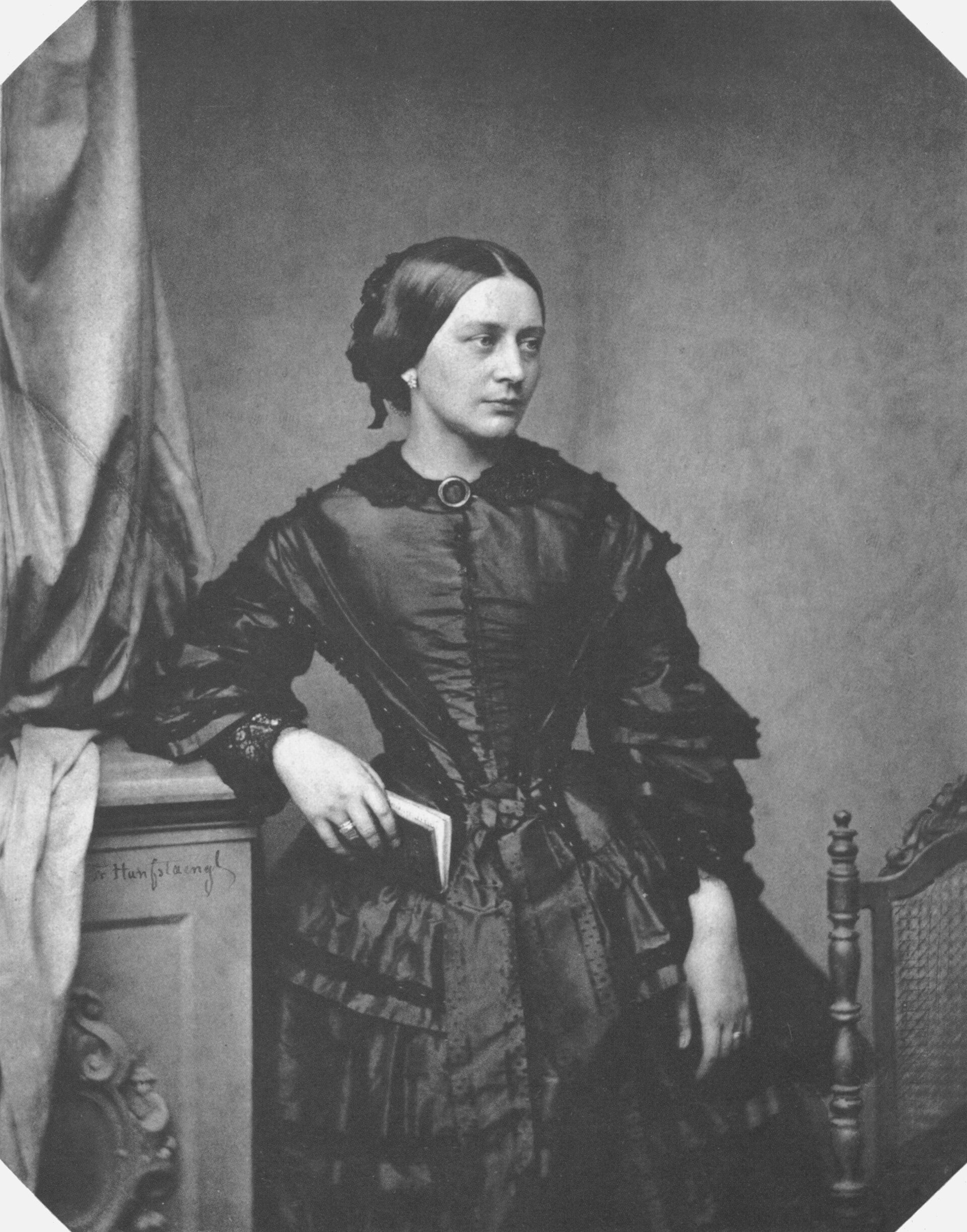
Then the finale, which is one of the great slow-burn constructions in the repertoire. It opens in C minor gloom, gathers itself through a pizzicato passage that keeps threatening to boil over, and breaks into daylight with a horn call — the alphorn melody Brahms had sent Clara Schumann on a card back in September 1868, years before the symphony was finished. Straight after it, the trombones play their first notes of the entire symphony: Brahms holds them in reserve for three whole movements and spends them on one solemn chorale. Then comes the big striding tune that got the whole thing labelled “Beethoven’s Tenth” by Hans von Bülow, a nickname Brahms resented enough to snap that any ass could see the resemblance.
The contenders
Otto Klemperer / Philharmonia Orchestra / 1956–57 / Columbia (EMI)
This is the monumental reading, and it is monumental in a specific way: Klemperer builds the piece out of the inner voices rather than the melody. Woodwind lines that other conductors bury come through as equal partners, so the texture sounds thicker and stranger than you expect from a recording of this vintage. The Kingsway Hall sound has real depth — you can hear the timpani as a pitched instrument in the introduction, not just an impact.
The concrete moment: the transition into the finale’s Allegro. Klemperer refuses to accelerate into it. He plants the horn call, lets the trombone chorale sit at full length, and then starts the main theme at a tempo that sounds almost too steady — until the last four minutes, when you realise he has left himself somewhere to go. Nobody else makes the coda feel this earned.
Be honest about the cost: it is slow, and if your idea of Brahms is momentum and sweep you will find the third movement heavy-footed. The mono-era stereo has some hardness in loud tutti passages. For who: anyone who wants to hear how the symphony is built, and who reads “grand” as a compliment.
🎧 Also on: Apple Music · Spotify
Arturo Toscanini / NBC Symphony Orchestra / 1951 / RCA Victor
The opposite pole. Recorded in Carnegie Hall on 6 November 1951 and issued on RCA Victor, this is Brahms with the fat trimmed off and the pulse kept ruthlessly steady. Toscanini’s reputation for driving everything too hard does not really fit here: what you actually hear is a conductor who found one tempo per movement and made every phrase answer to it. The result has a forward lean that no modern recording quite matches.
The concrete moment: the third movement, which in most hands is a pleasant breather, is played here as if it has somewhere to be. The clarinet tune moves, the trio bites, and the movement suddenly sounds like part of the argument instead of an interlude.
The flaw is the sound. It is dry mono from a studio famous for being acoustically unhelpful, and the strings can turn wiry when they are pushed. This is a document you listen to for the performance, not the ambience. For who: listeners who already know the piece and want to hear it stripped to its skeleton.
▶ Listen on YouTube · Apple Music · Spotify
Herbert von Karajan / Berlin Philharmonic / 1963 / Deutsche Grammophon
Karajan recorded this symphony with the Berlin Philharmonic three times for Deutsche Grammophon, and the 1963 version is the one to pick of the three: leaner than what came later, with the orchestra’s playing at its most alert. The Berlin strings do the thing they are famous for — a seamless, cushioned legato that makes the second movement genuinely beautiful.
My problem with it is the same thing that makes it popular. That famous string blend smooths over exactly the internal friction that gives this symphony its grip. In the opening, the climbing and descending lines merge into one gorgeous sound instead of grinding against each other. It is the version most people arrive at first because it is the most heavily promoted Brahms on the market, and I think it is the least revealing of the seven here.
For who: listeners who want beauty of sound above all, or who already own something drier and want a contrast. Not the one I would learn the piece from.
▶ Listen on YouTube · Apple Music · Spotify
Bruno Walter / Columbia Symphony Orchestra / 1959 / Columbia (Sony)
Walter’s stereo remake, made in 1959 with the pick-up orchestra Columbia assembled for him in Los Angeles, is the warmest reading on this list and the easiest to live with. He phrases the second movement like a song — the violin solo at the end arrives as the natural end of a sentence rather than as a special effect — and he never once pushes the finale’s big tune into bombast.
The concrete moment: the pizzicato build in the finale, where Walter keeps the dynamic low far longer than most conductors dare, so the horn call actually sounds like sunrise rather than the next paragraph.
The trade-off: the Columbia Symphony was a studio ensemble, not a standing orchestra, and it does not have the tonal weight of Berlin or the discipline of the NBC players. The tutti passages sound a size smaller than they should. For who: first-time buyers, and anyone who finds the piece exhausting in heavier hands.
▶ Listen on YouTube · Apple Music · Spotify
John Eliot Gardiner / Orchestre Révolutionnaire et Romantique / 2008 / Soli Deo Gloria
Recorded live and released in 2008 on Gardiner’s own label (SDG 702), this is the case for period instruments in Brahms, and it is a stronger case than sceptics expect. Gut strings and narrow-bore brass change the balance completely: the woodwind stops being an inner colour and becomes a front-line voice, and the trombone chorale in the finale sounds like a church choir rather than a wall of brass.
The concrete moment: the opening. With less string vibrato covering the texture, you can hear the contrary-motion lines separately for the first time — it is the clearest account of that passage I know. The horn call later has the rawness of an actual signal instrument rather than a polished orchestral solo.
The costs are real. Live recording means occasional untidiness, and if you have grown up on the big modern sound, the tutti climaxes will sound thin rather than transparent for the first few listens. For who: people who already love the piece and want it defamiliarised.
🎧 Also on: Apple Music · Spotify
Riccardo Chailly / Gewandhausorchester Leipzig / 2012 / Decca
Chailly’s Leipzig set, recorded in 2012 and released the following year, went on to be named Gramophone’s Recording of the Year in 2014, and it is the best-engineered version here by a wide margin. Chailly’s approach is brisk and articulate: tempos on the faster side, no lingering, orchestral detail placed with unusual clarity.
The concrete moment is not in the symphony proper. The set includes the original first-performance version of the First Symphony’s slow movement, the one Brahms rewrote after Karlsruhe. Hearing the discarded version next to the familiar one is the most genuinely informative thing on any Brahms symphony recording I know of, and by itself it justifies the purchase.
The reservation: Chailly’s forward drive occasionally flattens the finale’s Adagio introduction, which needs to feel stuck before it can break free. For who: listeners who want a modern-sounding Brahms with something to teach them.
▶ Listen on YouTube · Apple Music · Spotify
Charles Mackerras / Scottish Chamber Orchestra / 1997 / Telarc
The compromise candidate, and a useful one. Mackerras used a modern-instrument chamber orchestra aimed at something closer to the ensemble size Brahms conducted, while keeping flexible Romantic-era phrasing. You get the transparency of the period camp without the adjustment period: every wind line audible, string tone still recognisably modern. The price is impact — the finale’s climax lands a size smaller than it should. For who: anyone who found Gardiner too austere and Karajan too smooth.
▶ Listen on YouTube · Apple Music · Spotify
The verdict
The pick: Klemperer, Philharmonia Orchestra, 1956–57. Nearly seventy years on, it is still the recording that explains the piece. The counterpoint is audible, the finale is paced as one long arc rather than a series of good moments, and the trombone chorale lands with the weight Brahms clearly wanted from an instrument he had saved for three movements. It is not the prettiest version and it is not the most exciting. It is the one that leaves you understanding what you just heard.
The budget and streaming pick: Bruno Walter, 1959. It is on every streaming service, it turns up constantly in cheap box sets, and it is the least forbidding way into the symphony. If someone tells me they bounced off Brahms, this is what I send them.
If you want modern sound and a genuine discovery, get Chailly. The engineering is superb and the alternative slow movement is a real bonus rather than filler. If you want the piece to sound unfamiliar again, get Gardiner. If you want speed and nerve, get Toscanini — and accept the 1951 sound as part of the deal.
The one I would not start with is Karajan. It is a fine performance beautifully played, but it is also the default recommendation for reasons that have more to do with catalogue marketing than with what the reading reveals, and starting there teaches you less about the symphony than any of the other five.
Where to hear them
All of these are on the major streaming services in some form. Walter, Karajan and Chailly are easiest to find, since Sony, Deutsche Grammophon and Decca keep their catalogues fully available. Klemperer’s 1956–57 cycle circulates in several remasterings — the Warner Classics reissues of the original Columbia/EMI tapes are the safe bet. Toscanini’s 1951 recording has been transferred many times with varying results, so the edition matters more here than anywhere else on the list. Gardiner’s SDG release streams and is still on disc; the Mackerras Telarc set drifts in and out of print but streams reliably.
If you want more context on the work itself before choosing, our full guide to Brahms’s Symphony No. 1 goes into the composition history and the Clara Schumann connection in detail. And if you are working through the great C-minor-to-C-major symphonies, the comparison piece is our guide to the best recordings of Beethoven’s Ninth — the work Bülow was needling Brahms about.
Sources and recording notes
Recording metadata here was checked against label and discography sources rather than reconstructed from memory. The Klemperer sessions are documented as 29 and 31 October 1956 with a further session on 28 March 1957 at Kingsway Hall, London, issued by Columbia as 33CX 1504 and later SAX 2262. Toscanini’s is dated to Carnegie Hall on 6 November 1951, first released as RCA Victor LM-1702. Karajan’s first Berlin cycle for Deutsche Grammophon dates from 1963; DG’s reissue labelling has been inconsistent about 1963 versus 1964 across editions, so treat the year rather than the exact session days as the reliable figure.
Walter’s stereo Brahms First is dated 1959 with the Columbia Symphony Orchestra, the freelance ensemble assembled for his Hollywood sessions. Gardiner’s was recorded live and released in September 2008 as SDG 702. Chailly’s Leipzig cycle was recorded in 2012, released by Decca in 2013, and named Gramophone’s Recording of the Year at the 2014 awards — the award year and the recording year are different, which is a common source of confusion. The Mackerras set was made with the Scottish Chamber Orchestra for Telarc in 1997. Everything about how these recordings actually sound is my own assessment, not a received verdict.