Author: The Classic Note Editorial
-
Weber Freischütz Overture: The Blueprint Wagner Stole
Nine minutes that taught Wagner how to write an opera
Berlin, June 18, 1821. Before the curtain rose, four horns conjured a German forest, a diminished seventh summoned the devil, and a nine-minute overture spoiled the ending. The technique became the blueprint Wagner built his career on. Weber had five…
-
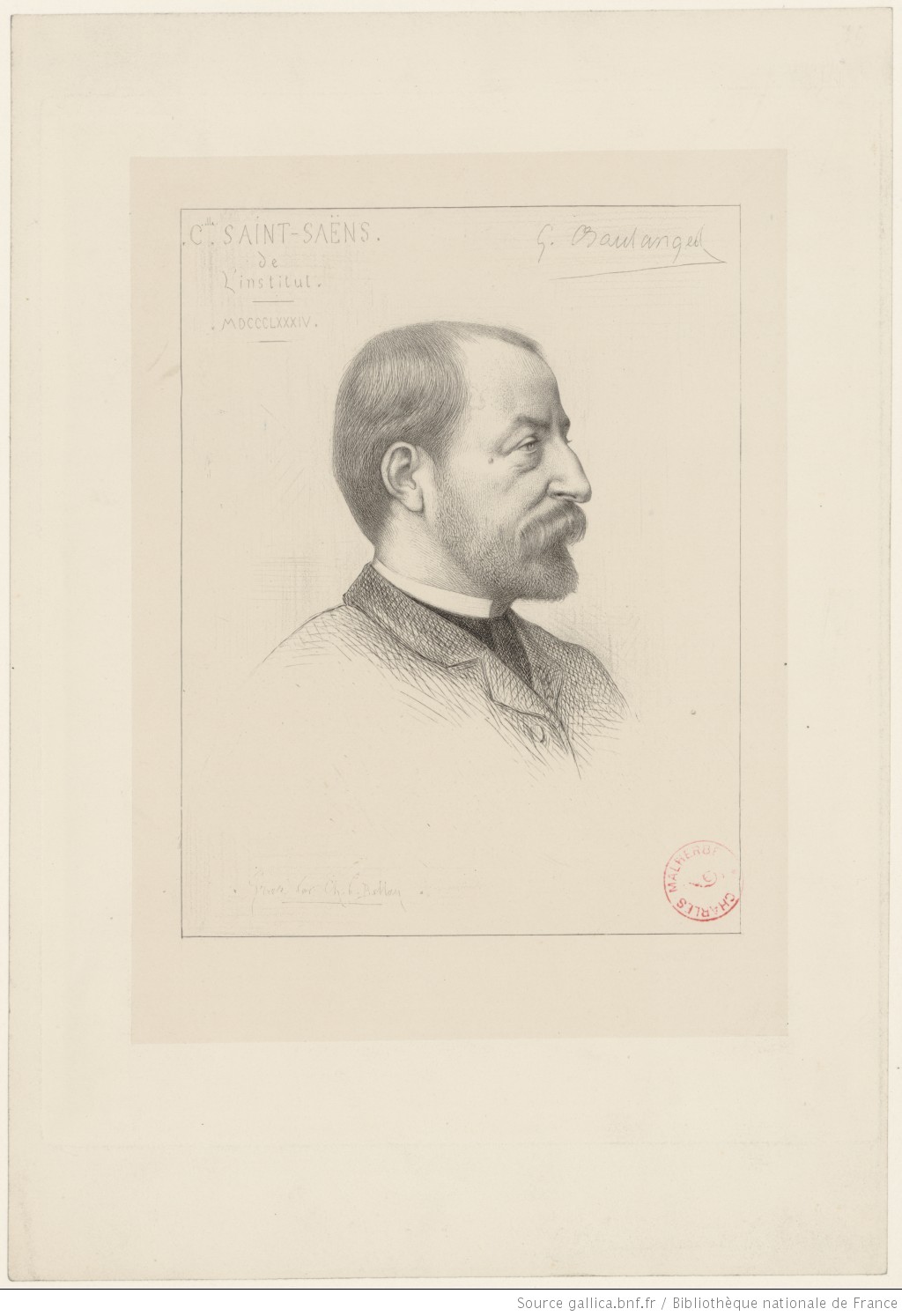
Saint-Saëns Cello Concerto No. 1: The Concerto That Starts Without Warning
Three movements, no breaks — radical in 1872, essential today
Saint-Saëns compressed three movements into one unbroken arc—no rest, no reset. The cello enters before the orchestra finishes its opening chord, a calculated act of insolence that was radical in 1872 and remains startling today. In under 20 minutes, this…
-
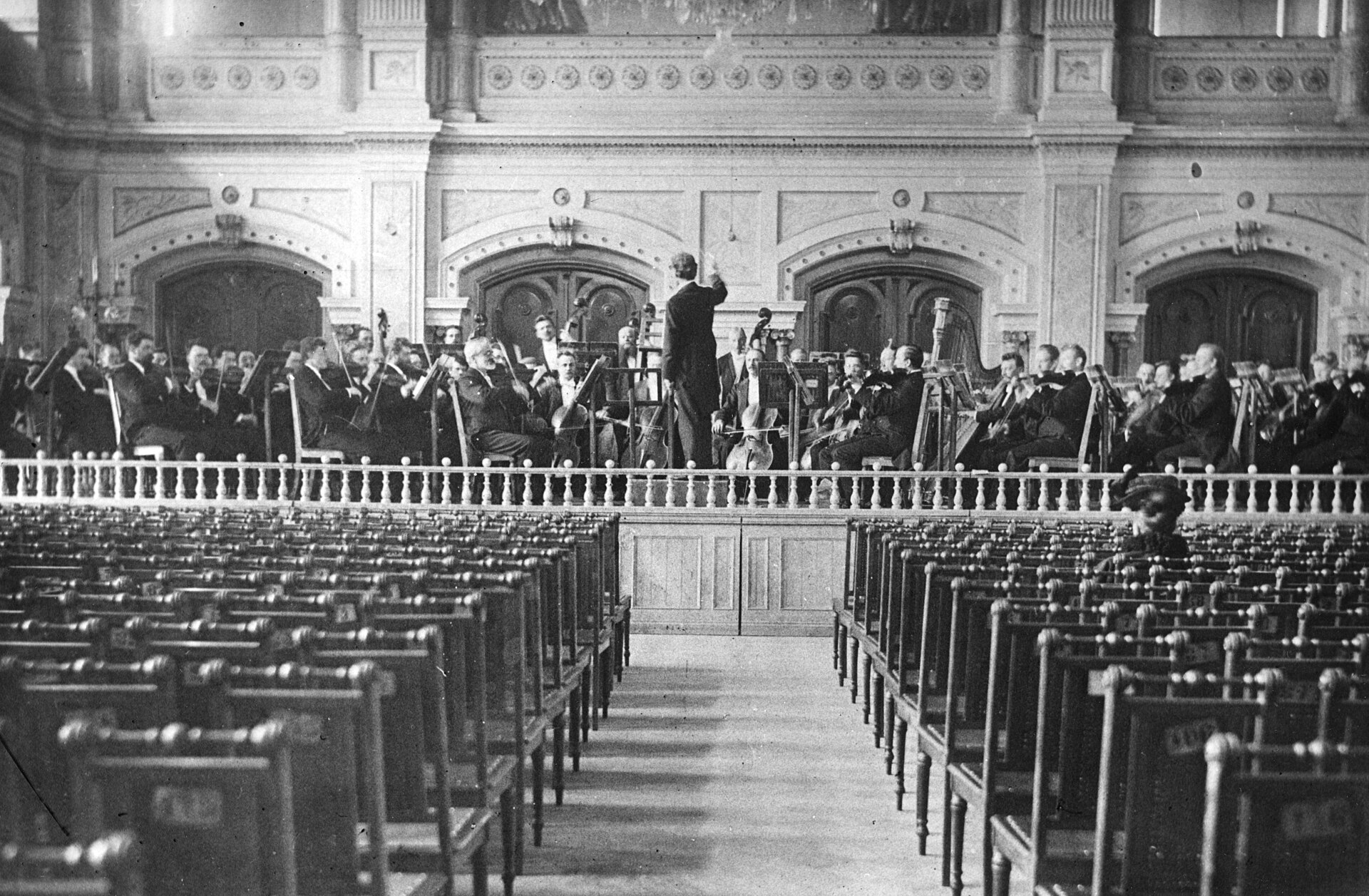
What Is a Symphony? A Complete Guide for First-Time Listeners
A Guide for New Listeners
A symphony averages forty minutes — no lyrics, no visuals, just a hundred musicians and a single arc of sound. This guide breaks down what a symphony actually is, how its movements work, why Haydn, Beethoven, and Mahler each changed…
-
Mozart’s Symphony No. 38 in D major ‘Prague’, K. 504
The symphony Vienna's indifference made possible
Mozart traveled to Prague in January 1787 not as a celebrated hero, but as a composer Vienna had already moved on from. The Marriage of Figaro had closed there after six performances. In Prague, it was still packing houses. The…
-
Shostakovich’s Jazz Suite No. 2 — Waltz
The waltz that conquered the world under the wrong name
Shostakovich's Waltz No. 2: The World's Most Famous Impostor For decades, this waltz has captivated the entire world. It's time to uncover the truth hidden behind its famous name. The lazy, alluring melody of a saxophone drifts in, followed by…
-
Haydn’s String Quartet Op. 20 No. 5 ‘Sun’
The darkest piece in a set named after the sun
In 1772, Haydn was 40 and stranded at Esterháza — 150 kilometres from Vienna, without peers, without critics, almost without contact. He responded by writing six string quartets that ended three of them with fugues. Op. 20 No. 5 is…
-
Ravel’s Ma mère l’Oye — Suite
Written for two children who never got to play it
The premiere put two girls aged eleven and fourteen at the keyboard. Mimi and Jean—the children Ravel actually wrote it for—were nowhere near the stage. A fairy tale simple enough for six-year-old fingers became an orchestral suite, then a ballet.…
-
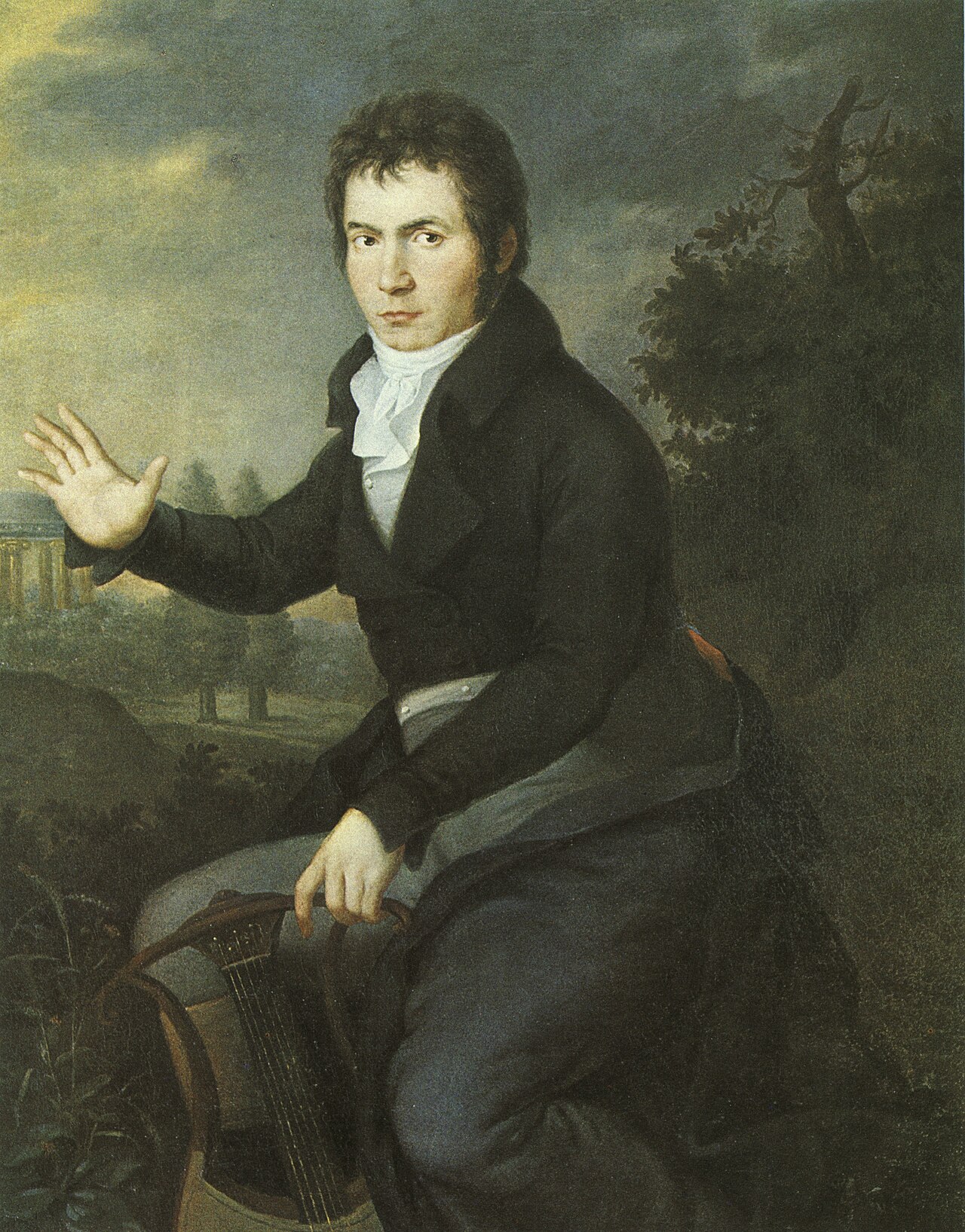
Beethoven’s Mass in C major, Op. 86
Born between a patron's scorn and Beethoven's pride
After the 1807 premiere, Prince Esterházy turned to Beethoven and asked: My dear fellow, what is this that you have done again? Beethoven never forgot those words. This is the story of a mass that survived its patron's contempt —…
-
Haydn’s Cello Concerto No. 2 in D major, Hob. VIIb:2
The concerto his student was accused of stealing
In 1783, Haydn composed this concerto for Anton Kraft, the principal cellist at the Esterháza court. When Haydn's autograph manuscript vanished, musicologists spent 150 years crediting Kraft as the true composer. It took until 1953 for the original score to…
-
Tchaikovsky’s 1812 Overture in E-flat major, Op. 49
He dismissed it as worthless noise. It became the world's most famous overture.
Tchaikovsky wrote the 1812 Overture in six weeks under obligation and despised the result. He called it loud, artless, and written without warmth. Then the Soviet Union banned it for seventy years—in Russia—while Americans made it the anthem of their…