Author: The Classic Note Editorial
-
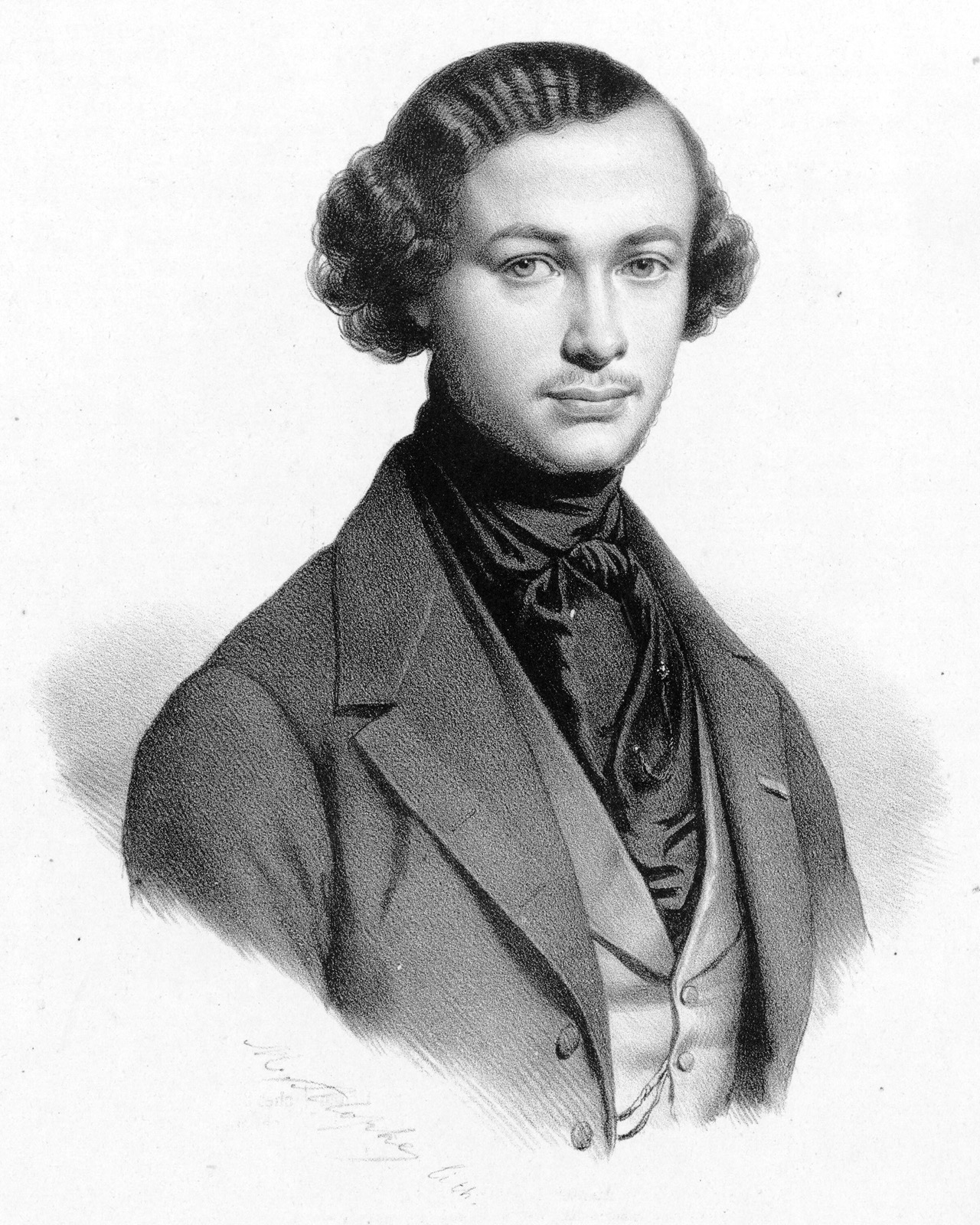
Vieuxtemps’s Violin Concerto No. 5 in A minor, Op. 37
The Concerto That Refused to Be Forgotten
There's a piece that students at the Brussels Conservatory dread for their graduation exams. And ironically, it was commissioned specifically to be a "competition test piece." That piece is Vieuxtemps's Violin Concerto No. 5. In 1858, Vieuxtemps's…
-
Dvořák’s Symphony No. 6 in D major, Op. 60
The orchestra Richter kissed Dvorak to commission — then refused to play
Hans Richter personally kissed Dvorak and asked him to write a symphony for the Vienna Philharmonic. Dvorak delivered in ten months. Then the orchestra shelved it — the players simply did not want to perform a Czech composer two seasons…
-
Rachmaninoff’s Études-Tableaux, Op. 39
Nine études with hidden images — Russia's last gift before the exile
Rachmaninoff called them 'études-tableaux' — study-pictures — and then refused to name the pictures. The only clues came from Respighi, who pressed him years later and received a partial list. Nine études in total, and they were the last solo…
-
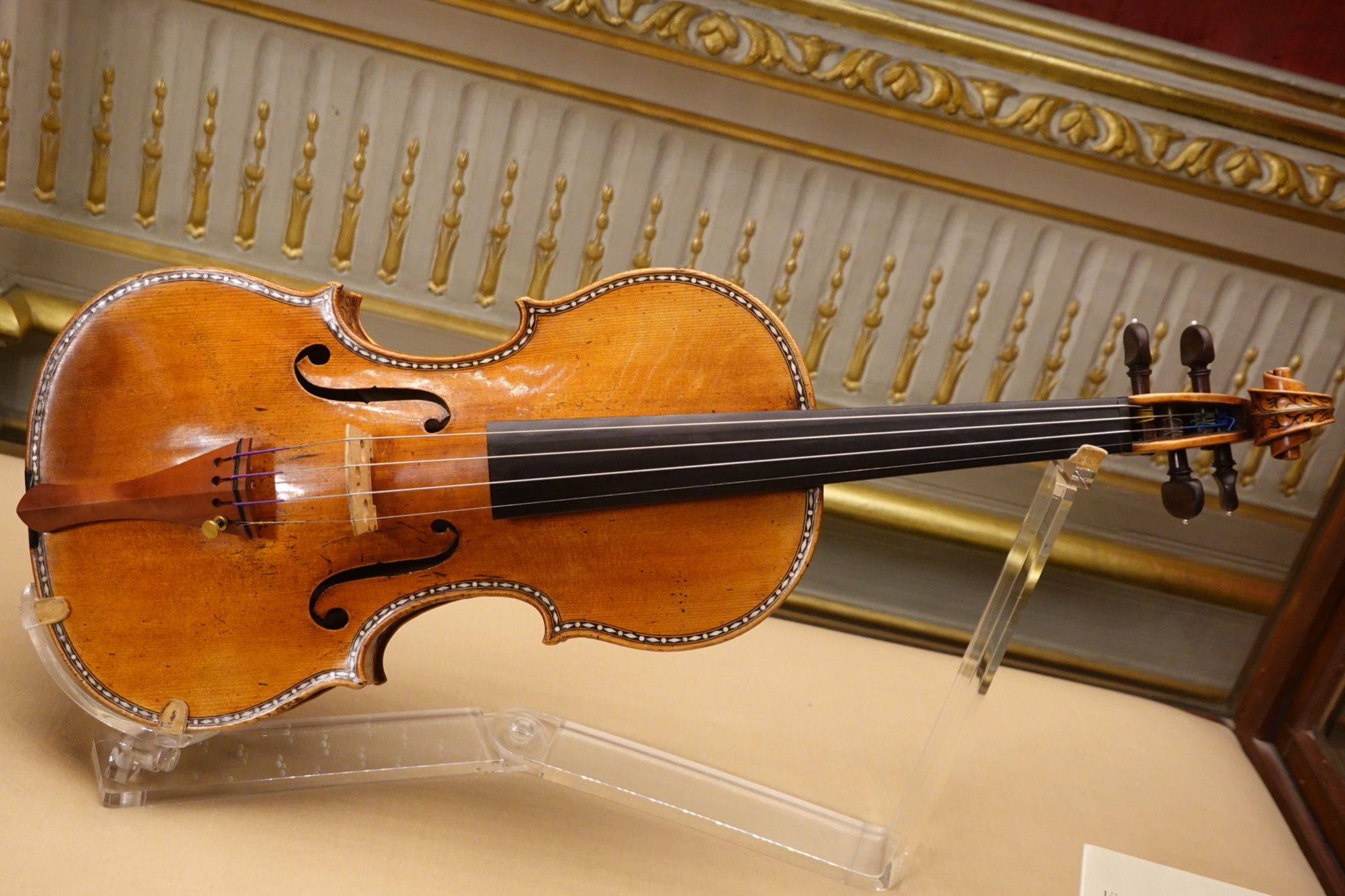
The Complete Guide to Violin Concertos
A Dramatic Dialogue for Soloist and Orchestra
The violin concerto stands as one of classical music's most captivating forms, pairing a solo violin with a full orchestra in a display of virtuosity and emotion. From the Big Four to Sibelius and Dvořák, this guide covers essential listening…
-
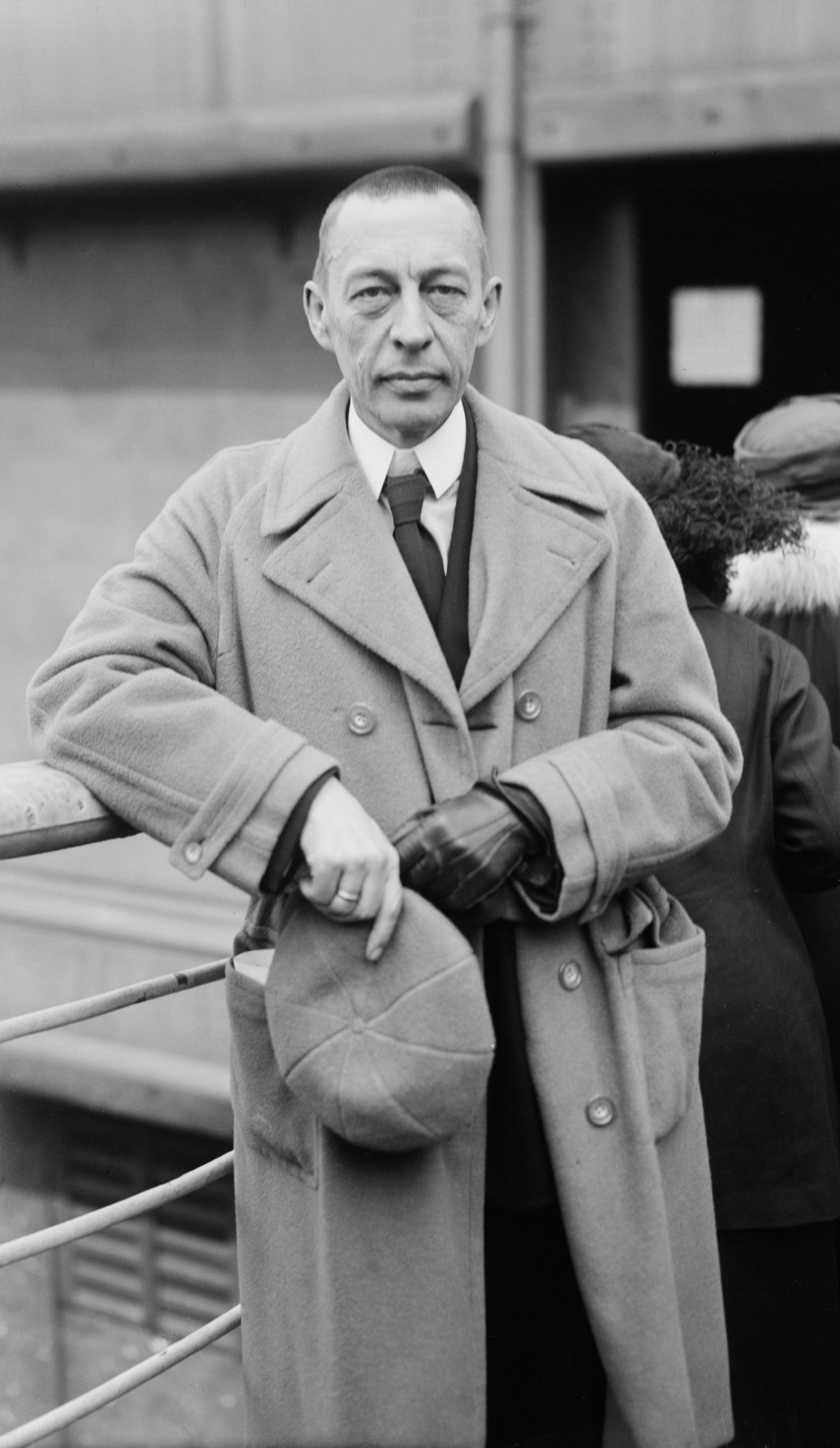
Rachmaninoff’s Symphonic Dances, Op. 45
Rachmaninoff's final masterwork — written in exile, haunted by Russia
Rachmaninoff wrote one word in the margin of his final score by hand: Hallelujah. A composer who had woven Dies Irae through nearly every major work ended his last piece not with dread but with something else. The Symphonic Dances…
-
Barber’s Adagio for Strings, Op. 11
The eight-minute elegy that defines American grief
When a nation needs to grieve, it reaches for Barber's Adagio. Kennedy's assassination, 9/11, countless state funerals — this eight-minute string piece has become the unofficial sound of American mourning. Barber wrote it at 26, with no idea what it…
-
Dvořák’s Violin Concerto in A minor, Op. 53
The 140-year afterlife of a concerto Joachim refused to touch
Joachim never played it. Dvořák revised, dedicated, and waited — two years of silence in return. The concerto that the greatest violinist of the era refused became one of the most overlooked gems in the repertoire. Why he said no…
-
Tchaikovsky’s Symphony No. 1 in G minor ‘Winter Daydreams’, Op. 13
Written through a breakdown, rejected by his own teachers, revised for eight years
At 26, Tchaikovsky nearly collapsed writing it. His teachers at the St. Petersburg Conservatory refused to perform it as written. He spent the next eight years in revision — and what emerged from that ordeal is the symphony you hear…
-
Bach’s Cello Suites, BWV 1007–1012
For 200 years they were finger exercises. Then one boy changed everything.
Pablo Casals was 13 when he found a dusty manuscript in a Barcelona secondhand shop. He practiced it for twelve years before playing a single note in public. Until then, the Bach Cello Suites were considered warm-up exercises. Casals turned…
-
Beethoven’s Piano Concerto No. 1 in C major, Op. 15
The 'First' Concerto Beethoven finished second
Beethoven finished No. 2 before he finished No. 1. The publisher labeled the stronger piece first, and two centuries later the gap only widened: No. 2 is rarely heard outside specialist circles, while No. 1 is still the entry point…