Author: The Classic Note Editorial
-
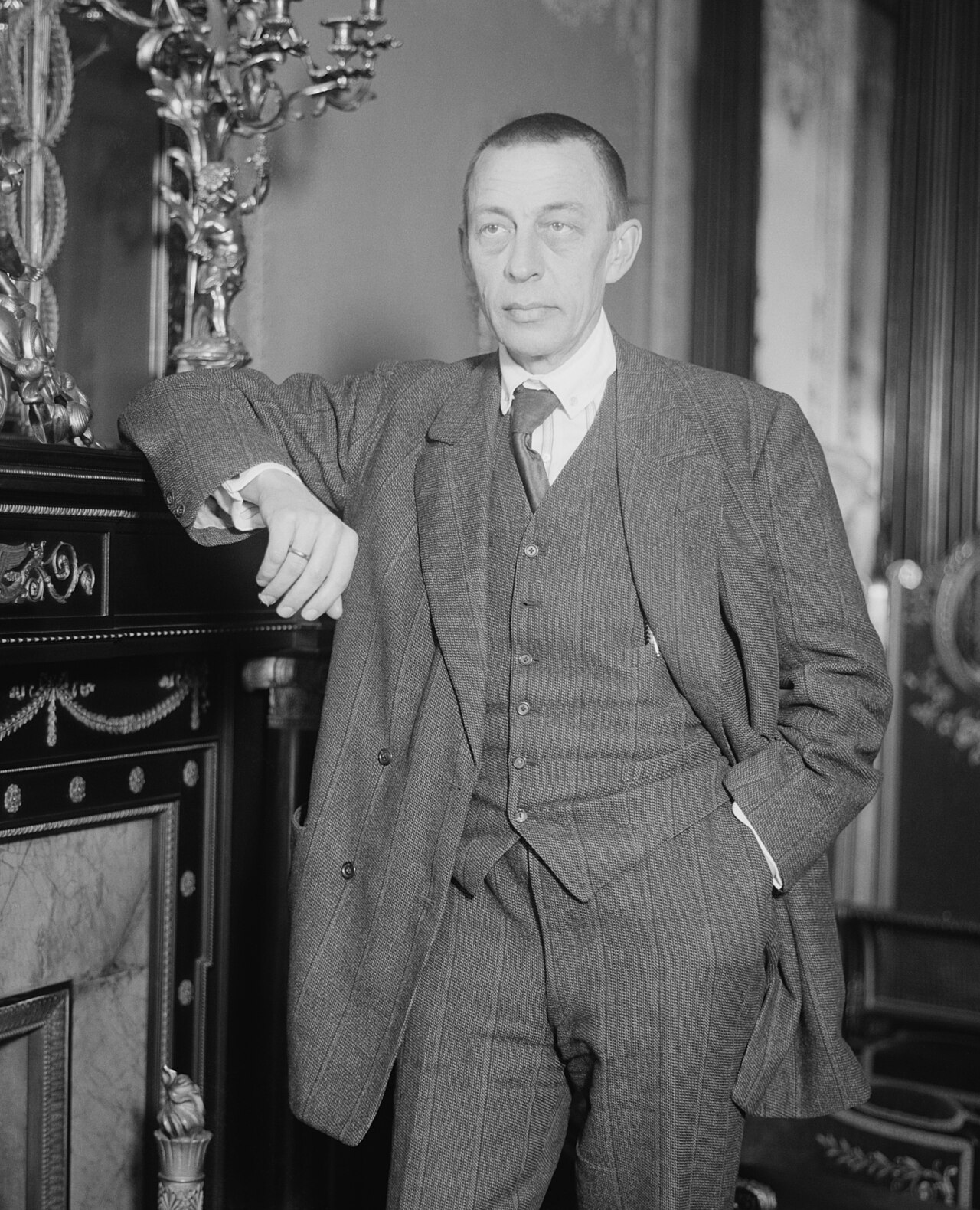
Rachmaninoff, The Bells, Op. 35 — An Anonymous Letter and a Funeral That Ends in Major
An anonymous letter and a funeral that ends in major
Rachmaninoff said The Bells, Op. 35 was the work he loved most. It began with an anonymous letter he wouldn't identify for thirty years, and ends with a funeral movement that resolves into D-flat major — one of the rarest…
-
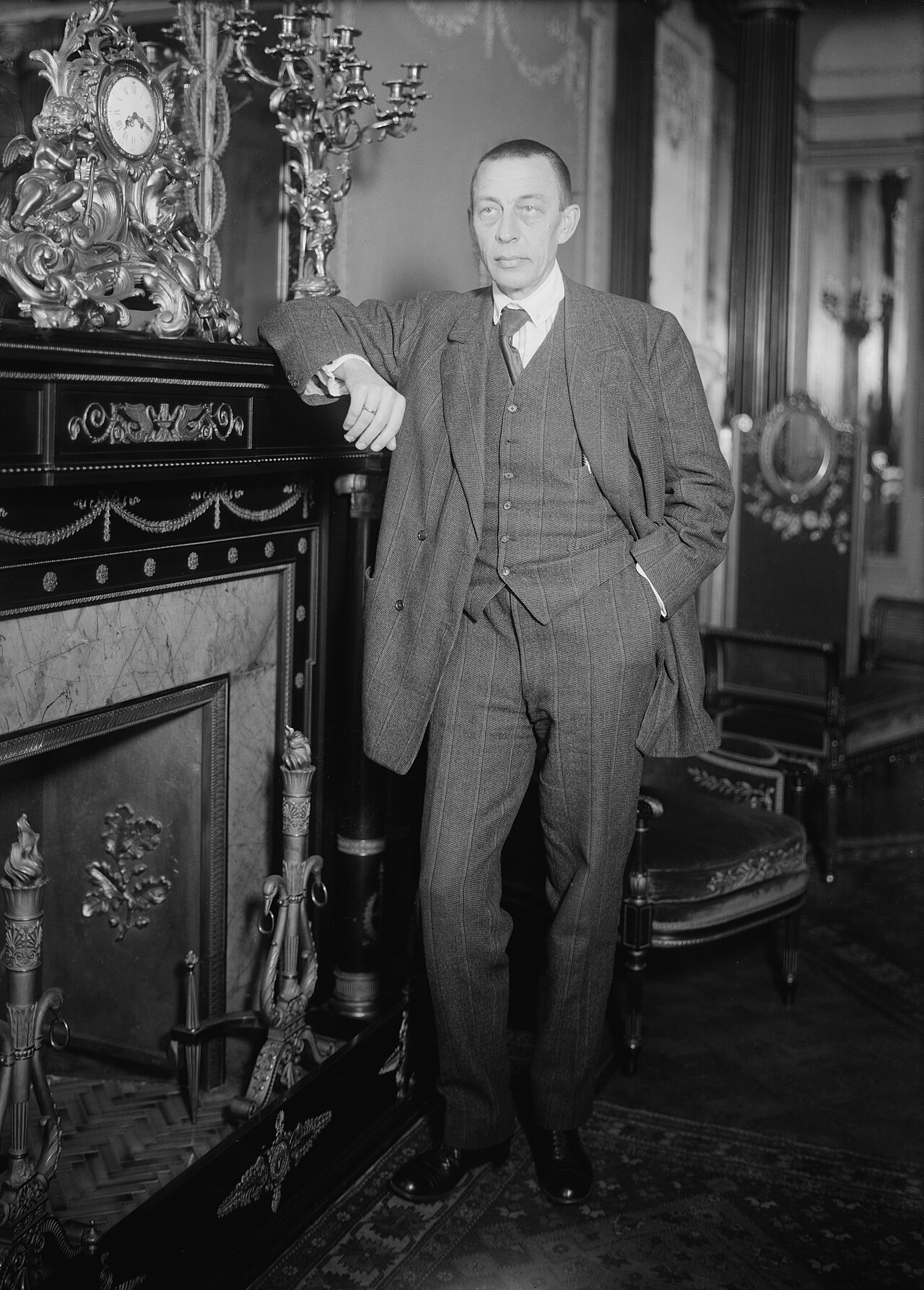
Rachmaninoff’s Vocalise, Op. 34 No. 14: The Song That Refused Words
The wordless song that sealed his vocal era
Moscow, 1912. Soprano Antonina Nezhdanova asked Rachmaninoff where the lyrics were. His answer was one sentence: "What more could words say?" A six-minute song built on fourteen bars of melody — and a posthumous standard the composer never approved.
-
Rachmaninoff – Piano Concerto No. 4 in G minor, Op. 40
The concerto he rewrote three times
New York's critics carpet-bombed it in 1927. The Largo theme drew comparisons to a nursery rhyme. The composer himself cut the ending twice across fourteen years. Rachmaninoff's Fourth is the sound of a master second-guessing himself.
-
Why Rachmaninoff Erased His First Concerto Twice — Piano Concerto No. 1 in F-sharp Minor
The Op. 1 the Composer Disowned Twice
Rachmaninoff murdered his own First Concerto twice — once in 1917 with a complete rewrite on the eve of exile, and again in 1909 by leaving it out of his American debut tour. This piece walks through both crime scenes,…
-
Beethoven Symphony No. 3 “Eroica” — Five Cracks in a Manufactured Myth
Five Cracks in a Manufactured Myth
In 1804 Beethoven dug 'Bonaparte' off his title page hard enough to tear the paper. In 1806, the first printed edition filed a musical obituary on a man still very much alive. The Eroica wasn't always heroic — it became…
-
The Applause Trap Tchaikovsky Built — How the Pathétique Became “the Sad Symphony” by Mistake
The Applause Trap and a Century of Mistranslation
Tchaikovsky's Sixth is not a sad symphony but a calculated trap. The fake finale, the four-step mistranslation of 'Pathétique', the dedication to nephew Bob Davydov, and the cholera verdict that finally settles the death mystery.
-
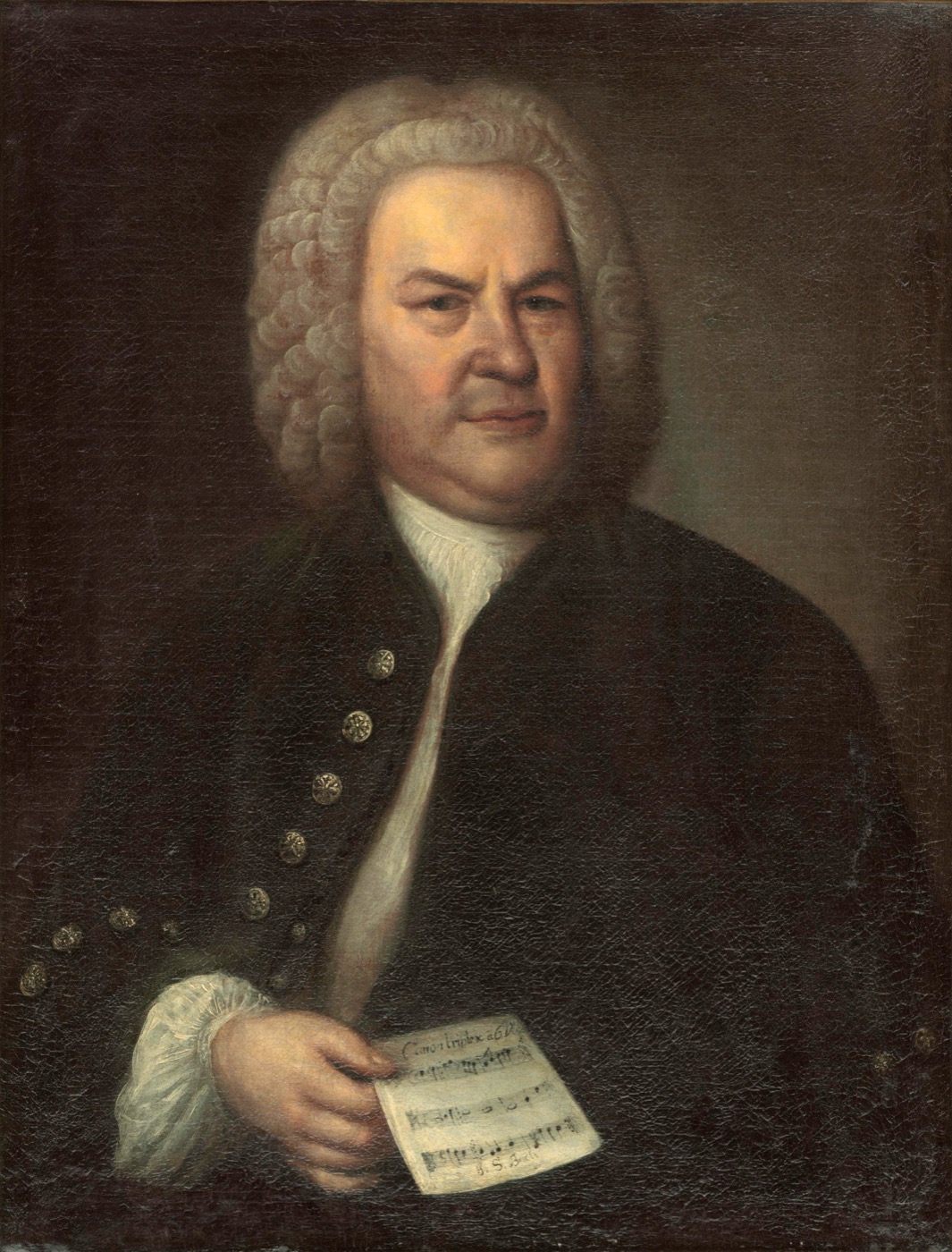
Bach Mass in B minor BWV 232 — A Dying Man’s Two-Hour Job Application
Petition, patchwork, 109 years of silence
Bach didn't name it. Two publishers slapped 'Mass in B minor' on the score in 1845, ninety-five years after his death. Only five of twenty-seven movements are actually in B minor. The title is the smallest lie this piece tells.
-
Brahms, Symphony No. 1 in C minor, Op. 68 — The 21-Year Myth and Clara’s Birthday Card
The 21-Year Myth and Clara's Birthday Card
'A twenty-one-year struggle that produced Beethoven's Tenth' — this article dismantles the unanimous English-language legend. The famous opening was patched in months before the premiere, 'Beethoven's Tenth' was Hans von Bülow's anti-Wagner political weapon, and the fourth-movement Alphorn theme was…
-
Mahler, Symphony No. 2 in C minor “Resurrection” — The Finale Stolen at a Funeral
The Finale Stolen at a Funeral
On 29 March 1894, at Hans von Bülow's funeral, a choir began Klopstock's ode Die Auferstehung. In that instant Gustav Mahler finally heard the ending of his Second Symphony — a piece that had been stuck on his desk for…
-
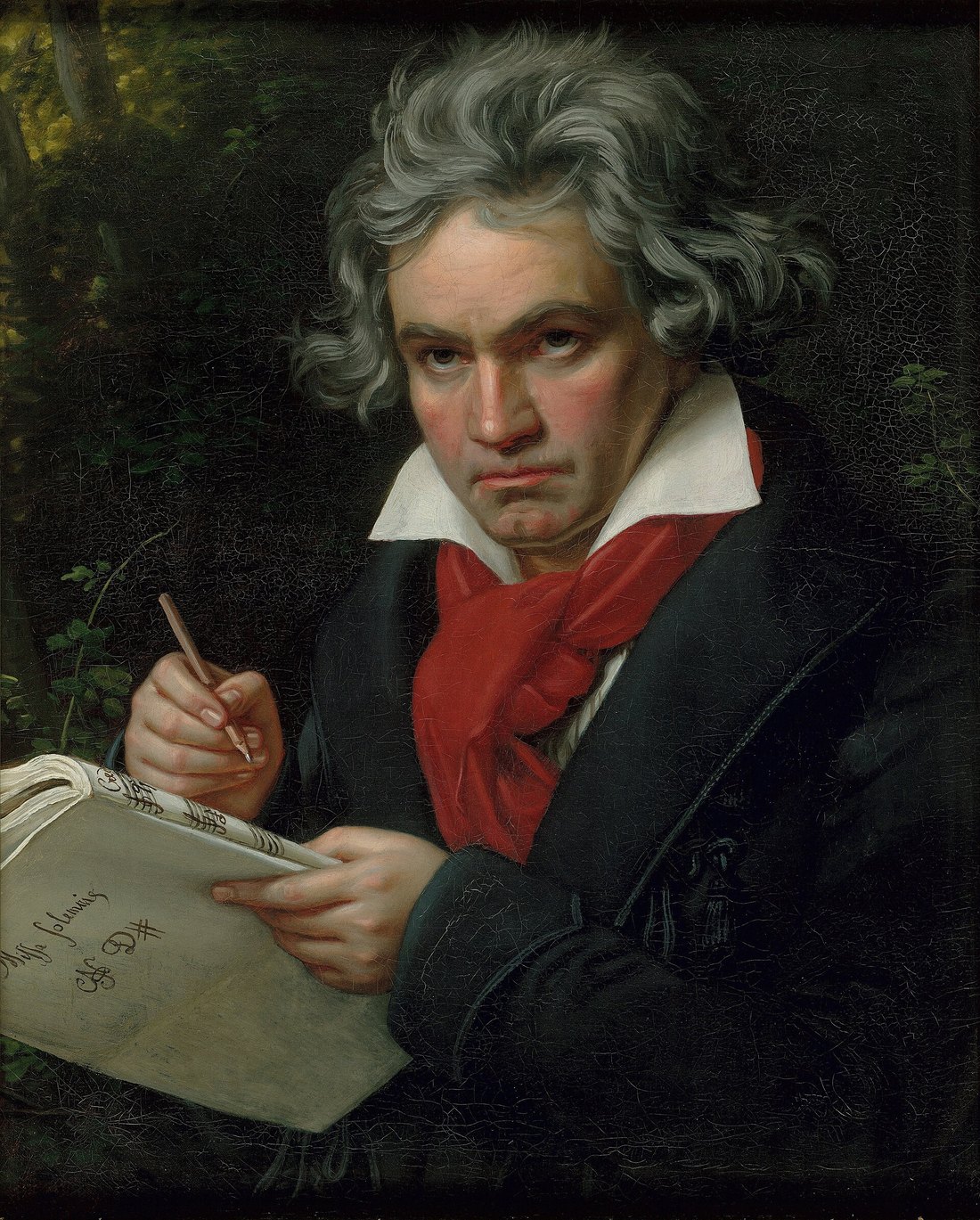
Beethoven Never Said “Fate” — Symphony No. 5, Three Myths Dismantled
The Four Notes Schindler Forged
Beethoven never said 'fate knocks at the door' — Schindler forged it. The 1808 premiere was a disaster. The dedication followed the money. Three myths, dismantled, and what remains after.