Author: The Classic Note Editorial
-
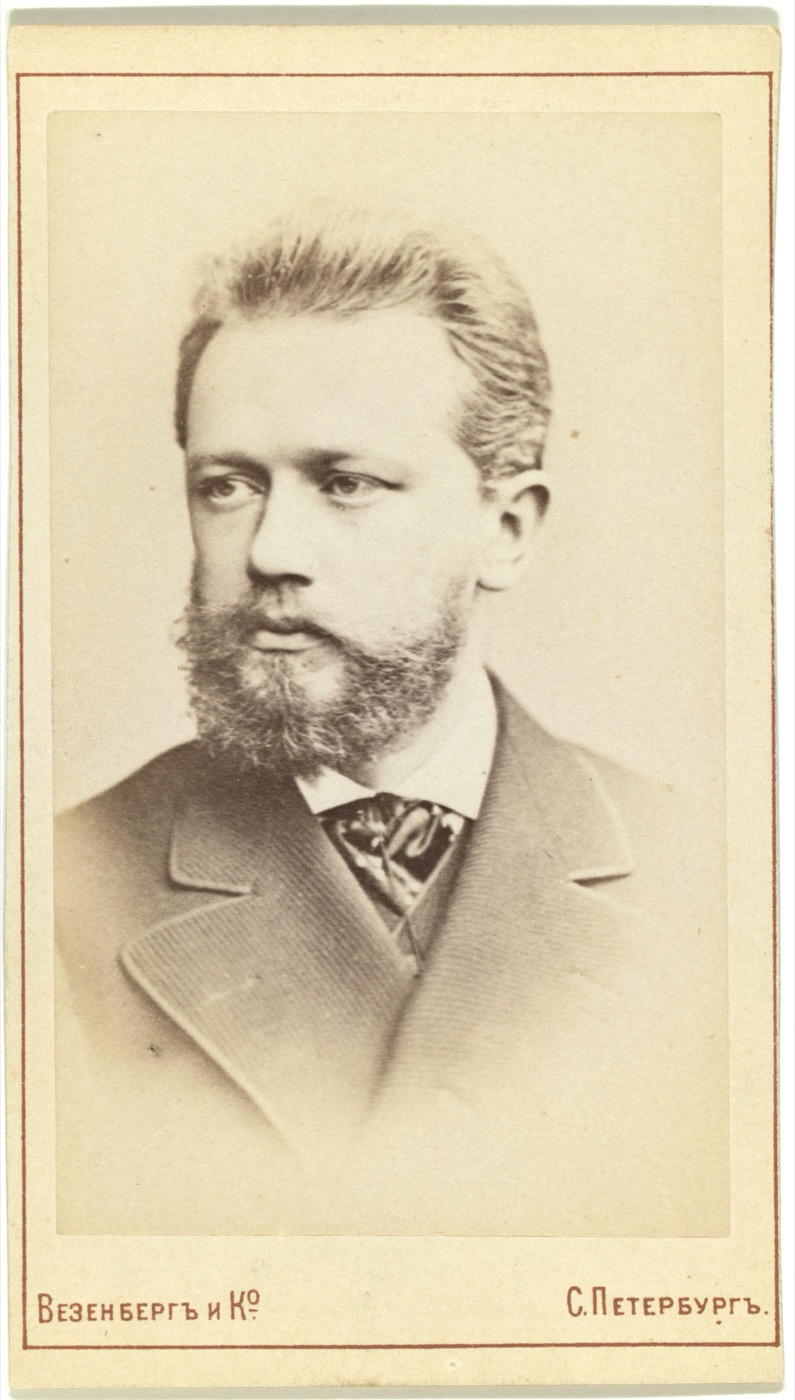
Tchaikovsky Piano Concerto No. 2: The Concerto He Preferred, the Student Who Rewrote It
A century of unauthorized cuts, a hidden triple concerto, and the Urtext revival
Tchaikovsky considered his Piano Concerto No. 2 the better work. After his death, his student Alexander Siloti — who had been explicitly refused permission to alter the score — published a cut edition that became the world standard for a…
-
Mozart Violin Concerto No. 5, K. 219 — Five Concertos at Nineteen, Then Silence, and a Sound from 1683
A Teenage Farewell to the Violin and a 92-Year Echo of the Ottoman Siege
Mozart wrote five violin concertos at nineteen and never wrote another. Hidden in the third movement of his last — K. 219 — is a ninety-two-year echo of the 1683 Siege of Vienna. His autograph manuscript never uses the word…
-
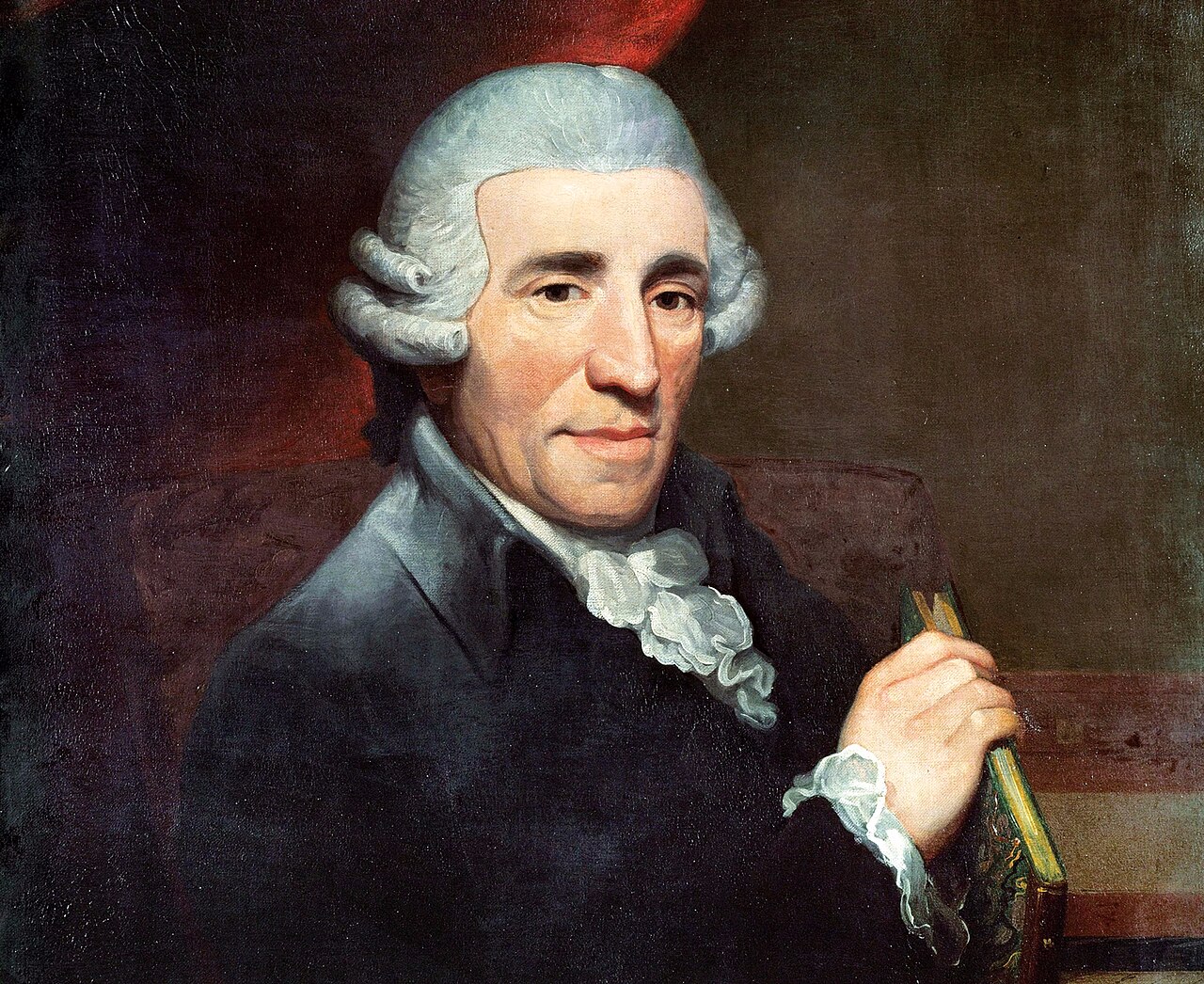
How to File a Grievance Through Music — Haydn’s Farewell Symphony
An Orchestra's Collective Bargaining in F-sharp Minor, 1772
In 1772, Haydn smuggled a labor grievance into a symphony. Players leave the stage one by one; the composer stays until the last note. The F-sharp minor gambit, the source problem behind the famous anecdote, and what the final two…
-
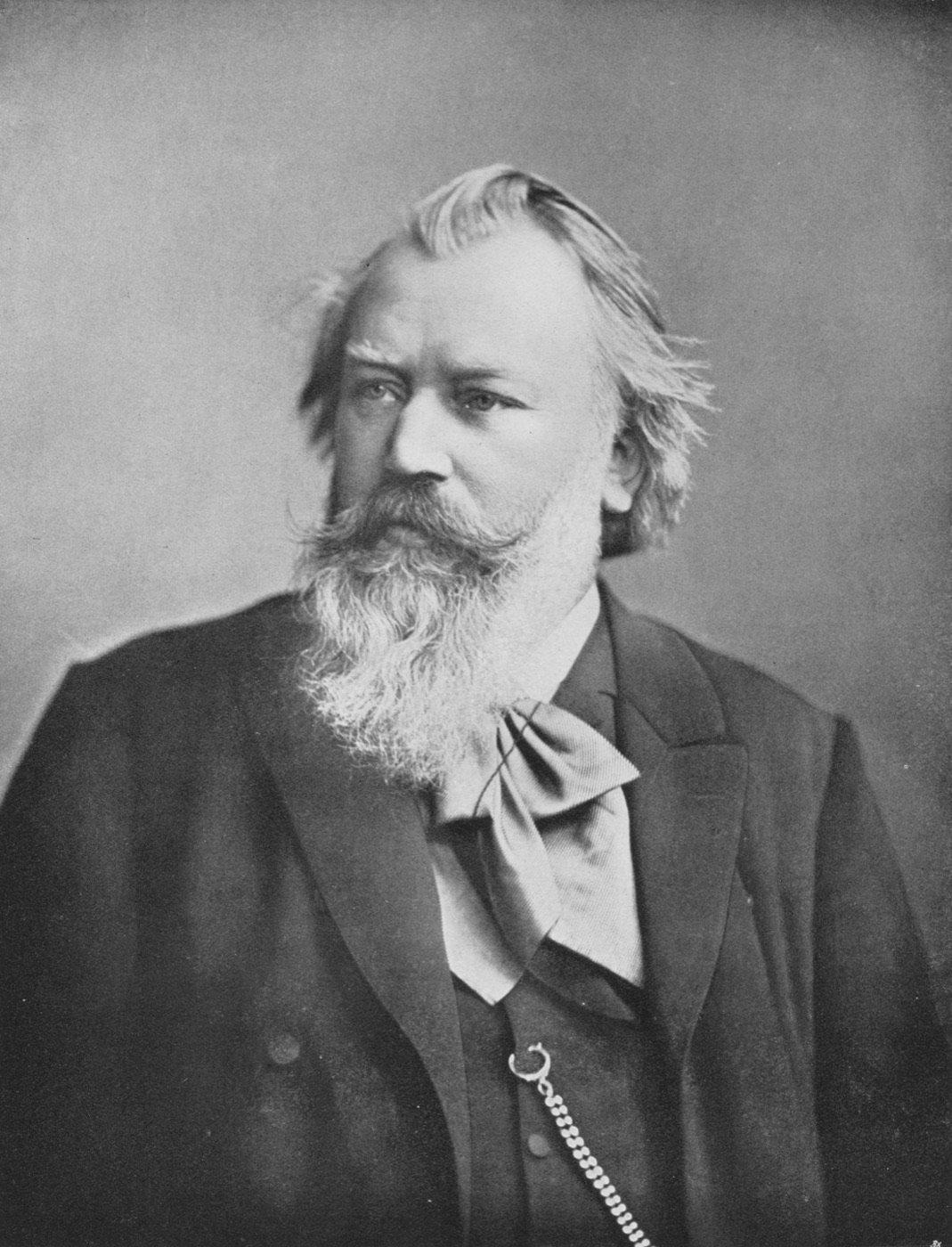
The Ring, the Booing, and the Breakup — Brahms’s Piano Concerto No. 1
An engagement ring, a wall of booing, and a breakup — one month in 1859
In January 1859, Brahms walked onstage wearing an engagement ring. A month later, the ring was gone, the audience had booed, and the engagement was off. The full story of the five-year journey behind his Piano Concerto No. 1.
-
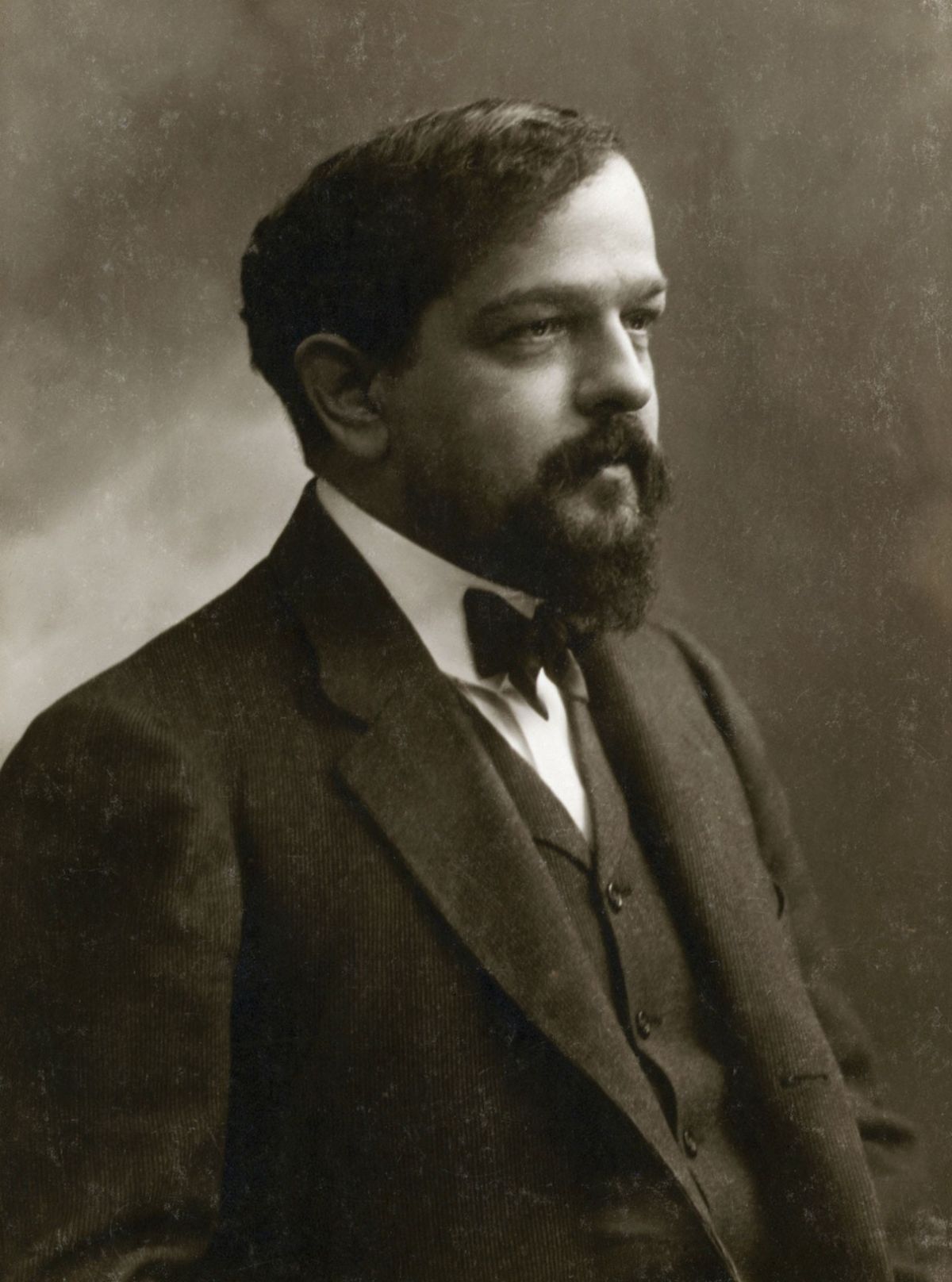
Debussy’s Préludes, Books 1 & 2 — What the Impressionist Label Hides
What the Impressionist label hides
In a 1908 letter to his publisher, Debussy called 'Impressionism' a word critics use to disguise their ignorance. Where he hid the titles of his twenty-four Préludes, and the piano roll where he overruled his own printed score.
-
Schubert String Quartet No. 14 in D minor, D.810 “Death and the Maiden” — A Self-Written Obituary at 27
The D-minor quartet where the Maiden vanished
Schubert's String Quartet No. 14 in D minor, D.810. The 1817 lied stripped down to Death's reply alone, transplanted into four movements all locked in minor keys — written in March 1824 alongside the Kupelwieser letter, in the same Vienna…
-
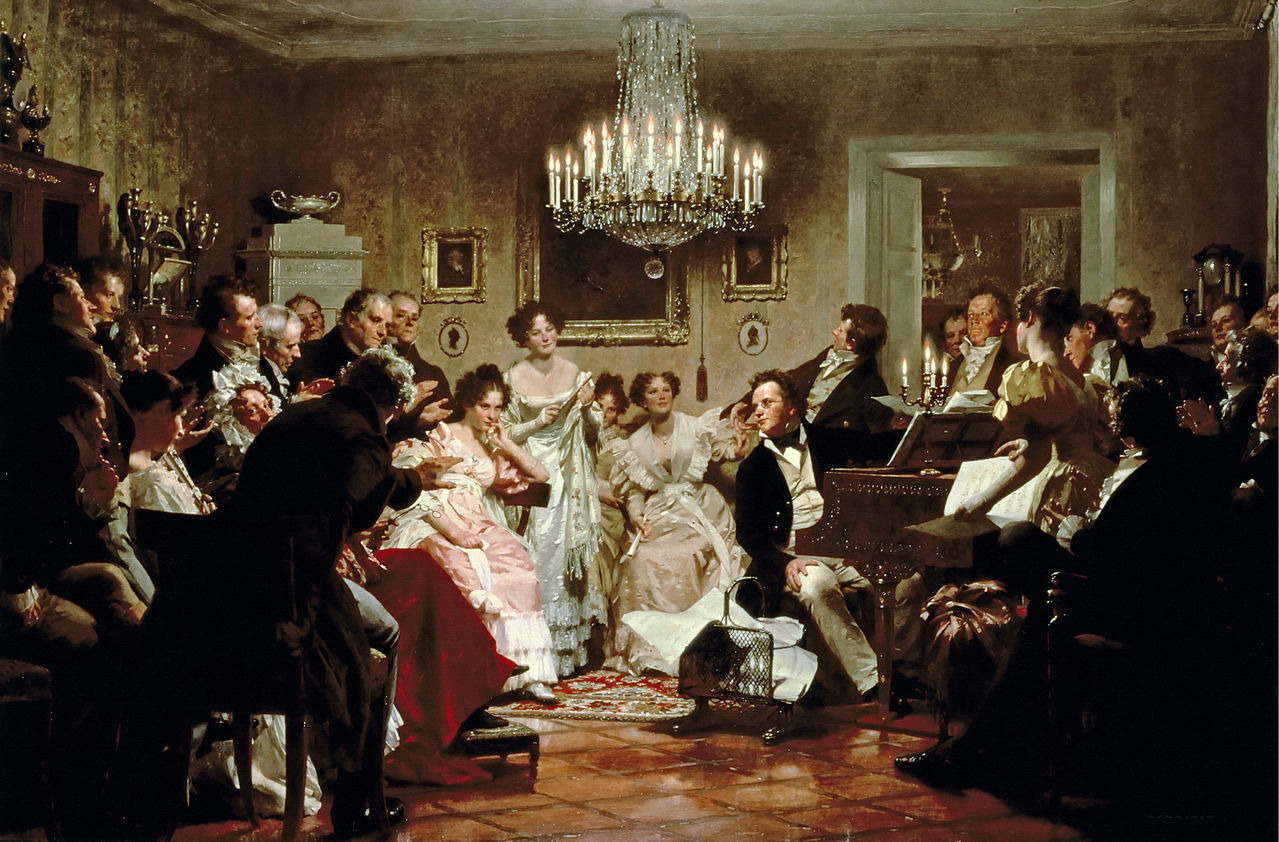
Schubert Symphony No. 5 in B♭ major, D.485 — A Teenager’s Letter to Mozart
A parlor symphony written to Mozart
In autumn 1816, a 19-year-old assistant teacher premiered his Fifth Symphony in a Viennese living room. The story behind Schubert's letter to Mozart.
-
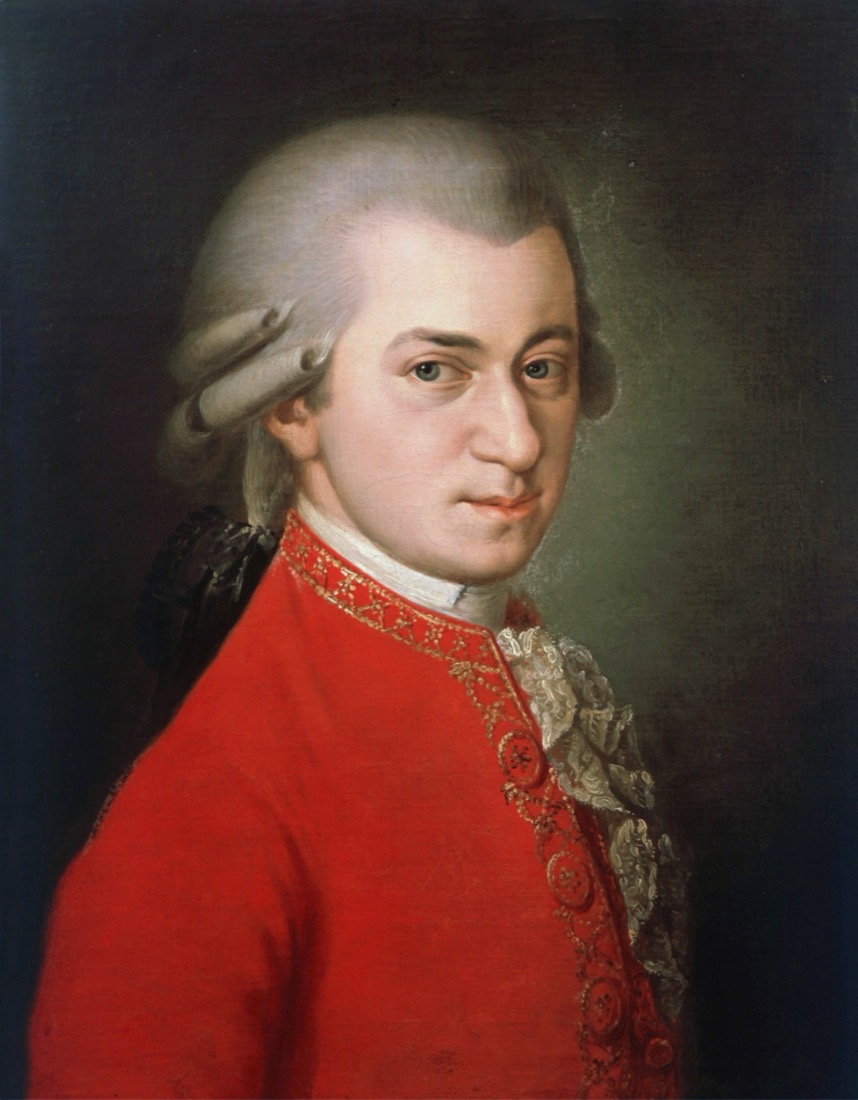
Mozart, Symphony No. 41 in C major “Jupiter,” K.551 — The Last Symphony He Probably Never Heard
The name Salomon gave it
The last page of Mozart's autograph score, preserved in Berlin, says nothing about Jupiter. The nickname was pinned on thirty years after his death by the London impresario Salomon, and first appeared in print on a 1821 Edinburgh concert program.…
-
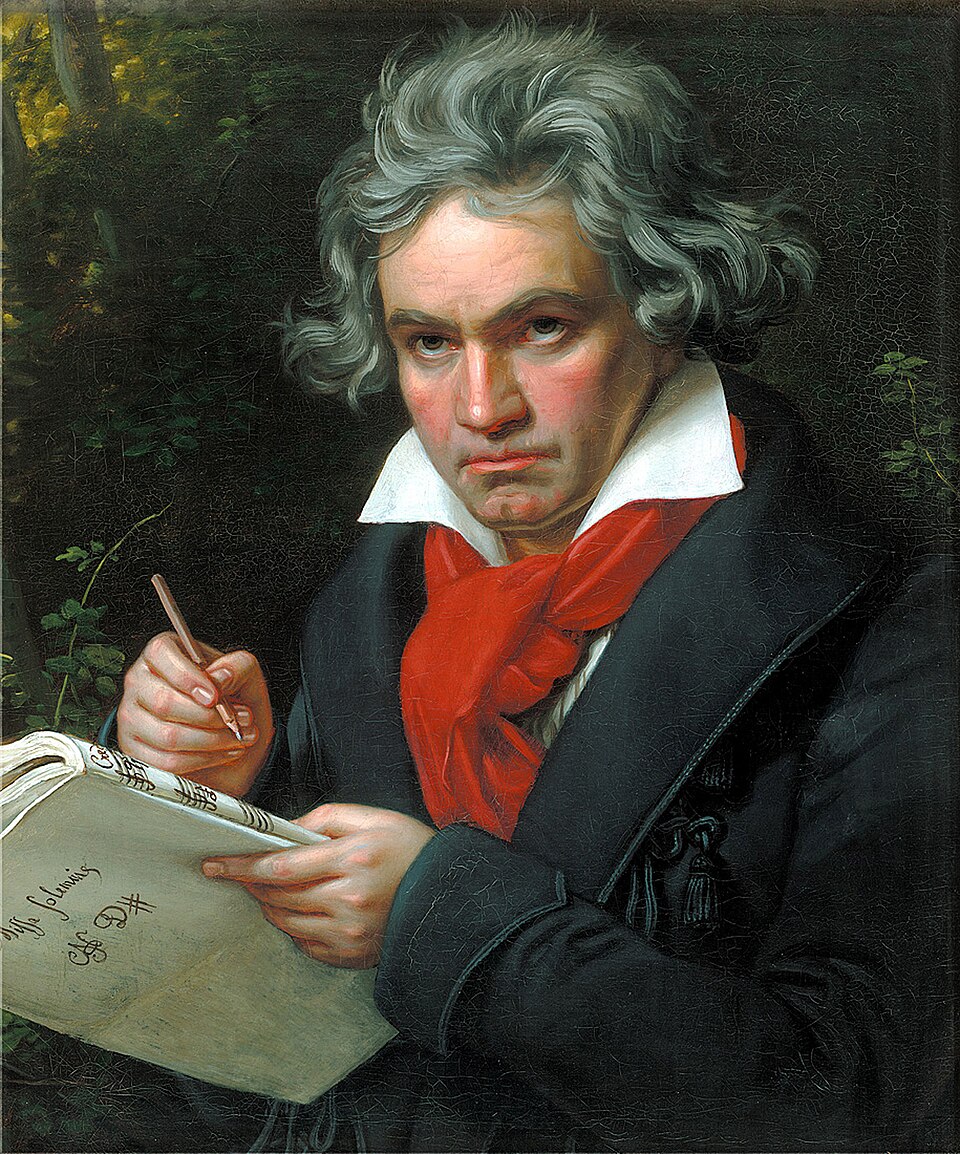
Beethoven Symphony No. 8 — The One He Said Was Better
The 26-minute joke Beethoven preferred
Vienna, February 27, 1814. The Seventh got the ovation; the Eighth got polite applause. Backstage, Beethoven told his pupil one sentence: this one is much better. The Mälzel metronome myth has a timeline problem, the finale hides a two-hundred-year-old punchline,…
-
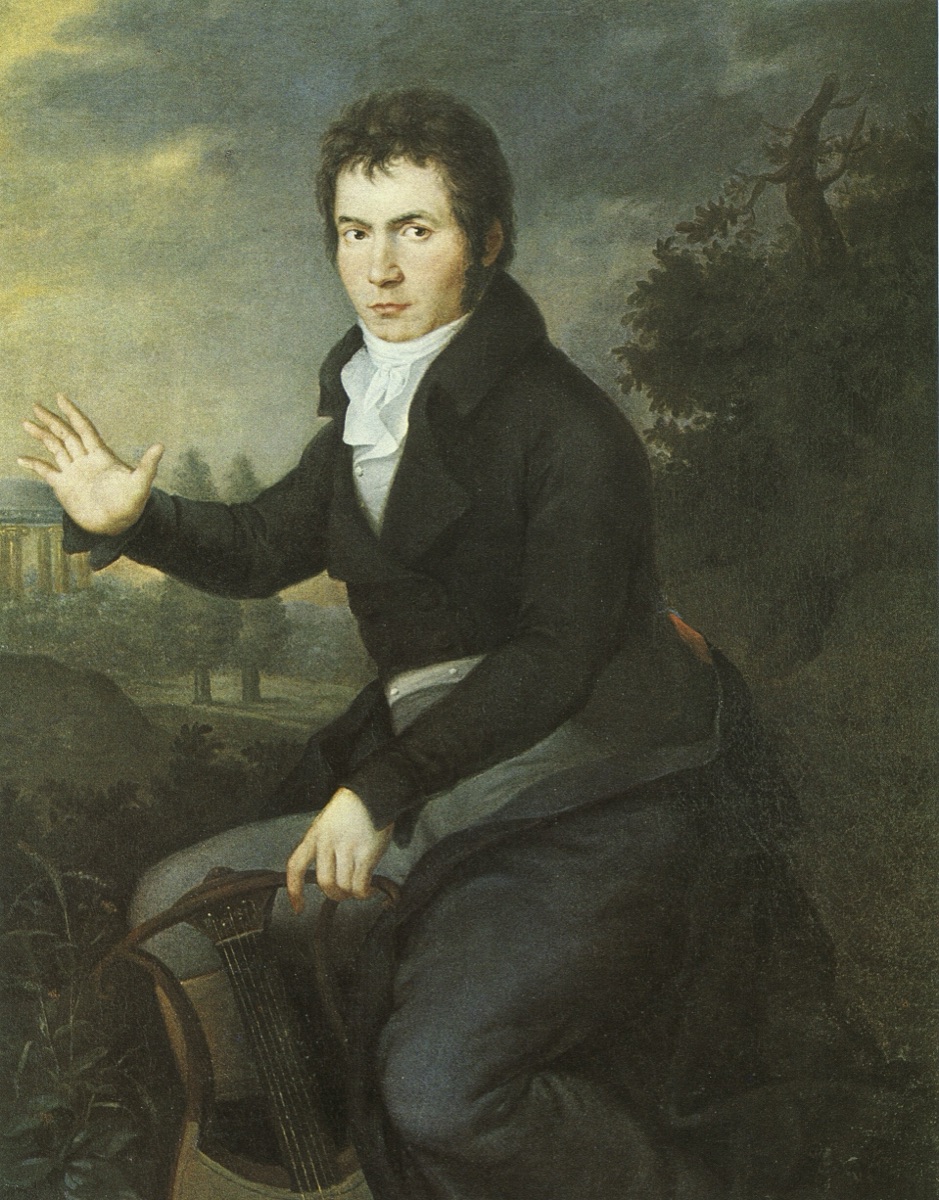
Beethoven Symphony No. 4 Op. 60 — the patron he double-sold
How Beethoven double-sold a patron and dropped the bassoon trap
Vienna, March 1807. Count Oppersdorff has paid Beethoven for the Fifth and is about to watch it premiere under another patron's name. The consolation prize Beethoven hands him is what we now call Symphony No. 4.