Author: The Classic Note Editorial
-
Shostakovich’s Symphony No. 10 in E minor, Op. 93
Stalin died. Shostakovich survived, signing this symphony with his own name.
In the summer after Stalin's death, Shostakovich finally wrote the symphony he had been suppressing for years. His Tenth is a raw, autobiographical document — a portrait of terror, defiance, and the first breath of freedom.
-
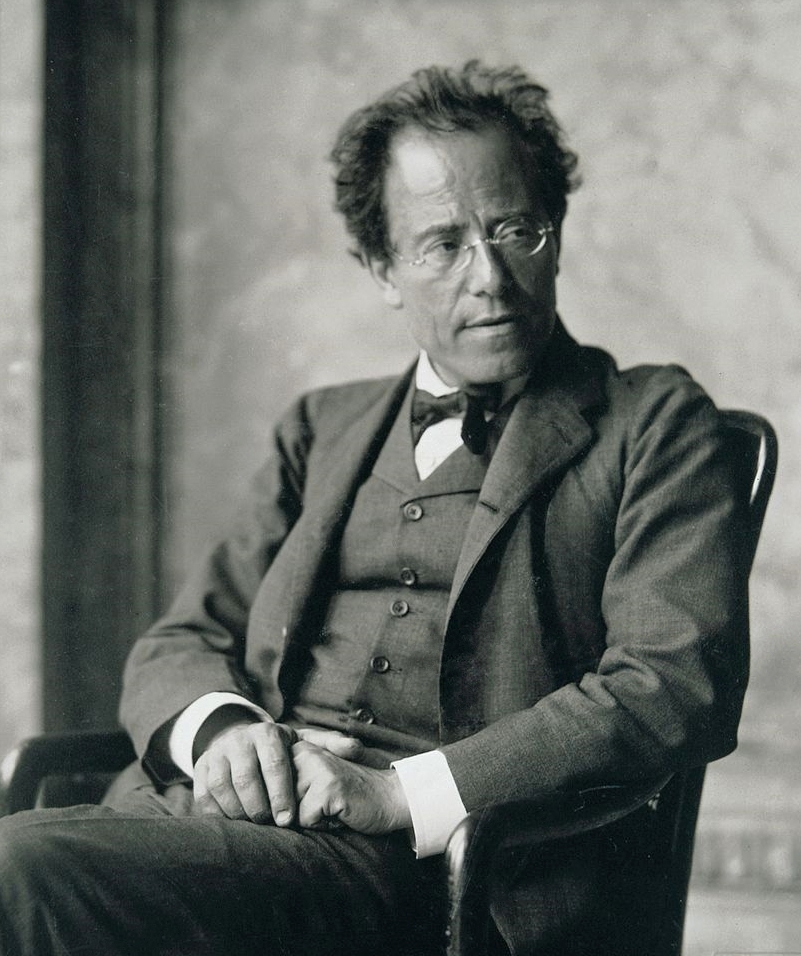
Mahler — Symphony No. 6 in A minor, “Tragic”
A prophecy of defeat, written in the happiest summer
Mahler wrote his Sixth Symphony at the peak of happiness, yet it ends in devastating tragedy. Three hammer blows of fate, a funeral march, and an ending that offers no consolation — this is the symphony that terrified even its…
-
Mahler’s Symphony No. 9 in D major
The composer's last completed work, with his heartbeat written into the score
Mahler's final completed symphony begins with the faltering rhythm of his own dying heart. Written after a fatal diagnosis, the Ninth is music's most profound farewell — a work that stretches the boundaries of what an orchestra can express.
-
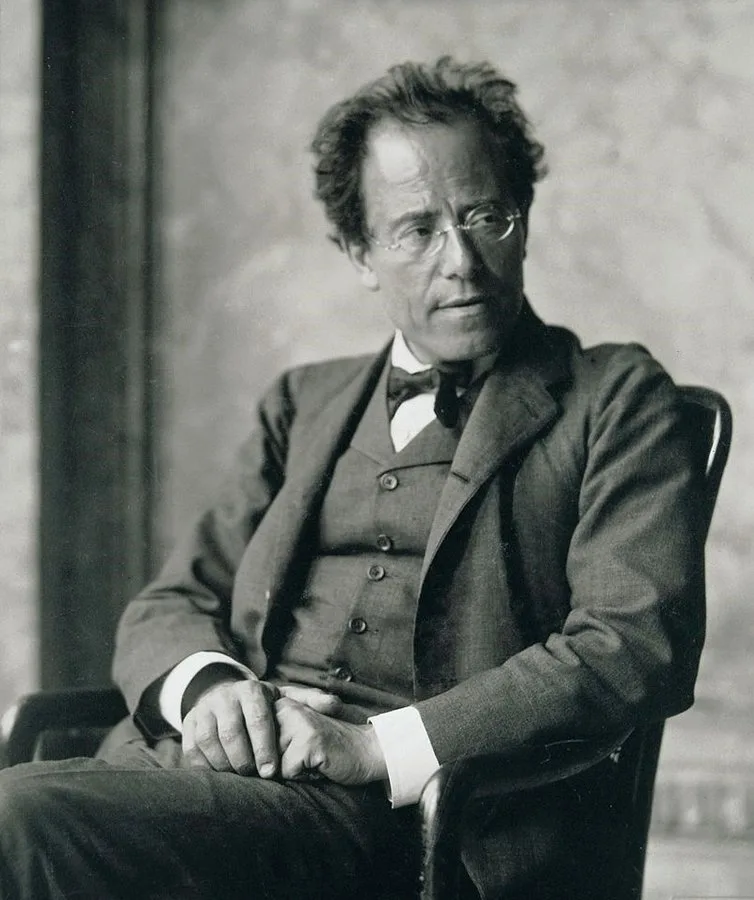
Mahler’s Symphony No. 5 in C-sharp minor
From a death scare to the most famous love letter in musical history
A near-fatal hemorrhage, a new love affair, and a funeral march that became the most famous opening in all of Mahler. The Fifth Symphony is the story of a man who stared at death and decided to embrace life with…
-
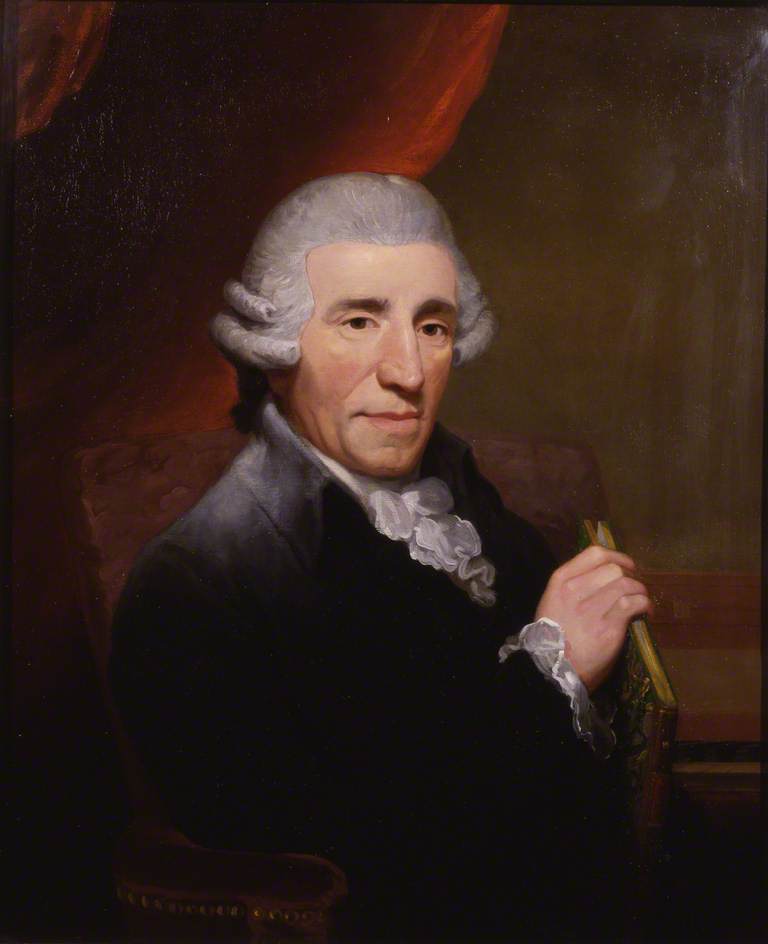
Haydn’s Symphony No. 94 in G major, Hob.I:94 ‘Surprise’
Haydn buried a cannon-shot inside a lullaby — and London fell for it completely
In March 1792, London audiences settled into their seats for what seemed like a gentle, unassuming slow movement. Then Haydn's full orchestra erupted on a single chord — and the hall erupted with laughter. Symphony No. 94 built its reputation…
-
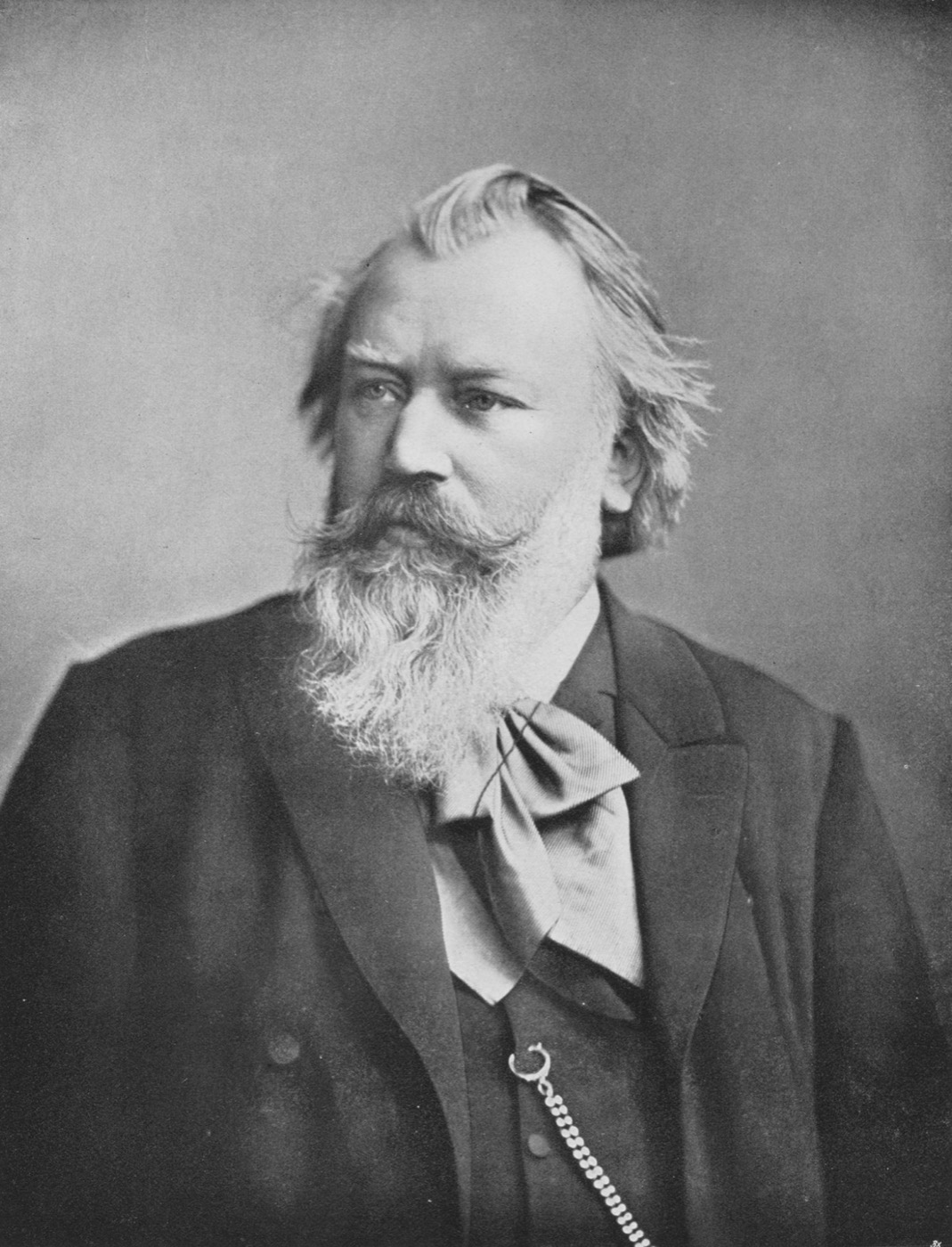
Brahms’s Symphony No. 3 in F major, Op. 90
The motto he buried in three notes — and what it cost him to stay joyful
In the summer of 1883, Brahms rented a studio overlooking the Rhine and encoded three letters into the first chords of his Third Symphony. F, A-flat, F — a private promise, a thirty-year-old answer. The symphony that follows begins in…
-
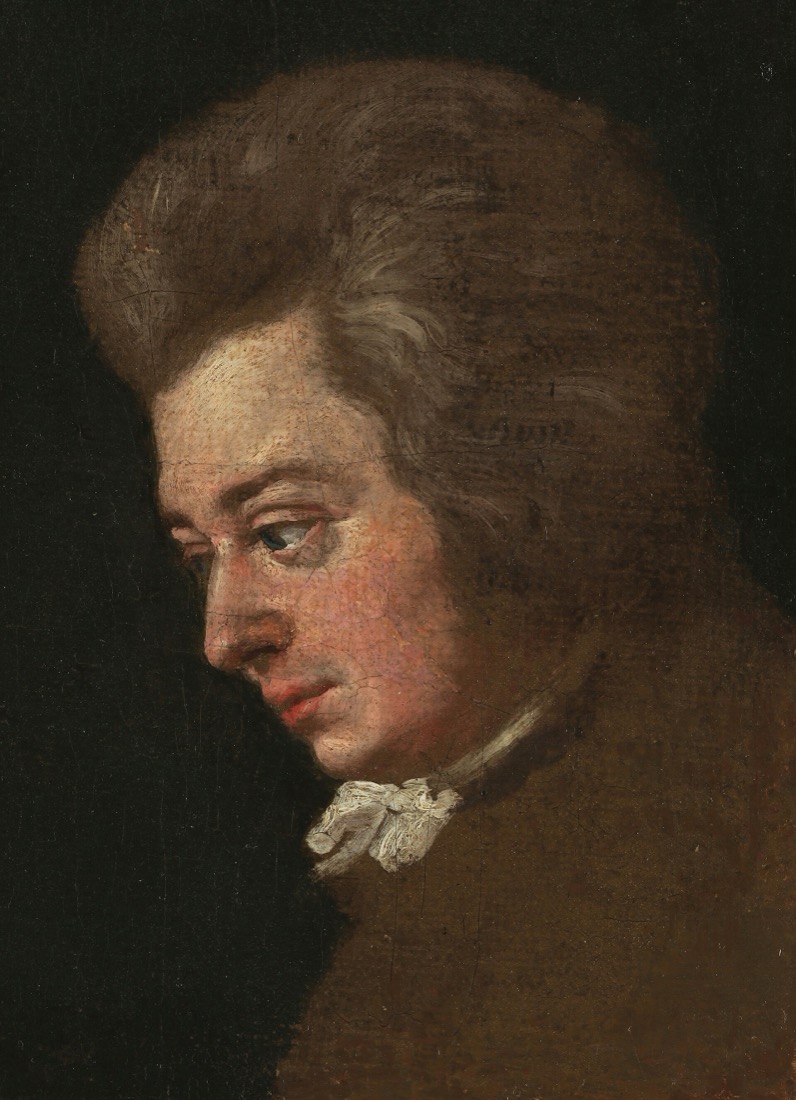
Mozart’s Symphony No. 40 in G minor, K. 550
Three symphonies in six weeks — only one refused to end in major
Mozart entered it in his catalog on July 25, 1788 — middle work of a trilogy finished in six weeks, with no commission and no premiere on record. Of the three, No. 39 and the ‘Jupiter’ both end triumphantly. No.…
-
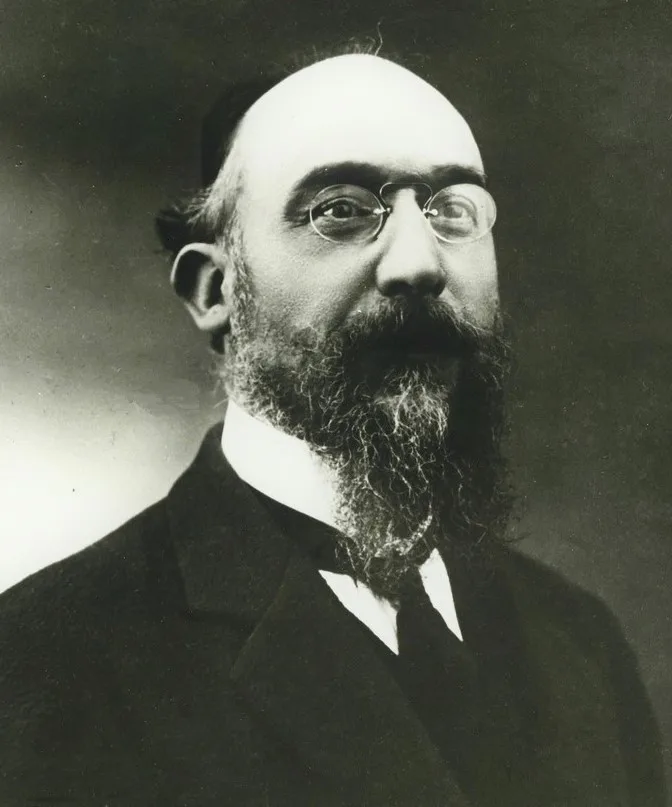
The Closed Room: Erik Satie’s Strange, Solitary Life
He let no one inside — not even the people who loved him
In 1925, after Satie died, the room he had kept locked for twenty-seven years finally opened. Inside were dozens of unopened umbrellas, years of unread letters, and a piano turned upside down. The quietest composer in Paris had been keeping…
-
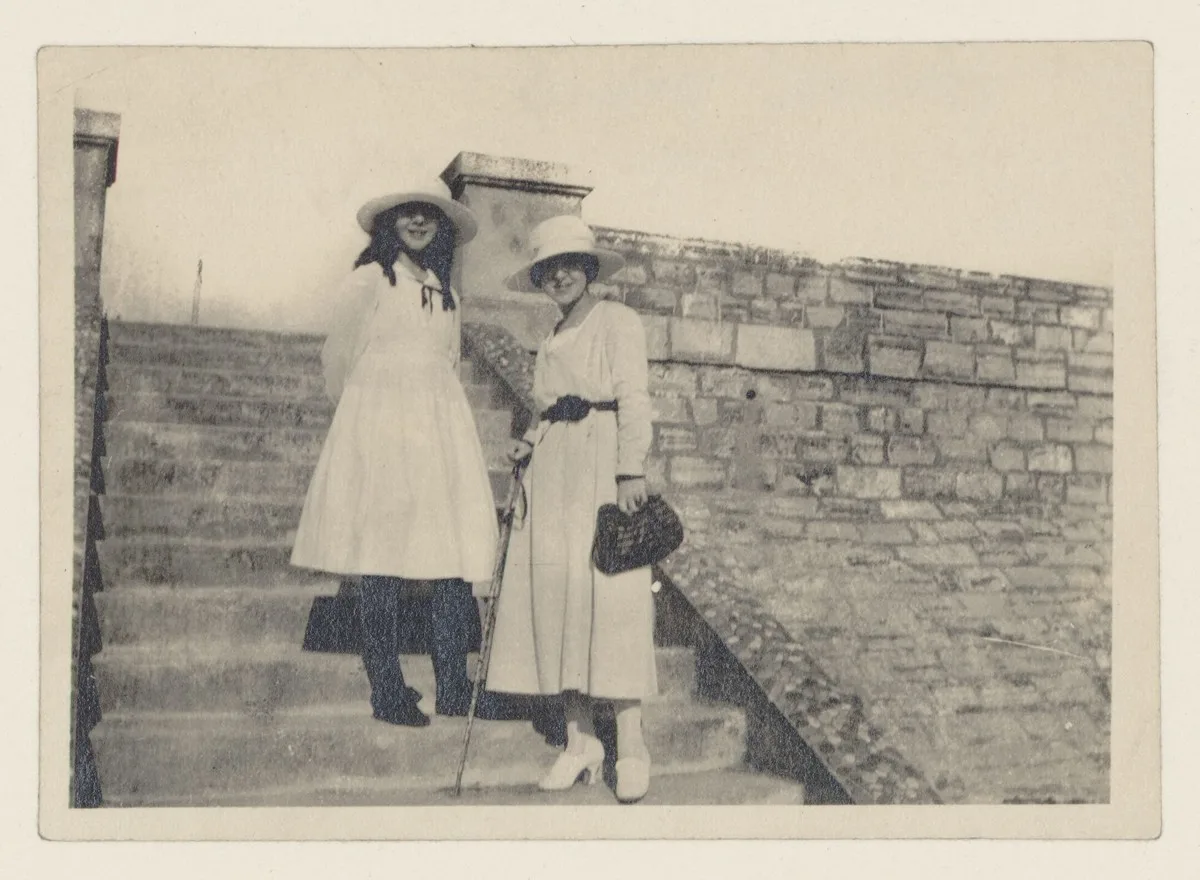
Debussy’s Betrayal: An Affair, a Scandal, and a Masterpiece
He abandoned her — and Paris turned against him
In 1904, Debussy left his wife a farewell letter and vanished with a banker's mistress. Lilly Texier, in her despair, was gravely hurt. On that same stolen island summer, Debussy began writing La Mer — the most beautiful music sometimes…
-

Brahms Symphony No. 2 in D Major, Op. 73
He warned it needed black borders — the score was pure sunshine
In November 1877, Brahms warned his publisher: the new symphony was 'so gloomy it needs black borders.' The manuscript opened in warm D major with a pastoral horn theme. Written in a single summer by an Austrian lake — and…