Author: The Classic Note Editorial
-
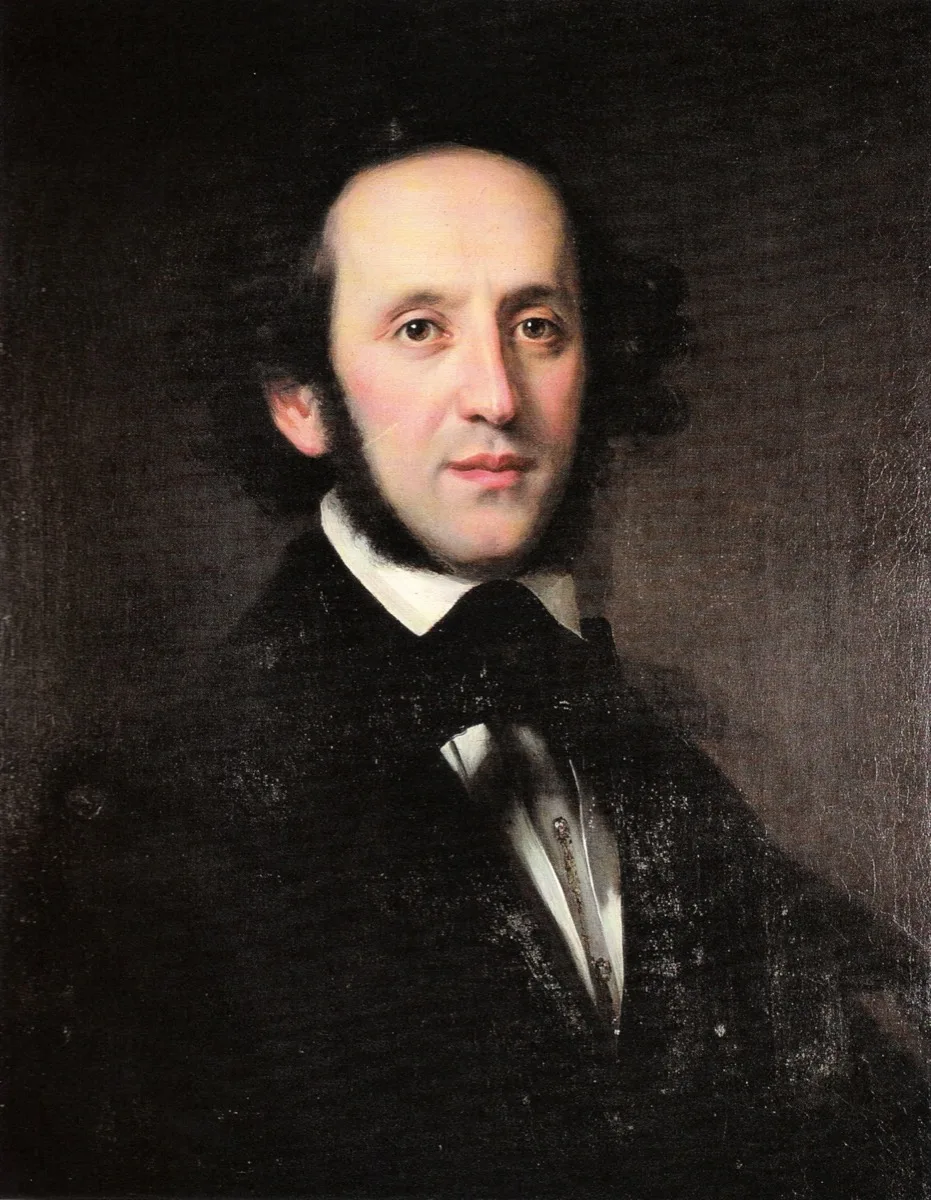
Mendelssohn’s Violin Concerto in E minor, Op. 64
The Concerto That Rewrote the Rules
In 1838, Mendelssohn wrote to his friend and violinist Ferdinand David: “There is a melody in E minor that won’t let me sleep.” Six years and dozens of letters later, the concerto was finished—but Mendelssohn was too ill to conduct…
-
Tchaikovsky’s Piano Concerto No. 1 in B-flat minor, Op. 23
Rejected by Rubinstein — Loved by the World
On Christmas Eve 1874, Tchaikovsky played his new concerto for his mentor Nikolai Rubinstein, who called it unplayable and vulgar. Tchaikovsky refused to change a single note. The concerto crossed the Atlantic, premiered in Boston to a standing ovation, and…
-
Wagner vs. Mendelssohn: From Admiration to Betrayal
How Respect Turned to Hatred
A clear guide to Wagner’s changing relationship with Mendelssohn, and how admiration hardened into one of classical music’s ugliest betrayals.
-
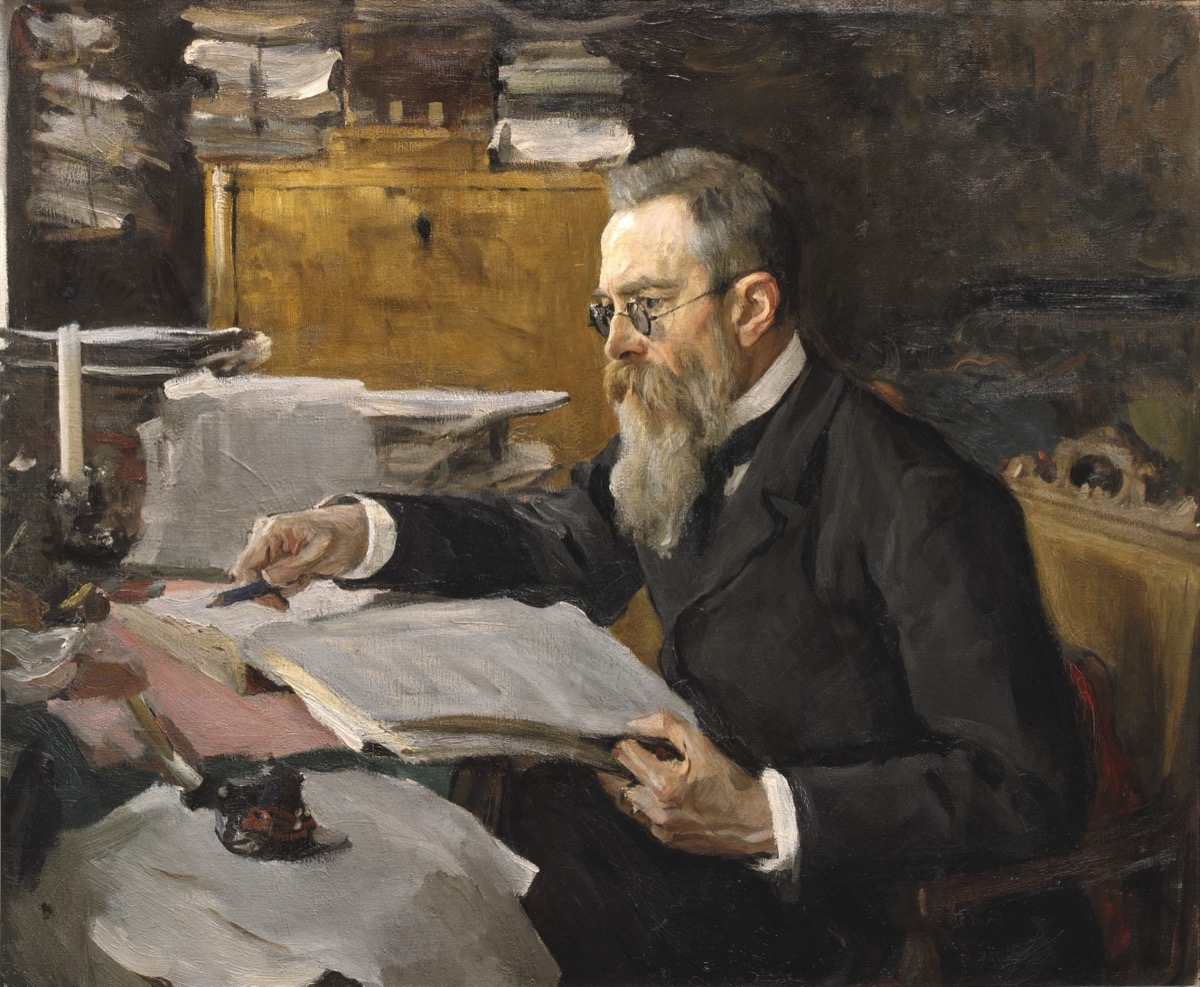
Rimsky-Korsakov’s Scheherazade, Op. 35
1001 Nights in Four Movements
Rimsky-Korsakov gave each movement a title from the Arabian Nights, then withdrew them, insisting the music must speak for itself. What remains is a solo violin narrating across four scenes of shipwrecks, festivals, and a sultan's rage, wrapped in some…
-
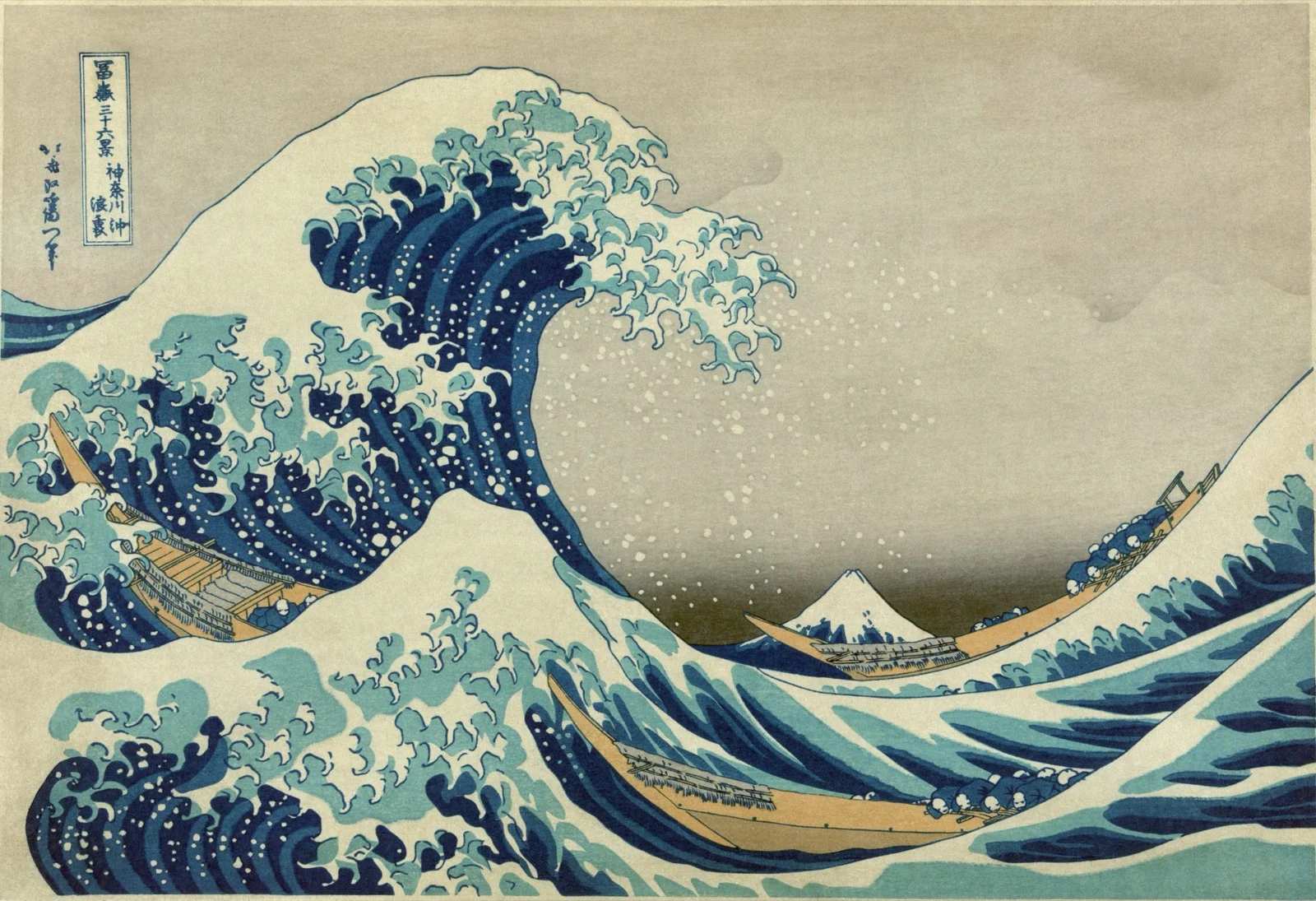
Debussy’s La Mer: Three Symphonic Sketches
The Sea He Painted with Sound
Debussy composed La Mer in Burgundy vineyards and an Eastbourne hotel room, summoning the ocean from memory. With Hokusai's 'Great Wave' pinned above his desk, he painted not a postcard but the sea's internal life: light on water, wind before…
-

Schumann’s Manfred Overture, Op. 115
Byron's Doomed Hero Through Schumann's Eyes
In 1848, Schumann plunged into Byron's 'Manfred,' a drama about a man haunted by unnameable guilt. He saw himself in the character and wrote an overture of extraordinary psychological intensity—compressed, restless, and unresolved. The associated play is forgotten; the overture…
-
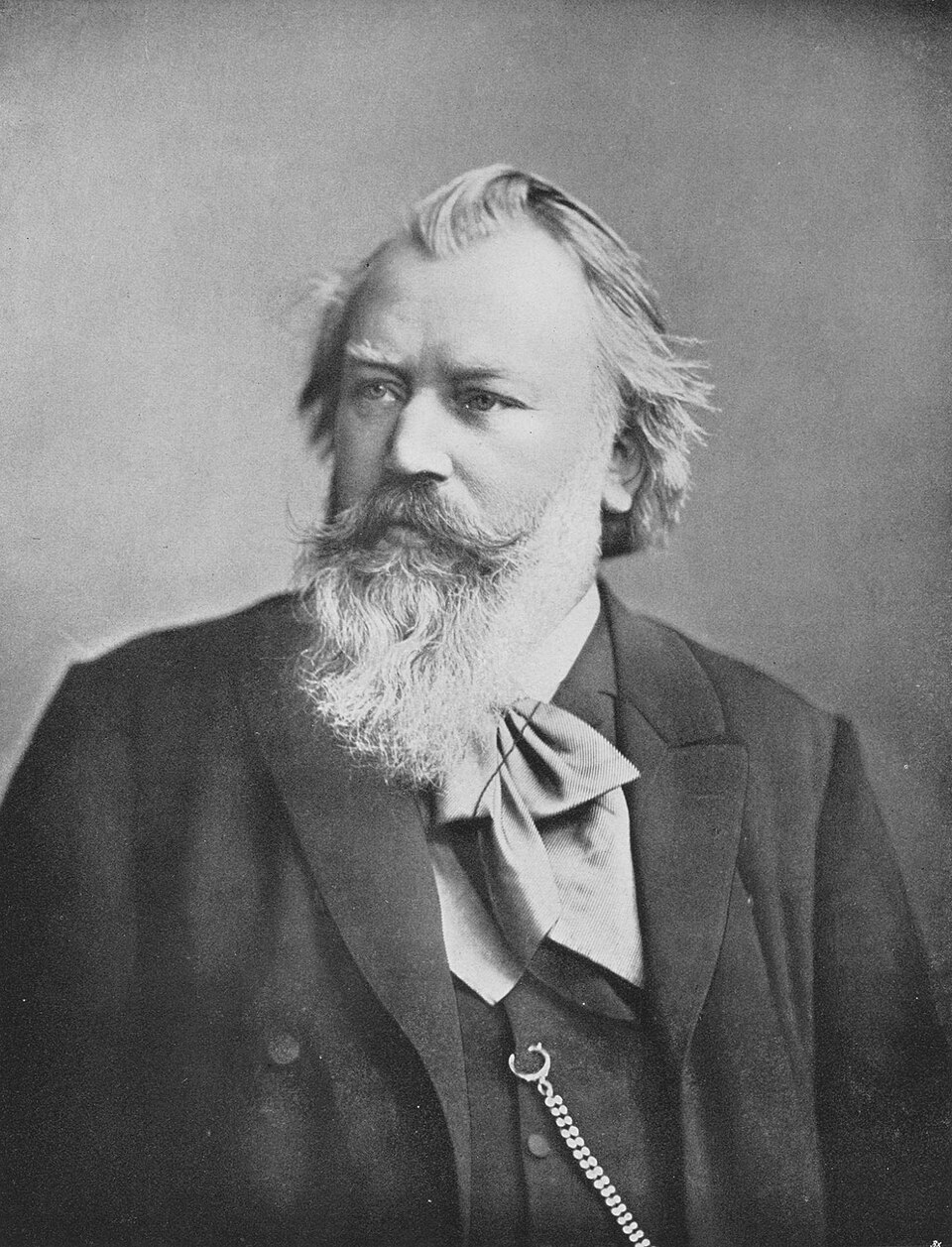
Brahms’s Double Concerto in A minor, Op. 102
A Friendship Saved by Music
After years of bitter silence, Brahms needed to reconcile with the violinist Joseph Joachim, his closest ally, whom he had publicly betrayed. He couldn't write the letter, so he composed an apology: a concerto for Joachim's violin and Hausmann's cello.…
-
Beethoven’s Symphony No. 5 in C minor, Op. 67
Four Notes That Shook the World
Da-da-da-DUM. Beethoven hammers a single rhythmic cell through four movements, dragging the music from C minor darkness to a C major blaze. He composed it while writing his will, convinced he was going deaf—and built a thirty-minute argument for survival…
-
Chopin’s Prelude in D-flat major, Op. 28 No. 15 ‘Raindrop’
Rain on a Rooftop in Majorca
Chopin denied the piece was about rain. His partner George Sand insisted he composed it in a storm-wracked monastery, half-convinced he was dying. The truth lies in five minutes of music where a single repeating note pulses like a heartbeat,…
-
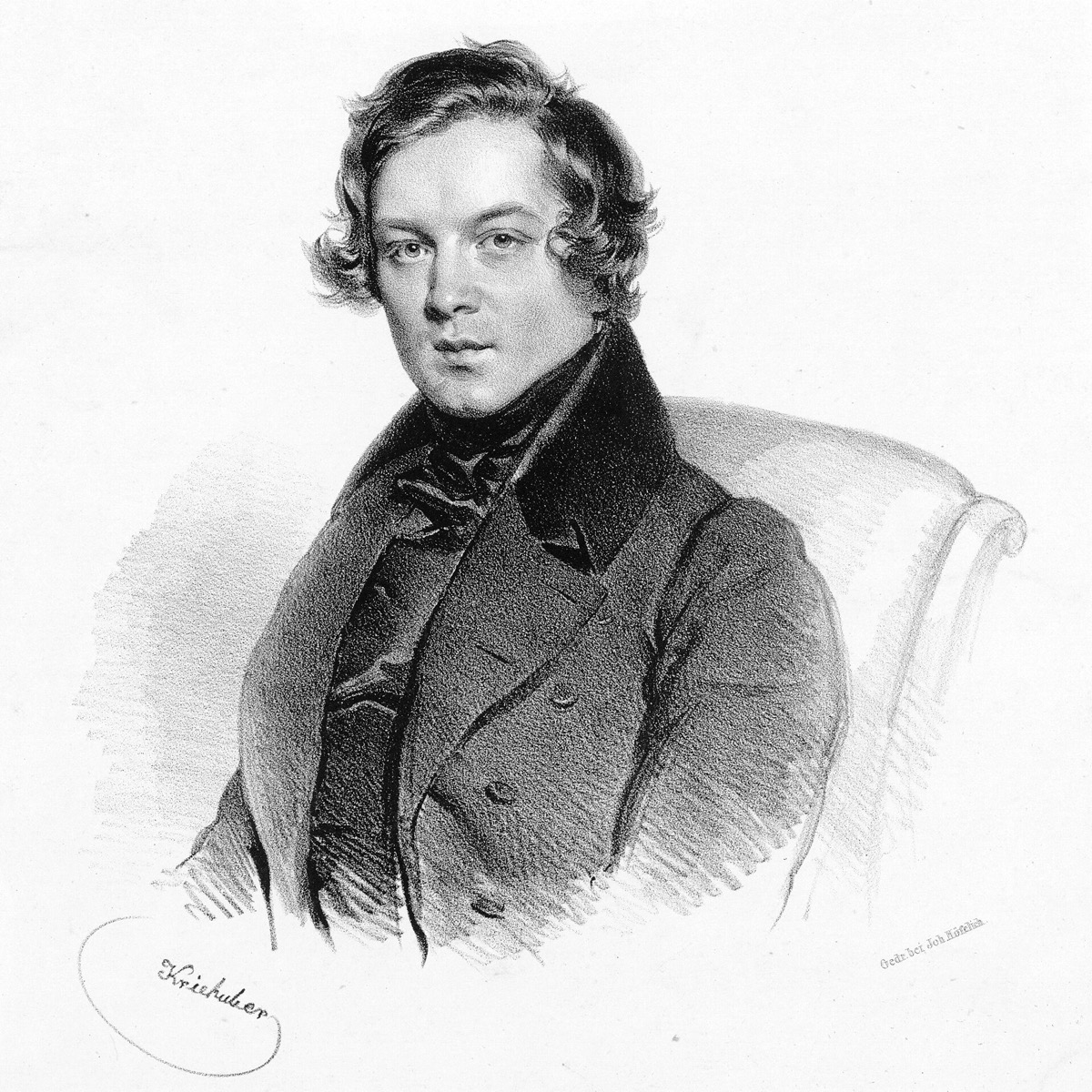
Schumann’s Piano Concerto in A minor, Op. 54
Clara's Name Hidden in Every Note
Most piano concertos pit soloist against orchestra. Schumann made them partners in conversation, because the soloist was always Clara Wieck in his mind. He even encoded a version of her name into the main theme, turning a public genre into…