Author: The Classic Note Editorial
-
Composer & Works Map
Navigate 300 Years of Music at a Glance
Every article on The Classic Note at a glance, organized by composer. This page is updated whenever a new article is published. 📌 Guides & Curations The Complete Guide to Applause Timing at Classical Concerts 7 First Pieces for Classical…
-
A Beginner’s Guide to Symphonies
Everything You Need Before Your First Symphony
Typical Structure 4 movements (fast – slow – dance – fast) Duration Usually 25–60 minutes (Mahler can exceed 90) Performers An orchestra of 60–100 musicians Origins Established in the mid-18th century by Haydn and Mozart A guide for anyone discovering…
-
Tchaikovsky’s Symphony No. 6 in B minor, Op. 74 ‘Pathétique’
His Final Symphony — Nine Days Before Death
Most symphonies end in triumph. The Pathétique ends in a slow fade to silence as the strings and bassoons dissolve into nothing. Nine days after conducting its premiere, Tchaikovsky was dead. Whether the symphony is a suicide note or simply…
-
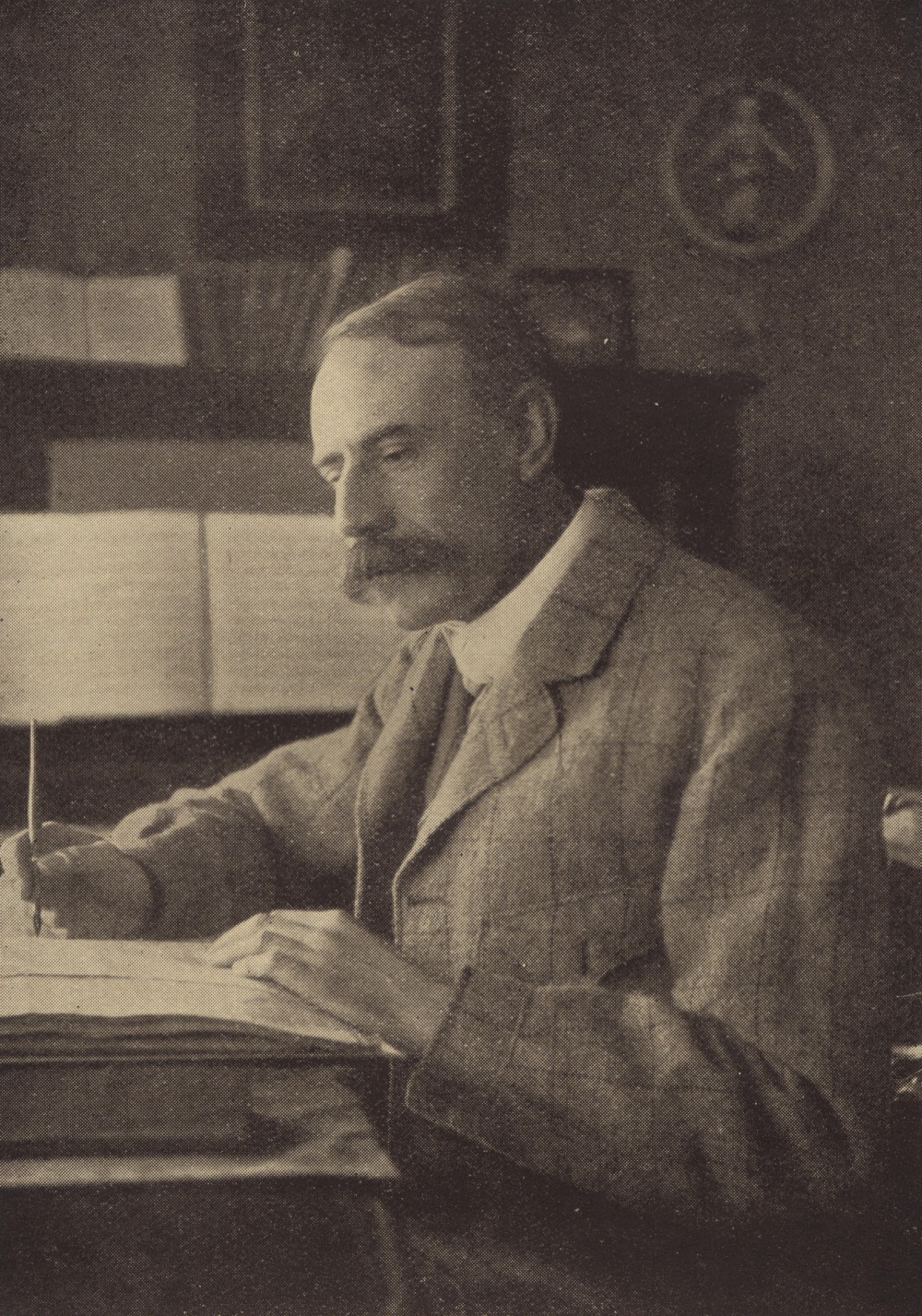
Elgar’s Enigma Variations, Op. 36 — Fourteen Friends and a Hundred-Year Joke
Fourteen friends and a hundred-year joke
In 1934 Edward Elgar died with his mouth shut, leaving inside a piece from 1899 a private joke he never explained. Six musicologists have since written entire books claiming they cracked it. The shortlist runs from Auld Lang Syne to…
-
Berlioz’s Symphonie fantastique, Op. 14
An Obsession Turned into an Orchestra
Berlioz saw the actress Harriet Smithson onstage and became obsessed. He wrote a symphony depicting an artist who, in an opium-fueled haze, murders his beloved, is executed by guillotine, and watches her dance at a witches' sabbath. She was in…
-
Smetana’s Má vlast (My Fatherland)
Six Poems for a Nation's Soul
Smetana began Má vlast in 1874, the same year he went completely deaf. Hearing nothing, he composed six symphonic poems tracing Bohemian myth, landscape, and history—from the ancient fortress of Vyšehrad to the Hussite warriors sleeping in the mountain of…
-
Smetana’s Vltava (The Moldau)
A River Song from a Deaf Composer
Two flutes open like trickling mountain springs, join into a single melody, pass through a peasant wedding and a moonlit water-nymph dance, and arrive at the broad flow past Prague's ancient fortress. Written in eighteen days by a man who…
-
Holst’s The Planets, Op. 32
Astrology Reborn as Orchestral Thunder
Holst gave each planet its astrological character: Mars, the Bringer of War; Venus, the Bringer of Peace; Jupiter, the Bringer of Jollity. He composed 'Mars' in 1914, its grinding 5/4 rhythm predicting the sound of mechanized warfare months before the…
-
Mussorgsky’s Pictures at an Exhibition
Walking Through a Gallery with an Orchestra
Mussorgsky visited a memorial exhibition for his friend Viktor Hartmann and in three weeks composed a raw piano suite depicting what he saw. The recurring 'Promenade' theme is the composer himself moving between the pictures, his mood shifting with each…
-
Respighi’s Pines of Rome
Ancient Trees — Modern Orchestral Power
Respighi's score contains an instruction found nowhere else: at the end of the third movement, play a gramophone recording of a real nightingale. From children playing at the Villa Borghese to Roman soldiers marching on the Appian Way at dawn,…