Author: The Classic Note Editorial
-
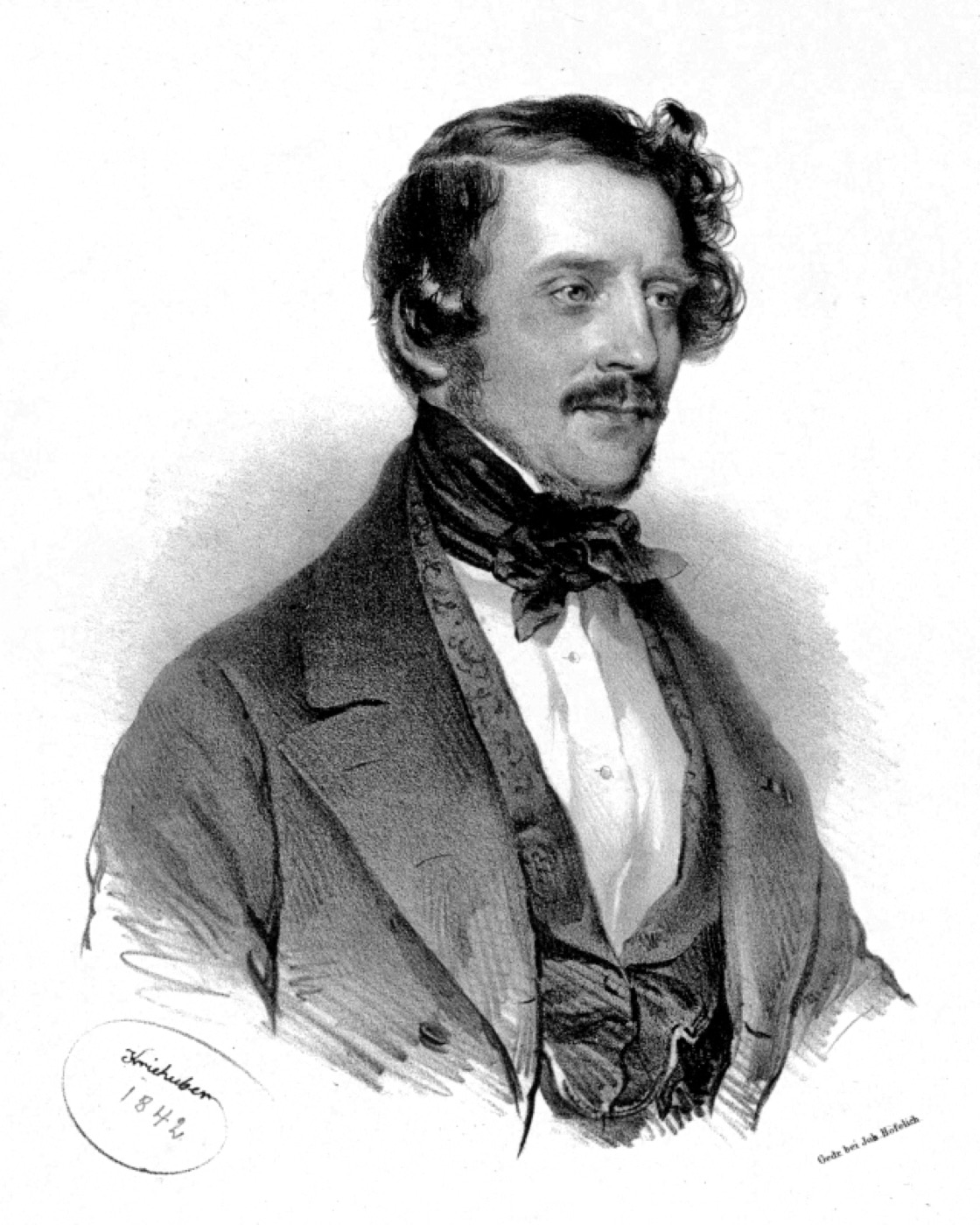
Donizetti’s Roberto Devereux
A Queen's Love — and Her Deadly Rage
An aging Queen Elizabeth I gives her favorite, Robert Devereux, a ring, promising it will save him from anything—even treason. When the ring is intercepted, three lives unravel. Donizetti wrote the opera in the shadow of immense personal grief, and…
-
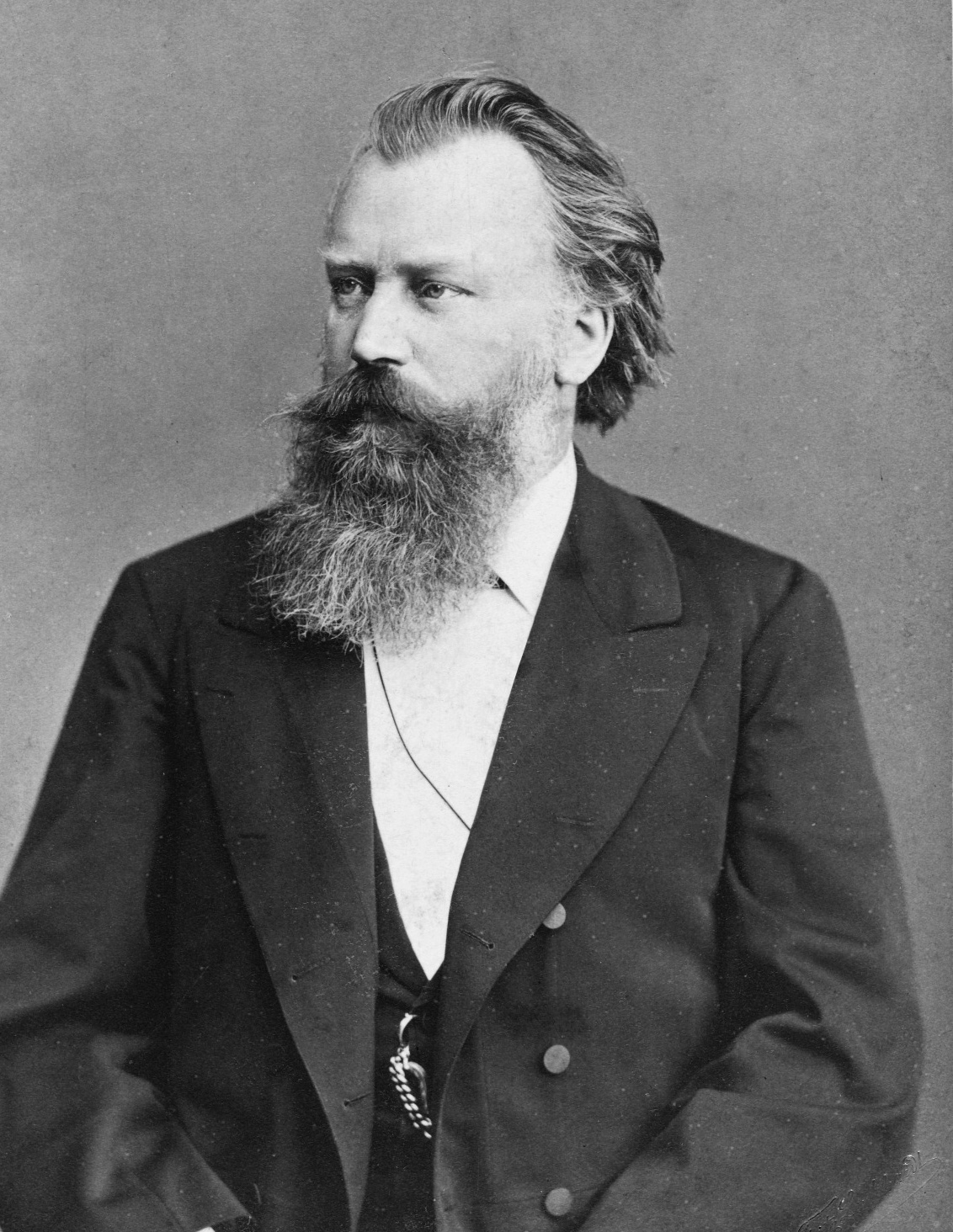
Brahms’s Symphony No. 4 in E minor, Op. 98
A Final Bow in Baroque Disguise
For his final symphony, Brahms built the finale on a passacaglia: thirty variations over a repeating bassline borrowed from a Bach cantata. It was a Baroque form no one had used in a symphony before, a gesture of deep historical…
-
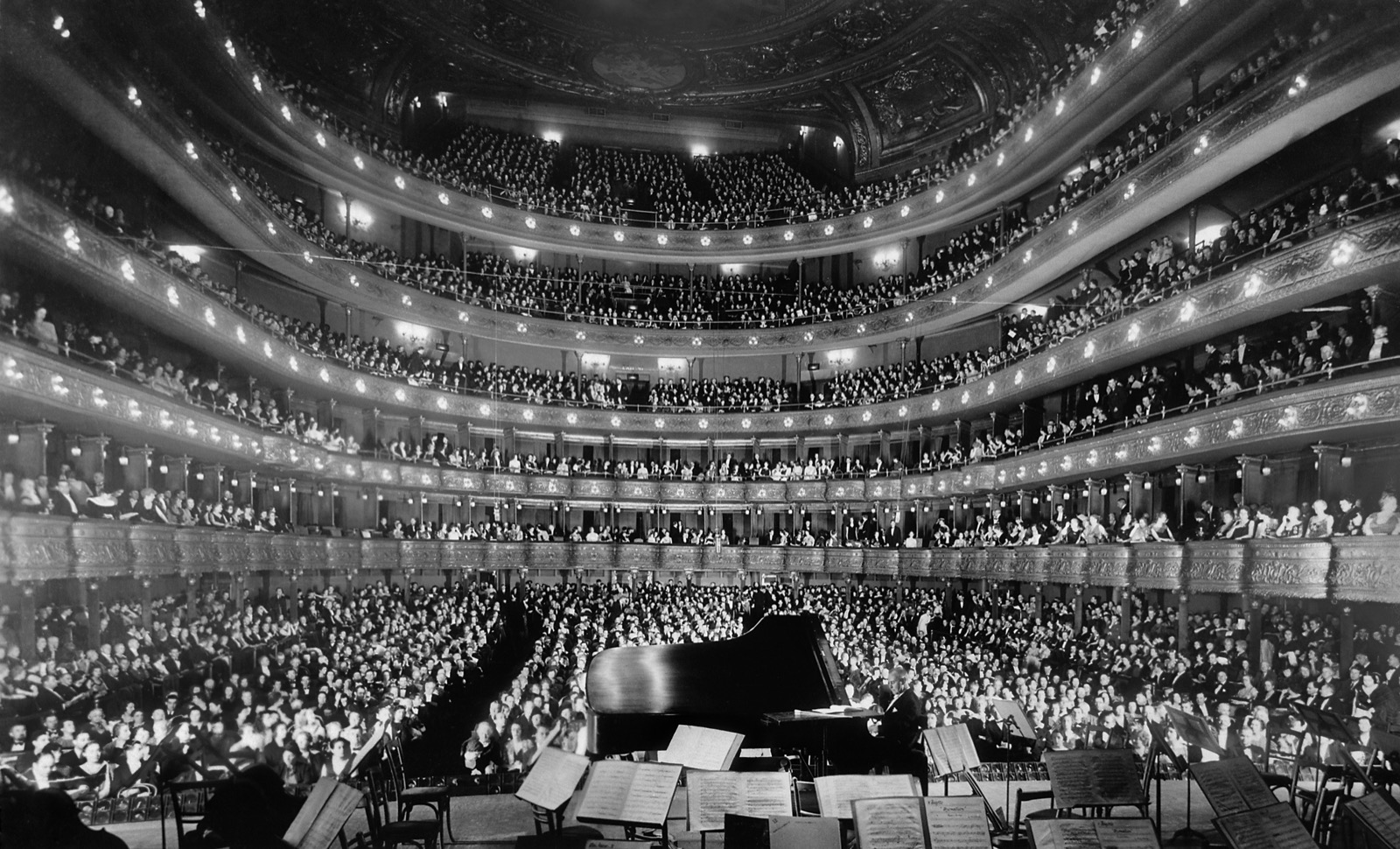
Applause Timing at Classical Concerts
When Silence Speaks Louder Than Clapping
Do you remember your first classical concert? A magnificent orchestral passage ends, you clap enthusiastically — and realize the hall is silent. You feel the sideways glances; your face burns.
-
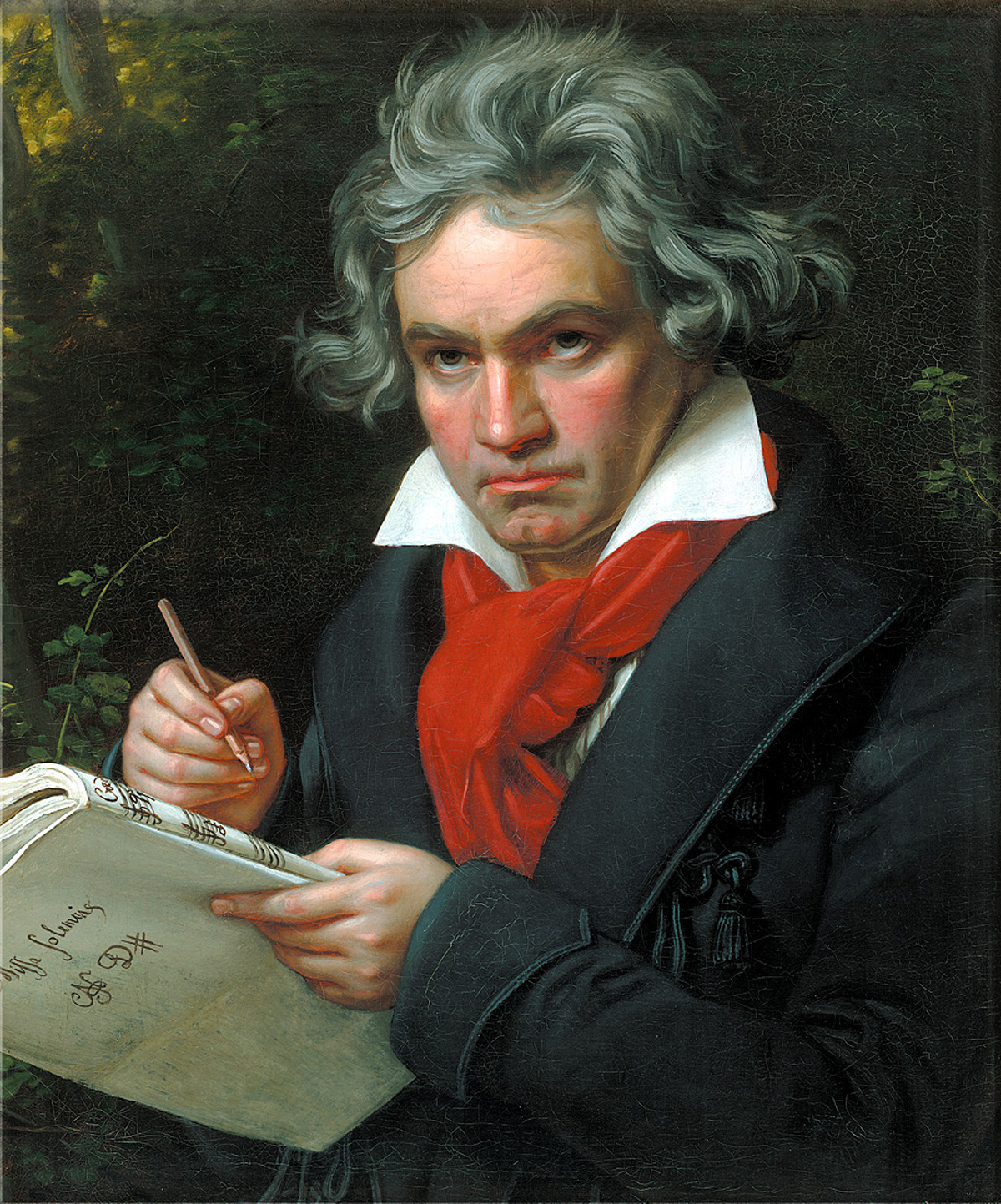
7 First Pieces for Classical Music Beginners
Your Gateway to the Orchestral World
"Where do I even start with classical music?" It's the question I'm asked most often. Faced with more than three centuries of music, anyone would feel overwhelmed.
-
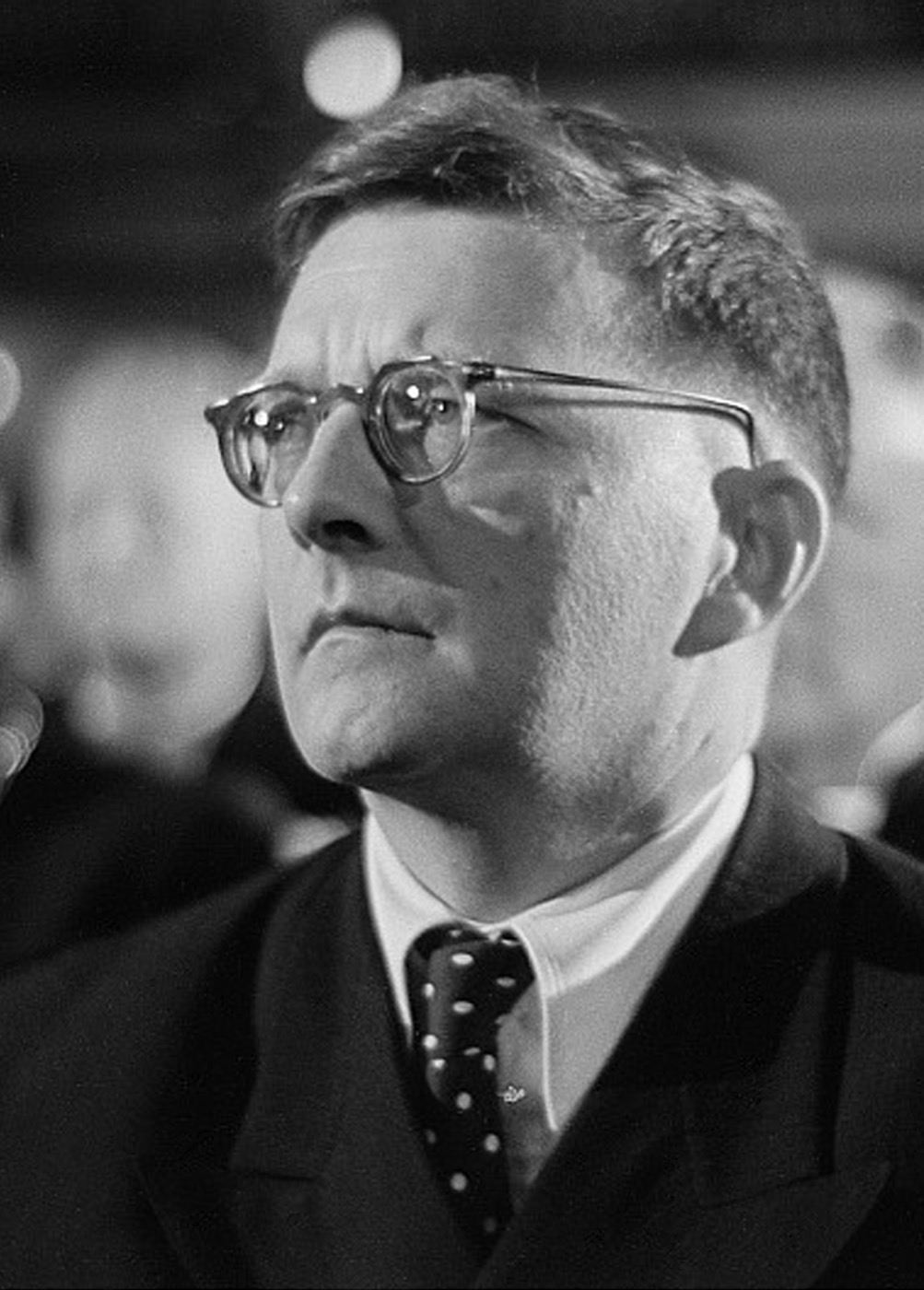
Shostakovich’s Symphony No. 7 in C major, Op. 60 ‘Leningrad’
Music as a Weapon Against Siege
On August 9, 1942, the Leningrad Radio Orchestra performed the Seventh Symphony inside the besieged city. Many musicians were dead from starvation; replacements were pulled from military units. Loudspeakers carried the performance to the German lines, a definitive act of…
-
Schubert’s Symphony No. 8 in B minor, D.759 ‘Unfinished’
The Mystery of Two Missing Movements
In 1822, Schubert wrote two sublime movements of a symphony, gave the manuscript to a friend, and never mentioned it again. When it finally premiered decades later, the audience heard something unprecedented: a symphony that felt complete in its incompleteness,…
-
Brahms’s Symphony No. 1 in C minor, Op. 68
21 Years in Beethoven's Shadow
Brahms started his First Symphony at twenty-two and didn't finish it until he was forty-three. For two decades, the weight of Beethoven's Ninth paralyzed him. When the work finally premiered, a critic called it 'Beethoven's Tenth.' Brahms was furious, but…
-
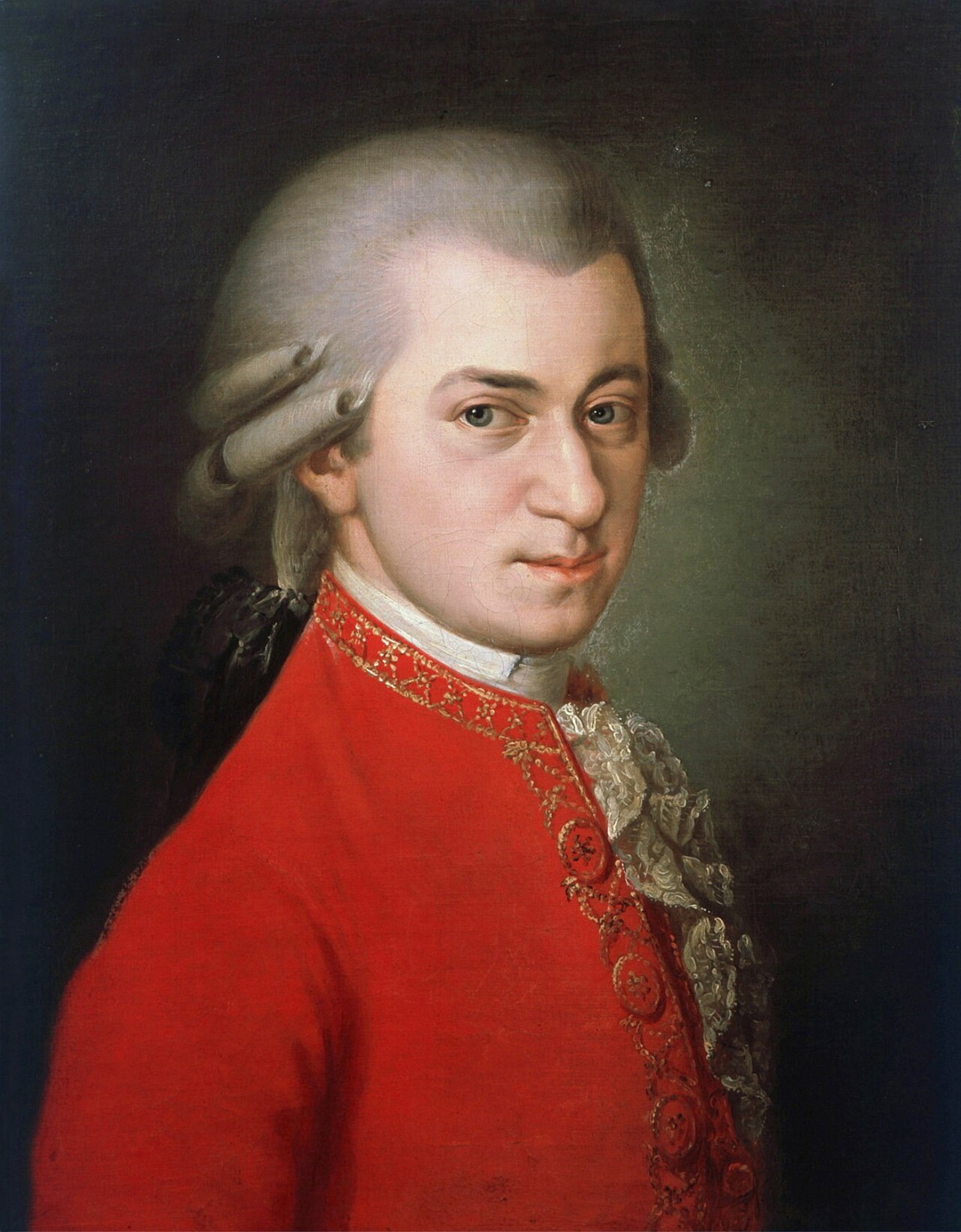
Mozart’s Requiem in D minor, K.626
The Death Mass He Never Finished
A mysterious stranger commissioned a requiem. Mozart, already ill, became convinced he was writing his own funeral mass. He died before finishing the 'Lacrimosa'—eight bars into the movement, the ink stops. The myths around the work are famous; the raw…
-
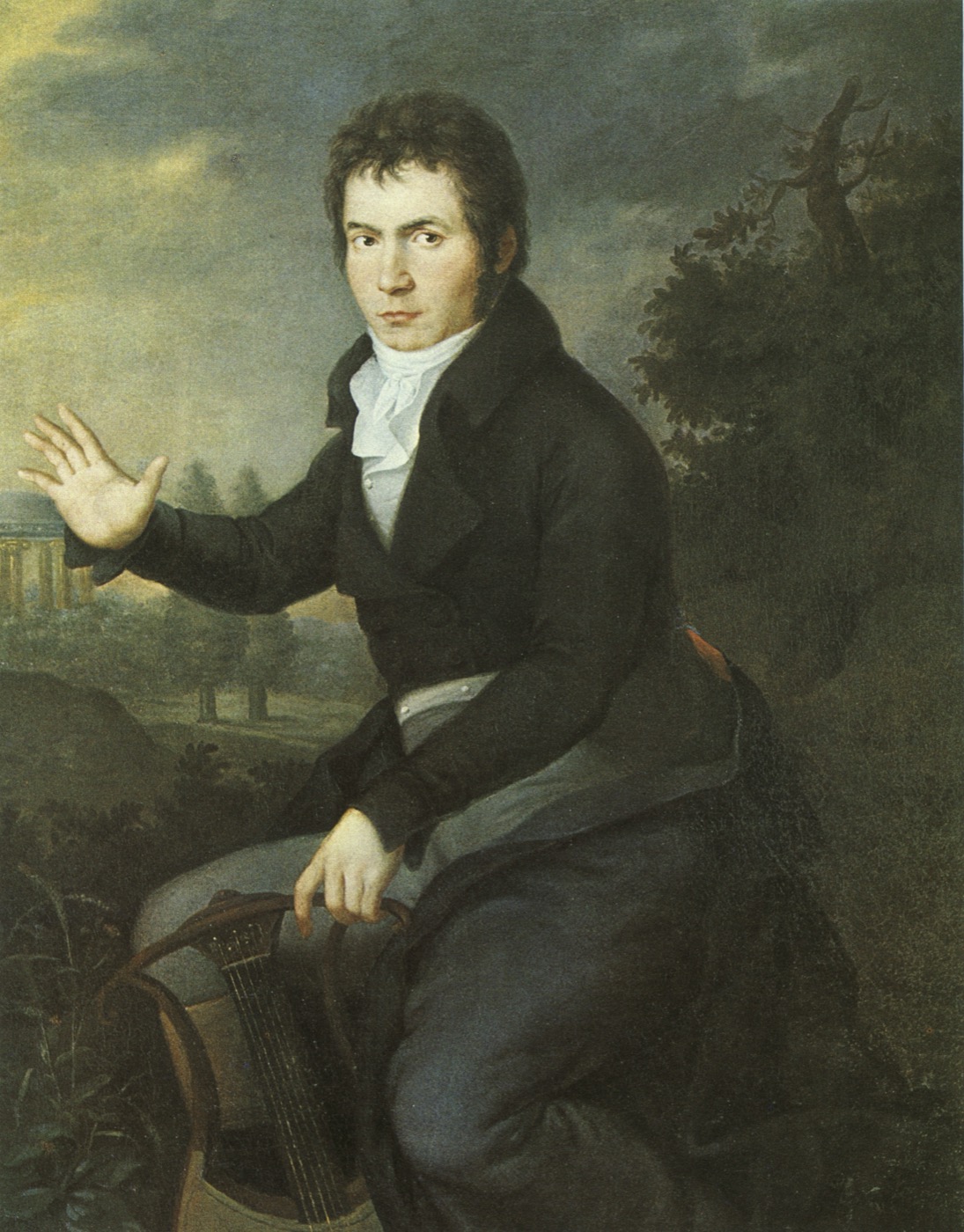
Beethoven’s Symphony No. 3 in E-flat major, Op. 55 ‘Eroica’
The Day He Tore Up Napoleon's Name
Beethoven dedicated his Third Symphony to Napoleon, then furiously scratched out the dedication when his hero crowned himself Emperor. What survived the rage was a symphony twice the length of any before it, with a funeral march at its center…
-
The Truth About Tchaikovsky’s Death
Cholera or Suicide — The Unanswered Question
At three o’clock in the morning on November 6, 1893, Pyotr Ilyich Tchaikovsky drew his last breath. He was fifty-three. The official cause of death was cholera — contracted, according to his doctors, by drinking unboiled water. But the details…