- Composer
- Gaetano Donizetti (1797–1848)
- Work
- Roberto Devereux, ossia Il conte di Essex
- Libretto
- Salvadore Cammarano, after a tragedy by Jacques-François Ancelot
- First performance
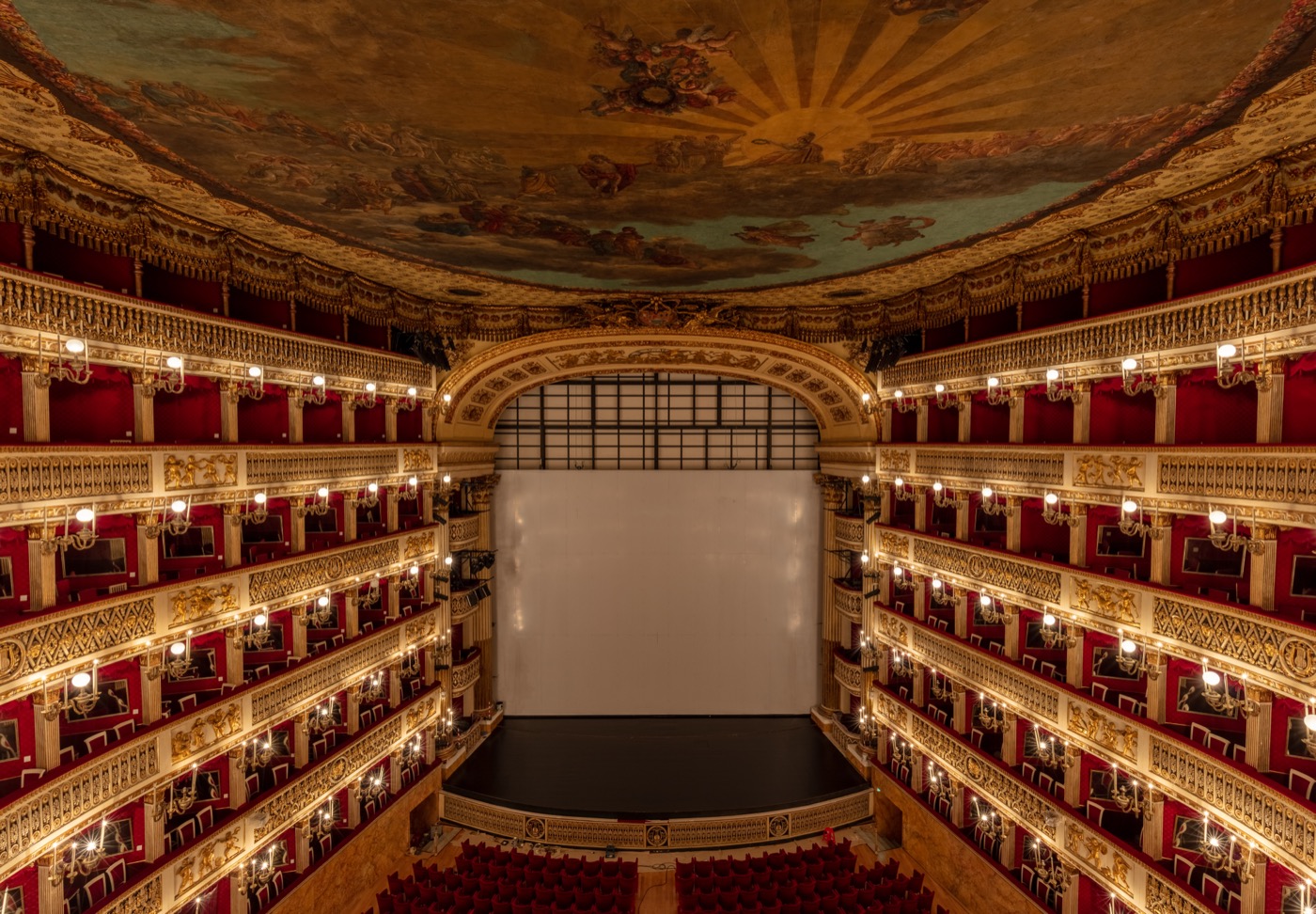
- 29 October 1837 — Teatro di San Carlo, Naples
- Genre
- Tragedia lirica in three acts
- Principal voices
- Elisabetta (soprano) · Sara (mezzo-soprano) · Roberto (tenor) · Nottingham (baritone)
- Metropolitan Opera premiere
- 24 March 2016
Most bel canto tragedies kill somebody. This one goes after the audience first. Donizetti spends three acts pulling a knot tight around four people — a queen, her favourite, the woman he actually loves, and that woman’s husband — and then lets a ring go missing. No poison, no duel, no mad scene with a flute. A man loses his head because a piece of jewellery was intercepted by someone with a grudge.
You need no Tudor history to feel that, which is exactly why the opera works on newcomers. Roberto Devereux is the last of Donizetti’s three Tudor operas and the one where the fireworks stop being decoration and start doing damage. The title belongs to the tenor. The opera belongs to the soprano, and its final scene is, to my ear, the most punishing stretch Donizetti ever wrote for one — a role that has flattered a handful of singers and exposed everyone else.
The real Essex — and the ring that probably never existed
Robert Devereux, 2nd Earl of Essex, was born in 1565 and spent his adult life as the most conspicuous man at Elizabeth I’s court. His part in the raid on Cádiz in 1596 made him a popular hero in London. Sent to Ireland by the queen, he negotiated with the rebels on his own authority and came home without permission, which cost him her trust and his income. On the morning of 8 February 1601 he marched out of Essex House with a band of nobles to force his way back into favour. The rising collapsed within hours. He was beheaded at the Tower of London on 25 February 1601, aged thirty-five.
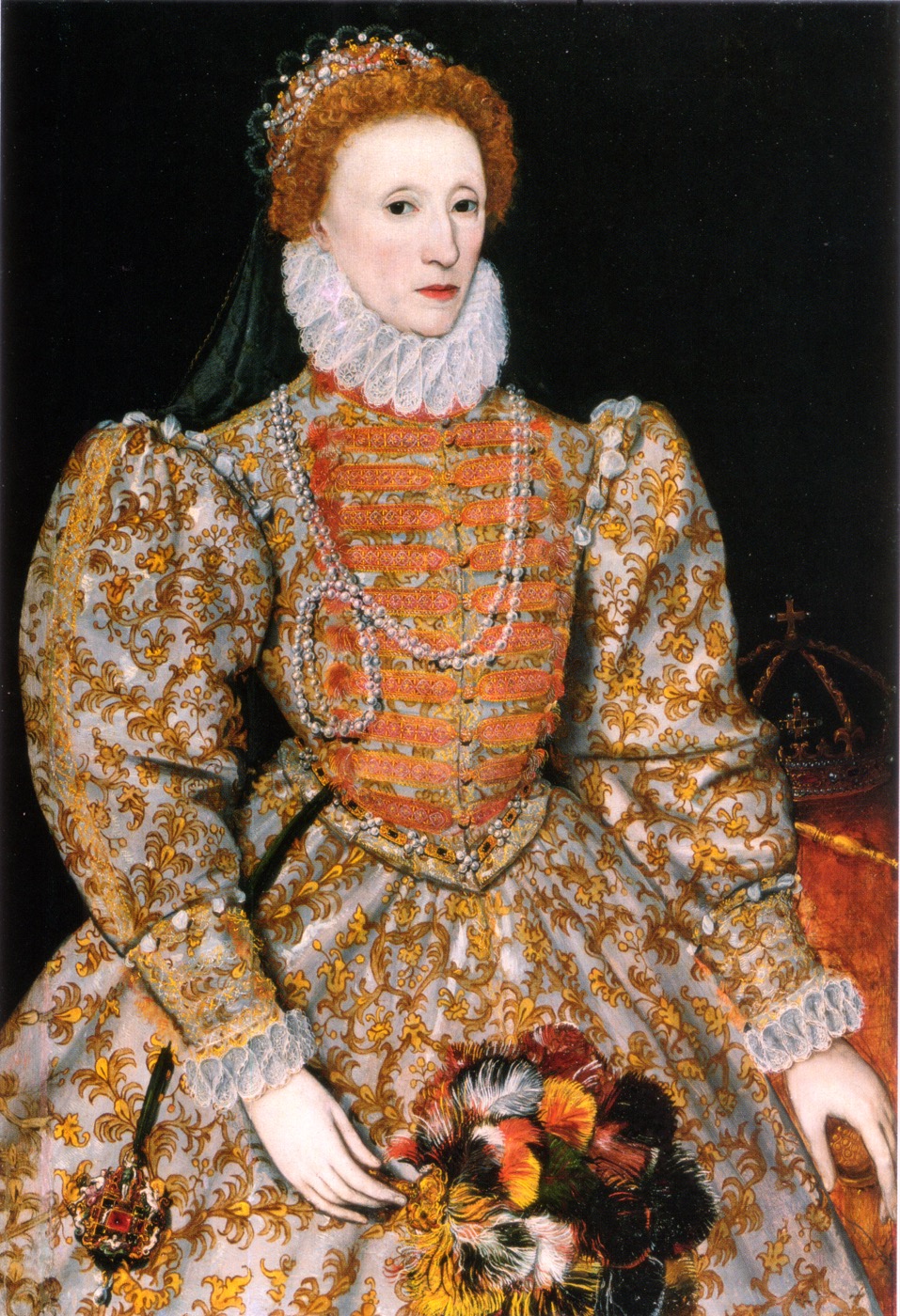
Then there is the ring. In the legend, Elizabeth gives Essex a ring and tells him to send it back if he is ever in mortal danger; he sends it from the Tower; a woman with reason to hate him keeps it from the queen. It is a wonderful story and there is no contemporary evidence for it — the tale surfaces in a romantic novel published in 1695, long after the events it describes, and some historians treat it as invention on exactly that basis.
That matters for how you watch the opera. Cammarano is not dramatising a documented event; he is dramatising a piece of folklore, and he builds the whole third act on it. Once you know the ring is legend, the opera stops being a history lesson and becomes what it actually is — a machine for generating unbearable dramatic irony, in which everyone on stage knows one true thing and nobody knows all of it.
Donizetti wrote this in the worst year of his life
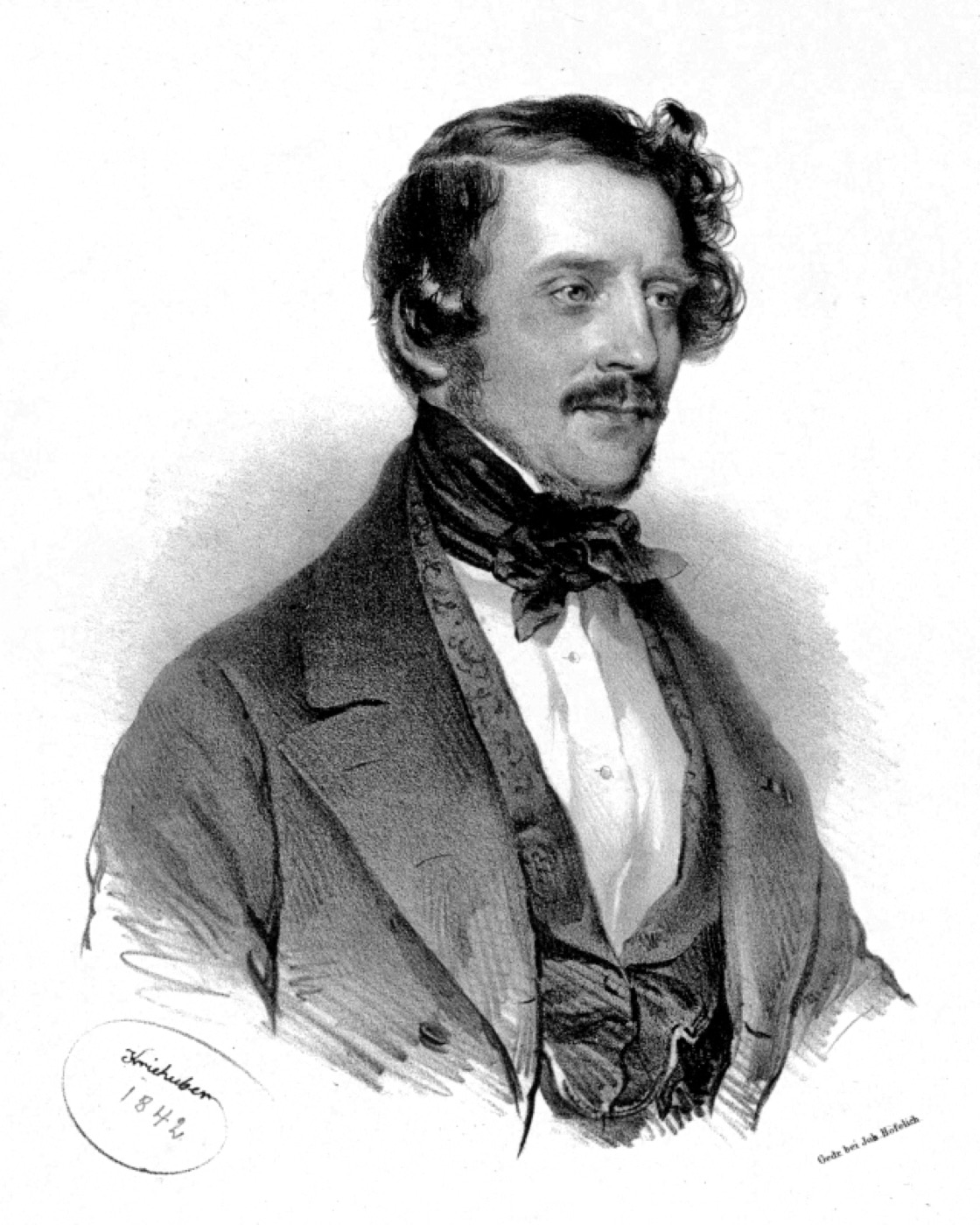
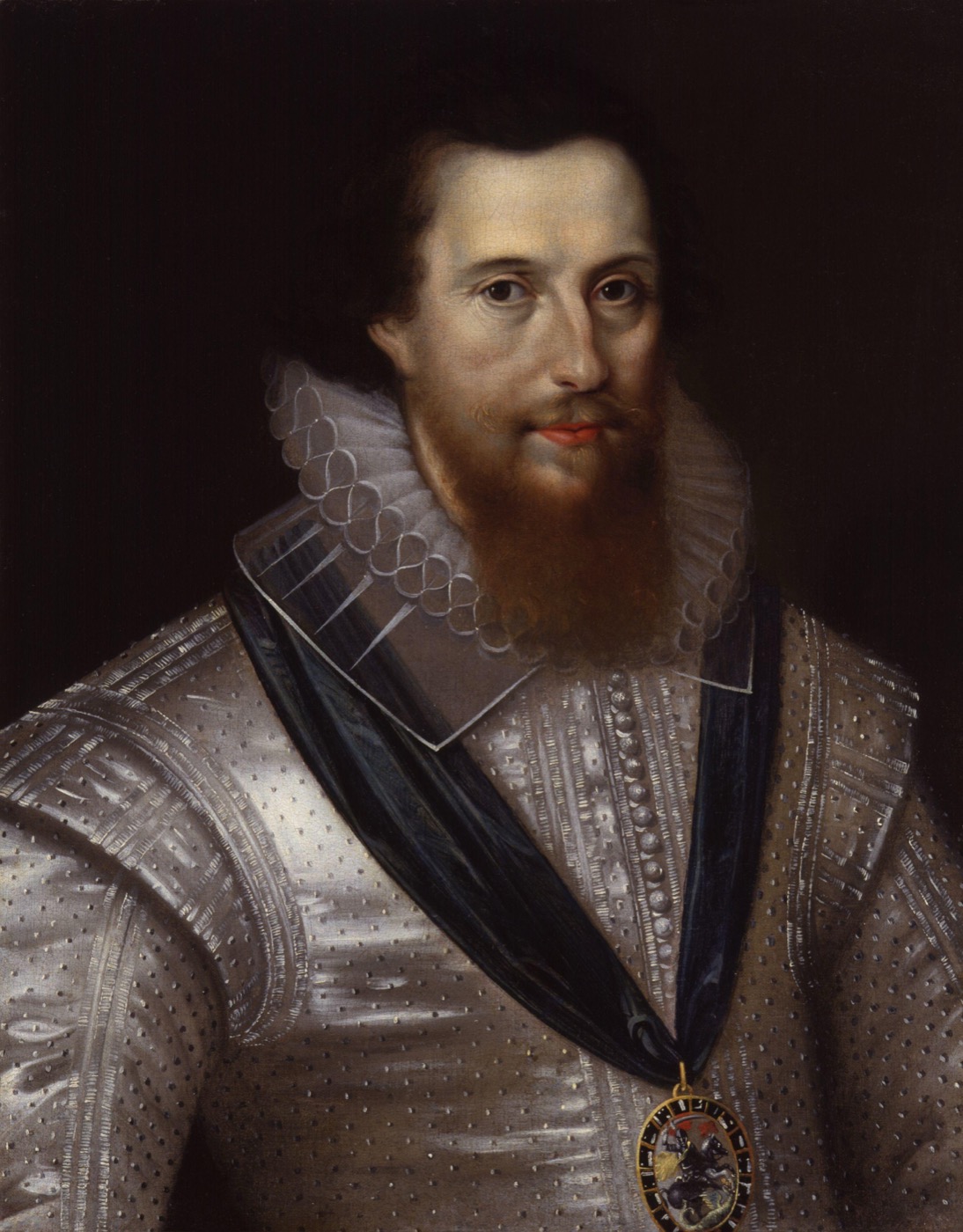
Cammarano’s libretto follows a French tragedy by Jacques-François Ancelot closely, and Donizetti set it in the summer and autumn of 1837. Both his parents had died during the previous year. In June 1837 another of his children died during birth, and on 30 July his wife, Virginia Vasselli, died at twenty-nine — the age most biographies give, though her exact birth date is not on record. Most of the score had to be written in the month following her death, and a cholera epidemic in Naples delayed the start of rehearsals again.
A small housekeeping note, since you will see it both ways: the Ricordi critical edition dates the first performance to 29 October 1837 at the Teatro di San Carlo, while Wikipedia’s infobox gives 28 October 1837. I follow the critical edition.
Here is where writers usually reach for the easy line — that grief is audible in the notes, that the queen’s collapse is the composer’s own. Resist it. There is no letter in which Donizetti says any such thing, and the numbers he wrote that autumn are not obviously darker than the ones he wrote when he was happy. What the biography does justify is a plainer observation: this is a score with almost no fat on it. The comic reflexes that surface even in his serious operas are gone. Act II is the shortest of the three and still manages three complete reversals.
One curiosity: the overture most orchestras play is not from Naples at all. Donizetti wrote it for the Paris performances of 27 December 1838, and it quotes God Save the Queen — a tune that did not exist in Elizabeth’s lifetime. It is a shameless piece of local-colour cheating, it tells the Paris audience in its opening bars that they are in England, and it works. If you want to hear an overture doing the same job with more craft and less cheek, our piece on Weber’s Freischütz Overture covers the other end of that spectrum.
What to listen for
The coloratura is characterisation, not decoration
Bel canto gets caricatured as note-spinning, and in a lot of early Donizetti that is fair. Not here. Track what happens to Elisabetta’s runs across the evening: in Act I they are controlled, ornamental, the sound of a monarch performing composure. By the final scene they have turned jagged — short, stabbing figures that break off, restart, and shove the line up into a register where no singer can hide. The technique has not changed. The purpose has. That shift, more than any plot point, is the argument for calling this Donizetti’s most dramatically serious score.
Act II is the best writing he ever did
The shortest act is the one that detonates. Raleigh produces a blue scarf found on the arrested Roberto; Nottingham, who has been pleading for his friend’s life, recognises the embroidery as his wife’s; the queen offers Roberto one chance to name the woman and save himself, and he refuses. Three motives — royal humiliation, a husband’s betrayal, a man protecting someone else — collide in a trio where the voices genuinely fight rather than blend. Listen for the moment the orchestra stops supporting anybody and just hammers: Donizetti drops the accompaniment into brutal repeated chords and lets the three lines grind against each other on top.
The finale that eats sopranos
Elisabetta’s closing scene, Vivi, ingrato leading into the cabaletta Quel sangue versato, is the reason casting this opera is hard. It demands a big, dark middle voice for the recitative and rage, then a light, accurate top for the runs, then the stamina to keep both going after a long evening of exposed singing. Sopranos who own the bottom usually shriek the top; sopranos who own the top sound like a girl playing dress-up in the recitative. The ones who solve it — Sills, Gruberova, Radvanovsky — are the reason the opera has a performance history at all.
The props do the plot
A ring and a scarf carry more narrative weight here than any of the political machinery. The scarf convicts Roberto in Nottingham’s eyes; the ring, withheld, kills him. Cammarano keeps both objects visible on stage for long stretches before they matter, which is why the opera rewards a video performance over an audio-only one on a first encounter — half the tension is in who is looking at what.
Act by act — where to keep your eyes
Act I
Sara opens the opera alone with a book, reading about Rosamund Clifford, the medieval mistress whose story rhymes with her own, in the romanza All’afflitto è dolce il pianto. It is the gentlest music in the score and it sets a trap: the audience meets the wronged woman before it meets the queen, so the sympathies are pointed the wrong way from the start. ▶ Listen on YouTube
The Act I confrontation between queen and favourite, Nascondi, frena i palpiti, is the finest thing in the act. Elisabetta is fishing; Roberto is lying by omission; both sing beautifully arched phrases that never quite agree with each other. Watch the eyes rather than the mouths.
The act closes with the farewell duet Da che tornasti, ahi misera, in which Sara gives Roberto the scarf. Everything that destroys them in Act II is handed over here, affectionately, by mistake. ▶ Listen on YouTube
Act II
Parliament has condemned Roberto; only the signature is missing. The scarf appears, Nottingham turns, the queen signs. If you are sampling the opera rather than watching it whole, watch this act — it is self-contained, it is short, and it will tell you quickly whether this composer is for you.
Act III
Three scenes, each a different kind of trap. Sara is locked in her room with the ring she was about to carry to the queen. Roberto waits in the Tower and sings Come uno spirto angelico into Bagnato il sen di lagrime, the one long-breathed, unhurried number in an opera otherwise built on interruption — a tenor aria that asks for legato rather than heroics, which is why so few tenors sound comfortable in it. ▶ Listen on YouTube
Then the queen, alone, waiting for a ring she does not know has been stopped. Sara arrives too late, the cannon fires, and Nottingham answers the queen’s fury with the coldest line in the libretto: Sangue volli, e sangue ottenni — I wanted blood, and blood I got. Elisabetta names James of Scotland her successor and the curtain comes down on a woman who has destroyed the only thing she wanted to keep.
Three recordings worth your time
Beverly Sills · Charles Mackerras · Royal Philharmonic Orchestra · Ambrosian Opera Chorus · 1969 · Westminster/ABC, WST-323 (CD reissue: Deutsche Grammophon, 2000)
This is the recording that put the opera back in circulation. It was taped at EMI Studios in London in June 1969 — that is the room it was recorded in, not the company that released it — and came out as a three-LP box on Westminster, the classical line ABC Records owned at the time, catalogue WST-323. Angel put out an LP reissue afterwards, and the Deutsche Grammophon discs most listeners own date from 2000, when Universal gathered the ABC masters into a seven-CD Three Queens set. Whose record is it, then? Westminster/ABC. Every other label on the spine came later, which is why this one gets miscredited so often. Sills is extraordinary in the finale — the fury is genuinely ugly in places, which is the right choice and one almost nobody else makes. Mackerras conducts with more bite than the era’s Donizetti usually got. Be honest about the flaws, though: Róbert Ilosfalvy’s Roberto is stiff, the studio sound is dry, and the cuts are of their time. Buy it for the queen, not for the cast.
Edita Gruberova · Friedrich Haider · Bayerisches Staatsorchester · staged by Christof Loy · 2005, Deutsche Grammophon DVD
My pick for a first encounter, because you can see it. Loy’s staging keeps the four principals close and lets the objects register. Gruberova’s top is still immaculate this late, and her queen is colder and more calculating than Sills’s — less wounded animal, more politician who has miscalculated. Roberto Aronica and Albert Schagidullin are solid rather than thrilling. If you want one video to understand what the opera is doing, start here.
Sondra Radvanovsky · Maurizio Benini · Metropolitan Opera · staged by David McVicar · Live in HD transmission of 16 April 2016
The modern reference, and the best-cast of the three. Radvanovsky has the rare combination the role needs — a genuinely dramatic middle and a top that survives the cabaletta — and Elīna Garanča’s Sara is the finest on video, a real second lead rather than a plot device. Matthew Polenzani sings the prison aria with the legato it needs. McVicar’s play-within-a-play frame is the one element I would argue with; it distances scenes that are stronger played straight.
Also worth knowing: an earlier live Gruberova performance circulates on video and makes a useful contrast with her Munich queen. ▶ Listen on YouTube
Where this sits, and where to go next
Donizetti did not conceive the Tudor operas as a cycle. Anna Bolena came in 1830 and Maria Stuarda in 1835, and the trilogy is a twentieth-century idea: the three queens became popular in the 1970s, when Beverly Sills promoted them as a series at New York City Opera with Plácido Domingo as her Roberto, and the grouping stuck. The Metropolitan Opera did not perform the opera at all until 2016, in David McVicar’s production starring Sondra Radvanovsky, who appeared the same season at the Met in the title roles of Anna Bolena and Maria Stuarda. Its Met run opened on 24 March 2016, the date on which Elizabeth I had died in 1603.
If this is your entry point into opera, the smart next step is a work that solves a similar problem — four people, one fatal social machine — with completely different music: Mozart’s Don Giovanni. And if you are still building a foundation, our guide for beginners lays out an order that will not exhaust you.
What keeps me coming back to Roberto Devereux is how small the catastrophe is. No war, no curse, no supernatural agency. A husband finds a scarf, and decides not to walk a ring across a room. Donizetti wrote the biggest music of his career about the cheapest possible reason for someone to die.