- Composer
- Felix Mendelssohn Bartholdy (1809–1847)
- Work
- Violin Concerto in E minor, Op. 64
- Composed
- 1838–1844
- Premiere
- 13 March 1845, Leipzig Gewandhaus (violin: Ferdinand David; conductor: Niels Gade)
- Movements
- 3 (played without break)
- Duration
- Approx. 25–28 minutes
- Scoring
- Solo violin, 2 flutes, 2 oboes, 2 clarinets, 2 bassoons, 2 horns, 2 trumpets, timpani, strings
- Dedicated to
- Ferdinand David
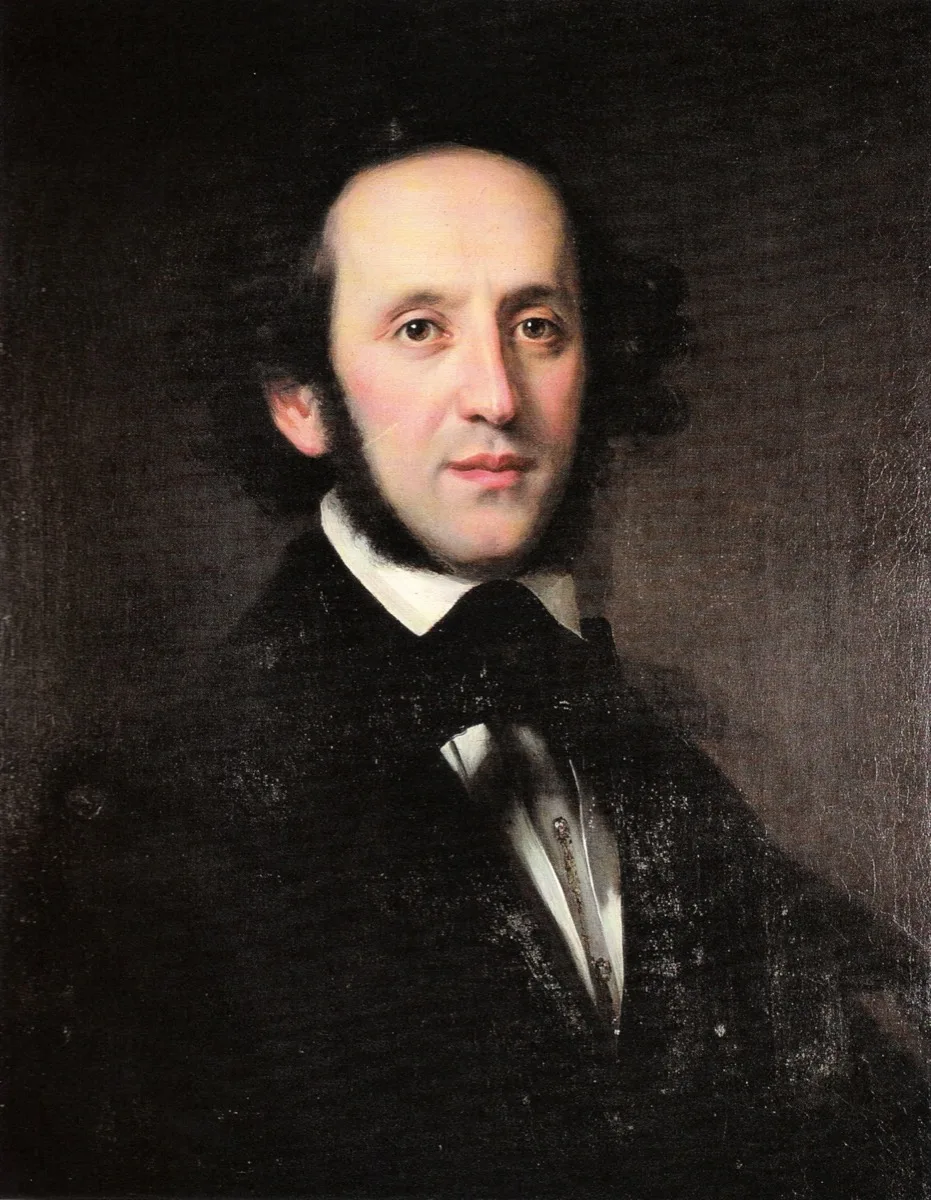
Something is different from the very first note. The orchestra hasn’t finished laying out the welcome mat before the violin walks straight in and starts singing. That immediate entrance—no orchestral preamble, no measured introduction—is the reason Mendelssohn’s Violin Concerto in E minor still stops people mid-conversation nearly two centuries later. It is elegant and lyrical, but it also has a forward pull that grabs you from bar one and never quite lets go. For newcomers, it is one of the most seductive entry points into the concerto repertoire. For longtime listeners, it is one of those rare pieces that somehow never wears thin.
Six Years, One Friendship, and a Concerto That Refused to Be Simple
This concerto did not arrive in a flash of inspiration. In July 1838, Mendelssohn—then music director of the Leipzig Gewandhaus Orchestra—wrote to his close friend and concertmaster Ferdinand David: “I’d like to write a violin concerto for you. A melody in E minor keeps circling around in my head.” A romantic beginning, but completion would take six years.
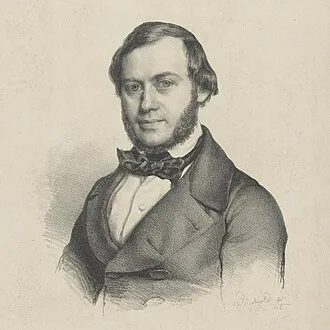
The delay was not indecision. Mendelssohn had no interest in producing a concerto with a pretty tune and leaving it at that. He and David exchanged letters relentlessly, testing how far the solo violin could sing before the writing tipped into showmanship, debating where virtuosity served the music and where it merely decorated it. The placement of the first-movement cadenza, in particular, was an innovation the two of them pushed through together.
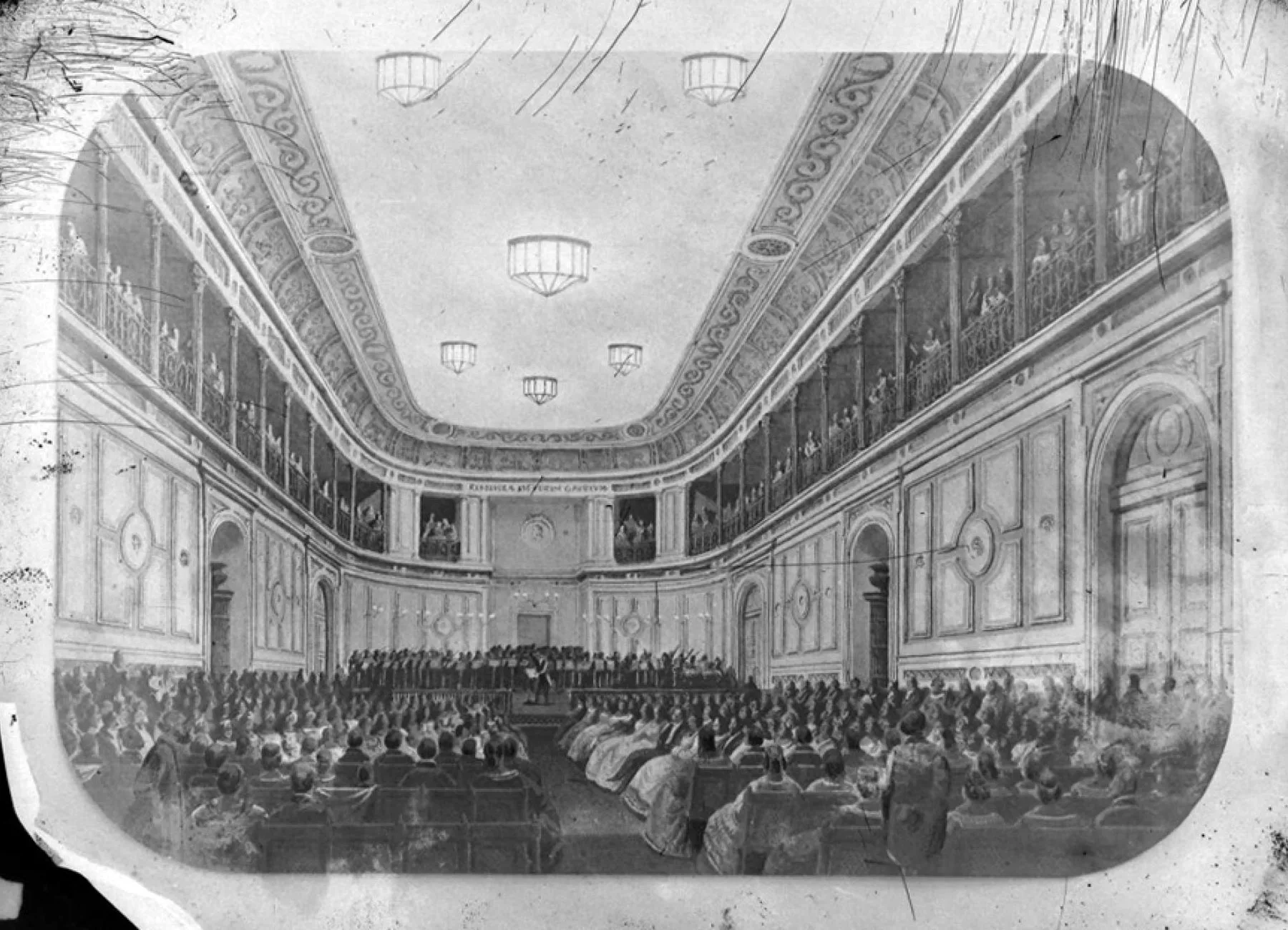
The finished concerto premiered on 13 March 1845 at the Leipzig Gewandhaus. David’s refined bowing and the orchestra’s seamless partnership with the soloist won the audience over immediately. There is an irony to the premiere: Mendelssohn himself was too unwell to conduct. The Danish composer Niels Gade took the podium in his place, and the music’s success was not diminished in the slightest.
Three Innovations That Broke the Concerto’s Old Grammar
Mendelssohn’s Violin Concerto is not simply a beautiful melody with an orchestra attached. It quietly dismantled conventions that had governed concerto writing for decades.
1. The Soloist Enters Immediately
Traditional concertos gave the orchestra a long opening statement—sometimes several minutes—before the soloist appeared. Mendelssohn threw that out. Over a gently pulsing accompaniment in the strings, the solo violin launches into the aching first theme within the opening bars. The effect is startling in its directness: from the very first phrase, the listener’s attention is locked onto the soloist.
2. The Cadenza Moves to the Middle
In the standard concerto layout, the cadenza—the soloist’s unaccompanied showcase—sits near the end of a movement, just before the coda. Mendelssohn relocated it to the bridge between the development and the recapitulation. After a torrent of virtuosic writing, the soloist plays arpeggios that gradually summon the orchestra back into the recapitulation. Instead of a detachable display piece, the cadenza becomes part of the movement’s structural spine.
3. No Gaps Between Movements (Attacca)
Mendelssohn did not want applause—or even silence—to interrupt the concerto’s momentum. He linked all three movements without pause. The transition from the first to the second movement is especially fine: a held bassoon note bridges the stormy close of the Allegro into the serene opening of the Andante. It is one of the most quietly effective moments in the entire piece.
Movement Guide
The concerto follows the classical three-movement form, but the seamless connections between movements give it the feeling of a single unbroken narrative arc.
- I. Allegro molto appassionato (Fast, with great passion)
- II. Andante (At a walking pace)
- III. Allegretto non troppo – Allegro molto vivace (Moderately fast – Very fast and lively)
First Movement: Passion With No Warm-Up
What makes this opening so compelling is the absence of any preamble. The solo violin steps forward almost immediately, and from that moment the listener is already inside the story. The melody is wistful, but it never drags. If anything, the tension builds as the orchestra responds and pushes back. By the time the cadenza arrives at the end of the development section, you understand why this concerto is not just a Romantic crowd-pleaser but a genuine pillar of the violin repertoire. The sensation here is less “beautiful sadness” and more “holding your ground and breaking through.”
Second Movement: A Breath You Didn’t Know You Needed
If the first movement drags you forward at a sprint, the second catches you from behind. The bassoon’s bridging note eases the transition, and suddenly the atmosphere is startlingly gentle. Mendelssohn pulls back from brilliance and lets the violin simply sing. Listening, the word that comes to mind is not “beautiful” but something closer to “oh—this is where I’m allowed to breathe.” The slow movement is not merely a quiet interlude. It works as a kind of launchpad, storing energy so the finale can fly further.
Third Movement: Sparks and Calculation
No programme note can really capture what happens here. After the emotional arc of the first two movements, the third opens like a door flung wide—the air changes completely. The violin is no longer brooding. It darts and pivots across the stage, light as anything, then suddenly changes direction and pulls the listener all the way to the finish line. The common description is “elfin,” and it is not wrong, but the more accurate observation is this: the finale is where Mendelssohn’s sheer cleverness as a composer is most fully exposed. It sounds effortless and airborne, but the structural calculation behind it is ruthless. By the coda, the overriding sensation is not “dazzling” so much as “laughing while sprinting”—a grinning, headlong rush that grabs the ear and does not let go.
Recommended Performances
The same score can feel like a different piece depending on who plays it. Hearing two contrasting interpretations back to back is one of the most rewarding ways into this concerto—one clear-edged and precise, the other glowing with warmth.
Hilary Hahn
Hahn’s pinpoint intonation and transparent tone bring out the classical precision that underpins Mendelssohn’s writing. Her third-movement bowing, in particular, demonstrates extraordinary precision — every spiccato and ricochet stroke articulated with remarkable clarity and control.
Itzhak Perlman
Perlman’s warm, generous sound draws out the human tenderness at the core of the concerto. His second movement is exceptionally songful, rich with the emotional depth of the Romantic tradition.
Why This Concerto Endures
This concerto has survived not because it is “pretty.” The melodies are indeed beautiful, but beneath them lies the ambition of a composer who quietly rewired the concerto’s mechanics while making the result sound utterly natural.
First-time listeners are drawn in instantly. Those who have known the piece for years keep discovering finer details in its construction. Mendelssohn’s Violin Concerto in E minor is the piece that shows newcomers how exciting classical music can be, and reminds experienced listeners how something this polished can still be this smart.
Press play. By the time the violin enters in the opening bars, you will understand why this concerto has never fallen out of the repertoire—and likely never will.
Follow the Score
The full score is freely available at IMSLP. View the Violin Concerto, Op. 64 score on IMSLP
Frequently Asked Questions
Frequently Asked Questions
Why is Mendelssohn’s Violin Concerto in E minor so popular?
Its immense popularity stems from its beautiful melodies, emotional depth, and groundbreaking structure for its time. Composed between 1838 and 1844, it breaks from tradition by introducing the solo violin almost immediately. The piece was written for the violinist Ferdinand David, who performed its successful premiere in 1845.
What is unique about the structure of Mendelssohn’s Violin Concerto?
The concerto features three movements played without pause, a significant departure from the standard format of the day. Mendelssohn also wrote the virtuosic cadenza himself and placed it strategically after the development section, rather than at the end of the movement. This work in E minor connects the movements with musical bridges, creating a single, unified narrative.
How long is Mendelssohn’s Violin Concerto?
A typical performance of this three-movement concerto lasts around 27 to 30 minutes. The composer, Felix Mendelssohn, intended for all three movements to be played continuously (“attacca”), without the customary breaks for applause between them.
Is the Mendelssohn Violin Concerto difficult to play?
Yes, it is a staple of the advanced violin repertoire that demands both technical virtuosity and lyrical expression. Completed in 1844 for violinist Ferdinand David, the piece requires mastery of rapid passages, double-stops, and a consistently beautiful tone. It is considered a cornerstone work for any serious concert violinist.