Category: Concerto
-
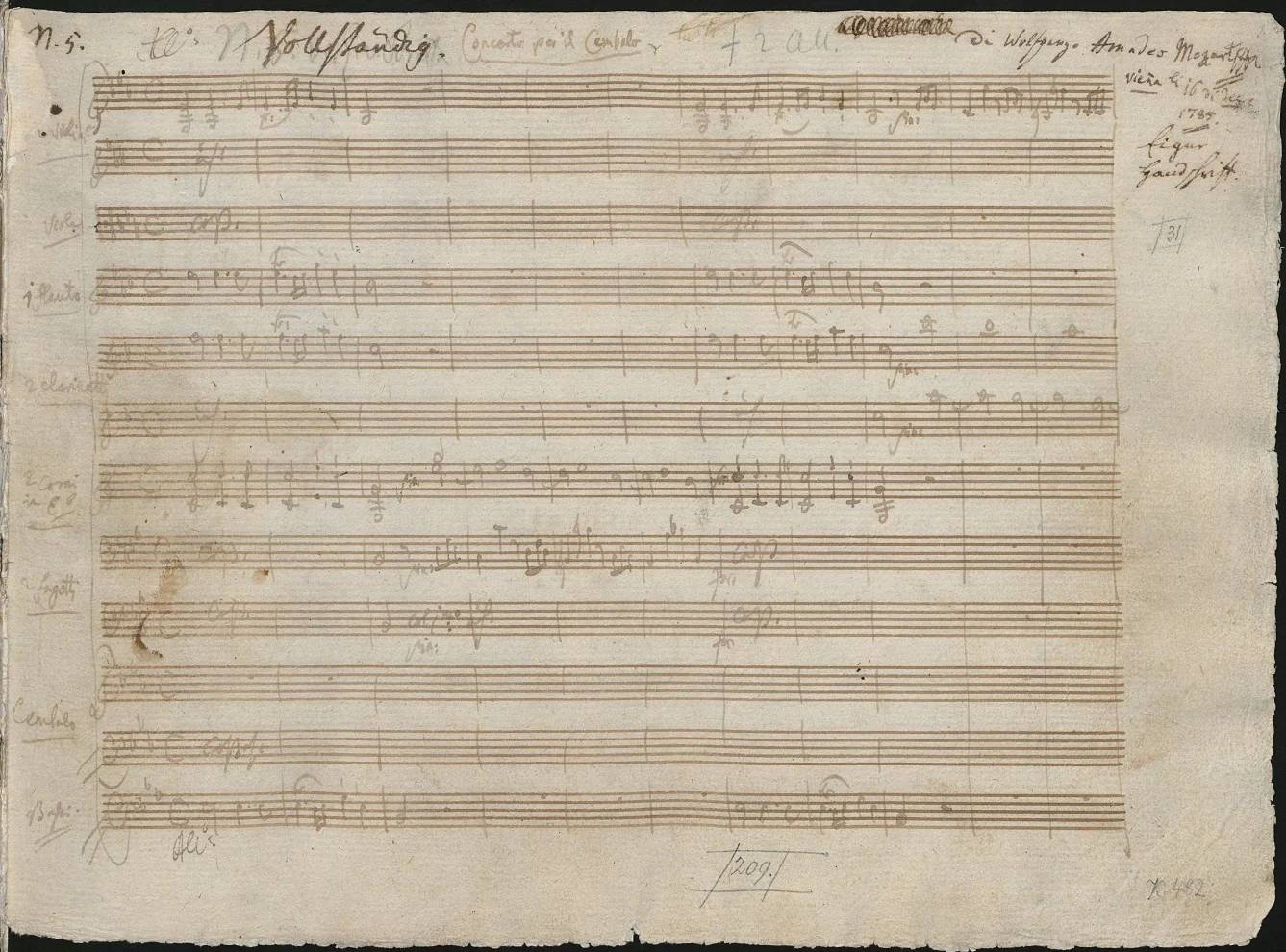
Mozart’s Clarinet Concerto in A major, K. 622
Mozart's final completed work — written for a friend who lost the manuscript
The manuscript is gone. Mozart's own handwritten score vanished — taken by the very person he wrote it for. Two months before his death, Mozart completed this concerto for his friend Anton Stadler. The original autograph has never been found.
-
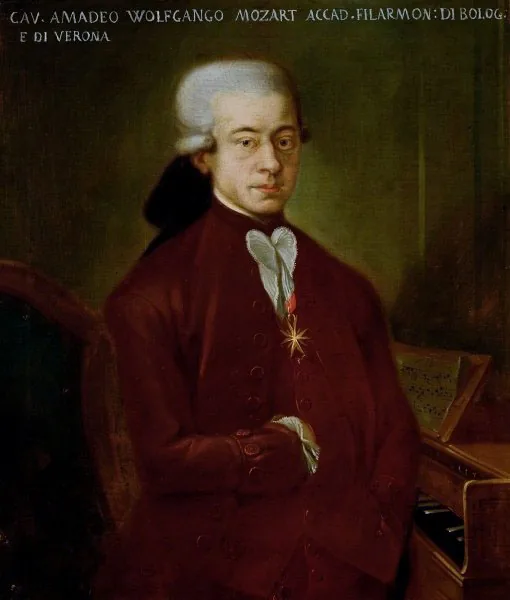
Mozart’s Piano Concerto No. 23 in A major, K. 488
The concerto where the piano talks to itself in the dark
Mozart completed this concerto in a single day in March 1786, in the middle of preparing The Marriage of Figaro. Of his 27 piano concertos, only K. 488 places its slow movement in F-sharp minor. The orchestra nearly vanishes. The…
-
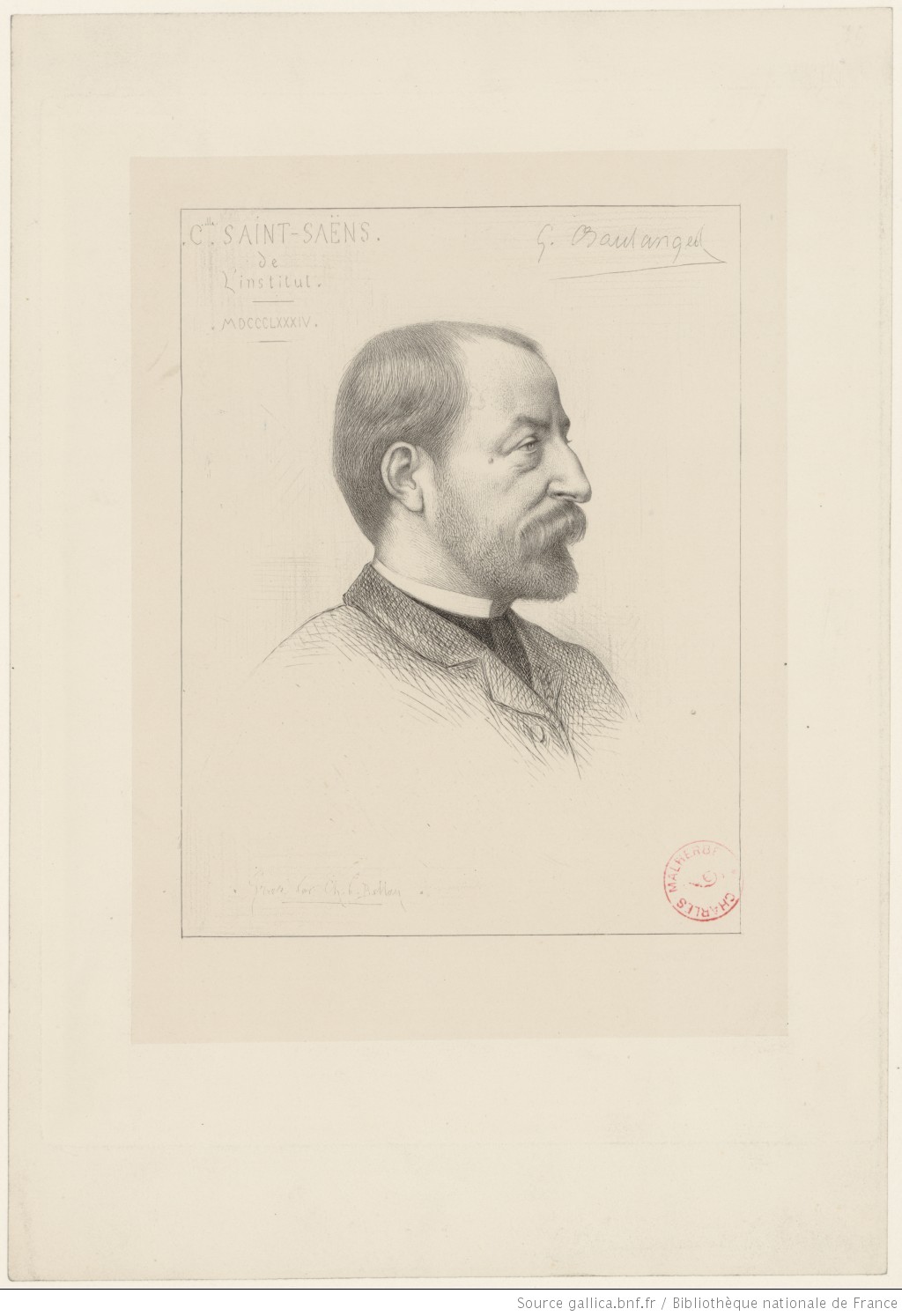
Saint-Saëns Cello Concerto No. 1: The Concerto That Starts Without Warning
Three movements, no breaks — radical in 1872, essential today
Saint-Saëns compressed three movements into one unbroken arc—no rest, no reset. The cello enters before the orchestra finishes its opening chord, a calculated act of insolence that was radical in 1872 and remains startling today. In under 20 minutes, this…
-
Haydn’s Cello Concerto No. 2 in D major, Hob. VIIb:2
The concerto his student was accused of stealing
In 1783, Haydn composed this concerto for Anton Kraft, the principal cellist at the Esterháza court. When Haydn's autograph manuscript vanished, musicologists spent 150 years crediting Kraft as the true composer. It took until 1953 for the original score to…
-
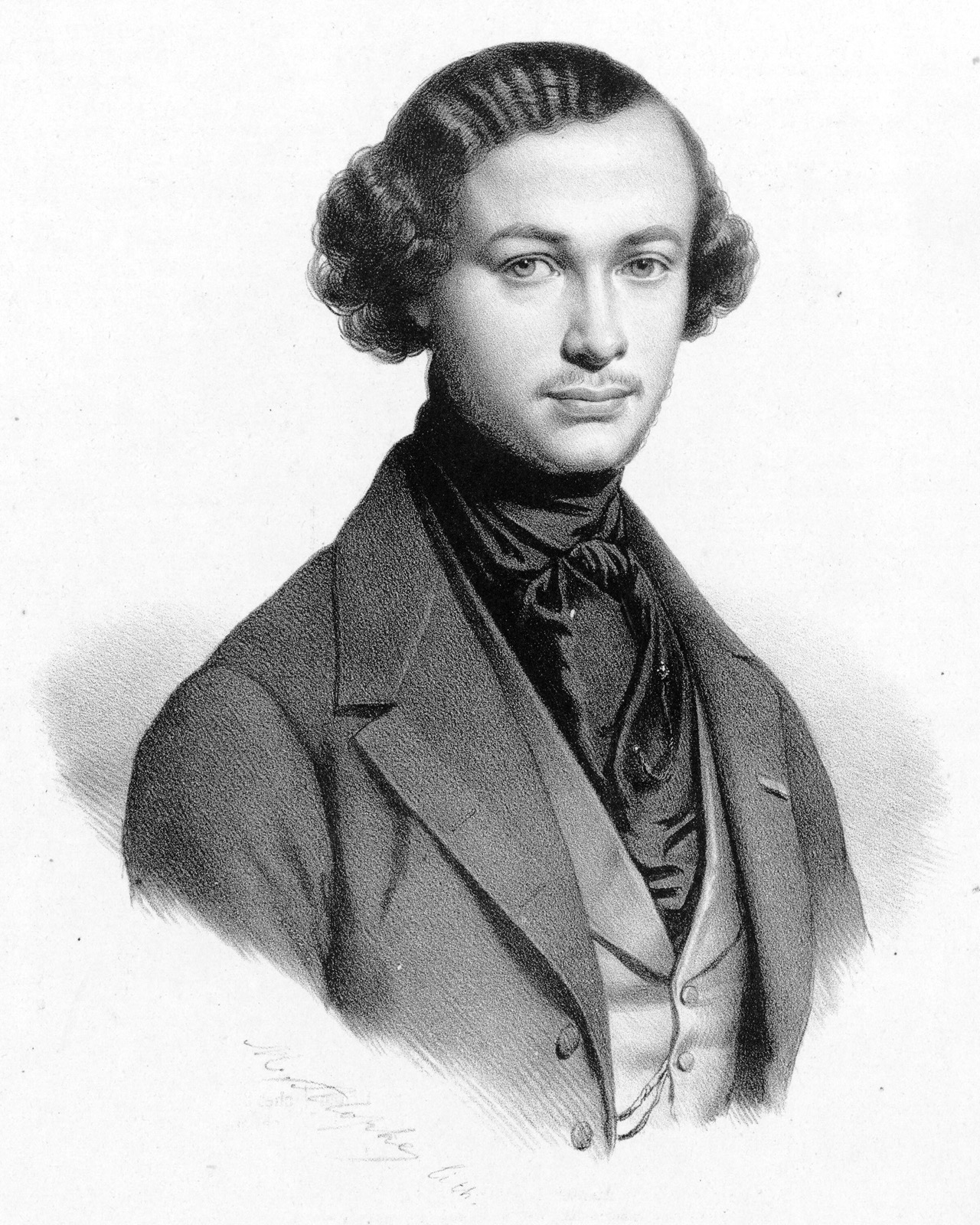
Vieuxtemps’s Violin Concerto No. 5 in A minor, Op. 37
The Concerto That Refused to Be Forgotten
There's a piece that students at the Brussels Conservatory dread for their graduation exams. And ironically, it was commissioned specifically to be a "competition test piece." That piece is Vieuxtemps's Violin Concerto No. 5. In 1858, Vieuxtemps's…
-
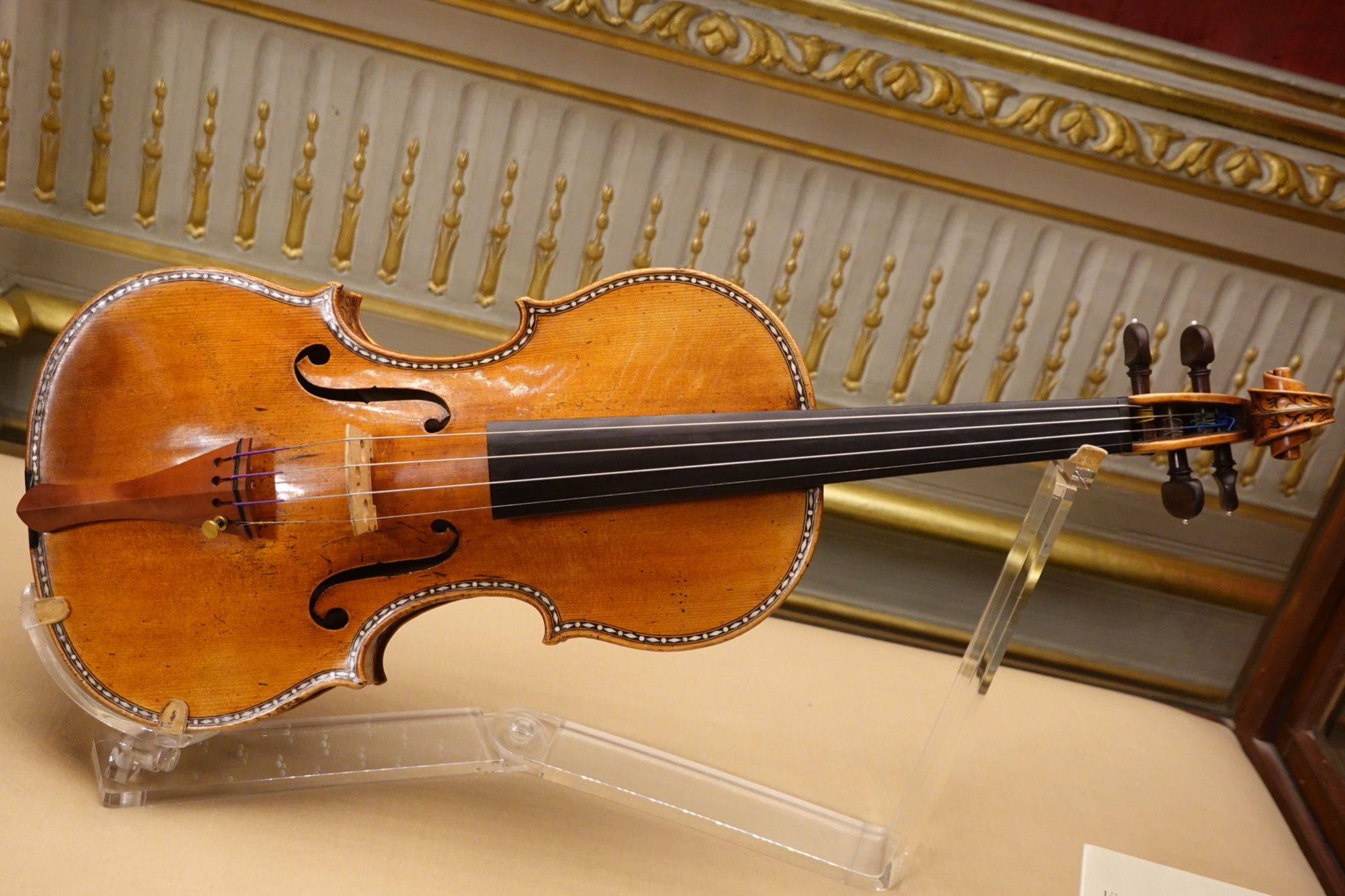
The Complete Guide to Violin Concertos
A Dramatic Dialogue for Soloist and Orchestra
The violin concerto stands as one of classical music's most captivating forms, pairing a solo violin with a full orchestra in a display of virtuosity and emotion. From the Big Four to Sibelius and Dvořák, this guide covers essential listening…
-
Dvořák’s Violin Concerto in A minor, Op. 53
The 140-year afterlife of a concerto Joachim refused to touch
Joachim never played it. Dvořák revised, dedicated, and waited — two years of silence in return. The concerto that the greatest violinist of the era refused became one of the most overlooked gems in the repertoire. Why he said no…
-
Beethoven’s Piano Concerto No. 1 in C major, Op. 15
The 'First' Concerto Beethoven finished second
Beethoven finished No. 2 before he finished No. 1. The publisher labeled the stronger piece first, and two centuries later the gap only widened: No. 2 is rarely heard outside specialist circles, while No. 1 is still the entry point…
-
Mozart’s Piano Concerto No. 25 in C major, K. 503
The concerto Vienna forgot for two centuries — and why it's Mozart's real summit
December 4, 1786: Mozart completed two works in a single day. Vienna barely noticed. K. 503 sat on shelves while lesser concertos packed concert halls. Then musicology caught up — and what it found reordered the entire hierarchy of Mozart's…
-
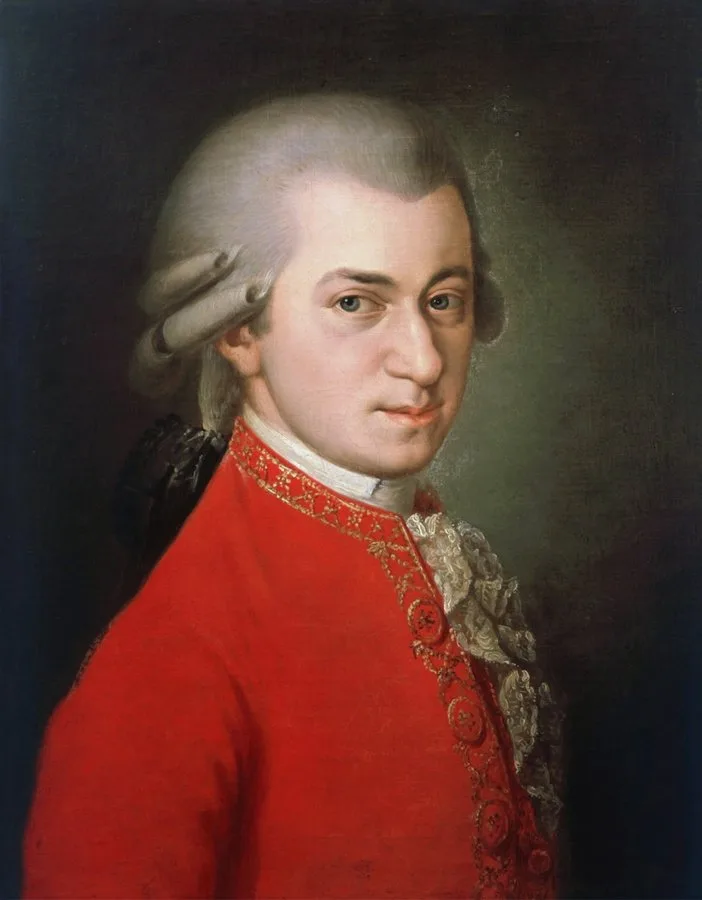
Mozart’s Piano Concerto No. 21 in C major, K. 467
Finished the night before. He performed it himself.
March 9, 1785: Mozart wrote the final bar of K. 467 — premiere the next morning, with himself at the keyboard. K. 466 in D minor had come twenty days before. Two major piano concertos in under a month. The…