- Composer
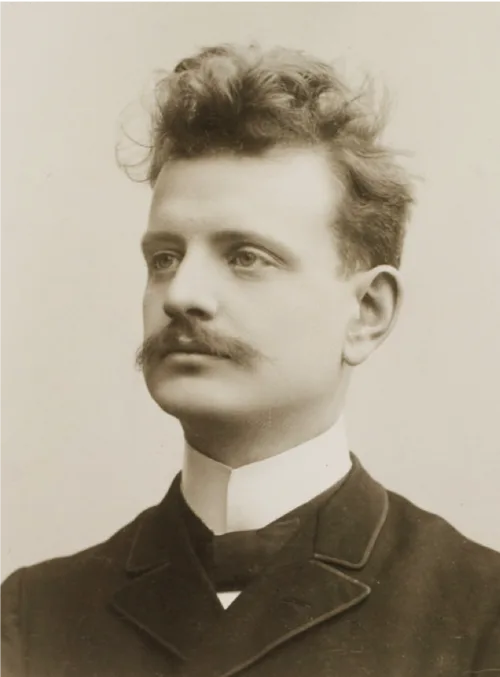
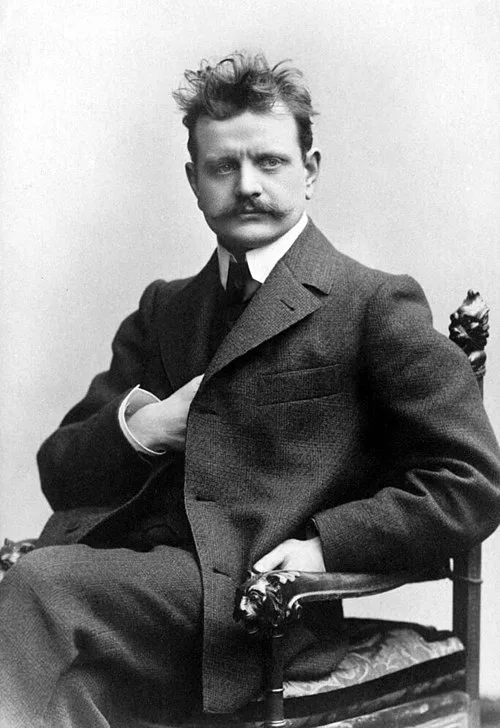
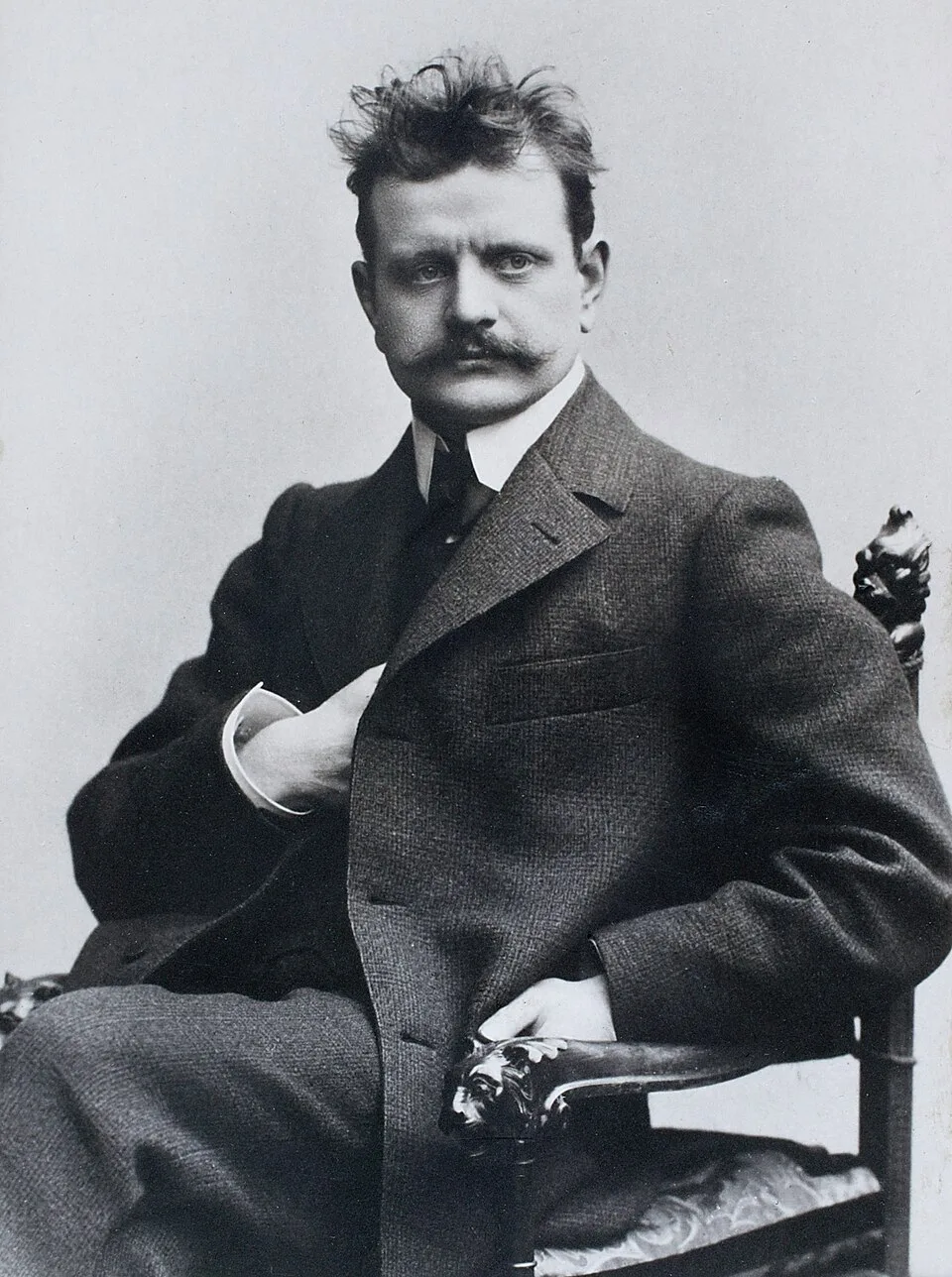
- Jean Sibelius (1865–1957)
- Work
- Violin Concerto in D minor, Op. 47
- Key
- D minor
- Composed
- 1903–1904 (original), 1905 (revised)
- Movements
- 3 movements
I. Allegro moderato (D minor)
II. Adagio di molto (B♭ major)
III. Allegro, ma non tanto (D minor) - Instrumentation
- Solo violin, 2 flutes, 2 oboes, 2 clarinets, 2 bassoons, 4 horns, 2 trumpets, 3 trombones, tuba, timpani, strings
- Premiere
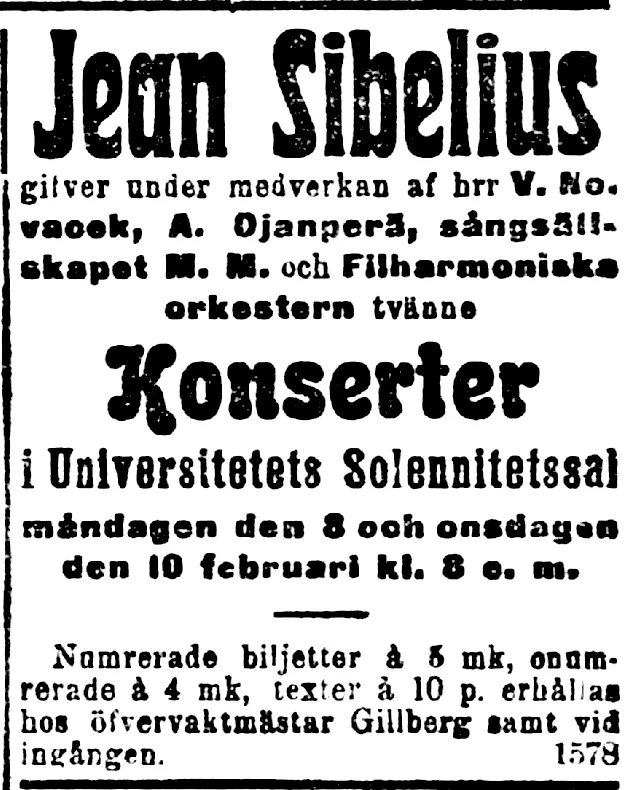
- February 8, 1904, Helsinki (original)
Viktor Nováček (violin), Sibelius (conductor)October 19, 1905, Berlin (revised)
Karl Halir (violin), Richard Strauss (conductor) - Duration
- ca. 30–33 minutes
Few great works of art have entered the world with such a resounding thud. The premiere of Jean Sibelius’s Violin Concerto in 1904 was not just a failure; it was a public humiliation. The soloist was woefully unprepared, the composer was battling his own demons on the podium, and the music itself—sprawling, raw, and technically ferocious—was deemed unplayable. In the aftermath, a wounded Sibelius did something drastic: he withdrew the score, sealed it from the world, and began again. What emerged from this crucible of disappointment was not just a revised concerto, but one of the most singular and emotionally searing works ever written for the violin—born from Sibelius’s abandoned childhood ambition to be a concert violinist and shaped by the same Finnish winter darkness that pervades his tone poems.
Follow the Score
The Failed Premiere and the Sealed Score
The story of the Sibelius Violin Concerto is a tale of two versions. The composer, a frustrated virtuoso who had once dreamed of a career as a solo violinist, poured his most intimate ambitions into the piece. He finished the original version in 1903 and, pressed for money, rashly promised the premiere to the violinist Willy Burmester. But financial deadlines forced his hand, and the Helsinki premiere was scheduled for February 8, 1904, a date Burmester couldn’t make. In his place, a local music teacher, Viktor Nováček, was hired. It was a catastrophic decision. Nováček, though a capable player, was simply not equipped for the concerto’s Herculean demands. Sibelius, conducting his own work while in the throes of heavy drinking, could do little to salvage the performance. The critics were merciless, and the composer was mortified.
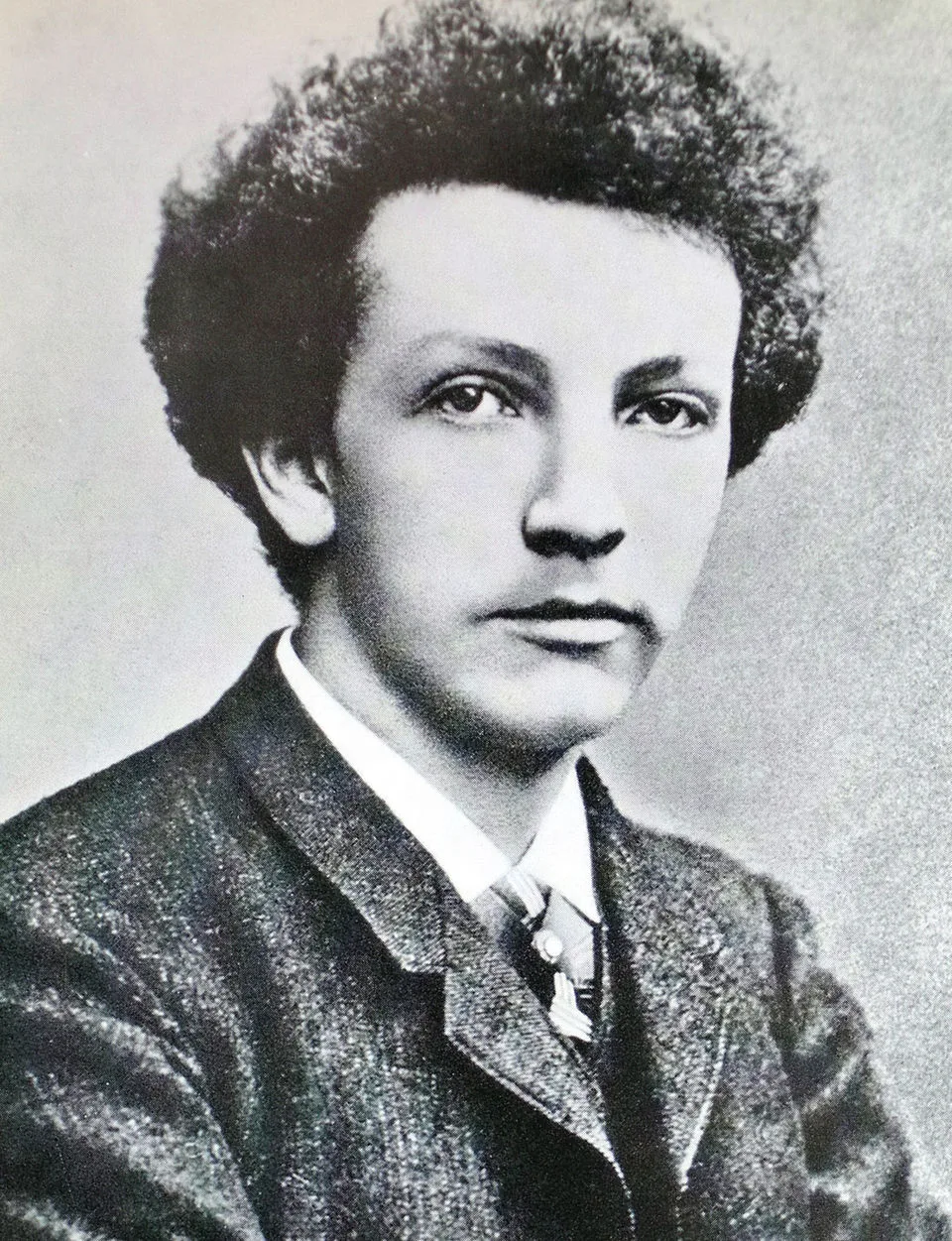
Rather than abandon the work, Sibelius undertook a radical revision. He tightened the structure, excised some of the most fiendishly difficult passages (though what remains is hardly child’s play), and refined its symphonic argument. The revised concerto had its own premiere in Berlin on October 19, 1905. This time, the circumstances were far more auspicious. The soloist was the esteemed Karl Halir, leader of the Joachim Quartet, and on the podium stood none other than Richard Strauss. This time, the work was a triumph. Sibelius, however, was so haunted by the original version that he forbade it from ever being performed again. For nearly a century, the 1904 score remained a ghost, locked away in a library until the composer’s family finally permitted its first recording and publication in the early 2000s, offering a fascinating glimpse into the work’s tormented birth.
A Concerto That Doesn’t Fight
Most Romantic concertos are built on conflict: a heroic soloist battling a mighty orchestra. The Sibelius concerto does something different. It’s less a duel and more a profound, often lonely, meditation. The violin doesn’t impose itself upon the orchestra; it emerges from it, an individual voice against a vast, elemental backdrop. Sibelius’s mastery of orchestration is on full display, creating textures that are as much a part of the landscape as the solo line itself. He uses the orchestra not as an adversary, but as a sonic world for the violin to inhabit. This integration is so complete that the work is often described as a symphony with a prominent violin part—the orchestra carries its own thematic development rather than merely accompanying, blurring the line between concerto and symphonic writing.

First Movement — Emerging from the Mist
The concerto begins in a way that is utterly unique and unforgettable. There is no grand orchestral introduction. Instead, a quiet, shimmering carpet of strings creates a sense of icy stillness. Out of this sonic mist, the solo violin materializes, spinning a long, melancholic, and deeply personal melody. It’s one of the most exposed and vulnerable entrances in the entire repertoire. The movement unfolds with a powerful sense of improvisation, alternating between passages of heart-rending lyricism and bursts of raw, elemental fury. The movement’s structural centerpiece is the cadenza. Far from being a mere decorative flourish, it is an enormous, dramatic monologue for the soloist, a moment where the violinist takes center stage to wrestle with the work’s central emotional and technical challenges before the orchestra re-enters for the powerful, tragic conclusion.
Second Movement — A Song Like a Wound
The Adagio di molto is the concerto’s warm, beating heart. After the storm and stress of the first movement, the music shifts to a radiant B-flat major. The atmosphere is one of profound, almost painful intimacy. The main theme, introduced by the clarinets and oboes, is a song of deep longing and tenderness, which the violin then takes up and elaborates with soaring intensity. Many have heard this movement as a love letter, perhaps to Sibelius’s wife, Aino. It’s music of private confession, a slow song that feels both like a balm and a beautiful wound. The dialogue between the soloist and the orchestra, particularly the woodwinds, is rich with a quiet, conversational beauty, creating a space of deep reflection before the finale shatters the peace.
Third Movement — A Polar Bear’s Polonaise
Any sense of tranquility is utterly demolished by the finale. Sibelius famously, and somewhat cryptically, described this movement as a “polonaise for polar bears.” The description, however bizarre, is strangely apt. This is no elegant courtly dance. It is a relentless, rhythmically savage dance-of-death, full of crunching dissonances and a driving, obsessive pulse. The violin part is a moto perpetuo of dazzling difficulty, demanding both raw power and pinpoint precision. The music has a heavy, almost clumsy strength, a feeling of immense forces barely contained. It’s a thrilling, high-wire act for the soloist—the finale’s polonaise rhythm drives relentlessly through double-stops and flying spiccato, leaving both performer and audience physically spent.
Sibelius, the Violin, and Finland
It is impossible to separate the Violin Concerto from Sibelius’s own life story. As a young man, his one great ambition was to become an international violin virtuoso. He practiced obsessively, but a combination of a late start and severe stage fright scuttled his dream. That profound sense of loss, of a path not taken, is etched into every bar of this concerto. It is the work of a man who understood the instrument from the inside out—its capacity for song, for rage, for despair, and for transcendence. While his other major works drew their inspiration from the Finnish national epic, the Kalevala, the Violin Concerto is his most personal testament, a symphony of the soul where the solo violin speaks for the composer himself.
Choosing a single best recording is impossible, as the concerto responds beautifully to different artistic temperaments. Two modern interpretations stand out for their contrasting but equally valid approaches.
For an interpretation of immense clarity, structural integrity, and narrative force, look no further than Hilary Hahn. Her performance with Esa-Pekka Salonen and the Swedish Radio Symphony Orchestra is a masterclass in intelligent musicianship. Every phrase is sculpted with purpose, the technical challenges are met with seemingly effortless control, and she builds the architectural sweep of the work with unerring focus. This is a performance that reveals the concerto’s symphonic logic without sacrificing any of its emotional punch.
For a reading that embraces the work’s wild, untamed spirit, Janine Jansen‘s account is absolutely electrifying. Her playing is fierce, sensuous, and utterly committed, often taking risks that lesser violinists would shy away from. With Valery Gergiev and the Mariinsky Orchestra providing a dark, muscular foundation, Jansen attacks the piece with a visceral intensity that is almost frightening. Her sound is rich and varied, from a whispered pianissimo to a raw, guttural cry in the finale. This is the Sibelius concerto as a full-blooded romantic drama.
The Legacy of This Concerto
After its rocky start, the Sibelius Violin Concerto has become one of the most beloved and frequently performed concertos in the repertoire. It stands alongside the concertos of Beethoven, Brahms, Mendelssohn, and Tchaikovsky as a pillar of the violin literature. Its unique blend of late-Romantic passion, modernist austerity, and a deep, brooding Nordic spirit has captivated audiences and challenged violinists for over a century. It is a work that refuses to be tamed, a piece that demands everything from its performer—technically, emotionally, and intellectually. In pouring his failed dream into this music, Sibelius created something far more enduring: a masterpiece for the ages.
Frequently Asked Questions
How difficult is the Sibelius Violin Concerto?
It is widely considered one of the most technically demanding concertos in the violin repertoire. The composer, Jean Sibelius, was a failed virtuoso and wrote a piece that required exceptional skill, particularly in its original 1904 version. After a poor premiere, he revised it in 1905, though it remains a formidable challenge for any soloist.
How long is the Sibelius Violin Concerto?
The concerto consists of three movements and typically has a duration of about 32 minutes. The movements are I. Allegro moderato, II. Adagio di molto, and III. Allegro, ma non tanto. The entire work is written in the key of D minor.
Is there a story behind the Sibelius Violin Concerto?
While there is no narrative program, the work’s history is dramatic. The 1904 premiere was a disaster because the intended soloist was unavailable, and the replacement, Viktor Nováček, could not handle its difficulty, leading to a critical failure. This prompted Sibelius to heavily revise the work into the successful 1905 version known today.
What makes the first movement of the Sibelius concerto unusual?
The first movement, Allegro moderato, breaks from tradition by introducing the solo violin almost immediately, emerging from a quiet texture of shimmering strings. Instead of a lengthy orchestral introduction, Sibelius presents the main themes through the soloist right from the beginning. Furthermore, the extensive solo cadenza serves as the movement’s development section, a structural innovation for its time.