One Night with Venus, a Lifetime with Mercury
Autumn 1823. A hospital in Vienna. A twenty-five-year-old man sits before his doctor. His hair has begun to fall out, and red spots are spreading across his body. The doctor delivers his diagnosis in a single word. That disease.
The young man’s name was Franz Schubert — the composer of “Erlkönig” and “The Trout.”
In nineteenth-century Europe, this “secret disease” was as common as COVID is in ours. Estimates suggest that 15 to 20 percent of adult men were infected. Syphilis did not discriminate by class. Nobleman or artist, anyone who stepped into the world of nocturnal socialising could pay the price.
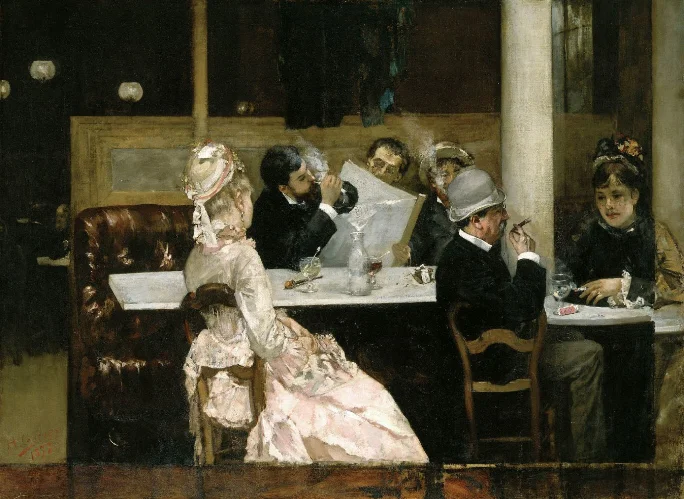
Why were artists so disproportionately affected? For nineteenth-century European artists, nightlife was not a vice — it was infrastructure. After performances came the salons, after salons the cafés, after cafés the other establishments. The back streets of Paris, Vienna, and Leipzig served simultaneously as networking venues, sources of inspiration, and breeding grounds for infection. Music historian Deborah Hayden called this period “the golden age of syphilis” in her study of the disease’s cultural impact.
Prevention? There were primitive sheaths made from sheep intestines, but they cost a small fortune — a luxury only the aristocracy could afford. Most men took their chances unprotected.
And once infected? There was precisely one treatment: mercury. Mercury ointment rubbed across the body. Mercury vapour inhaled in sealed chambers. In severe cases, mercury swallowed directly. The side effects were horrific — teeth fell out, saliva poured uncontrollably at over a litre per day, gums rotted away. Patients sometimes died of the cure rather than the disease. A proverb circulated throughout Europe:
“One night with Venus, a lifetime with Mercury.”
This is the story of four genius composers who contracted that secret disease, and one more who remains a prime suspect. Fair warning — by the time you finish reading, their music will never sound quite the same.
Schubert — The Secret Beneath the Wig
Franz Schubert was well acquainted with Vienna’s nightlife. At gatherings known as “Schubertiades,” he would play music with friends, drink, and then… explore Vienna’s back streets. His companions later described this period in their memoirs with exquisite care — the kind of care that, even two centuries on, speaks volumes between the lines.
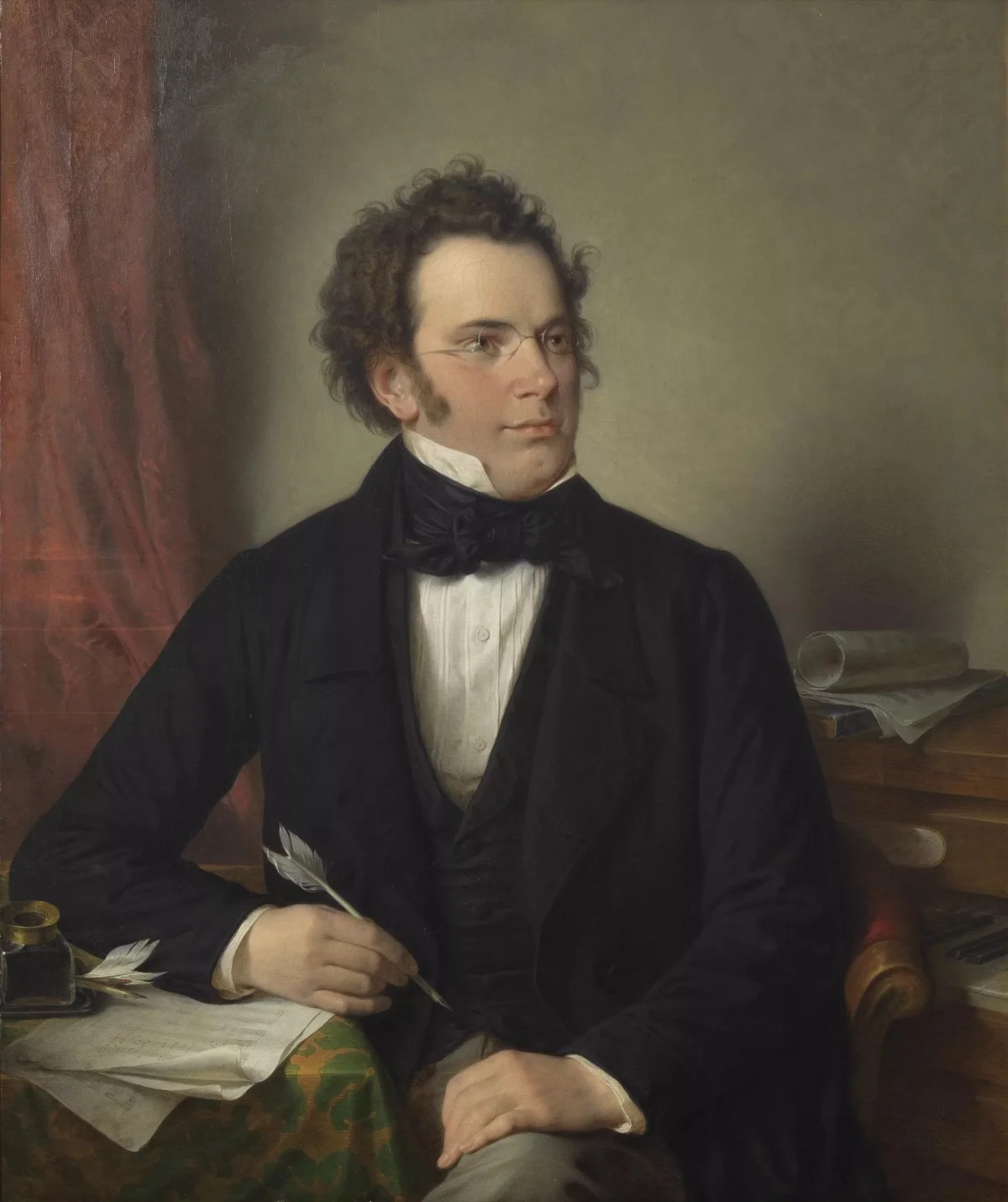
In 1823, Schubert received his diagnosis. The symptoms were textbook — rash, hair loss, blinding headaches. In a letter to a friend, he wrote: “I feel myself to be the most unhappy, the most wretched creature in the world.” Then he started wearing a wig. When a young man in nineteenth-century Vienna suddenly appeared in a wig, people understood without asking.
Mercury treatment brought temporary relief, but the disease was advancing silently through his body.
Then something extraordinary happened. After his diagnosis, Schubert’s music crossed into an entirely different dimension.
In 1827, he completed the song cycle Winterreise (Winter Journey), D.911 — twenty-four songs setting the poetry of Wilhelm Müller. A rejected lover walks through a frozen winter landscape, singing of despair, solitude, hallucination, and resignation. When Schubert first performed these songs for his friends, the room fell silent. His friend Joseph von Spaun recorded the moment:
“He said, ‘These songs please me more than anything I have ever written.’ We could not say a word.”
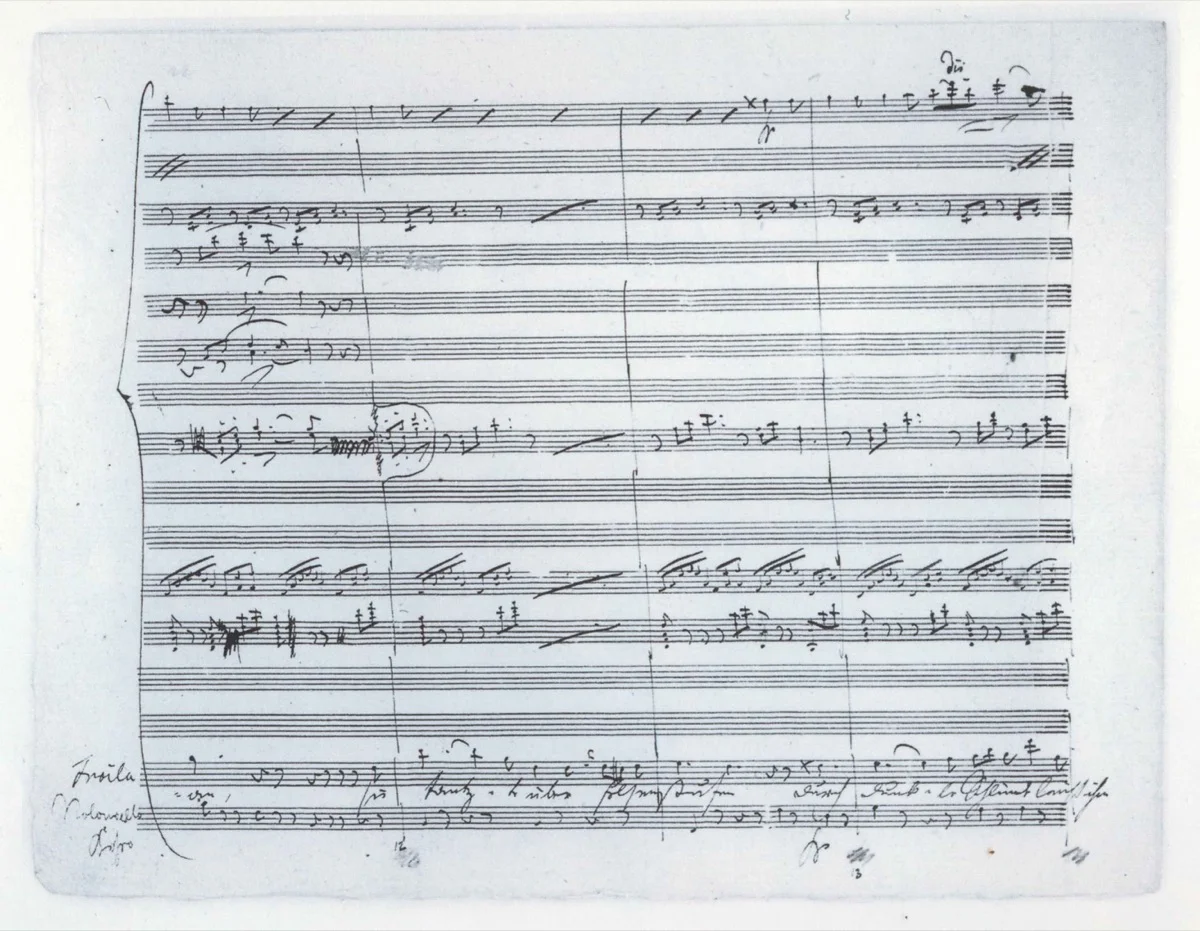
The final song, “Der Leiermann” (The Hurdy-Gurdy Man), depicts an old man playing music on a frozen street corner while nobody stops to listen. The wanderer asks him: “Old man, shall I go with you?” Was it a prophecy? The year after completing this work, Schubert died at thirty-one. His death certificate read “typhus,” but modern medicine suspects that a mercury-ravaged immune system was the true cause.
One more thing. There is another heated scholarly debate surrounding Schubert’s personal life. In a 1989 paper, musicologist Maynard Solomon pointed to Schubert’s intimate male friendships as evidence of possible homosexuality — a claim that remains fiercely contested. Nothing is certain. What is certain is this: regardless of how he contracted the disease, Winterreise stands as the most achingly beautiful record of solitude ever composed.
Schumann — The Diary of Nocturnal Adventures
Robert Schumann was a remarkably candid man. How candid? He kept a diary of his youthful “nocturnal activities.” During his student days at the University of Leipzig, entries recording visits to houses of pleasure filled page after page. Schumann even used abbreviations and codes to describe his exploits — codes that later scholars deciphered with considerable embarrassment. They published the findings, but not all of them.
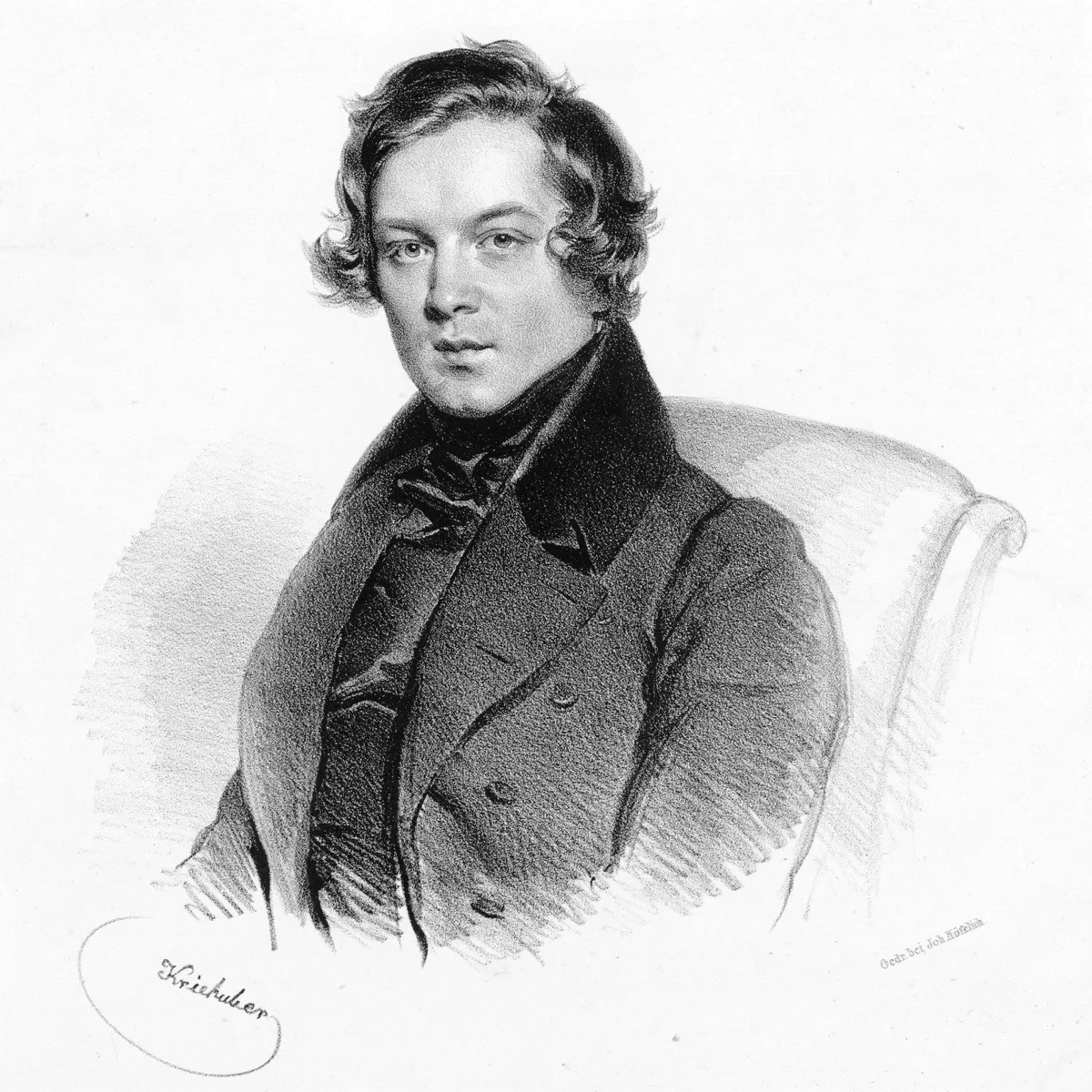
Schumann’s symptoms began surfacing in the early 1830s. First came the fingers — the famous paralysis that ended his career as a pianist. Syphilis is among the suspected causes, though the theory of a botched mechanical finger-strengthening device persists. The timing, however, is suggestive. In any case, Schumann abandoned the keyboard for composition, and through that cruel irony, the world gained one of its greatest composers. The Piano Concerto in A minor, Dichterliebe — they were born from the death of Schumann the pianist.
What followed was far worse. From the late 1840s, Schumann began hearing voices. Angels, he said. Demons, he also said. A single A note droning endlessly in his skull, sometimes blossoming into beautiful melodies, sometimes shrieking into metallic noise. He wrote down the angelic melodies as his final composition, the Geistervariationen (Ghost Variations). A piece dictated by angels — it sounds like a beautiful story, except that the angel was almost certainly the spirochete consuming his brain.
On 27 February 1854, Schumann bolted from his house in slippers, ran to the Rhine, removed his wedding ring, threw it into the river, and jumped in after it. Fishermen pulled him out, but he was committed to the Endenich asylum near Bonn.
What followed may be the most heartbreaking passage in all of music history. Clara Schumann did not visit her husband for over two years. Not because she did not want to — the attending physician forbade it. Schumann’s condition was too horrifying for her to witness. The man who had once been among Europe’s finest pianists and most brilliant music critics could no longer bring food to his own mouth.
Clara finally saw Robert on 27 July 1856, two days before he died. He could no longer speak. His last act was to moisten his lips with wine from Clara’s hand.
Modern medicine identifies Schumann’s terminal symptoms — auditory hallucinations, personality disintegration, physical paralysis, loss of speech — as textbook tertiary neurosyphilis. The spirochete had penetrated his brain and spinal cord. The most delicate musical mind in Europe was collapsing from within.
Donizetti — “I Am Not Donizetti”
You may not immediately recognise the name Gaetano Donizetti. But consider this number: seventy operas. The man composed seventy operas in his lifetime. Lucia di Lammermoor and L’elisir d’amore are his most famous. When Rossini retired from opera at thirty-seven, it was Donizetti who inherited the throne of Italian opera.
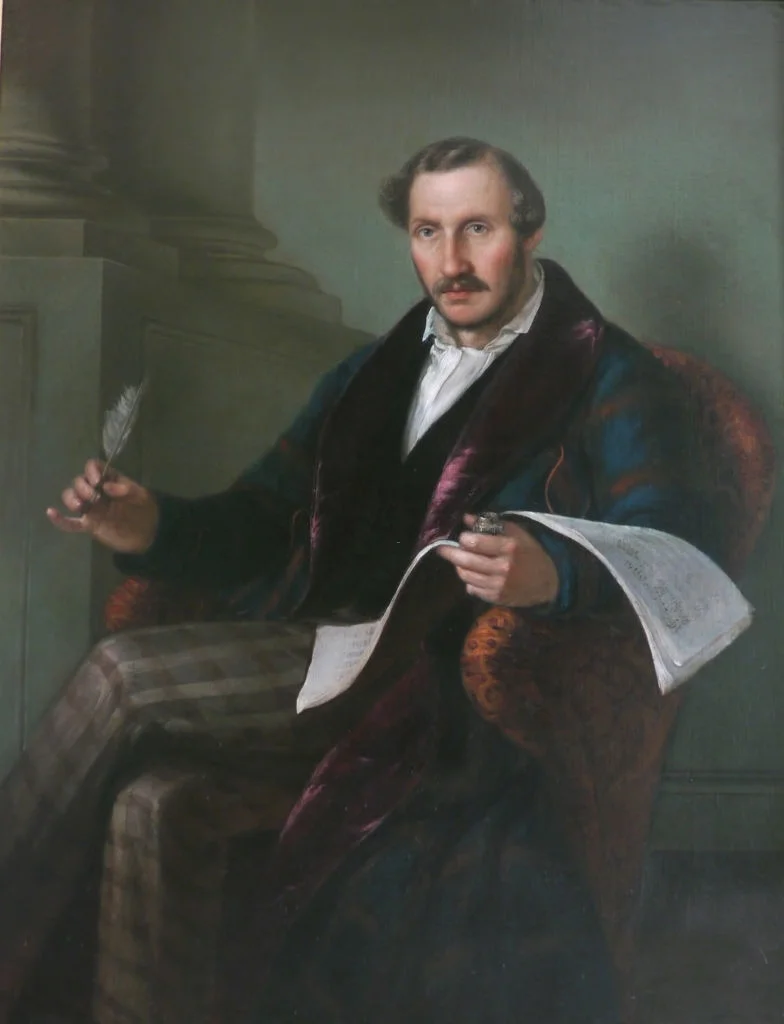
His compositional speed was staggering. L’elisir d’amore took just two weeks. Writing three or four operas simultaneously in a single year was routine. A joke circulated among his colleagues: “Donizetti writes an opera before breakfast, eats lunch, then writes another one in the afternoon.” His rival Bellini sniped at the pace with undisguised envy.
In his mid-forties, Donizetti fell apart with terrifying speed. In 1845, while working in Paris, he collapsed on the street. From that point, he progressively lost his sense of self. When people called him by name, he showed no recognition. Occasionally, he repeated the same phrase:
“I am not Donizetti.”
Pause on that for a moment. The man who wrote seventy operas was denying his own name. Neurosyphilis was destroying his brain, and with it, memory and identity dissolved together.
Friends sent him home to Bergamo, but there was no return. In April 1848, Donizetti died in a friend’s house, effectively in a vegetative state. He was fifty years old. In his final years, he lost his words, his music, and himself.
The fastest pen in European opera stopped in the cruelest way imaginable.
Smetana — He Lost His Hearing and Composed a Nation
Bedřich Smetana is the father of Czech music. His cycle of symphonic poems Má vlast (My Fatherland) is known to every Czech citizen, and the melody of “Vltava” — the movement depicting the Moldau river — is impossible to forget once heard. Every year, the Prague Spring Festival opens on the anniversary of Smetana’s death, 12 May, with a complete performance of Má vlast. For the Czech people, this music carries a significance that transcends even the national anthem.
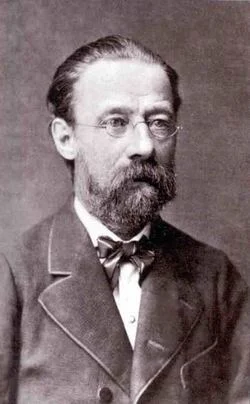
In 1874, catastrophe struck. Smetana’s hearing began to fail without warning. First, a persistent high-pitched tone in one ear, then within months, total deafness in both. He was fifty — the principal conductor of the Prague National Theatre, the central figure in Czech musical life, suddenly expelled from the world of sound.
He embedded the experience directly into the fourth movement of his String Quartet No. 1, “From My Life” (Z mého života). Bright, spirited Czech folk-dance melodies are flowing when, without warning, a piercing high E from the first violin slices through everything. The music stops. Only the E remains. Smetana wrote: “This is the sound that rings ceaselessly in my ear.” It may be the most chilling autobiographical confession in all of music — tinnitus rendered in sound.
Syphilis had destroyed the auditory nerve. Yet Smetana continued composing Má vlast after losing his hearing — the final four of the six poems were written in deafness. He was transcribing music that existed only inside his head. People drew comparisons to Beethoven, but Smetana reportedly loathed the comparison: “I am not Beethoven. I am Smetana.”
By 1883, the psychiatric symptoms had set in fully — memory loss, slurred speech, violent outbursts. He was admitted to the Kateřinky asylum in Prague and died there on 12 May 1884, aged sixty. Post-mortem examination revealed severe brain damage, which modern neurologists regard as a textbook presentation of neurosyphilis.
The man who composed the music Czechs love most never once heard it performed on a concert stage.
Beethoven — A Suspect on the List?
One more name demands mention. Ludwig van Beethoven. But here, a large question mark applies.
The cause of Beethoven’s hearing loss has been debated for over two hundred years. The list of candidates is long: ototoxic medication, autoimmune disease, lead poisoning, otosclerosis — and syphilis.
The case for syphilis rests on several points. Records suggest that even the young Beethoven was not entirely immune to Vienna’s nocturnal temptations. His attending physician, Dr Andreas Wawruch, prescribed mercury ointment — a standard syphilis treatment. Some of Beethoven’s symptoms — progressive hearing loss, chronic abdominal pain, liver disease — overlap with the syphilitic profile.
The counterarguments are formidable. Hair analysis conducted at Argonne National Laboratory in 2005 and a 2023 DNA study from the University of Cambridge both revealed extraordinarily high lead concentrations. Lead acetate — known as “sugar of lead” — was commonly added to wine as a sweetener, and Beethoven was known to be fond of his wine.
Most critically, the hallmark symptoms of tertiary neurosyphilis — personality collapse, hallucinations, memory obliteration — were conspicuously absent in Beethoven. Unlike the four men above, who suffered devastating mental disintegration in their final years, Beethoven composed the Choral Symphony and the late string quartets — among the greatest music ever written — right up to the end. His mind remained luminously clear.
So Beethoven sits on the suspect list, not the confirmed roster. If your first reaction was “Wait, Beethoven too?” — you have just had exactly the same reaction musicologists have been having for two hundred years.
Did the Disease Make the Genius?
One provocative question remains. Could syphilis have actually heightened their creative powers?
There was, in fact, a Romantic-era theory to that effect. Neurosyphilis stimulates the frontal lobe, the hypothesis went, triggering temporary bursts of creative brilliance. By the late nineteenth century, the disease had even acquired a flattering nickname: “the genius disease.” And it was not just composers. The philosopher Friedrich Nietzsche, the novelist Guy de Maupassant, the painter Vincent van Gogh — all known syphilis sufferers. Even Abraham Lincoln has faced posthumous suspicion. At a certain point, the question becomes: who among the geniuses was not infected?
Modern medicine, however, firmly rejects this romantic notion. When brain tissue is destroyed, inhibition can temporarily lift — a phenomenon known as disinhibition. But that is not an increase in creativity; it is a loss of control. Much the same way that alcohol makes people bolder without actually making them braver. Schumann’s late works are not demonstrably superior to his early ones, and Donizetti’s astonishing compositional speed was his trademark long before syphilis entered the picture.
The cruel truth is this: the great works of these composers emerged not because of the disease, but in spite of it. Schubert wrote Winterreise as he was dying. Smetana completed Má vlast in absolute silence.
That was not the gift of disease. It was the will of genius.
And one last thing. Nietzsche spent eleven years in an asylum. Maupassant attempted suicide and died in one. Donizetti could not remember his own name. The handsome label “genius disease” ended at the door of the hospital ward.
Frequently Asked Questions
Frequently Asked Questions
Were these four the only composers who had syphilis?
Not at all. Beyond the four featured here, several other composers are confirmed or strongly suspected to have died of neurosyphilis — Hugo Wolf, Frederick Delius, and Scott Joplin among them. In the nineteenth century, syphilis was simply that pervasive.
Is syphilis still dangerous today?
Since the development of penicillin in the 1940s, syphilis is curable when caught early. Left untreated, however, it can still progress to neurosyphilis. The central tragedy for nineteenth-century composers was that penicillin simply did not exist as an option.
What actually caused Beethoven’s hearing loss?
As of 2023, the leading hypothesis points to a combination of lead poisoning and liver disease. Lead concentrations found in Beethoven’s hair were dozens of times above normal levels. The syphilis theory has not been entirely ruled out but currently represents a minority view among researchers.
How did syphilis affect Robert Schumann’s music?
Robert Schumann’s neurosyphilis caused a severe mental decline, which is reflected in his late compositions. His “Gesänge der Frühe” (Songs of Dawn), a five-piece piano cycle from 1853, was written just before his final mental breakdown and confinement to an asylum. The work’s stark, chorale-like simplicity contrasts dramatically with the fiery complexity of his earlier works from the 1830s.
Did any composer write music directly about their experience with syphilis?
Yes, Bedřich Smetana’s String Quartet No. 1 in E minor, subtitled “From My Life,” is a musical autobiography of his struggle. The final movement features a sustained, high-pitched ‘E’ in the first violin, which Smetana himself confirmed was a depiction of the debilitating tinnitus he experienced in 1874 as a result of the disease. The quartet premiered in 1879 and traces his life from youthful optimism to this tragic end.
Did Schubert know he had syphilis when he wrote the “Unfinished” Symphony?
Franz Schubert contracted syphilis in 1822, the same year he began composing his Symphony No. 8 in B minor, now known as the “Unfinished.” He completed two movements before setting the work aside indefinitely in 1823, coinciding with the onset of his first severe symptoms and depression. Many musicologists believe the devastating diagnosis is a primary reason the symphony was never completed.
How was syphilis treated in the 19th century?
Before the 1940s, there was no effective cure for syphilis, and treatments were often toxic. The most common method involved administering mercury, which was poisonous and caused horrific side effects like tooth loss, ulcers, and neurological damage, often worsening the patient’s condition. The effective antibiotic, penicillin, was not discovered by Alexander Fleming until 1928 and was not widely available for another two decades.