He abandoned her — and Paris turned against him
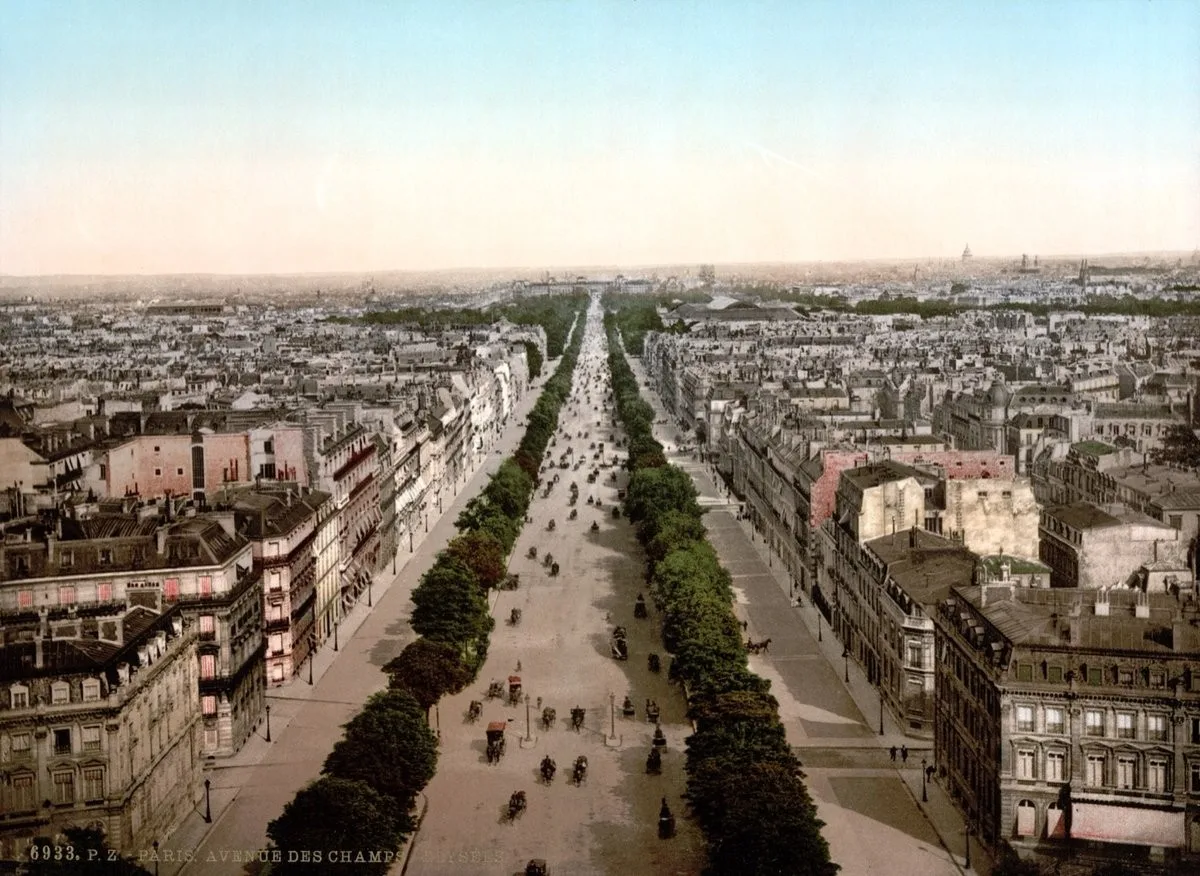
Paris, October 1904. Near the Grand Palais, a woman’s life nearly ended in a single desperate act. Her name was Rosalie Texier, though everyone called her Lilly. She was thirty-two years old and a former dressmaker. For five years, she had held together the life of a man who ultimately left her without a single conversation.
The wound was severe, and doctors judged that treating it fully was too dangerous to attempt. Its mark stayed with her for the rest of her life. Lilly survived.
Her husband had already departed. He left only a letter on a table. Over the summer, he crossed the English Channel with another woman. They fled to the island of Jersey to avoid the immediate scandal. Five years of shared poverty and unpaid bills ended with a single piece of paper.
That husband was Claude Debussy. He was the composer of Clair de Lune and La Mer. He built a new vocabulary for Western music. He drew from Javanese gamelan and medieval church modes to reconstruct sound. To the musical establishment, he was a revolutionary. To Lilly, he was casually cruel.
Paris and the Heretic at the Conservatoire
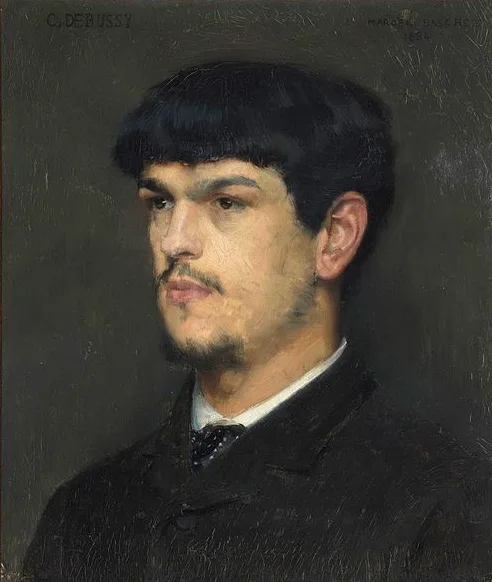
Achille-Claude Debussy was born in 1862 in Saint-Germain-en-Laye. His family had no musical tradition. His father sold ceramics, and his mother was a seamstress. Yet at age ten, he entered the Paris Conservatoire. He immediately rejected their standard expectations.
The Conservatoire was a fortress of German orthodoxy. Harmony was taught with rigid severity. The shadow of Richard Wagner dictated the curriculum. Young composers were expected to produce monumental works. Debussy refused this path. He questioned the old rules entirely. The faculty responded with low marks and frequent censure.
The 1889 Paris Exposition Universelle shifted his perspective permanently. He heard a Javanese gamelan orchestra. Its cyclic textures ignored European teleological logic. He realized the grammar of Western music was not a natural law. It was merely one structural option among many.
He won the Prix de Rome in 1884. The prize sent him to Italy for three years. He returned to Paris in 1887 with his unorthodox ideas intact. The establishment found his compositions strange and static. They lacked the satisfying resolutions audiences expected. He gave piano lessons to survive. Well into his thirties, he remained broke and unrecognized.
Lilly: The Years Nobody Saw
Rosalie “Lilly” Texier was a working-class Parisian. She took in sewing and modeled briefly. She met Debussy in the late 1890s when he was still an unknown entity. She could not read music. She lacked access to the intellectual circles where his ideas circulated.
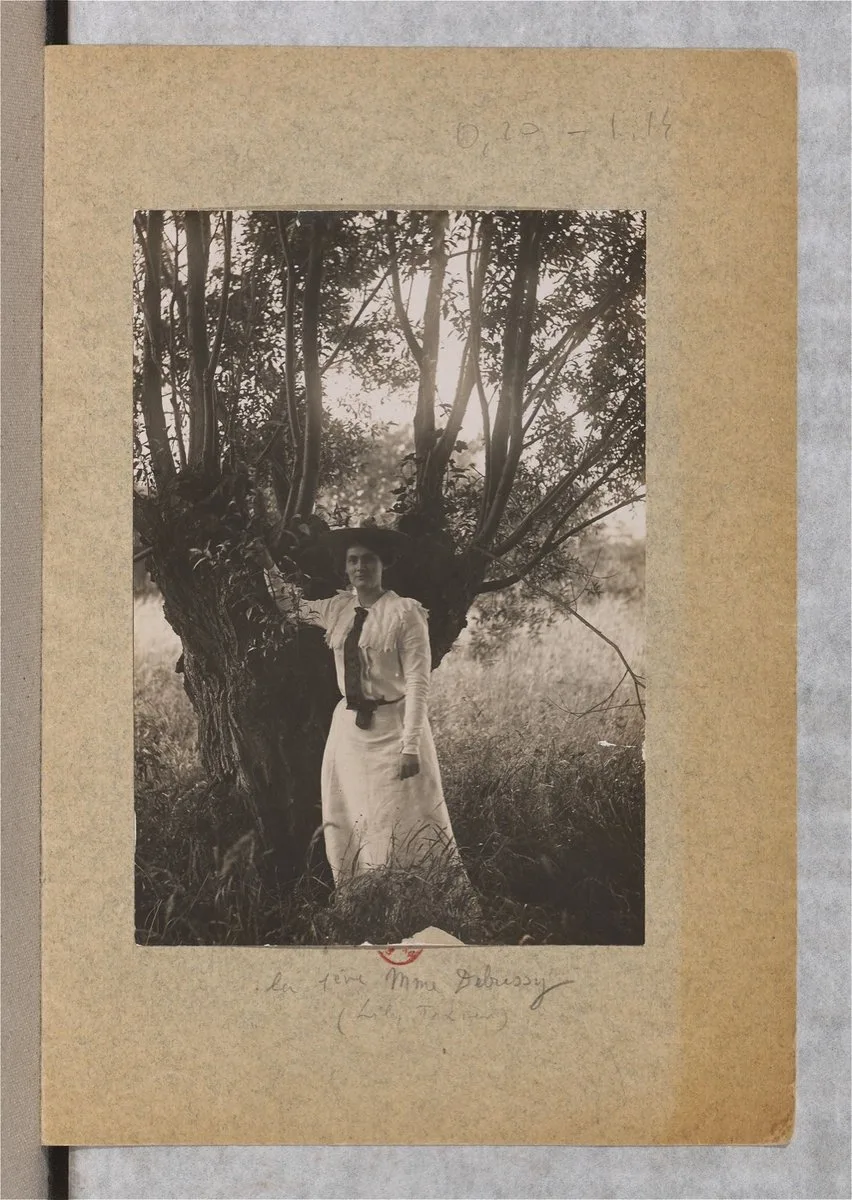
Yet she stayed. She endured sudden relocations to evade unpaid rent. She stayed through winters with insufficient heat and meals skipped entirely. In 1899, they married in a quiet civil ceremony. She acted as his anchor during his most difficult years in Paris.
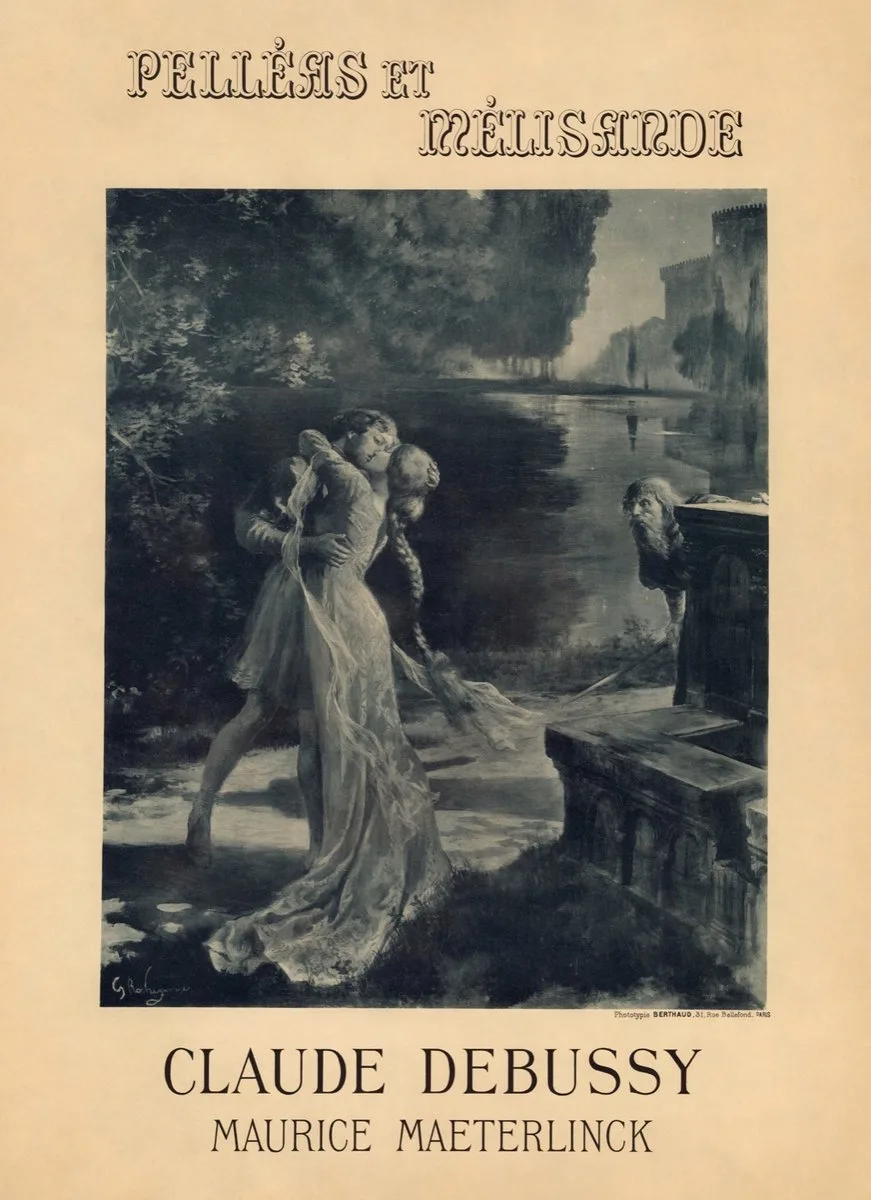
His breakthrough arrived in 1902. The opera Pelléas et Mélisande premiered at the Opéra-Comique. It polarized the city but made Debussy famous. He was suddenly invited into the exclusive, wealthy salons of the capital.
Lilly had no place in those drawing rooms. She could not debate Symbolist poetry or Wagnerian theory. She had supported him in obscurity. Now, he entered a world she could not navigate. In that world, Emma Bardac was waiting.
The Arrival of Emma Bardac
Emma Bardac was married to a prominent Parisian banker. She occupied the apex of Debussy’s new social circle. She was a trained soprano of high caliber. She could read a full orchestral score with ease. Gabriel Fauré had dedicated his famous Dolly Suite to her daughter.
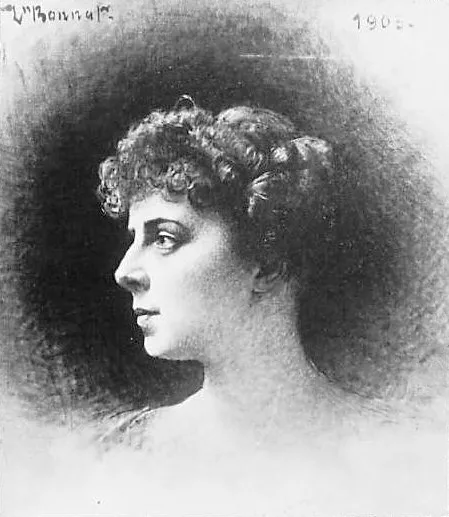
Debussy met Emma around 1903. She could genuinely engage with his harmonic revolution. She sang his compositions exactly as he imagined them. She offered intellectual recognition and vast financial security.
By the summer of 1904, Debussy made his decision. He left his letter for Lilly. He and Emma crossed the Channel to Jersey. They distanced themselves from the forming scandal in Paris and isolated themselves by the sea.
The Island, and the Music Born There
Jersey offered refuge from creditors and critics. From the cliffs, the sea dominated the landscape. Here, amid moral wreckage, Debussy composed his most famous orchestral score.
La Mer was conceived largely on that island. The months he spent abandoning Lilly were his most productive. He found the sonic landscape that would define his historical legacy.
He observed the water and the shifting light. He translated the ocean’s indifferent structure into orchestral sound. He heard it clearly after dismantling his previous life.
The Shot
In Paris, Lilly waited through the late summer. Rumors of Debussy and the banker’s wife circulated widely. Debt collectors knocked on her door, demanding payments from a man who was gone.
On October 13, she walked to the Champs-Elysées. In the heart of the city, in broad daylight, her despair reached its breaking point.
The next morning, the newspapers printed the story. The composer who revolutionized music had driven his wife to a public act of desperation. The name Debussy acquired a new association. It now signified a ruthless masculine impunity.
Debussy’s reaction remains undocumented. He did not visit the hospital. He did not issue a public apology. He simply stayed with Emma and waited for the noise to fade.
The Exile and the Sea
The social retaliation was absolute. Gabriel Fauré stopped speaking to him. Paul Dukas withdrew his friendship. Invitations ceased immediately. Parisian musical culture isolated him.
Debussy retreated further into his work. In the autumn of 1905, La Mer premiered. Hostile critics attacked the music to punish the man. One reviewer dismissed it as a mere artificial postcard.
The criticism failed to stick. La Mer survived the scandal. It remains a definitive test for modern orchestras. It captures water and light with unmatched precision.
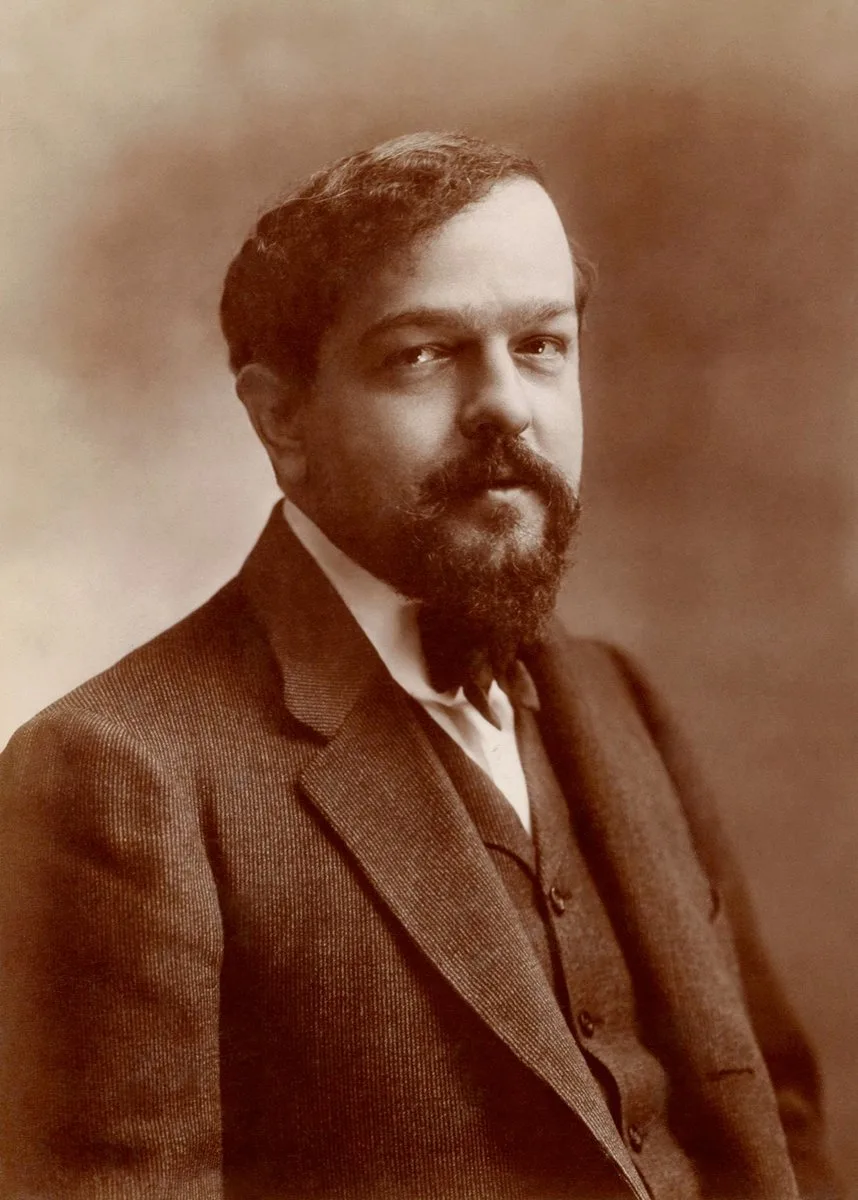
Listen: La Mer
Chouchou
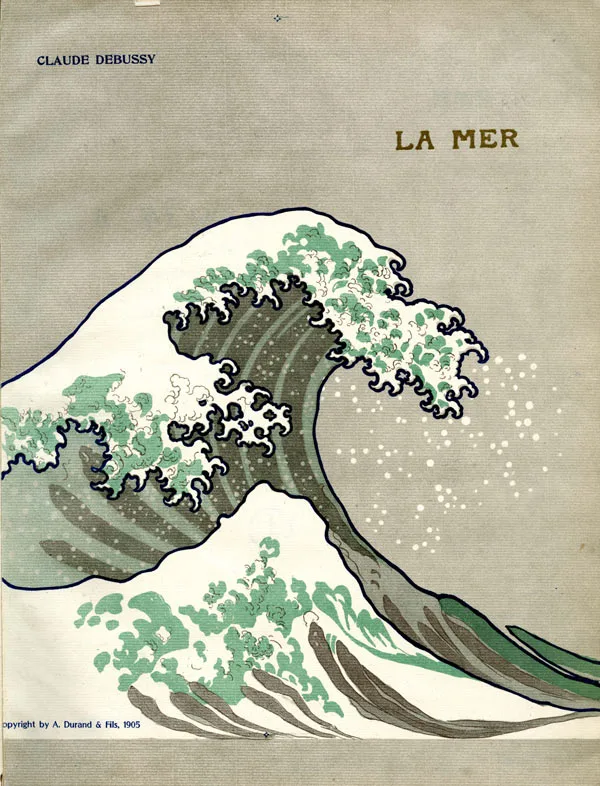
On October 30, 1905, Claude-Emma Debussy was born. They called her Chouchou. She was the singular focus of Debussy’s undivided affection.
His typical cold calculation dissolved around her. In 1908, he composed Children’s Corner for her. The suite captures a child’s imagination with affectionate humor. Its small scale contrasts sharply with his vast symphonic ambitions.
The man who ruined Lilly wrote this tender music. The contradiction is stark. It is exactly who Debussy was.
The End of Everything
The divorces required years of legal conflict. The financial settlements ruined him. When Debussy and Emma finally married in 1908, he was deeply in debt.
His output remained extraordinary. The piano Préludes and late chamber works secured his historical position. His harmonic language permanently altered Western music.
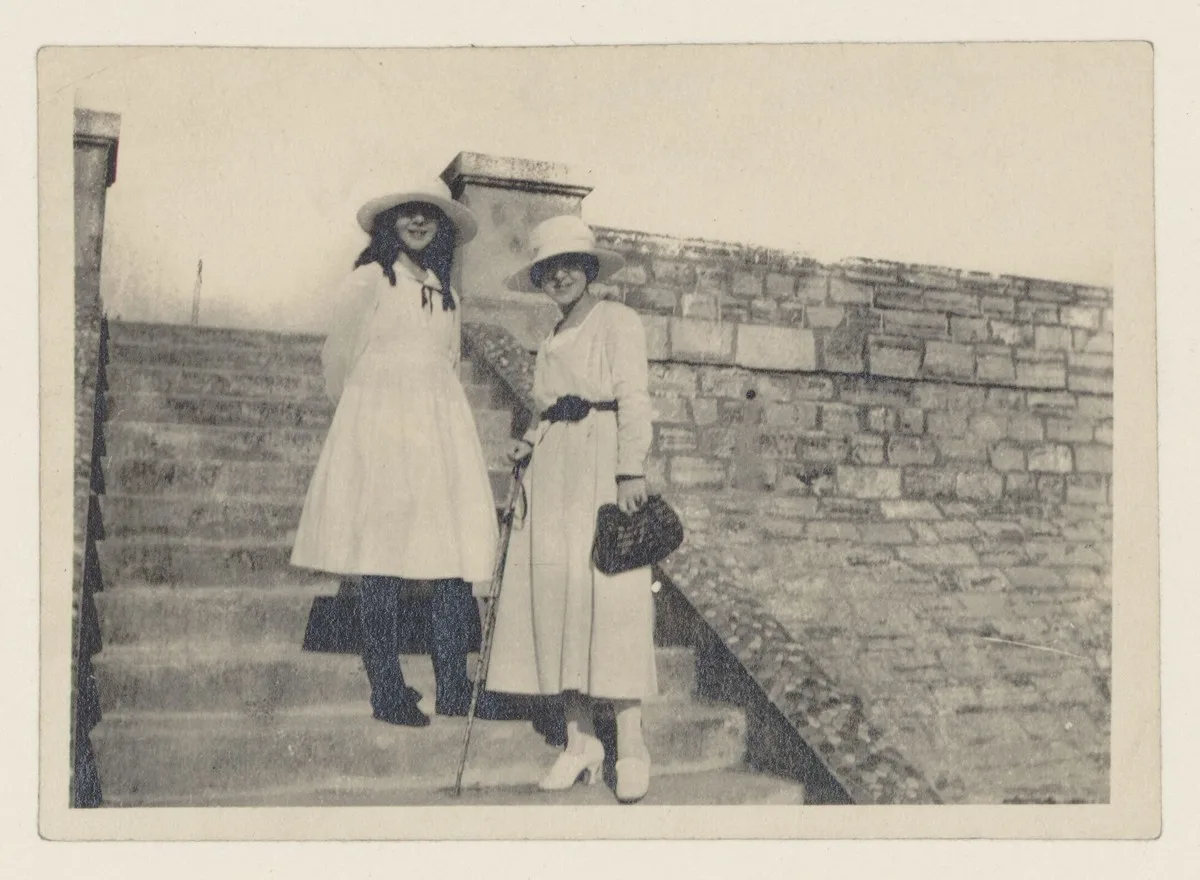
Cancer appeared in the early 1910s. He died on March 25, 1918, during the German bombardment of Paris. He was fifty-five. The funeral was sparsely attended.
Chouchou died of diphtheria the following summer at age thirteen. Emma outlived them both, managing his estate in quiet isolation.
Lilly survived until 1932. She lived in obscurity and poverty for decades. She carried the wound with her until her final day.