- Composer
- Rachmaninoff
- Work
- Piano Concerto No. 3 in D minor, Op. 30
- Key
- D minor
- Composed
- Summer 1909, Dresden
- Movements
- 3 movements
I. Allegro ma non tanto (d minor)
II. Adagio — Intermezzo (F♯ minor)
III. Finale: Alla breve (D major) - Instrumentation
- Piano solo, Flutes 2, Oboes 2, Clarinets 2, Bassoons 2, Horns 4, Trumpets 2, Trombones 3, Tuba, Timpani, Snare drum, Cymbals, Bass drum, Strings
- Premiere
- November 28, 1909
New Theatre, New York City
Conductor: Walter Damrosch
Soloist: Composer (piano) - Dedication
- Josef Hofmann
The man it was dedicated to never played it.
Rachmaninoff wrote this concerto for Josef Hofmann, the greatest pianist of the era. He imagined Hofmann giving the premiere. But Hofmann looked at the score, played through some of it, and said flatly: “This concerto is not for me.” The most demanding piano concerto in the standard repertoire, turned down by the pianist it was written for.
That left an opening. Vladimir Horowitz walked through it and never looked back. Years later, Horowitz said — without a hint of false modesty — “Without false modesty, I brought this concerto to light. I brought it to life, and everywhere!” Bragging? Maybe. Wrong? Not really.
The Rehearsal on a Silent Keyboard
In the summer of 1909, Rachmaninoff was in Dresden. He’d been there for over two years, hiding from Moscow’s concert obligations to write. Symphony No. 2 came out of Dresden. So did the tone poem Isle of the Dead.
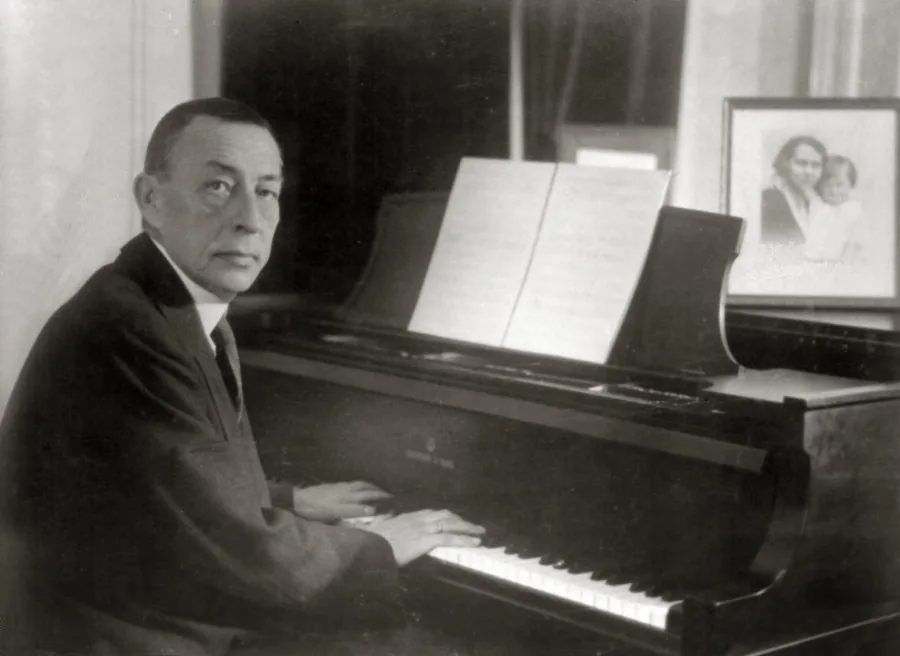
This concerto had different origins. An American tour was lined up, and a new piece was needed for it. Rachmaninoff wrote it specifically for American audiences — to premiere in America, with himself at the piano.
The problem was time. He couldn’t practice in Russia before the trip. So he brought a practice keyboard — silent, no sound — on the ocean liner crossing the Atlantic. On deck, in his cabin, he rehearsed this concerto with his fingers while the ship cut through the waves. By the time he reached New York, he knew the piece but had barely heard himself play it out loud.
The premiere was November 28, 1909, at the New Theatre in Manhattan. Rachmaninoff played. Walter Damrosch conducted. Two days later, the New York Sun called it “sound, reasonable music, though not a great nor memorable proclamation.” The New York Times was slightly warmer but still managed this: “Many another pianist could play it better than the composer.”
That lukewarm beginning is one of the stranger footnotes in music history. A concerto that would become one of the most celebrated — and most feared — works in the piano repertoire, dismissed in its opening reviews.
Two Cadenzas, One Question
Here’s something most people don’t know: there are two completely different versions of the first movement cadenza. Rachmaninoff wrote both of them.
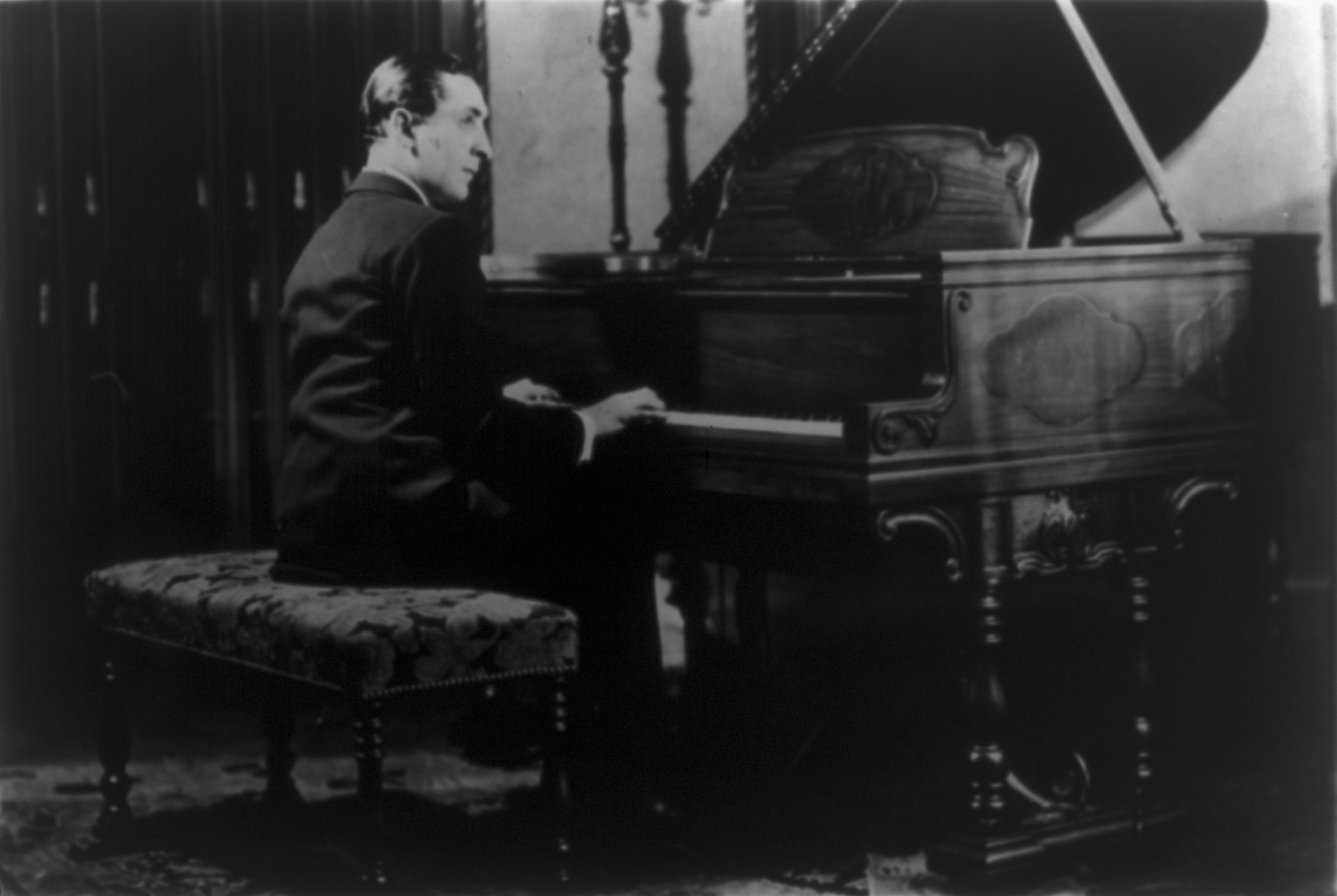
The original cadenza is massive — octaves stacked on octaves, cascading down like a waterfall. The ossia (alternative) cadenza covers the same musical ground but more delicately, with less physical weight. It’s leaner and more introspective.
Here’s the twist: Rachmaninoff personally preferred the ossia version. He used it in his own recordings. But Horowitz played the original — and most pianists today still do. The version the composer himself preferred is the less-performed one. The version Horowitz made legendary became the standard.
It’s a good reminder that composers don’t always get to define their own legacy.
The Mahler Rehearsal
About six weeks after the premiere, the concerto got its second performance. The conductor this time was not Walter Damrosch. It was Gustav Mahler.
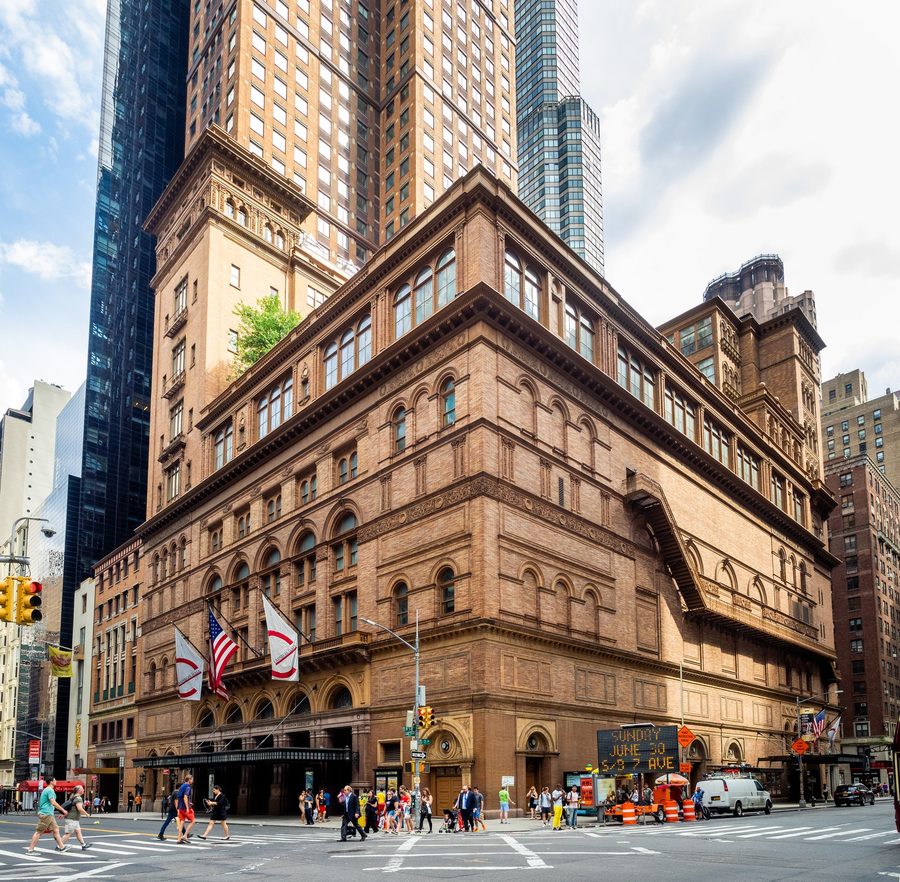
Rachmaninoff described this rehearsal for the rest of his life as one of his most treasured experiences. Mahler was already exhausted from his New York Philharmonic commitments, but he treated the accompaniment to Rachmaninoff’s concerto as if it were his own symphony. Every detail had to be perfect. The rehearsal ran well past its scheduled end time.
Rachmaninoff expected the orchestra to complain. Nobody did. When Mahler asked to run the first movement again, the players picked up their instruments without a single visible sign of annoyance. Rachmaninoff later wrote that this was when he understood the source of Mahler’s authority.
At that point, Rachmaninoff considered only two living conductors worthy of his deepest admiration: Arthur Nikisch and Gustav Mahler. The memory of this rehearsal stayed with him for decades.
Why This Concerto Breaks Pianists
Let’s be direct about the difficulty. This isn’t just a hard piece — it’s a different category of hard.
The physical challenge concentrates in the hands more than anywhere else. Rachmaninoff had an extraordinary reach — he could span a twelfth with one hand, two more keys than most pianists can comfortably reach. He didn’t think of this as unusual; it was simply how he held the instrument. The chords and stretches in this concerto reflect those proportions. Pianists with smaller hands often have to roll chords that Rachmaninoff played flat, changing the texture in ways the score doesn’t acknowledge.
Glenn Gould never recorded it. He said it was “not for him” — the same phrase Josef Hofmann used when he turned down the concerto after receiving its dedication. Two of the most original pianists of the twentieth century, from completely different eras and schools, arrived at the same conclusion independently.
The piano part runs almost continuously for 40-plus minutes. There are very few resting spots for the soloist. Cardiologists who’ve studied concert performance have measured pianists’ heart rates and blood pressure during this concerto and found readings comparable to marathon runners. That’s not metaphor. That’s physiology.
Then there’s the cadenza problem, described above. And there’s the overall physical demand: Gary Graffman, one of the twentieth century’s leading pianists, famously said he regretted not learning this concerto as a student, “when I was still too young to know fear.” By the time he was old enough to appreciate it, he was already too frightened of it.
Van Cliburn won the first Tchaikovsky International Competition in 1958 partly on the strength of this concerto. He returned to Cold War America as a national hero. The concerto came with him.
Van Cliburn and the Cold War
The most improbable chapter in this concerto’s history happened in Moscow in 1958.
The Soviet Union had just launched Sputnik. The space race had humiliated the West. The Soviets ran the first International Tchaikovsky Competition that year — partly as a demonstration of cultural supremacy. They expected a Soviet pianist to win.
Instead, a twenty-three-year-old from Kilgore, Texas walked onto the stage and played Rachmaninoff’s Third.
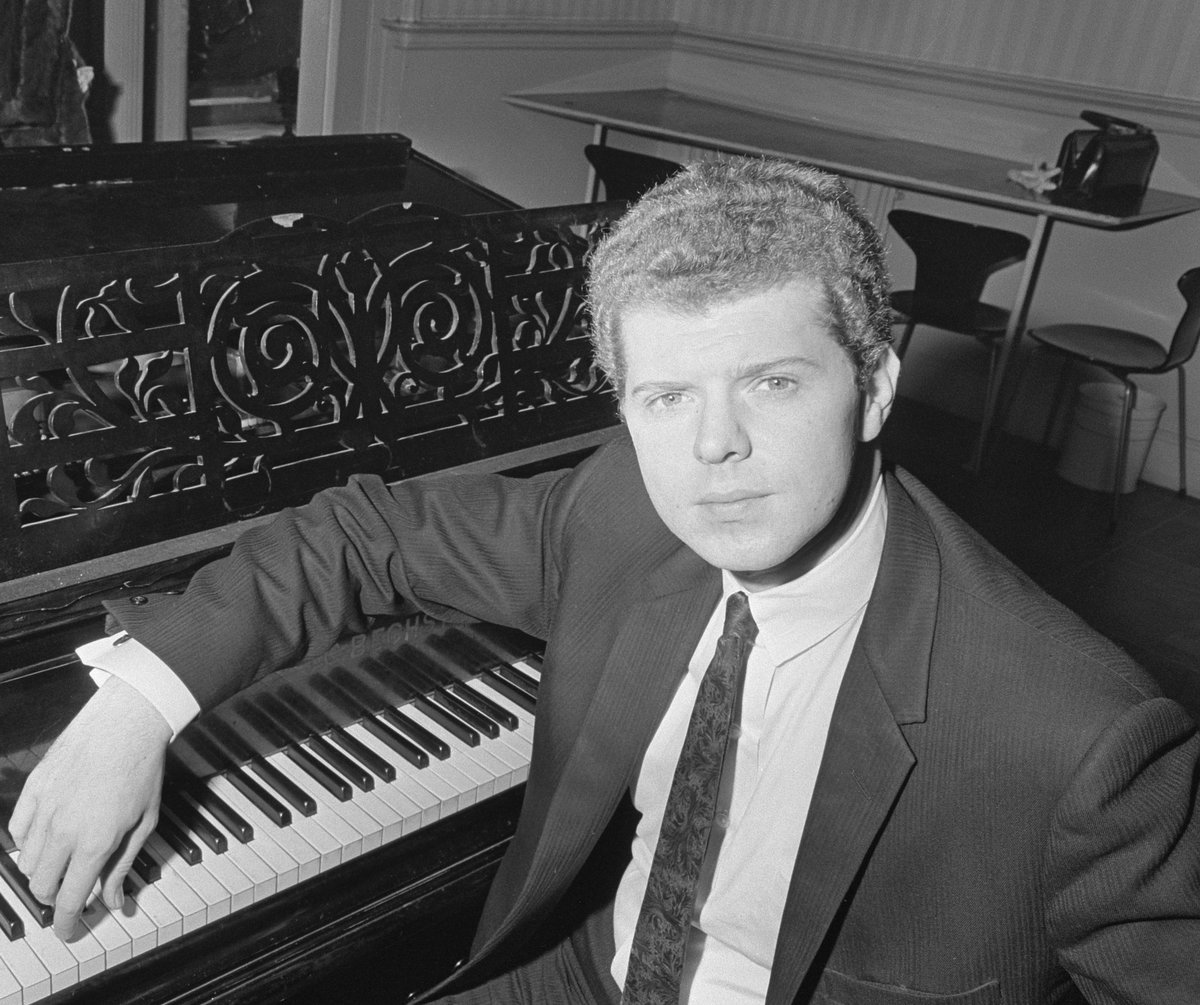
Van Cliburn performed with a directness and emotional warmth that was different from the technically ferocious Soviet style. The Moscow audience gave him a standing ovation that lasted eight minutes. The Soviet officials who’d arrived expecting to crown a home winner needed Khrushchev’s approval to give first prize to an American.
Khrushchev’s question, according to accounts from the time: “Is he the best?” They said yes. “Then give him the prize.”
Cliburn came home to a ticker-tape parade in New York City — the only classical musician ever to receive one. His recording of the Rach 3 with Kirill Kondrashin sold over a million copies, an achievement essentially unmatched in classical music before or since. The record cover showed his face, not the score. He was twenty-four years old.
The concerto that had its premiere dismissed in lukewarm reviews now had a Cold War hero attached to it.
Three Things That Made This Concerto Different
Rachmaninoff’s Third sits differently in the piano concerto tradition. There are specific reasons.
First, the relationship between piano and orchestra. Nineteenth-century concertos tended toward one of two extremes: orchestra as support act, or piano as solo voice above everything else. Rachmaninoff’s Third plays it differently — the two forces are in genuine dialogue. The orchestra introduces material, the piano transforms it. The piano completes the cadenza, and the orchestra receives its echo. The balance is remarkably equal for its time.
Second, the opening theme itself. Most concertos begin with impact — chords, drama, a statement. This one begins with a single melodic line from the piano. No harmony underneath, no orchestral announcement. Just a melody, plainly sung, like a folk song. The simplicity is almost disarming. But that melody comes back in almost every major transformation throughout the concerto, and each return changes how you hear the original. That’s compositional architecture.
Third, the attacca connection between movements two and three. When the second movement ends, the third begins immediately — no break, no applause, no rest. This wasn’t just structural efficiency. It creates a psychological continuity: the inward quiet of the second movement flows directly into the outward release of the third. Going in and coming back out in one unbroken motion.
Movement by Movement
> 💡 First-time listeners: Fix the opening theme in your memory before anything else. That plain, unaccompanied melody is the thread that runs through the entire concerto. After the cadenza in the first movement, there’s a moment when the flute quotes that theme alone — that’s worth waiting for. And stay alert at the end of the second movement. The third movement begins before you realize the second has ended.
First Movement — The Long Deception
The opening is a setup. First-time listeners often react with confusion: “Is this the terrifying concerto I’ve heard about?” The piano enters alone, playing what sounds almost like a folk tune. Simple, unadorned, slightly archaic. It’s a question, not a declaration.
Then things shift. The theme develops, the orchestra joins in, the piano starts accumulating complexity and volume. The cadenza arrives. This is where the piece reveals itself. The orchestra drops out completely. The soloist is alone on stage with what is essentially a solo showpiece embedded inside a concerto — a sequence of technical demands that unfolds for several minutes without orchestral support.
After the cadenza’s peak, a single flute quotes the opening theme. The piano answers softly from a distance. That moment of return — simple melody after enormous complexity — is what many listeners describe as the emotional center of the entire concerto.
Second Movement — The Intermezzo
The second movement is labeled Intermezzo for a reason: it’s a pause, an interior space between the first movement’s drama and the third’s finale. The tempo drops. The piano and orchestra converse in quieter terms.
There’s a variation section in the middle where the rhythm quickens briefly — a glimpse of energy before the contemplative frame resumes. Then the movement ends. Or rather, it doesn’t end — it connects directly to the third.
Rachmaninoff’s slow movements have a distinctive quality. The Second Concerto’s slow movement became a pop culture fixture (film scores have been borrowing it for decades). The Third Concerto’s slow movement is less immediately accessible, more interior. It takes a few listens. That may be why it’s less famous, and why it rewards patience.
Third Movement — The Run to the End
The finale begins at full speed. The piano’s opening gestures are rhythmic and insistent. The orchestra matches the energy. The first movement’s theme reappears in transformed guise — the concerto is reminding you where it came from.
There’s a second cadenza here, shorter than the first but positioned after the soloist has already been running at high intensity for most of the piece. What a pianist’s hands feel like at that point is worth thinking about while you listen.
The coda converts the home key from D minor to D major — the same root, the opposite mode. Dark to bright. The transformation isn’t just harmonic; it’s the concerto’s entire argument resolved in the final minutes.
Horowitz Made It Famous
After the premiere, the concerto had a quiet decade. Too difficult. The person it was dedicated to had refused it. Even Rachmaninoff’s own reviews had been mixed.
Horowitz changed everything. In 1927, he played the concerto for Rachmaninoff in New York. Rachmaninoff was stunned. He described Horowitz’s approach as “steely, finely chiseled” — technically similar to his own but with greater intensity. In 1930, Horowitz recorded it. That recording spread the concerto worldwide.
From the 1930s forward, the Third became the benchmark concerto — the piece that established a pianist’s credentials. Van Cliburn, Vladimir Ashkenazy, Martha Argerich, Yuja Wang: the lineage of great pianists who’ve defined their era through this concerto runs in an unbroken line.
Rachmaninoff himself, when asked which of his piano concertos he preferred, answered without hesitation: “I much prefer the Third, because my Second is so uncomfortable to play.” The Second is more popular, more programmed, more often heard. The composer preferred his Third.
For First-Time Listeners
Listening to this concerto well rewards specific kinds of attention. A little preparation goes a long way.
Fix the opening theme in your memory before everything else. The piano enters alone with a simple, unharmonized melody — no introduction, no orchestral fanfare. It sounds almost like a folk song, or a Gregorian chant, or something half-remembered from childhood. Hold that theme. It comes back transformed throughout the concerto, and each time it returns you’ll hear the original differently.
The cadenza is the first movement’s center of gravity. After the opening and development, the orchestra drops out entirely and the pianist plays an extended solo passage — essentially a piece within a piece. Most pianists today play the original cadenza: cascading octaves, enormous physical weight. Rachmaninoff himself used the lighter ossia version in his recordings. Listen to both Horowitz and Rachmaninoff back to back and the difference is unmistakable. The original cadenza is a storm. Rachmaninoff’s own version is more like a heavy, sustained rain — same intensity, different texture.
After the cadenza, stay with the flute. The most quietly devastating moment in the concerto comes right after the cadenza’s peak. The orchestra retreats. A solo flute plays the opening theme alone — bare, simple, exposed. The piano answers softly from a distance. That contrast — enormous complexity immediately followed by almost childlike simplicity — is what many first-time listeners describe as the moment the concerto clicks.
The second movement doesn’t fully arrive until you’ve left it. The Intermezzo moves slowly, converses gently between piano and orchestra. On first listen it can seem like a pause between more dramatic events. After a few listens it starts to seem like the most human part of the whole concerto — the soloist having a quiet conversation rather than performing. Rachmaninoff’s slow movements reward patience. This one more than most.
Don’t be caught off guard by the end of the second movement. It doesn’t really end — the third movement begins in its place, suddenly and at full speed. If you’re not watching for it, you’ll wonder what happened. Once you know it’s coming, the transition from near-silence to full acceleration becomes one of the most effective structural moments in the concerto.
In the third movement, listen for where the opening theme returns. The original melody comes back in a different guise — harder to recognize but unmistakably present. Then the concerto closes in D major instead of D minor, flipping the opening key from dark to bright. That conversion lands differently once you’ve sat through everything that preceded it.
What Listeners Say
The Rach 3 has developed a second life online, partly because its extremity makes it good for a certain kind of reverence.
The most common discussion thread on classical music forums starts with someone asking whether it really is the hardest piano concerto, runs through technical arguments, and ends with most people agreeing that difficulty isn’t the right measure of greatness — and the piece is extraordinary regardless. This conversation runs on a loop. It always produces at least one person saying they’ve been playing piano for twenty years and still haven’t touched it, and at least one conservatory student saying they’re working on it and finding new problems every week.
The most-shared observation tends to be some version of this: the opening theme is so deliberately simple that it functions as a trap. You hear those first eight bars and think: this is the famous terrifying piece? Then the concerto starts doing what it does, and by the cadenza you understand you were lulled in on purpose. The simplicity was the point all along.
Classical educators who discuss this piece often focus on what it reveals about practice psychology. The Gary Graffman quote — about wishing he’d learned it before he was old enough to know fear — comes up constantly. The subtext is the relationship between technical fearlessness and musical maturity: you need one quality to learn the piece, and a different quality to play it well. Rarely does a pianist have both at the right age.
Yuja Wang’s recordings circulate heavily — particularly her 2016 Los Angeles Philharmonic performance with Gustavo Dudamel, which generated the usual debate about whether she plays it too fast. The answer most people land on: fast but controlled, which is different from fast and reckless. The argument usually ends with both camps agreeing they’d rather argue about it than not have the recording.
The 1996 film Shine introduced the concerto to an entirely new audience. The David Helfgott story — pianist obsesses over Rach 3, suffers a breakdown, eventually returns to performing — was received by classical musicians with complicated feelings. The concerto didn’t cause Helfgott’s illness; his breakdown had multiple origins. But the film created a shorthand that linked this specific piece to psychological unraveling in ways that weren’t entirely accurate. What the film got right: this concerto asks something of the people who try to master it that goes beyond technical preparation. That part is true.
The Legacy
The concerto’s reputation entered popular culture through the 1996 film Shine, in which David Helfgott’s attempt to master it becomes both his obsession and his psychological breaking point. The film is more melodrama than biography, but it tapped into something real: this piece has genuine stakes.
Yuja Wang, Seong-Jin Cho, Daniil Trifonov — contemporary pianists bring different priorities and different physical approaches to the concerto, and each new major interpretation reopens the question of what “correct” really means here. The answer keeps changing.
Rachmaninoff’s Third is not the most complex concerto ever written. It is not the longest. But it sits at the precise intersection of technical demand, emotional depth, and structural integrity that makes it — more than a century after its New York premiere — the piece every serious pianist has to answer to.
Recommended Recordings
Vladimir Horowitz / Fritz Reiner / RCA Victor Symphony Orchestra (1951)
The recording that established the modern performance tradition. Horowitz’s approach — steely, fast, rhythmically precise — is not the only way to play this concerto, but it’s the one everything else gets measured against.
Martha Argerich / Claudio Abbado / Berlin Philharmonic (1982)
Argerich rarely performed this concerto publicly. This 1982 recording is an exception — and a useful counterpoint to Horowitz. Where Horowitz is steel, Argerich is water. The same notes, entirely different physics.
Sergei Rachmaninoff / Philadelphia Orchestra (1939–40)
The composer’s own recording. He used the ossia cadenza — lighter, more introspective than what Horowitz made famous. Hearing Rachmaninoff play his own concerto and then comparing it to Horowitz is one of the more clarifying experiences in recorded music.
Listen with the Score
You can follow the score while listening — particularly useful for tracking the two cadenza versions and the opening theme’s transformations.
The full score is available for free at IMSLP.