Start Here, Not at the Beginning
Here is the single most useful thing anyone can tell a new Mahler listener: do not start with Symphony No. 1 and work your way up. That is how most people bounce off Mahler almost immediately. The numbers are chronology, not a difficulty curve, and No. 1 opens with long minutes of shimmering near-silence that rewards patience you have not built yet. You picked the wrong door, not the wrong composer.
So try this order instead. First, the Adagietto from Symphony No. 5 — ten minutes of strings and harp, the music from Death in Venice. Then Symphony No. 1, the Titan, start to finish. Then, when you are ready for the big one, Symphony No. 2, the Resurrection. Three steps, from ten minutes to eighty-five, and by the end Mahler will have you for life. The rest of this guide is the map.
Ten Diaries, Not a Textbook
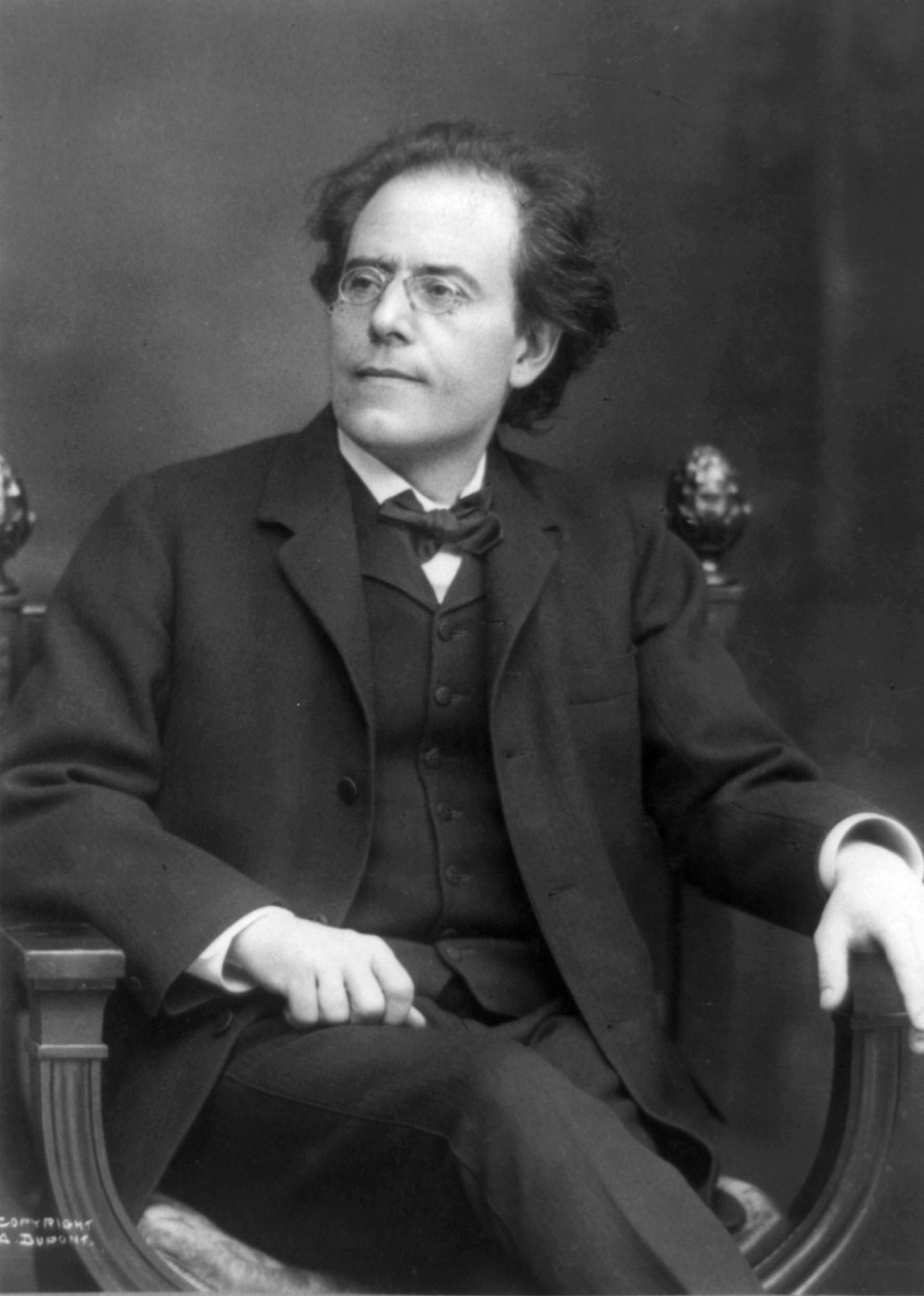
Mahler wrote symphonies the way other people keep diaries. Love, dread, birdsong, funerals, faith, the noise of a village fair — he poured all of it into music, and he genuinely believed a symphony should hold an entire world inside it. There are ten of them (nine numbered, plus an unfinished Tenth), and they read best as one long autobiography rather than a ranked list. That is why going in strict numerical order fails: you are not climbing a staircase, you are flipping through someone’s private notebooks.
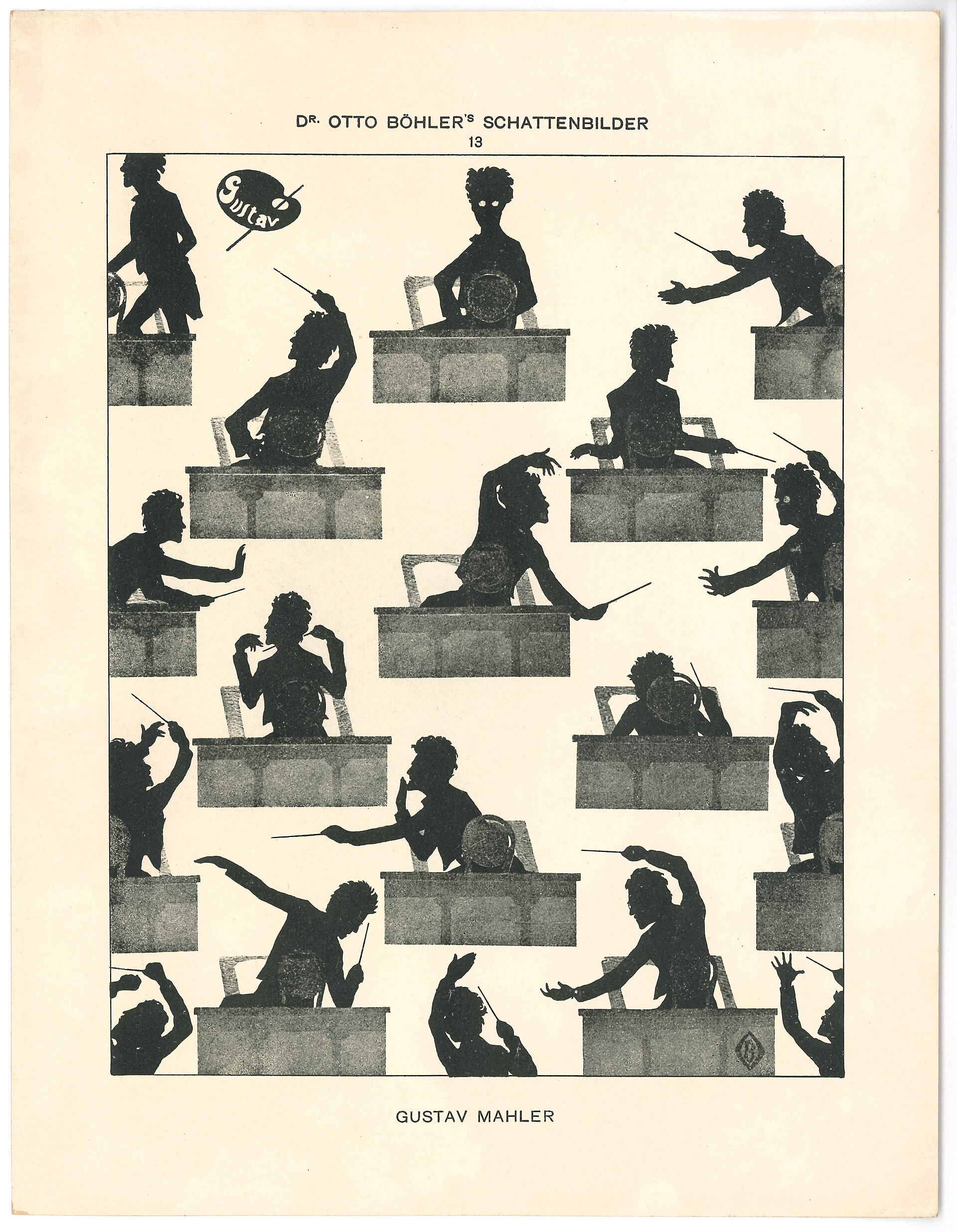
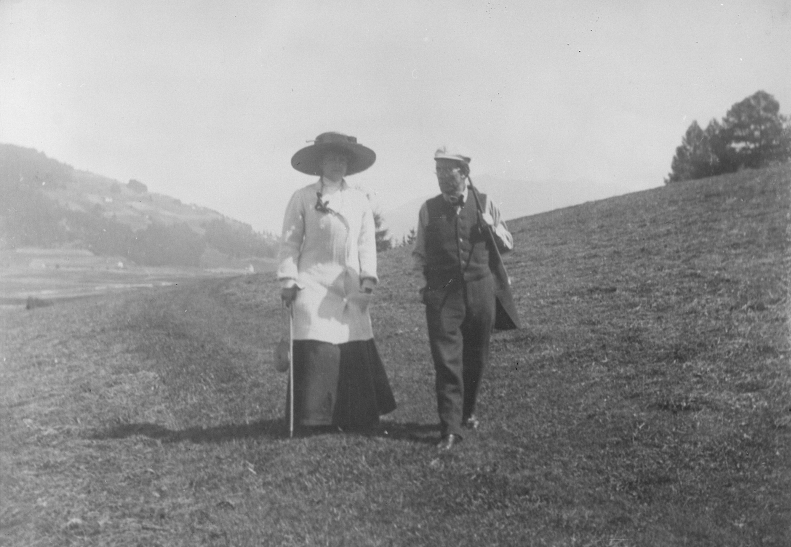
A quick portrait, because it changes how the music lands. In his own lifetime Mahler was far more famous as a conductor than as a composer — he ran the Vienna Court Opera for a decade, roughly 1897 to 1907, one of the most powerful and demanding musical jobs in Europe. Composing was his summer secret. He rented lakeside houses at Steinbach, Maiernigg, and later Toblach, built tiny one-room huts away from the water, and wrote almost all of this music during a few concentrated weeks each summer. The man conducting Wagner to packed houses in winter was, in July, a hermit scribbling in a shed.
The Character Map: All Ten at a Glance
Before the listening route, here is the whole cycle in one table. Think of it as a personality chart — not best-to-worst, just what each one feels like and roughly how much of your afternoon it wants.
| Symphony | Nickname | In one line | Scale |
|---|---|---|---|
| No. 1 | Titan | Nature waking up, then a young man’s swagger and sudden grief. | Compact |
| No. 2 | Resurrection | A funeral, a crisis of faith, and a choir that answers back. | Epic |
| No. 3 | — | Creation itself, from raw rock to divine love. | Colossal |
| No. 4 | — | Heaven as imagined by a child. The friendliest one. | Compact |
| No. 5 | — | Funeral march to blazing triumph, the Adagietto glowing in the middle. | Mid-length |
| No. 6 | Tragic | Fate wins. The only Mahler symphony with no way out. | Long |
| No. 7 | Song of the Night | Two eerie nocturnes, then a manic finale nobody agrees about. | Long |
| No. 8 | Symphony of a Thousand | A cathedral built out of human voices. | Long |
| No. 9 | — | A long, quiet leave-taking. Music dissolving into air. | Long |
| No. 10 | Unfinished | One finished movement and a heartbreak of sketches. | Fragment |
The Three-Step Route In
Step 1 — The Adagietto (about ten minutes)
If you have ten minutes, spend them here. The Adagietto is the slow fourth movement of Symphony No. 5, scored for strings and a single harp, and it is the most gently devastating thing Mahler ever wrote. There is no drama, no crash — just a melody that keeps rising, folding back, and rising again. The Dutch conductor Willem Mengelberg, who knew Mahler personally, wrote in his score that Mahler meant it as a wordless love letter to his wife Alma. Whether or not that is literally true, listen and you will believe it. It reached a mass audience through Luchino Visconti’s 1971 film Death in Venice, where it bookends the whole picture.
Step 2 — Symphony No. 1, the Titan (about fifty-five minutes)
Now the whole arc of a Mahler symphony, at its most graspable. The Titan opens with the sound of nature stirring — distant fanfares, cuckoo calls — then breaks into a sunny walking tune anyone can hum. The genius stroke comes in the third movement: a funeral march built on the nursery round Frère Jacques, turned into something creepy and sarcastic, complete with a klezmer band wandering through. That collision of the childish and the macabre is pure Mahler, and it tells you he was never only a gloomy Romantic. The finale detonates and then earns its blazing D-major victory. Fifty-five minutes, one clear story. For a deeper walkthrough, our full Titan guide breaks it down movement by movement.
▶ Listen on YouTube — Leonard Bernstein and the Vienna Philharmonic, filmed in concert.
Step 3 — Symphony No. 2, the Resurrection (about eighty-five minutes)
This is the payoff, and it is worth the eighty-five minutes. It begins by literally burying the hero of the First Symphony in a granite funeral march, spends five movements asking whether any of it meant anything, and answers with one of the most overwhelming endings in music: a hidden brass band, a choir that steals in so quietly you barely notice, and a final hymn about rising again that detonates into bells and organ. Concert halls tend to sit in stunned silence before they erupt. Start with the final minutes if you must, then go back and hear how Mahler earns them. Our full Resurrection guide maps the journey; the finale is below.
Three Myths Worth Killing
Myth 1: Mahler is heavy and depressing. He wrote plenty of darkness, but he also wrote rustic Ländler dances, imitation birdsong, cowbells, klezmer, and the sound of a nursery. Symphony No. 4 paints paradise through a child’s eyes and ends with a soprano listing the delights of heaven. The friendliest way in is not always the saddest.
Myth 2: he died unknown. The opposite. Mahler was a celebrity conductor across Vienna, New York, and beyond; it was his composing that critics found baffling and overlong. The reputation flipped only later. Much of that turnaround belongs to Leonard Bernstein, who recorded the first complete cycle of Mahler’s symphonies between 1960 and 1967 and used the 1960 centenary of Mahler’s birth to plant him at the center of the repertoire. If Mahler is everywhere now, Bernstein is a big reason why.
Myth 3: the curse of the ninth. You will hear that Mahler feared writing a Ninth Symphony because Beethoven, Schubert, and Bruckner all died after theirs. He called his song-symphony Das Lied von der Erde a symphony but refused to number it — the story goes, to dodge the jinx. He then wrote a numbered Ninth anyway and died with the Tenth unfinished. It is a good story, and it comes to us mostly through Arnold Schoenberg, but treat it as superstition and legend, not biography.
What to Actually Listen For
Three habits will make any Mahler symphony click faster. First, listen for the collisions. Mahler loves to drop the vulgar next to the sacred — a street march barging into a prayer, a triumphant chorale undercut by a sour note. That irony is the point, not a flaw. Second, follow the long line. These movements are huge, but each is a single emotional journey; if you stop counting minutes and just track the mood, the scale stops being intimidating. Third, notice the endings. Mahler is the great composer of last pages — the shattering hammer blow that fells the hero in the Tragic Sixth (he originally wrote three of those blows, then struck the last one out), or the way the Ninth simply fades until the music seems to stop breathing.
One more landmark for later: Symphony No. 8 earned the nickname Symphony of a Thousand because its premiere in Munich on 12 September 1910 mustered something close to that many performers — eight vocal soloists, two large choirs, a children’s chorus, and a vast orchestra. The nickname came from the promoter Emil Gutmann, and Mahler reportedly hated it. Save the Eighth for when the smaller symphonies already feel like home.
Who to Listen To: Two Conductors to Trust
Leonard Bernstein is where most people should begin. His Mahler is hot-blooded, theatrical, sometimes pushed to the edge of control — he treats every climax as a matter of life and death, which is exactly how a newcomer wants to first meet this music. His complete New York cycle from the 1960s put Mahler on the map; his later remakes go even further. If you want to feel why people lose their minds over Mahler, start with Bernstein and don’t overthink it.
Claudio Abbado is the counterweight. Where Bernstein grabs you by the collar, Abbado opens the music up — transparent textures, patient tempos, every inner voice audible. His late live recordings with the Lucerne Festival Orchestra are luminous, and they reward the listener who already knows the shape and wants to hear the detail. Get Bernstein to fall in love; get Abbado to understand what you fell in love with.
▶ Listen on YouTube — Abbado conducts the Titan live with the Lucerne Festival Orchestra, a good demonstration of that transparency.
And if the numbered symphonies still feel like a lot, a lovely side door is the early song cycle Songs of a Wayfarer, whose tunes Mahler recycled straight into the First Symphony — hear the songs, then catch them again inside the Titan.