- Composer
- Antonín Dvořák (1841–1904)
- Work
- Cello Concerto in B minor, Op. 104
- Key
- B minor
- Composed
- November 1894 – February 1895
(during his tenure as director of the National Conservatory of America, New York) - Movements
- 3 movements (approx. 40–44 min)
I. Allegro (B minor)
II. Adagio ma non troppo (G major)
III. Finale: Allegro moderato (B minor) - Instrumentation
- Solo cello, flute 2 (+ piccolo), oboe 2, clarinet 2, bassoon 2, horn 3, trumpet 2, trombone 3, tuba, timpani, strings
- Premiere
- March 19, 1896, Queen’s Hall, London
Cello: Leo Stern / Conductor: Dvořák - Dedication
- Hanuš Wihan
He hid his dying first love’s favorite song in the second movement — without ever explaining why.
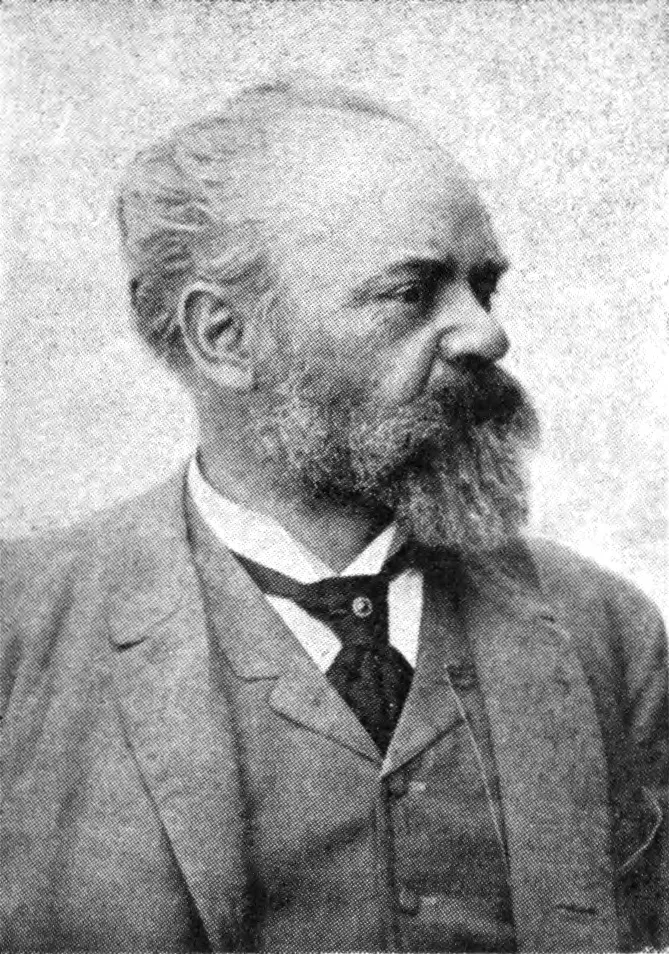
At that very moment, Dvořák was engrossed in a new composition, a concerto for the violoncello—an instrument he had long admired but never felt compelled to place at the center of a major work. The news from home changed everything. The concerto, already a vessel for his profound homesickness, now became a secret diary, a canvas for a love and a sorrow too deep for words. He took one of Josefina’s favorite songs, his own “Lasst mich allein” (Leave Me Alone), and secretly, tenderly, wove its melody into the heart of the concerto’s slow movement. It was a message meant only for her, a whisper across the ocean. Months later, after the concerto was finished, a second letter arrived. Josefina was gone. Dvořák, heartbroken, returned to his manuscript one last time. He tore apart the triumphant finale he had written, recasting the concerto’s closing moments into something entirely new: an extended, heartbreaking farewell, where the orchestra falls silent and the solo cello, in a state of ethereal quiet, recalls Josefina’s theme before fading away into a final, definitive crescendo. This was not just music; it was a eulogy.
Why the Greatest Cello Concerto?
To declare any single work “the greatest” is a perilous game, yet in the realm of the cello concerto, Dvořák’s B minor masterpiece stands as an almost undisputed sovereign. For cellists, it is the repertoire’s Mount Everest—a test of technical prowess, emotional depth, and sheer musical intelligence. For audiences, it is a gateway, a work of such immediate melodic appeal and dramatic power that it can convert the most casual listener into a lifelong devotee. But its true genius, the quality that stunned Dvořák’s contemporaries and continues to mesmerize us today, lies in its revolutionary solution to a fundamental acoustic problem.
Johannes Brahms, a composer not known for effusive praise, was famously awestruck. Upon reading the score, he is said to have lamented, “Why on earth didn’t I know that one could write a cello concerto like this? If I had only known, I would have written one long ago!” This was not just a compliment; it was a concession of defeat from the world’s greatest living symphonist. Brahms understood the central challenge: the cello, with its rich, baritone voice, struggles to be heard against the might of a full symphony orchestra. Its most resonant and powerful notes occupy the same frequency range as the orchestral basses, violas, and lower woodwinds. Placing it in the spotlight often meant either reducing the orchestra to a timid accompanist or having the soloist’s voice drowned in a sea of sound.
Previous attempts, while containing beautiful music, had never fully solved this puzzle. Haydn’s concertos are models of classical elegance but belong to a smaller-scale orchestral world. Schumann’s is a work of feverish, introspective poetry, but its orchestration can be dense, sometimes obscuring the soloist. The Elgar concerto, composed two decades later, would find its own unique solution through a mood of autumnal elegy, but Dvořák’s achievement was different. He didn’t just write a vehicle for a virtuoso; he reconceived the very relationship between soloist and orchestra. He created a true symphony with cello, a drama in which the protagonist and the world they inhabit are equal partners, sometimes in conflict, sometimes in harmony, but always locked in a compelling dialogue. He proved that the cello didn’t need to shout to be heard; it just needed the orchestra to listen, to create space, to argue, and ultimately, to embrace it. This is why Brahms was so stunned. Dvořák hadn’t just written a great piece; he had solved a problem that Brahms himself had likely deemed insurmountable.
Composition Background
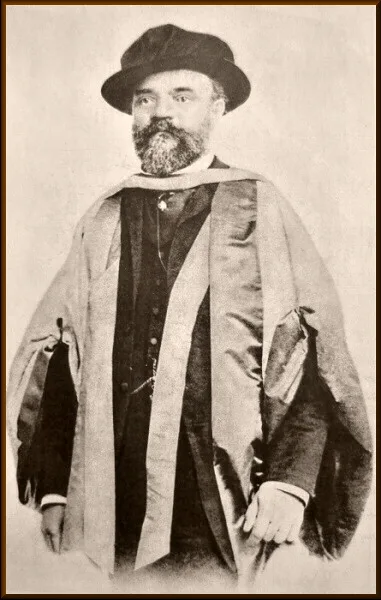
The story of the concerto is inextricably linked to America. In 1892, Dvořák, then at the height of his European fame, received an astonishing offer from Jeanette Thurber, the wealthy founder of the National Conservatory of Music in America. She offered him the directorship of her New York institution for an annual salary of $15,000—a staggering sum, equivalent to hundreds of thousands of dollars today. Her goal was ambitious: to foster a uniquely American school of classical music, and she believed Dvořák, with his genius for weaving folk idioms into symphonic forms, was the man to lead the charge.
Dvořák accepted. For nearly three years, he lived and worked in a brownstone at 327 East 17th Street, teaching a new generation of American composers and immersing himself in the sounds of his new environment. He was fascinated by the “Negro spirituals” and plantation songs his African-American students, like Harry T. Burleigh, introduced to him. This influence would famously find its way into his Symphony No. 9, “From the New World.”
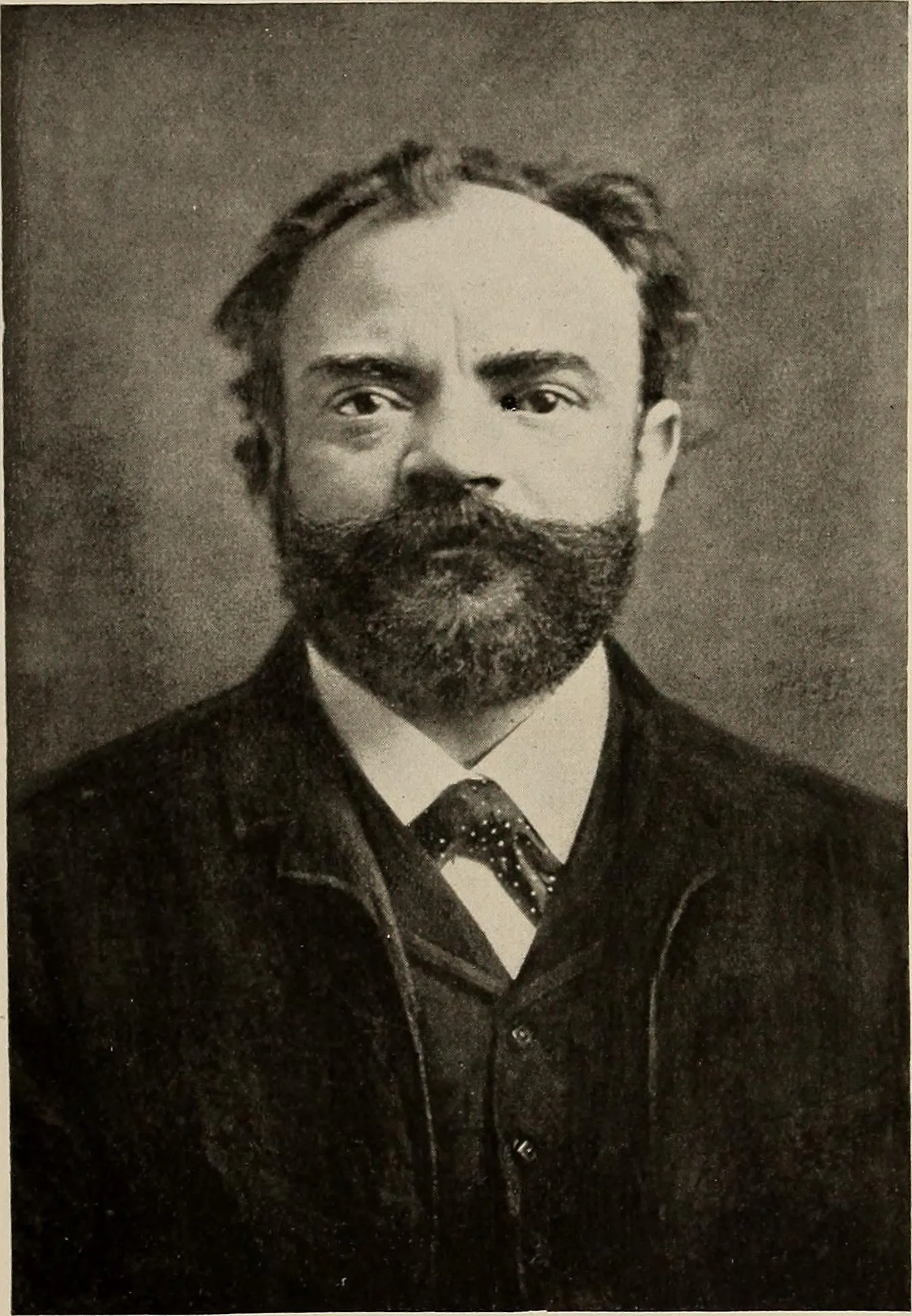
Yet, for all the excitement, a profound sense of tesknota—a Czech word for a deep, nostalgic longing for home—pervaded his American years. He missed his children, who had remained in Bohemia. He missed the familiar landscapes, the food, the language. This homesickness was a constant, bittersweet counterpoint to his American success. He found strange comfort in the industrial might of the city. A passionate train enthusiast, he would frequently visit Grand Central Station, meticulously observing the locomotives, their raw power and rhythmic pulse a symphony of a different kind.
Despite his success with the “New World” Symphony, he remained hesitant to compose a cello concerto. He held a long-standing reservation about the instrument as a solo voice, believing its nasal high register and murky low register were ill-suited for the concerto form. The catalyst for change came from a colleague at the conservatory: Victor Herbert, a brilliant Irish-American cellist and composer who would later become famous for his operettas. In March 1894, Dvořák attended the premiere of Herbert’s Cello Concerto No. 2 in E minor. He was deeply impressed, particularly by Herbert’s skillful orchestration and the effective way he showcased the cello’s capabilities. The finale, in particular, captured his imagination. The spark was lit. If Herbert could do it, then perhaps he could too, and do it even better.
He began sketching ideas in November 1894, working with astonishing speed. The entire concerto was drafted in just a few months, with the final note penned on February 9, 1895. It was a work born of his American experience but forged in the crucible of his Bohemian soul. The vast, open spaces of the American landscape seem to echo in the concerto’s broad melodies, yet the underlying emotional current is one of deep, inconsolable longing for home. And it was into this already potent emotional mix that the news of Josefina’s illness would soon arrive, transforming the masterpiece into a personal testament.
The Josefina Story
To understand the emotional heart of this concerto, one must go back decades, to Dvořák’s youth in the small town of Zlonice. As a young, aspiring musician, he gave piano lessons to the two daughters of the local goldsmith, the Čermák sisters, Anna and Josefina. He fell deeply in love with the elder, Josefina. She was a gifted actress, beautiful and charismatic, and she became his muse. He poured his feelings into a song cycle he titled “Cypress Trees,” a raw, passionate expression of unrequited love. But Josefina, destined for a career on the stage, did not return his affections and eventually married a nobleman, Count Václav Kaunitz.
Heartbroken but pragmatic, Dvořák remained close to the family, and in time, his affections shifted to the younger sister, Anna. They married in 1873 and enjoyed a long, stable, and happy life together, raising a large family. Yet, the memory of Josefina, his first great love, lingered as a poetic, idealized image in his mind.
Fast forward to the spring of 1895. Dvořák is in New York, putting the finishing touches on his new cello concerto. A letter arrives. It’s from his family in Prague. Josefina is desperately ill with heart disease. The news devastates him. He turns to the score of the concerto, no longer just a musical construction but a confidant. In the middle of the second movement, a sublime Adagio, he inserts a direct quotation of his own song, Op. 82, No. 1, “Lasst mich allein” (Leave Me Alone). It was one of Josefina’s favorite melodies.
The song’s text is a plea for release into a world of dreams and love: Leave me alone with my dreams, do not wake me. When love’s blessed vision appears to me, it suffuses my soul with a gentle light, and my heart has not the strength to resist.
By embedding this song, Dvořák was sending a coded message of love and farewell. It’s a moment of almost unbearable intimacy, a composer’s private grief made public, yet hidden in plain sight.
He completed the concerto, believing it to be finished. But the story was not over. After returning to Bohemia in the summer of 1895, he received the final, crushing news: Josefina had died in May. Racked with grief, he went back to his manuscript. He was dissatisfied with the conventional, upbeat ending of the finale. It no longer felt true. He composed a new coda, a passage of over sixty bars that transforms the end of the concerto into something utterly transcendent.
In this new coda, the music slows dramatically. The mood shifts from boisterous energy to a quiet, meditative stillness. The solo cello, in its highest, most vulnerable register, gently reprises the theme from the first movement. Then, almost like a ghost, the melody of Josefina’s song, “Lasst mich allein,” returns, whispered by the woodwinds and the soloist. It’s a musical flashback, a memory of the love theme from the Adagio. For a moment, time stands still. The concerto looks back on itself, gathering its emotional threads before a final, thunderous orchestral swell brings the work to a close in a blaze of B major glory.
Some scholars have debated the exact narrative, but the musical evidence is overwhelming. The insertion of the song and the radical revision of the coda are documented facts. It is this deeply human story, this secret requiem for a lost love, that elevates the Dvořák Cello Concerto from a mere virtuosic showpiece into one of the most moving and personal statements in all of music.
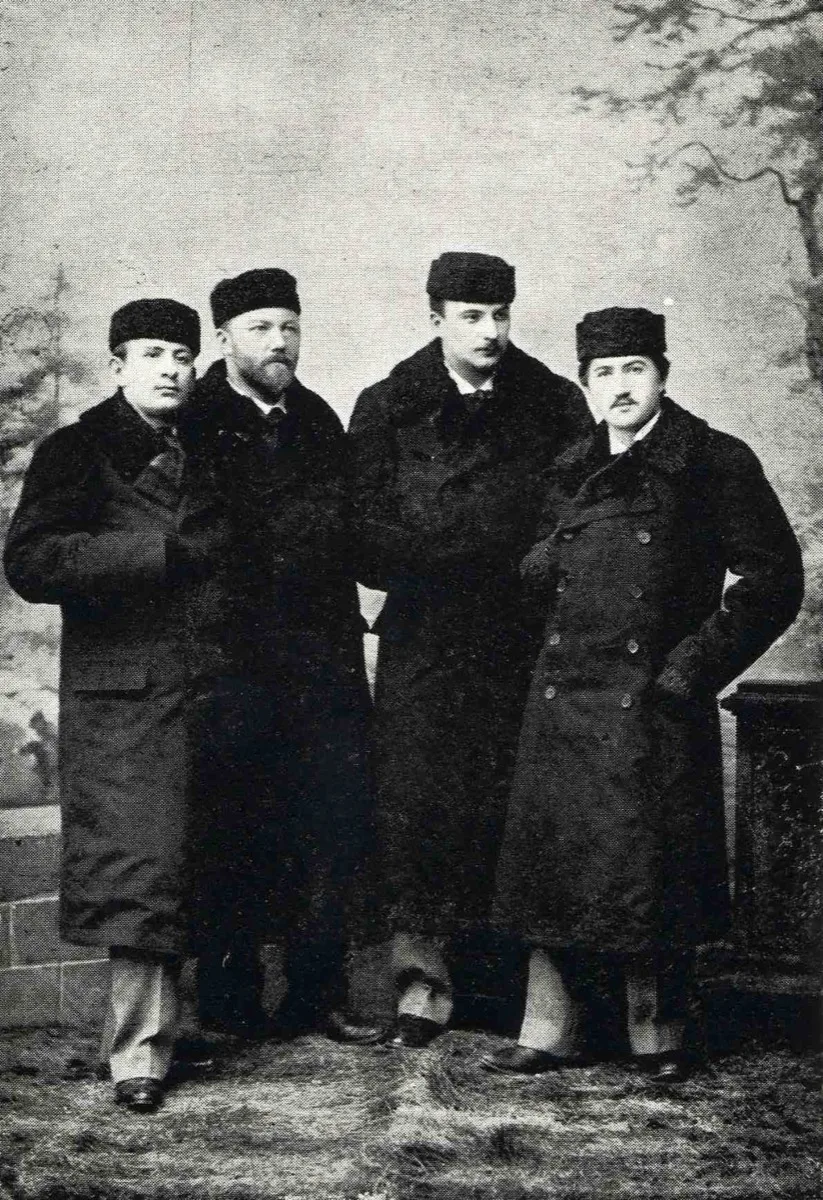
Movement-by-Movement Guide
The concerto follows the traditional three-movement structure, but within that framework, Dvořák’s formal and emotional innovations are profound. The work is a journey from dramatic struggle to lyrical introspection, and finally, to a life-affirming, yet deeply poignant, resolution.
I. Allegro
The concerto opens not with a bang, but with a brooding, ominous whisper in the low strings that quickly swells into a powerful statement from the full orchestra. This is the first movement’s primary theme, a stern, martial idea introduced by the clarinets in B minor. This is no mere introduction; it is a vast, symphonic exposition lasting nearly three minutes before the soloist even plays a note. Dvořák is establishing the world of the concerto, laying out the dramatic stakes.
After the stormy first theme, the mood shifts magically. A solo horn, warm and lyrical, introduces the glorious second theme in D major. This melody, one of the most beloved in all of classical music, is pure Bohemian sunshine, a soaring, expansive tune that speaks of wide-open spaces and deep, heartfelt emotion. It is a moment of pure, unadulterated beauty that provides a stark contrast to the turbulence of the opening.
Finally, the soloist enters. But instead of simply repeating the orchestra’s themes, the cello reinterprets them with fiery passion and virtuosic flair. The entrance is commanding, an impassioned cadenza-like passage that takes the first theme and imbues it with a new, heroic defiance. What follows is not an accompaniment, but a dialogue. The cello and orchestra are equal protagonists, trading themes, developing ideas, and building tension together. The “New World” Symphony’s influence can be heard in the dramatic sweep and bold gestures, yet the soul of the music remains resolutely Czech.
Notably, Dvořák forbids the soloist from inserting a traditional cadenza. His publisher, Simrock, had suggested one be written, but the composer was adamant. He wrote that a cadenza would “smear a lot of notes together,” breaking the symphonic logic and emotional arc of the movement. For Dvořák, the concerto was a cohesive drama, not a showcase for empty virtuosity. The movement drives towards a powerful conclusion, restating the main themes with ferocious energy before a final, decisive cadence in B minor.
II. Adagio ma non troppo
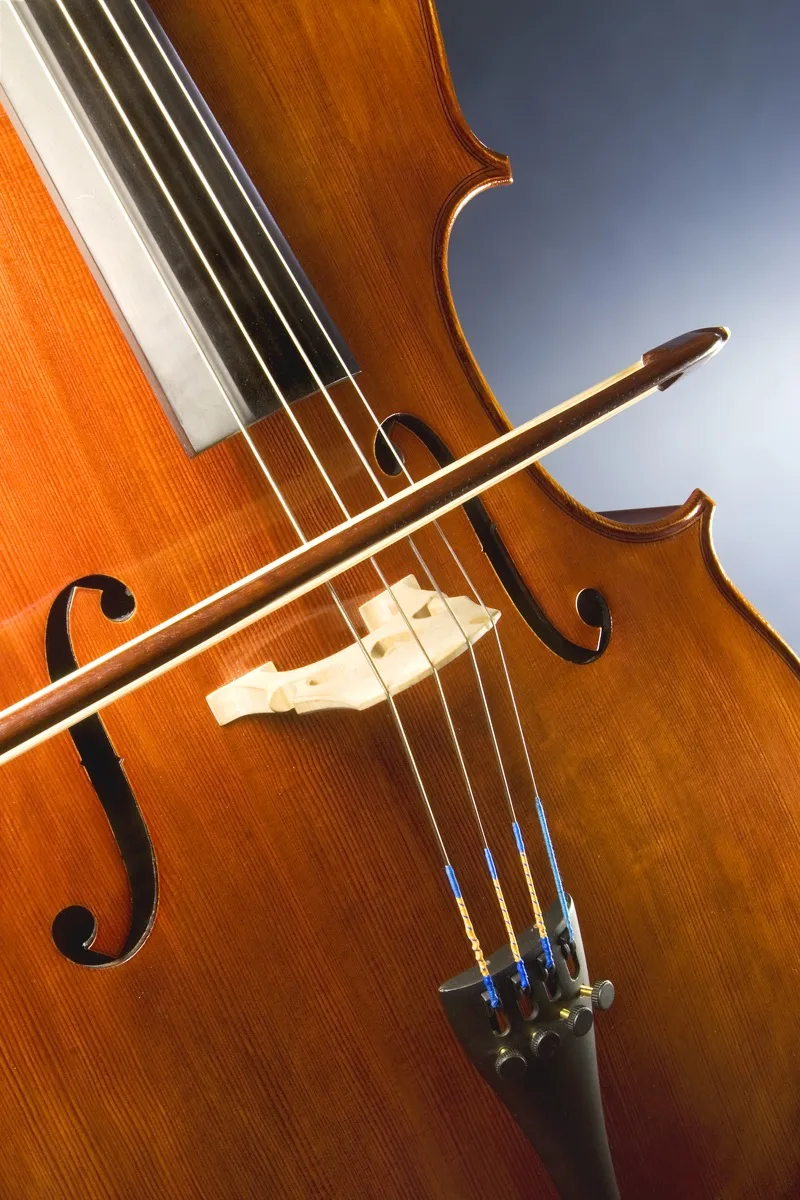
The second movement is the concerto’s soul. It transports us from the epic drama of the first movement to a landscape of profound peace and intense intimacy. The key shifts to a warm G major, and the woodwinds introduce a simple, hymn-like melody that feels like a tranquil walk through a Bohemian forest at twilight.
The solo cello enters with a melody of heart-stopping beauty, a long, lyrical line that sings with a sense of deep nostalgia and peace. This is the music of homesickness, of a man dreaming of a land and a time far away. The movement unfolds in a three-part (A-B-A) structure. The central section (B) is where the drama intensifies. The music becomes darker, more turbulent, full of passionate yearning.
And then comes the pivotal moment of the entire concerto. As the stormy central section subsides, a solo horn, accompanied by shimmering strings, softly intones the melody of Josefina’s favorite song, “Lasst mich allein.” It is a moment of pure magic, a memory surfacing from the depths of the composer’s consciousness. The cello listens, then joins in, taking up the song in a duet with the woodwinds. It is a passage of almost unbearable tenderness, a private confession made in the most public of forums.
This moment of remembrance leads to a passionate climax, after which the opening pastoral theme returns, now imbued with a new layer of meaning. The movement concludes in a state of serene tranquility, with the cello ascending to its highest register, holding a note that fades into a whisper over a soft cushion of orchestral sound. It is a prayer, a sigh, a moment of absolute peace before the exhilarating finale.
III. Finale: Allegro moderato
The finale bursts forth with the energy of a Czech folk dance. The orchestra sets up a propulsive, rhythmic tramp, and the cello enters with a robust, syncopated theme that has the spirit of a rustic celebration. This is a Rondo, a form where a main theme (the Rondo theme) returns periodically, interspersed with contrasting episodes. The movement is a whirlwind of energy, showcasing the cello’s agility and power. Dvořák’s love for trains can almost be heard in the driving, chugging rhythms that propel the music forward.
But this is not just a joyous romp. The contrasting episodes introduce moments of lyrical reflection, including a beautiful, flowing melody that provides a brief respite from the relentless energy. The orchestra and soloist engage in a playful, virtuosic chase, each spurring the other on.
As the movement seems to be hurtling towards a triumphant conclusion, Dvořák pulls off his final, most moving masterstroke: the revised coda. The tempo slows dramatically from Allegro moderato to Andante. The entire mood of the concerto shifts. Over quiet, sustained chords in the orchestra, the solo cello reprises the stern, martial theme from the very beginning of the first movement, now transformed into a moment of weary reflection.
Then, the clarinet, like a voice from another world, quietly brings back the theme of Josefina’s song from the slow movement. The soloist joins, weaving its own quiet commentary around the melody. This is the musical farewell. The boisterous energy of the finale is forgotten, replaced by a passage of sublime, heartbreaking nostalgia. It is Dvořák looking back one last time, a final, loving glance over his shoulder. This quiet moment of remembrance makes the final bars all the more powerful. The orchestra gathers its strength for one last, exultant crescendo, and the concerto ends not just in triumph, but in a state of emotional catharsis, a journey from darkness into a hard-won, transcendent light.
Orchestration Secrets
Brahms’s astonishment at the concerto was not merely a reaction to its beautiful melodies or emotional depth; it was the admiration of one master craftsman for another. Dvořák, at the peak of his powers, had solved the technical puzzle of balancing the cello and orchestra with a series of ingenious and subtle orchestrational choices.
His primary strategy was creating space. He understood that the cello’s voice could not compete with the orchestra’s full might, so he didn’t force it to. Instead, he treated the orchestra like a dynamic landscape, thinning out the texture in crucial moments to allow the soloist to shine. When the cello sings its most lyrical melodies, particularly in its middle and lower registers, Dvořák is incredibly careful with the orchestral bass line. He often has the orchestral cellos and double basses play pizzicato (plucked strings) or drop out entirely, removing the very frequencies that would otherwise obscure the soloist.
He then builds a harmonic world around the cello. He uses the woodwinds—clarinets, oboes, flutes—and horns to create a warm, supportive cushion of sound that occupies the sonic space above and below the solo line. This has the effect of framing the cello’s voice, giving it resonance and warmth without overwhelming it. The horn, in particular, with its burnished, noble tone, acts as the cello’s natural partner throughout the concerto, most famously when it introduces the second theme of the first movement and in the dialogues of the finale.
Dvořák also uses the orchestra for dramatic color and contrast. He doesn’t just accompany; he punctuates. A flash of the triangle, a solemn chord from the trombones, a piercing cry from the piccolo—these are not just background effects. They are essential elements of the drama, responding to, challenging, and supporting the soloist. This approach turns the concerto into a true symphony with a solo instrument, a constant interplay of forces where the soloist is always the protagonist but never alone. It was this masterful, sensitive, and dramatic handling of the orchestral forces—this creation of a living, breathing environment for the cello to inhabit—that represented a true breakthrough and left a composer of Brahms’s stature in awe.
Premiere and Legacy
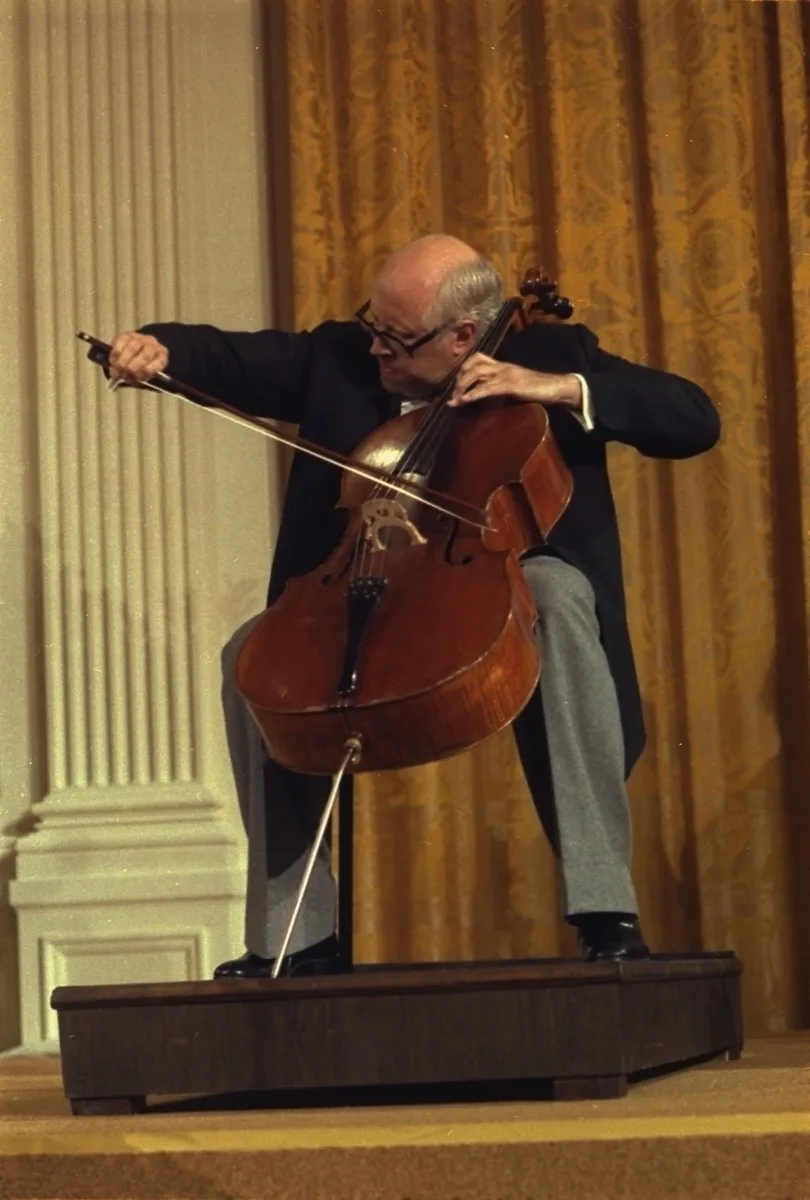
The Dvořák Cello Concerto was given its world premiere on March 19, 1896, at the Queen’s Hall in London. The soloist was the British cellist Leo Stern, and the London Philharmonic was conducted by the composer himself. Dvořák had originally intended the premiere for his friend and trusted colleague, the cellist Hanuš Wihan, to whom the work is dedicated. However, a series of disputes—partly over Wihan’s proposed cadenzas (which Dvořák vehemently rejected) and partly over scheduling conflicts—led to Stern being given the honor.
The premiere was an unmitigated triumph. The London audience, already great admirers of Dvořák’s music, responded with wild enthusiasm. Critics lauded the work for its melodic richness, its symphonic grandeur, and its profound emotional weight. Dvořák himself was immensely proud of the piece. He wrote to a friend, “This concerto surpasses all my other works… I love it the most.”
This pride also led to a significant conflict with his publisher, Fritz Simrock. Simrock, with the support of his own house editor and even Hanuš Wihan, tried to persuade Dvořák to accept a number of “improvements,” including the insertion of a virtuoso cadenza in the final movement. Dvořák’s response was furious and unequivocal. He wrote to Simrock, “I must insist that my work be published as I have written it… The finale closes gradually, like a sigh, with reminiscences of the first and second movements… It is a farewell. You must not add a cadenza.” For Dvořák, the coda’s personal meaning was sacred. He won the argument, preserving the work’s unique emotional arc for all time.
The concerto quickly entered the canon, becoming an essential benchmark for every great cellist of the 20th century and beyond. From the pioneering recordings of Pablo Casals, who brought a new level of intellectual and emotional intensity to the work, to the towering interpretations of Gregor Piatigorsky and Emanuel Feuermann, the concerto became a vehicle for the most profound musical expression. It has been recorded hundreds of times by virtually every major cellist since Casals’s 1937 recording with the Czech Philharmonic, confirming its secure place at the absolute pinnacle of the cello repertoire.
The Dvořák Cello Concerto is more than a masterpiece of musical architecture; it is a human document written in notes instead of words. It is the story of a man standing at the pinnacle of his career in a foreign land, his heart aching for the fields and forests of home. It is a technical marvel that redefined the relationship between a solo instrument and the symphony orchestra. But ultimately, it is a love letter.
When the finale’s boisterous dance subsides, and the orchestra stills to a whisper for that final, transcendent coda, we are no longer just listeners in a concert hall. We are eavesdropping on a private moment of grief and remembrance. The cello’s voice, fragile and high, recalls the drama of the opening. The clarinet, like a distant memory, breathes Josefina’s theme. In that moment, Dvořák the public figure, the celebrated composer, vanishes. We are left with Antonín, the man, speaking directly from the heart, offering a final, musical farewell to the woman he first loved. The concerto is a monument to his genius, but it is the ghost of Josefina that gives it its eternal, heartbreaking soul.
Recommended Recordings
Navigating the vast discography of this concerto can be a daunting task. Here are five essential recordings, each offering a unique perspective on this monumental work.
Jacqueline du Pré / Daniel Barenboim / BBC Symphony Orchestra (Live, 1967)
This is not just a recording; it is a lightning strike captured on tape. Recorded live for the BBC, this performance finds the young Jacqueline du Pré at her most electrifying. The raw, visceral energy is palpable from the first note. Every phrase is imbued with a sense of volatile, almost dangerous passion. While her studio recording is legendary, this live document has an edge-of-the-seat spontaneity that is utterly compelling. It’s a portrait of an artist for whom music was not a profession, but a matter of life and death.
Jacqueline du Pré / Carlo Maria Giulini / Chicago Symphony Orchestra (1970)
If the Barenboim live recording is a wildfire, this studio account with Giulini is a controlled volcanic eruption. Du Pré’s playing is just as emotionally raw, but it is framed by the noble, spacious, and deeply sympathetic conducting of Giulini and the glorious playing of the Chicago Symphony. The second movement is a masterclass in sustained lyrical intensity, and the finale has a tragic grandeur that has rarely been matched. For many, this remains the definitive, benchmark recording.
Mstislav Rostropovich / Herbert von Karajan / Berlin Philharmonic (1969)
This is the “monumental” recording. Rostropovich, arguably the greatest cellist of the 20th century, and Karajan, the wizard of orchestral sound, join forces to create an interpretation of immense weight and gravitas. The Berlin Philharmonic’s brass choir delivers the opening theme with a dark, burnished tone that few orchestras can match. Rostropovich’s tone is colossal, his interpretation deeply searching and philosophical. Some may find it less emotionally immediate than du Pré’s, but its epic scale and symphonic power are undeniable. This is Dvořák’s concerto carved in granite.
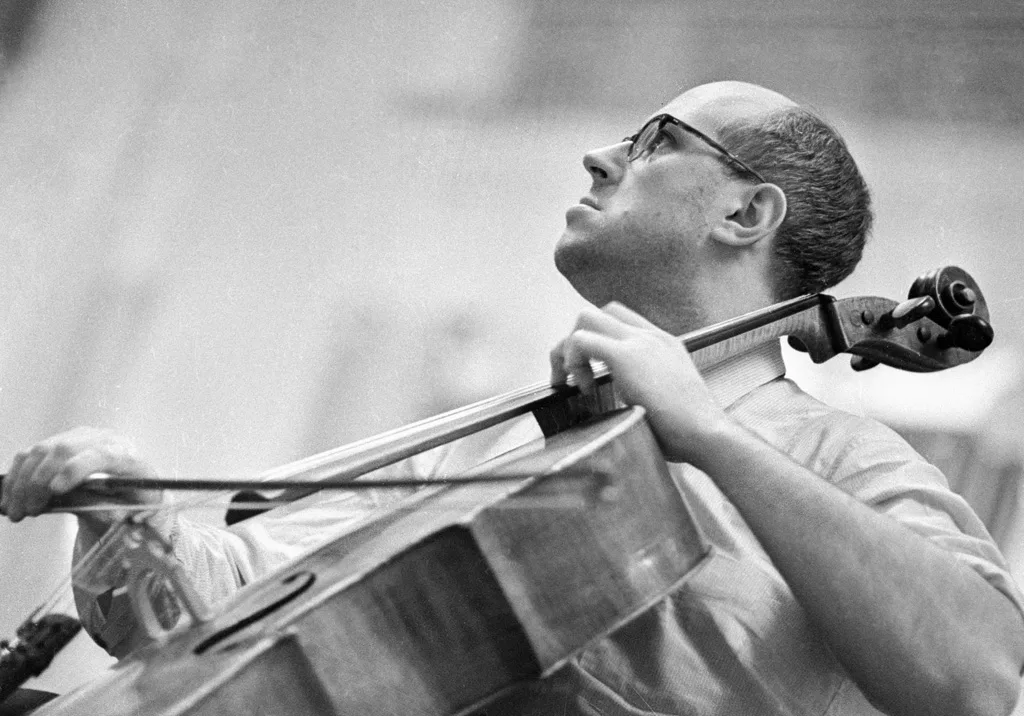
Pierre Fournier / George Szell / Cleveland Orchestra (1962)
In stark contrast to the overt passion of du Pré or the monumental weight of Rostropovich, this recording offers a different kind of perfection: one of aristocratic elegance and classical restraint. Fournier, the “prince of cellists,” plays with a poise, clarity, and tonal beauty that are simply ravishing. George Szell, a famously exacting conductor, provides an accompaniment of crystalline precision and transparency. Nothing is exaggerated, yet the emotional depth is profound. This is an interpretation that reveals the concerto’s classical foundations and proves that deep emotion can be conveyed with the utmost grace.
Yo-Yo Ma / Lorin Maazel / Berlin Philharmonic (1985)
Yo-Yo Ma’s first recording of the concerto is a marvel of technical perfection and radiant tone. It is perhaps the most accessible and immediately appealing of all the great versions. Ma’s playing is clean, passionate, and unfailingly beautiful. Maazel and the Berlin Philharmonic provide a rich, cinematic backdrop. While some later recordings by Ma might dig deeper into the work’s shadows, the youthful ardor and sheer communicative joy of this performance make it an ideal entry point and a classic in its own right.
Follow the Score
The full score is freely available at IMSLP. View the Cello Concerto, Op. 104 score on IMSLP
Frequently Asked Questions
Why did Dvořák write a cello concerto after saying he disliked the instrument for solos?
His main objection was practical, not personal. He felt the cello’s “nasal” high register and “mumbling” bass made it a poor solo instrument to project over an orchestra. The change of heart was sparked by hearing Victor Herbert’s Second Cello Concerto in 1894. Herbert’s skillful writing demonstrated that the instrument could be an effective protagonist, inspiring Dvořák to take up the challenge himself and solve the balance problems in his own unique way.
How can I identify Josefina’s melody in the second movement?
Listen about halfway through the Adagio. After a turbulent, dramatic central section, the music subsides into a quiet, magical atmosphere. A solo French horn, accompanied by shimmering strings, plays a beautiful, lyrical melody. This is the theme from Dvořák’s song “Lasst mich allein,” Op. 82, No. 1. The cello then picks up the melody, entering into a gentle dialogue with the woodwinds. It’s a distinct, song-like tune that stands out from the movement’s main pastoral theme.
Is this really the “greatest” cello concerto?
While “greatest” is always subjective, it consistently tops polls among musicians and listeners for several reasons: it solved the age-old balance problem between cello and orchestra; it combines symphonic weight with unforgettable melodies; it provides the soloist with a role that is both technically dazzling and emotionally profound; and it is infused with a deeply moving personal story. Other concertos, like the Elgar, Schumann, or Shostakovich No. 1, are masterpieces of equal artistic integrity, but the Dvořák holds a unique place due to its perfect synthesis of drama, lyricism, and virtuosic brilliance.
Why is there no cadenza in the first movement?
Dvořák explicitly forbade it. He conceived of the concerto as a tightly-knit symphonic drama, not just a vehicle for a soloist to show off. In a letter to his publisher, he argued that a traditional cadenza would disrupt the musical flow and dilute the emotional power he had so carefully constructed. The impassioned, cadenza-like passages he wrote for the cello are fully integrated into the musical structure, serving the drama rather than halting it.
How does the concerto reflect his time in America?
While the concerto’s soul is profoundly Bohemian, its scale and certain musical gestures reflect his American experience. The grand, sweeping melodies and the bold, dramatic orchestration echo the symphonic language of his “New World” Symphony, which was directly inspired by the vastness of the American landscape and its folk music. However, unlike the symphony, the concerto’s primary emotional driver is not the discovery of a “new world,” but an intense, painful longing for the old one.
How long is Dvořák’s Cello Concerto and how many movements does it have?
The concerto typically lasts around 40 minutes and is composed of three movements. The movements are a dramatic Allegro, a lyrical Adagio ma non troppo, and a finale marked Allegro moderato.
Who was Dvořák’s Cello Concerto written for?
Dvořák wrote the concerto for his friend, the cellist Hanuš Wihan, and dedicated it to him. However, due to a dispute over proposed changes, the premiere in London on March 19, 1896, was given by the English cellist Leo Stern.
What do the catalogue numbers “Op. 104” and “B. 191” mean?
“Op. 104” is the opus number assigned by Dvořák’s publisher, Fritz Simrock, placing it chronologically among his published works. “B. 191” is the number from the comprehensive thematic catalogue of all Dvořák’s compositions compiled by musicologist Jarmil Burghauser.
Besides the cello, what instrument has a prominent role in the concerto?
The horn has a particularly prominent role, introducing the main theme of the first movement before the cello even enters. Dvořák gives several important melodic lines to the horn section throughout the work, creating a rich dialogue with the solo cello.