Every list of classical music in famous movies names the pieces. That is the easy half, and where most of them stop. The harder half is which recording you are hearing, which frame it lands on, and what the director bought by licensing a two-hundred-year-old score instead of hiring a composer.
Ten cues below, from ten films most people have already seen. For each one: the exact moment, why the music works there, and one recording to hear the piece properly away from the film. One of the ten is, in my view, the most overrated music cue in American cinema. I name it when we get to it.
Spoiler warning: this article discusses specific scenes from these films, including endings and late-film deaths.
1. Also sprach Zarathustra — Richard Strauss (2001: A Space Odyssey, 1968)
The sunrise. Three notes on the trumpet — low C, G, high C — over an organ pedal you feel more than hear, then the timpani, then the chord that lurches from major to minor and back. It opens the “Dawn of Man” section, returns when the ape swings the bone, and returns again for the Star Child.
Here is what almost nobody mentions: Kubrick uses the first ninety seconds and then abandons the piece. Strauss’s tone poem runs about half an hour, with a fugue, a waltz and an unresolved ending, none of which is in the film. What Kubrick licensed was a beginning — a fanfare that promises an enormous argument and never delivers one. That is exactly what the monolith is.
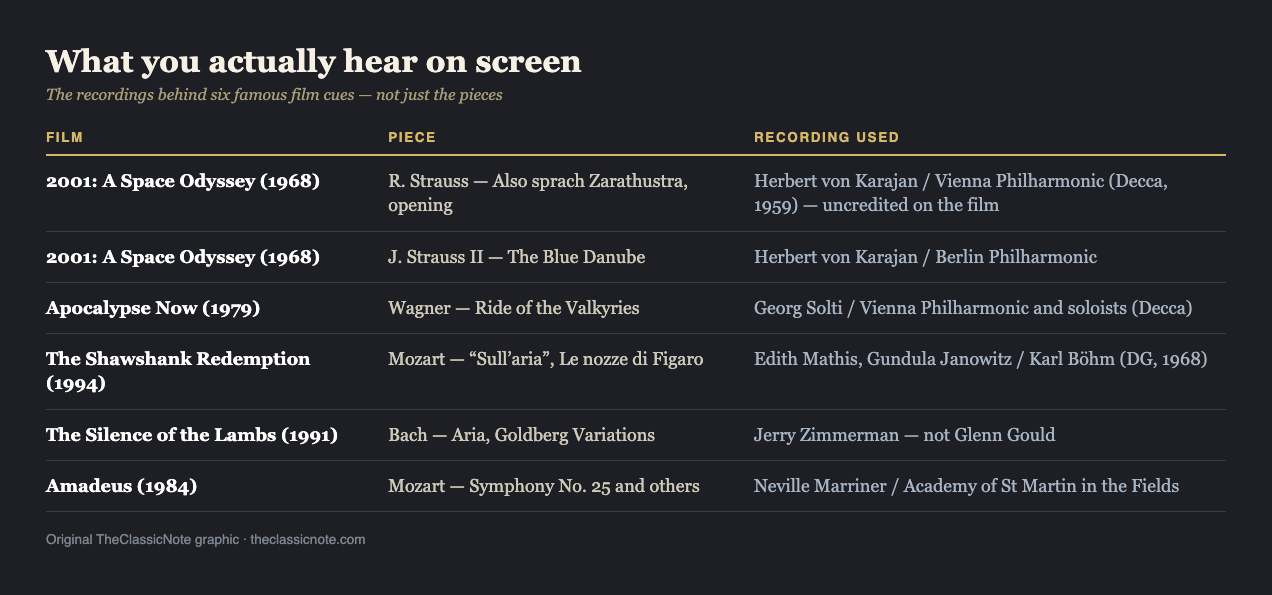
Strauss conducted the premiere himself in Frankfurt on 27 November 1896. The recording in the film is Herbert von Karajan with the Vienna Philharmonic, taped for Decca in 1959 — uncredited, because Decca gave permission on condition that the conductor and orchestra were not named. The MGM album quietly substituted a different performance. If you grew up with the album, you have never heard the take in the movie. This one is:
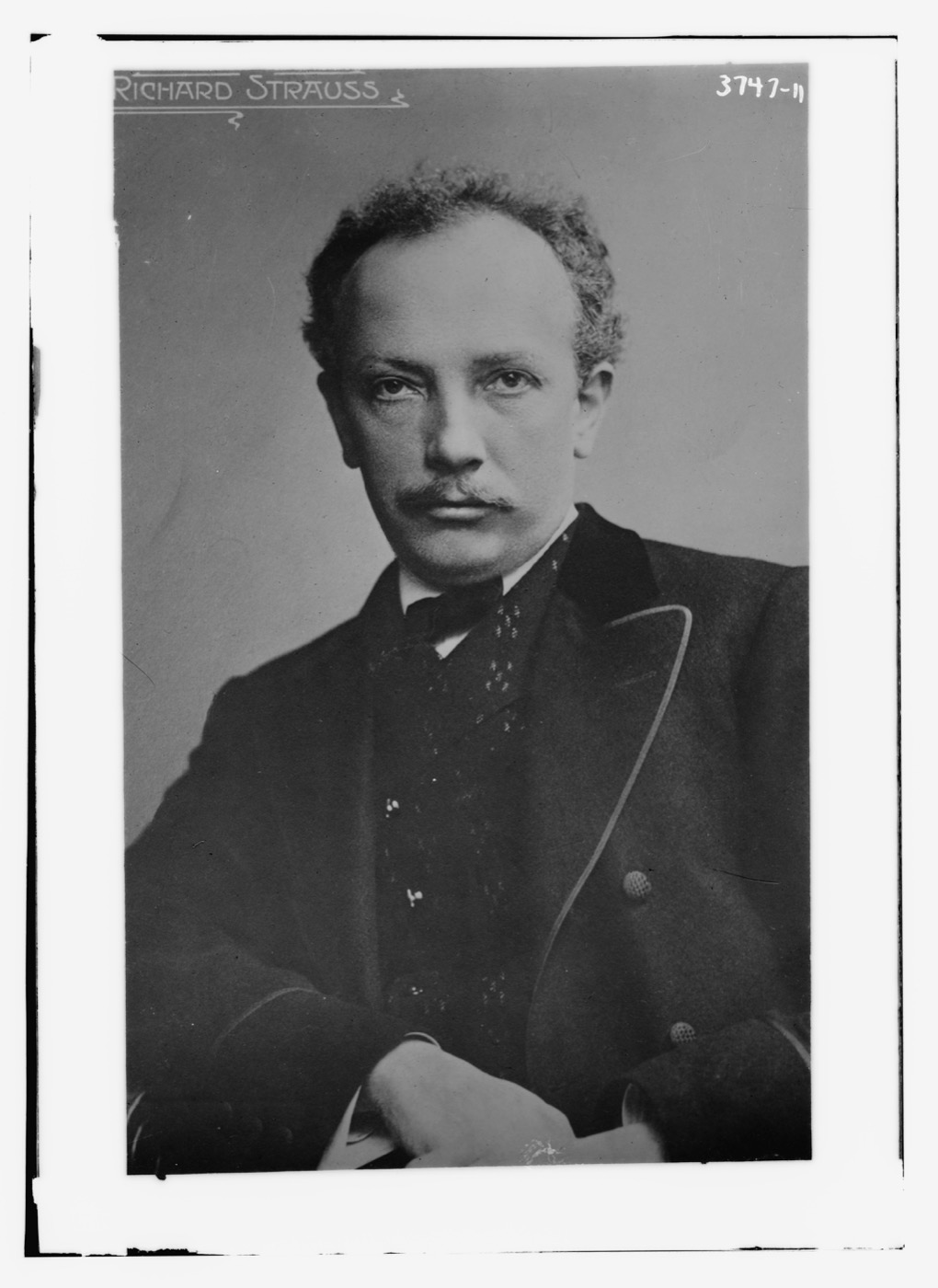
2. The Blue Danube — Johann Strauss II (2001: A Space Odyssey, 1968)
The Pan Am shuttle rolling to match the rotation of the space station, and later the Aries lander settling onto the Moon. Kubrick cuts the docking so the ship’s spin lines up with the three-beat pulse of the waltz.
The choice is funnier and colder than it gets credit for. This is the future, and it sounds like a hotel ballroom. Nobody on screen is excited: a man calls his daughter from a video phone and forgets her birthday, another drinks his food through a straw. Scoring that to Vienna’s most municipal light music tells you space travel has become a commute — which makes the silence around the monolith land like a slap.
Where to hear it: Karajan and the Berlin Philharmonic, Deutsche Grammophon (1981) — unhurried, with the introduction stretched almost to breaking before the first waltz arrives. ▶ Listen on YouTube
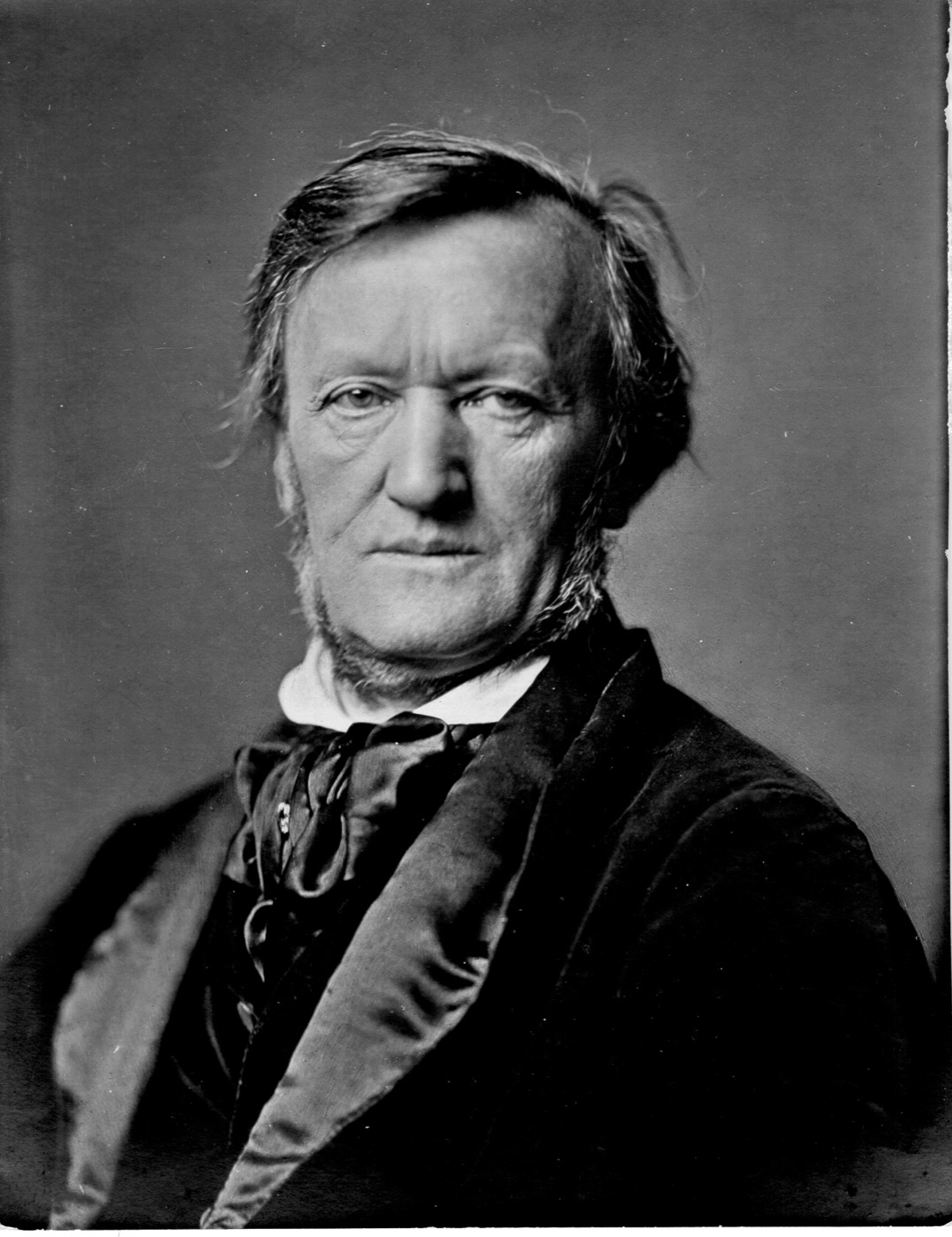
3. Ride of the Valkyries — Richard Wagner (Apocalypse Now, 1979)
Kilgore’s helicopter squadron attacking a Vietnamese village, with the music blaring from loudspeakers bolted to the aircraft. This is the rare famous cue that is diegetic — the characters chose it, cued it, and can hear it. Kilgore says it scares the enemy. What it really does is let the men fly into a massacre inside a soundtrack of their own making.
Wagner wrote it as the entrance of eight warrior daughters collecting corpses, and the dotted rhythm in the strings is a horse’s canter. Coppola takes that literally and vertically. The sequence survives forty-five years of parody because the film keeps cutting to villagers who cannot hear the music — the score belongs to one side only.
The film uses Georg Solti’s Decca recording with the Vienna Philharmonic and soloists. Sound editor Walter Murch has described searching for exactly that performance, which Decca discusses in its own short film about the Solti Ring. Solti’s is still the version to hear, voices and all:
4. Adagio for Strings — Samuel Barber (Platoon, 1986)
Sergeant Elias, left behind and wounded, running across open ground while the helicopter climbs away and his own platoon watches from the door. He is hit again and again, and goes down with his arms up.
And this is the overrated one. Not because the scene fails — it works, and it works hard. Because Oliver Stone does not trust it to work once. The Adagio keeps coming back until it stops commenting on the film and starts replacing it. Platoon is about a soldier who cannot decide what he witnessed; the Adagio decides for him, in advance, every time it starts. Barber’s slow movement is one rising line that climbs, stalls and drops into silence — a mechanism so reliable at producing grief that reaching for it is a way of not directing the scene at all.
Worth knowing where it came from: Barber wrote it in 1936 as the slow movement of his String Quartet, Op. 11, and arranged it for string orchestra for Arturo Toscanini, who premiered that version with the NBC Symphony on a national radio broadcast on 5 November 1938. The quartet original is the better listen — four players, no cushion, the climax genuinely difficult. The Emerson String Quartet’s account, recorded for Deutsche Grammophon in November 1990, is the one I go back to. ▶ Listen on YouTube
More on the piece itself in our guide to Barber’s Adagio for Strings, Op. 11.
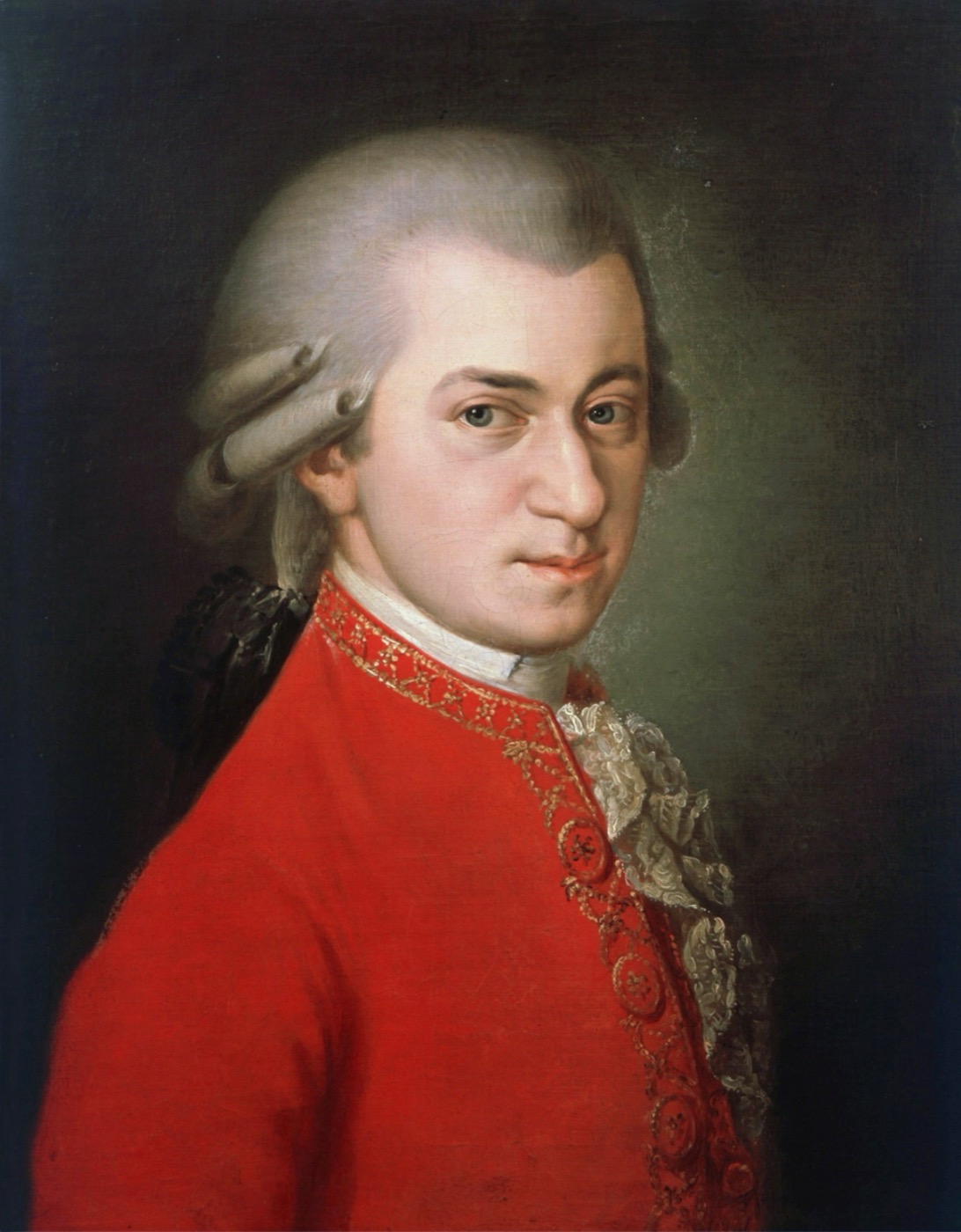
5. Sull’aria… che soave zeffiretto — Mozart (The Shawshank Redemption, 1994)
Andy locks the guard in the bathroom, puts a record on the warden’s turntable, and pipes it through the prison public address system. Men stop in the yard. Red, narrating, says he has no idea what the two Italian ladies were singing about and does not want to know.
The joke underneath is very good and almost always missed. The duet is not a love song: the Countess is dictating a fake love letter for Susanna to send, to trap a man. Two women running a con, in the sweetest music Mozart ever wrote — piped through a prison by the one inmate running a con of his own, who will walk out through a wall with the warden’s money. Nobody in the yard understands a word, and the scene is still about deception.
The film uses the recording by Edith Mathis and Gundula Janowitz with the Deutsche Oper Berlin under Karl Böhm (Deutsche Grammophon, 1968). The two voices sit almost inside one another; that blend is the whole effect, and it is why the scene would not survive a different cast:
6. Aria from the Goldberg Variations — J. S. Bach (The Silence of the Lambs, 1991)
The Memphis courthouse, about seventy-four minutes in. Lecter is in the cage, his second dinner has arrived, and he is listening to music when he kills Sergeant Pembry and Lieutenant Boyle. Demme leaves the Aria running through the violence and does not cut it.
The Aria is a sarabande — a slow dance in three, ornamented, symmetrical, over a bass line so orderly that Bach builds thirty variations on it without raising his voice. Scoring a killing to a dance is the oldest irony in the book; what makes it land is the manners. This is music about impeccable proportion, and Lecter’s whole proposition is that cruelty and refinement live comfortably in one man.
Fact check, because this one trips up everyone: the performance in the film is not Glenn Gould’s. The film’s own credit goes to Jerry Zimmerman. Gould’s 1981 remake (Sony) is still the recording I would put in your hands — slower than his famous 1955 debut, and he hums through it. ▶ Listen on YouTube
If you want the full set, start with our guide to Bach’s Goldberg Variations, BWV 988.
7. Sarabande in D minor, HWV 437 — Handel (Barry Lyndon, 1975)
It runs through the whole film, but the scene that owns it is the final duel: a barn, pigeons in the rafters, Barry and Lord Bullingdon loading pistols while the protocol grinds on — coin toss, rules, the long wait.
Handel’s original is a keyboard dance — a sarabande theme followed by two variations on it. Leonard Rosenman’s arrangement strips it to low strings and timpani and brings the theme round again and again, so what you hear is a loop you cannot get out of: the film’s argument about Barry in one device, a man who climbs and climbs and ends where he began. Rosenman won the scoring Oscar for it at the 1976 ceremony.
For the original, Voices of Music play it on period instruments with an improvised cello line — leaner and stranger than the film version, and it lets you hear the dance underneath. ▶ Listen on YouTube
8. Intermezzo from Cavalleria rusticana — Mascagni (Raging Bull, 1980)
The opening credits. Jake LaMotta alone in the ring in a hooded robe, shadowboxing in slow motion, black and white, smoke in the light. Scorsese ends the film with the same music.
In the opera, the Intermezzo plays when the stage empties and everyone goes into church — the quiet stretch immediately before a man is knifed to death offstage. Mascagni wrote a held breath before a killing, and Scorsese puts it over a boxer who spends two hours destroying everyone near him, himself included. Played against the images rather than with them, it lifts a violent man into something almost liturgical, and the film never lets you get comfortable about that.
Cavalleria rusticana premiered at the Teatro Costanzi in Rome on 17 May 1890 and made Mascagni famous overnight at twenty-six. Riccardo Muti with the Philharmonia Orchestra (EMI, 1980) keeps it moving instead of wallowing, which is what the piece needs. ▶ Listen on YouTube
9. Symphony No. 9 — Beethoven (A Clockwork Orange, 1971)
Alex lies on his bed under a poster wall, snake on the shelf, and listens to “Ludwig van” with an expression of complete peace while imagining atrocities. Later, strapped into a chair with his eyes clamped open for the Ludovico treatment, he hears the Ninth under the newsreel footage — and the conditioning that is supposed to cure his violence destroys his ability to listen to music at all. Later still, the second movement is played at him deliberately, through a floor, to push him out of a window.
Most films borrow a famous piece for its prestige. Kubrick uses the Ninth to ask whether prestige means anything — whether the most humane work in the repertoire, the one with “all men shall be brothers” in the finale, has any effect at all on the man listening. The film’s answer is no. Wendy Carlos’s synthesiser realisations of movements from the Ninth make the point sonically: the same notes through a machine, grand and dead at once.
For the real thing, Karajan’s 1962 Berlin recording (Deutsche Grammophon) is fast, tightly drilled and monumental — the version Alex would have owned. ▶ Listen on YouTube We compare it against the field in our guide to the best recordings of Beethoven’s Ninth.
10. Prelude to Tristan und Isolde — Wagner (Melancholia, 2011)
The eight-minute overture: sixteen slow-motion tableaux, birds dropping out of the sky, Kirsten Dunst trailing grey threads, and Bruegel’s The Hunters in the Snow catching fire in the frame. The Prelude comes back through the film and again when the planet arrives.
There is essentially no other music: von Trier scores the whole film with the Prelude, adding the Act III prelude over the credits. It works for a technical reason. The Prelude opens with the most famous unresolved chord in Western music — it reaches for a cadence, slips, reaches again, and defers resolution for minutes. A film about waiting for an impact that ends everything is scored with music that refuses to land.
Karajan’s Berlin recording of the Prelude (Deutsche Grammophon) takes it slowly enough that you can hear each evasion. ▶ Listen on YouTube
The standout: Shawshank, and why
Nine of these cues are the director talking over the film. One is an event inside it.
The Mozart in The Shawshank Redemption is the standout because the characters can hear it, and the scene is about what hearing it does to them. Andy pays for those two minutes in solitary and says it was the easiest time he ever did. That is a claim about music being useful — not decorative, not moving, useful — and the film earns it by showing the men in the yard first and the music second. Apocalypse Now is the only real rival, and it is the same trick reversed: there the characters choose the music, and it makes them worse.
A note on what you are actually hearing
Two distinctions most articles collapse. “Film X uses piece Y” is verifiable from a cue sheet or soundtrack listing. “Film X uses recording Z” often is not — cues get licensed quietly, credited vaguely, or replaced on the album. The 2001 sunrise is the classic case: unnamed for decades by contractual agreement, with a different performance on the album. The Silence of the Lambs is the other: the album omits the Bach entirely, and the performer everyone names is not the one credited.
Where I was confident above, I named the recording used on screen; where I was not, I named one worth hearing instead and said so. For a modern film that uses classical music this deliberately, see our breakdown of the classical cues in John Wick — same technique, much smaller pieces.