- Work
- Violin Concerto in D major, Op. 35
- Composer
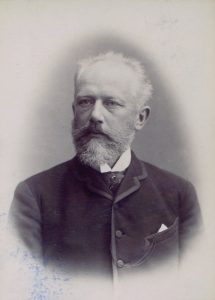
- Pyotr Ilyich Tchaikovsky (1840–1893)
- Composed
- March 14 – April 11, 1878, Clarens, Switzerland
- Premiere
- December 4, 1881 — Adolf Brodsky, Vienna Philharmonic, Hans Richter conducting
- Dedication
- Adolf Brodsky (originally Leopold Auer)
- Key
- D major
- Duration
- ~33–35 minutes
- Instrumentation
- Solo violin, 2 flutes, 2 oboes, 2 clarinets, 2 bassoons, 4 horns, 2 trumpets, timpani, strings
- Movements
- I. Allegro moderato
II. Canzonetta: Andante
III. Finale: Allegro vivacissimo
Follow the Score
The full score is freely available at IMSLP. View the Violin Concerto, Op. 35 score on IMSLP
The Man Who Ran to Switzerland
In the early weeks of 1878, Pyotr Ilyich Tchaikovsky was a wreck. Not the glamorous kind of wreck — not the brooding Romantic genius leaning against a piano in candlelight. The ugly kind. The kind where a 37-year-old man wades into the Moscow River in November, hoping the cold water will give him pneumonia and kill him without anyone having to call it suicide.
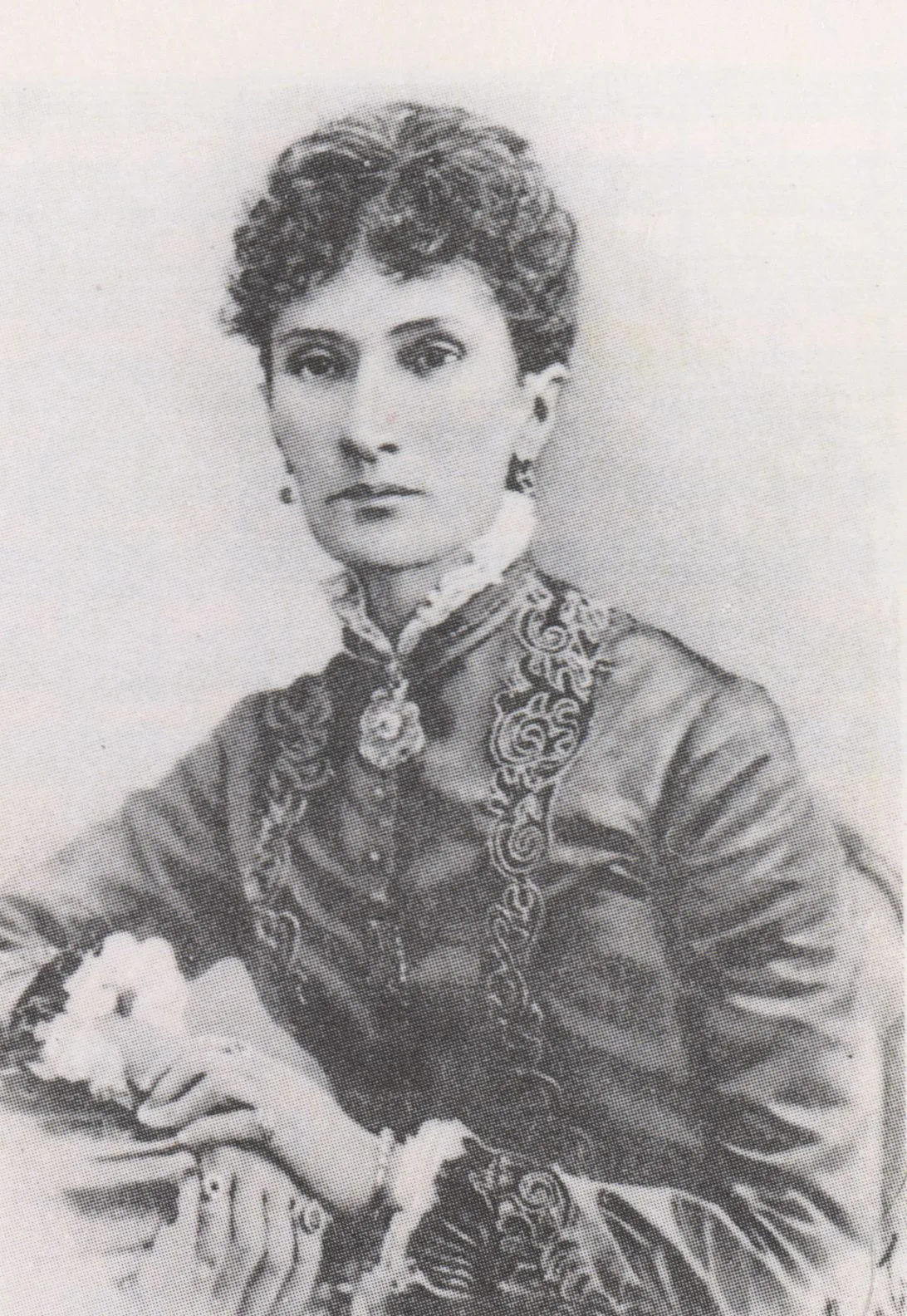
The marriage to Antonina Miliukova had lasted less than two months. It was a catastrophe from the first week. Tchaikovsky, a homosexual man in a society that criminalized his existence, had convinced himself that marrying a woman would cure him, normalize him, solve the problem of being who he was. Antonina was willing and persistent; she had pursued him with letters. He said yes. The decision nearly destroyed him.
By autumn 1877, he had fled. His brother Anatoly helped him escape to Saint Petersburg, then abroad. The money came from Nadezhda von Meck — the wealthy widow who would fund Tchaikovsky for years on the peculiar condition that they never meet in person. She wired him funds. He left Russia.
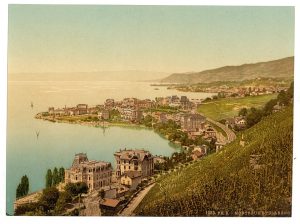
He landed in Clarens, a small village on the northern shore of Lake Geneva. The place was quiet, cheap, and far from Moscow. Tchaikovsky rented rooms and tried to work. He was already deep into two major compositions — the Fourth Symphony and the opera Eugene Onegin — but his concentration was fractured. The marriage, the river, the shame of it all. He wrote letters that veered between self-pity and raw despair.
Then Iosif Kotek arrived.
Kotek was a violinist, formerly Tchaikovsky’s student at the Moscow Conservatory. He was young, talented, and — by the evidence of Tchaikovsky’s letters — far more than a former pupil. The nature of their relationship has been debated with varying degrees of coyness by biographers, but Tchaikovsky’s own correspondence is not ambiguous. He wrote to Kotek with an intimacy and tenderness he reserved for no one else. When Kotek showed up in Clarens in March 1878, something shifted.
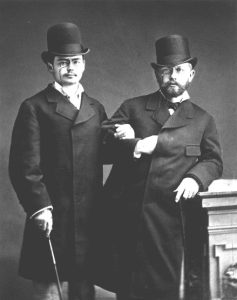
They spent their days playing music together. One piece they worked through was Édouard Lalo’s Symphonie espagnole — a showy, rhythmically charged violin concerto that had premiered three years earlier. Kotek played the solo part while Tchaikovsky accompanied at the piano. Something about the Lalo piece — its energy, its directness, the way it let the violin be unapologetically physical — lit a fuse.
The next morning, March 14, Tchaikovsky began sketching a violin concerto of his own.
What followed was one of those white-hot creative episodes that composers sometimes describe and the rest of us can only marvel at. Twenty-eight days. He wrote the entire concerto — all three movements, fully orchestrated — between March 14 and April 11, 1878. And this was not a man sitting in comfortable isolation with nothing else on his desk. He was simultaneously finishing the Fourth Symphony and revising Eugene Onegin. The violin concerto poured out of him alongside two of his other major works, as if the musical pressure had been building for months and the Lalo sessions with Kotek had cracked the seal.
Kotek was there through the process. He played through passages as Tchaikovsky wrote them, testing fingerings, advising on what worked under the hand and what didn’t. The concerto was shaped, at least in part, by their collaboration — by the experience of hearing a real violinist try the notes while the ink was still drying. There’s a physicality in this concerto, a sense that it was written for a specific body, a specific set of hands. Kotek’s hands.
One detail from those weeks reveals how ruthlessly Tchaikovsky was editing himself even in the fever of composition. The original slow movement — the Andante — was scrapped entirely after he and Kotek played through it together. Tchaikovsky decided it wasn’t right. He replaced it with a new movement, the Canzonetta, which became one of the most beautiful things he ever wrote. The discarded movement didn’t go to waste; it became “Meditation,” the first piece in Souvenir d’un lieu cher, a set of violin pieces dedicated to von Meck. But the speed of that decision — hearing a movement, rejecting it, writing a replacement — tells you something about the clarity Tchaikovsky had during those four weeks, despite everything.
By April 11, the score was done. Tchaikovsky had written a violin concerto that would become one of the most performed works in the entire repertoire. He had written it in less than a month, in a rented room in Switzerland, recovering from a marriage that nearly killed him, with the man he loved sitting across the room playing each passage as it appeared.
He didn’t know yet that no one would play it for three years.
“Unplayable”
Tchaikovsky did what any composer would do: he sent the finished score to the best violinist he knew. In Russia in 1878, that meant Leopold Auer.
Auer was not just a great violinist. He was the violinist — professor at the Saint Petersburg Conservatory, soloist to the Imperial Court, the man whose opinion determined what was playable and what was not. If Auer endorsed your concerto, it entered the repertoire. If he didn’t, it gathered dust.
Tchaikovsky offered Auer the dedication and the premiere. The response was devastating: Auer declared the concerto unplayable.
The specifics of his objection centered on the finale. The third movement’s rapid passagework, its aggressive double-stops, the wide leaps across strings — Auer found them ungrateful to the instrument. Not impossible in the abstract, maybe, but impractical. Written by a man who didn’t truly understand what a violinist’s left hand could sustain at tempo. The word unplayable carried authority when Auer said it, because Auer had played everything.
So the concerto went into a drawer. Literally. The score sat, unperformed, for three years. Tchaikovsky, who was not a man built for rejection — who metabolized professional setbacks the way most people metabolize poison — moved on to other projects. The Fourth Symphony premiered. Eugene Onegin had its first performance. The violin concerto waited.
Enter Adolf Brodsky.
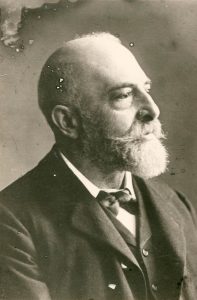
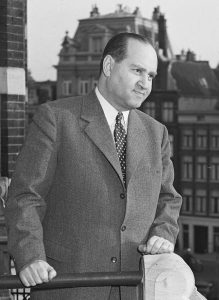
Brodsky was Russian-born but had built his career in Europe. He was working in Vienna in the early 1880s — a solid, respected violinist, but not a name that made audiences gasp. He was no Auer. But he was curious, technically capable, and apparently stubborn.
How exactly Brodsky got his hands on the score is a minor historical puzzle. He may have requested it from the publisher Jurgenson, or Tchaikovsky may have sent it after Auer’s refusal — the accounts vary. What matters is that Brodsky studied the concerto and reached a different conclusion than Auer. He decided it was not only playable but extraordinary. He learned it. He found an orchestra and a date.
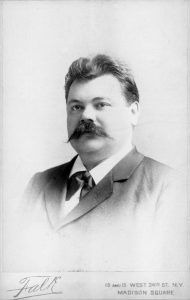
On December 4, 1881, Brodsky premiered Tchaikovsky’s Violin Concerto in D major with the Vienna Philharmonic, conducted by Hans Richter.
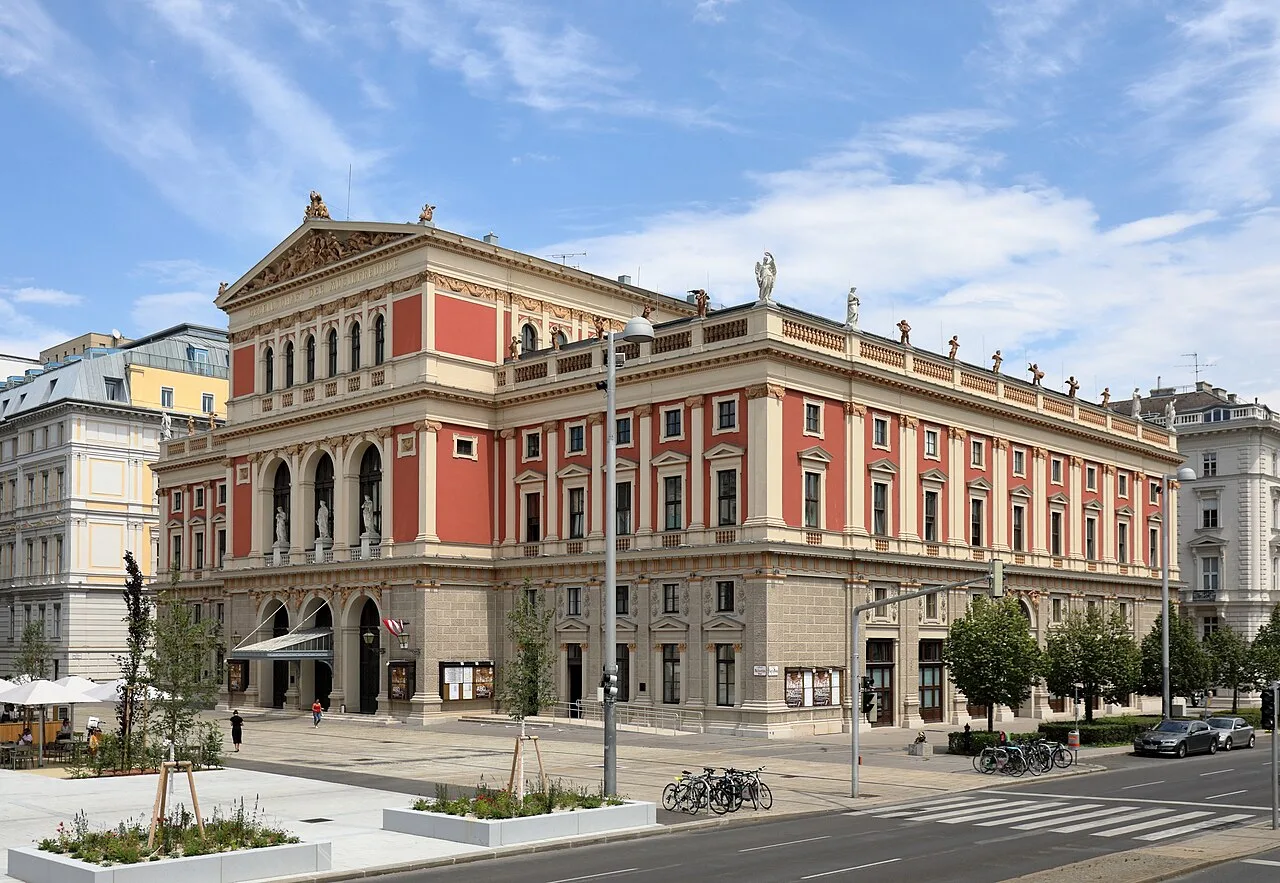
The performance, by most accounts, was rough. Brodsky was a good violinist but probably not a great one in the sense that Auer or Heifetz were great. The Philharmonic had limited rehearsal time. Richter, a formidable Wagnerian conductor, may not have been the ideal partner for Tchaikovsky’s Russian emotionalism. The piece was new, unfamiliar, and technically ferocious. It did not go smoothly.
But it went. The concerto was heard. And what happened next became one of the most famous episodes in music criticism.
Music That Stinks to the Ear
Eduard Hanslick was the most influential music critic in the German-speaking world. Based in Vienna, writing for the Neue Freie Presse, he had spent decades shaping public taste with a pen that could elevate or destroy. He championed Brahms. He savaged Wagner. He believed in “absolute music” — music that worked through form and structure, not through theatrical emotion or programmatic storytelling. He distrusted excess. He distrusted nationalism. He distrusted anything that struck him as pandering to base instincts.
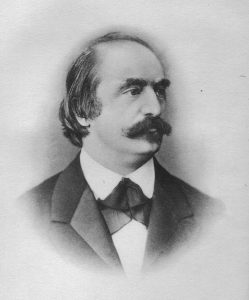
Hanslick attended Brodsky’s premiere on December 4, 1881, and wrote a review that would follow Tchaikovsky for the rest of his life.
The first movement, Hanslick conceded, had some merit — but was too long, too repetitive. The Canzonetta he found pleasant enough. Then he reached the finale, and lost all restraint:
“The violin is no longer played; it is pulled, torn, drubbed. The Adagio is again on its best behavior, to our gratification and order. But it at once breaks off to make way for a finale that transfers us to the brutal and wretched jollity of a Russian holiday. We see plainly the savage vulgar faces, we hear curses, we smell vodka. Friedrich Vischer once observed, in speaking of obscene paintings, that they stink to the eye. Tchaikovsky’s Violin Concerto gives us for the first time the hideous notion that there can be music that stinks to the ear.”
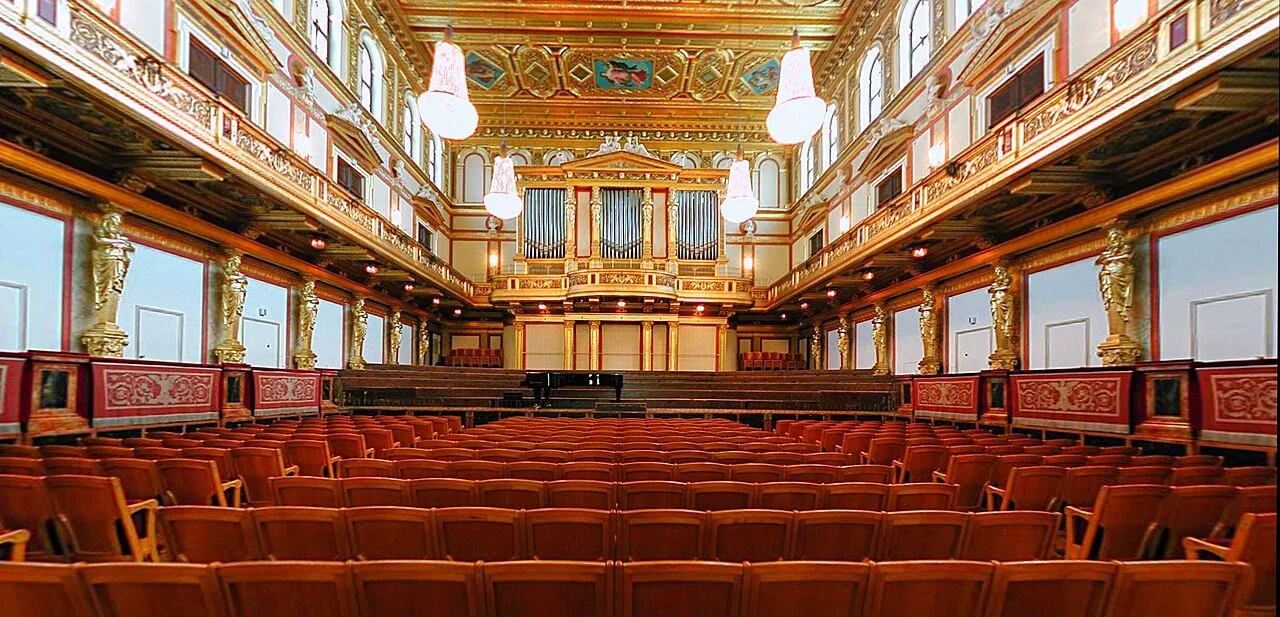
Music that stinks to the ear.
This wasn’t a mixed review. This was a cultural declaration. Hanslick wasn’t just saying the concerto was bad — he was saying it was barbaric, uncivilized, Russian in the most contemptuous sense of the word. The language about “savage vulgar faces” and vodka was racial caricature dressed up as aesthetic judgment. Hanslick heard folk rhythms and peasant dances and coded them as subhuman. The trepak — the Russian dance rhythm that drives the finale — was, to his Viennese ears, evidence of cultural inferiority.
It’s worth pausing to notice what Hanslick actually revealed about himself. He wasn’t wrong that the finale is wild. It is wild. The trepak rhythms are deliberately untamed, the energy is huge and physical, the violin does things that sound reckless. But calling it music that “stinks” says more about the critic’s anxieties than about the composer’s craft. Hanslick heard a Russian voice speaking without apology in a Viennese concert hall, and he recoiled.
Tchaikovsky read the review. He never forgot it. Years later, in letters to friends, he would still reference Hanslick’s words with bitterness. The review hurt — and Hanslick knew it would. That was, in part, the point.
But here’s the thing about critical demolitions: they only work if the audience agrees to stay away. The audiences didn’t. Brodsky, to his enormous credit, refused to shelve the concerto after the hostile premiere. He programmed it again. And again. He played it in other cities across Europe. Audiences, freed from Hanslick’s influence, responded to what was actually in the music — its warmth, its fury, its directness. The concerto began to build a following from the ground up.
And then something remarkable happened. Leopold Auer changed his mind.
The same man who had declared the work unplayable began to play it himself. Not only that — he taught it to his students. Among those students was a young Lithuanian-born prodigy named Jascha Heifetz, who would grow up to make Tchaikovsky’s Violin Concerto one of the most recorded works in history.
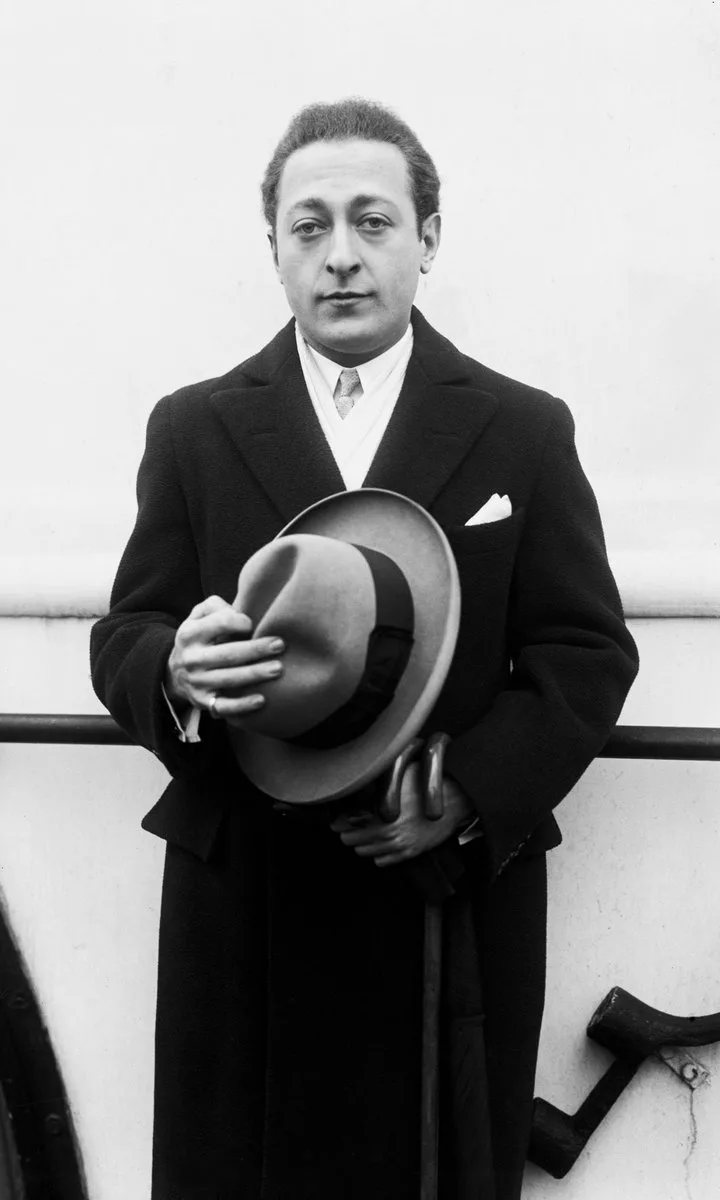
Auer’s reversal was total: from “this cannot be played” to “this is what I teach my best students to play.”
Tchaikovsky, for his part, responded to Brodsky’s loyalty with a gesture that meant everything in the 19th-century music world. He changed the dedication. The concerto, originally inscribed to Auer, was rededicated to Adolf Brodsky — the violinist who believed in the piece when no one else would.
Brodsky had earned it.
A Listener’s Guide
A few words before we walk through the movements. This concerto is roughly 33 to 35 minutes long, depending on the performer. It is not subtle. Tchaikovsky was not a composer who believed in holding back, and this piece — written in the aftermath of a personal catastrophe, in the company of someone he loved — is drenched in feeling. But it is also tightly built. The emotional intensity sits on top of careful structural engineering. The concerto is not a shapeless outpouring; it is a building with strong walls and big windows.
If you’ve never heard it, listen first without this guide. Then come back.
I. Allegro moderato
The first movement is the big one — roughly 18 to 20 minutes, depending on how much the soloist lingers. It opens with the orchestra alone, quietly. The strings establish D major with a passage that feels like a clearing of the throat, an intake of breath before something important. It’s modest, even tentative. You might wonder, for a few bars, what all the fuss is about.
Then the violin enters.
The solo violin’s opening theme is one of those melodies that seems to have existed before anyone wrote it down. It rises with a kind of searching grandeur — not triumphant, not yet, but expansive. The violin is testing the space, feeling its way upward. Within a few phrases, the scale of what Tchaikovsky intends becomes clear. This is going to be a long conversation between the soloist and the orchestra, and the soloist has a lot to say.
There are two main themes. The first is lyrical and broad — the one the violin introduces at the beginning. The second is warmer, more tender, a step down in intensity but not in beauty. Tchaikovsky contrasts them skillfully, developing both through a long and complex middle section where the music modulates through distant keys and builds tension in waves.
Here is where the first movement does something unusual. In most Classical and Romantic concertos, the cadenza — the extended solo passage where the orchestra drops out and the soloist plays alone — comes near the end of the movement, just before the final orchestral flourish. It functions as a last display of virtuosity, a closing argument. Tchaikovsky moved it. He placed the cadenza between the development and the recapitulation — in the middle of the movement’s argument, not at its conclusion.
This changes everything. The cadenza is not decorative. It is not a bow on top of the package. It is the emotional summit of the movement, the point where the soloist is most exposed and most free. When the orchestra returns after the cadenza, it’s a return — a homecoming. The recapitulation feels earned because the soloist has just been through something enormous alone.
The cadenza itself is massive. It runs several minutes and demands not just technical ability but musical intelligence. A violinist who plays it as a string of impressive tricks misses the point. The best performers treat it as the movement’s interior monologue — the moment where the violin says what it couldn’t say with the orchestra present.
The movement ends with energy, the orchestra and soloist reuniting for a final rush to the close. But the heart of the Allegro moderato is that cadenza. Everything before it is preparation; everything after it is resolution.
II. Canzonetta: Andante
“Canzonetta” means “little song,” and the name is perfect. This movement is short — five to six minutes — and it asks for almost no virtuosity from the soloist. What it asks for is harder: a voice.
The woodwinds open alone, playing a quiet, somber melody in G minor. There is something almost liturgical about it — a hymn heard through a closed door. Then the violin enters, singing over the woodwinds with a melody of such simplicity that it sounds like a folk tune, though it isn’t one. Tchaikovsky wrote it, but it sounds as if it has always existed, as if he were remembering rather than inventing.
Remember that this movement was not the original plan. Tchaikovsky had written a different Andante, played through it with Kotek, decided it was wrong, and replaced it with the Canzonetta. The scrapped movement was good enough to publish separately — it became the “Meditation” from Souvenir d’un lieu cher. But the Canzonetta was better. It was exactly what the concerto needed between the massive first movement and the explosive finale: a clearing, a quiet space, a held breath.
The movement’s beauty is in its restraint. The violin doesn’t show off. It doesn’t play fast passages or high harmonics or any of the hundred tricks available to a concert soloist. It just sings. The melody is long-breathed and achingly direct, and it requires the violinist to produce a sound that is warm without being thick, sad without being sentimental. This is where interpretation matters most. Speed won’t save you here. Only tone will.
The Canzonetta doesn’t fully end. It dissolves — the final bars thin out and, without a pause, lead directly into the finale. The effect is like waking from a dream into a street fight.
III. Finale: Allegro vivacissimo
This is the movement Hanslick hated. This is the movement Auer called unplayable. This is, not coincidentally, the movement that makes audiences lose their minds.
The finale is built on the trepak — a Russian and Ukrainian folk dance characterized by a driving, stamping rhythm in fast duple meter. Tchaikovsky doesn’t quote a specific trepak melody; he invents his own, but the rhythmic DNA is unmistakable. The music sounds like dancing — not ballet dancing, but the heavy-footed, exuberant, slightly dangerous dancing of a village celebration where things might get out of hand.
The violin enters almost immediately with a theme that bounces and leaps across the strings. The tempo is ferocious. The bow has to execute rapid spiccato — a technique where it bounces off the string rather than staying on it, producing a detached, percussive sound. The left hand navigates double-stops (two strings pressed simultaneously), wide intervallic leaps, and passages that ascend into the instrument’s highest register at full speed.
It is, frankly, terrifying to play. The margin for error is razor-thin. A missed shift, a slight miscalculation of bow pressure, and the whole thing falls apart audibly. This is the passage that made Auer shake his head. He wasn’t wrong that it was brutally demanding. He was wrong that it couldn’t be done.
About two-thirds of the way through, the storm briefly breaks. A lyrical episode emerges — a quieter, singing passage that feels like a momentary escape from the trepak’s relentless drive. It lasts only a minute or two, but the contrast is essential. Without it, the finale would be exhausting. With it, the return of the main theme hits even harder, because you’ve been given just enough rest to feel the renewed impact.
The final pages are pandemonium. The tempo pushes forward, the dynamics swell, the violin and orchestra converge on a final D major blaze. It is the kind of ending that leaves an audience either on its feet or stunned into silence before the applause erupts. There is nothing refined about it. There is nothing polite. Hanslick was right that it smelled like vodka and sounded like a Russian holiday. He was wrong to think that was an insult.
What the Violin Does Here
You don’t need to be a violinist to hear what makes this concerto special, but a little mechanical understanding deepens the experience. Here are the key things the violin is doing, explained without a wall of jargon.
The cadenza placement. Most concertos put their big solo cadenza near the end of the first movement, right before the orchestra comes back for the closing section. It’s like a closing argument in a trial — you’ve heard the evidence, now here’s the summation. Tchaikovsky puts the cadenza earlier, between the development (where the themes have been twisted and transformed) and the recapitulation (where they return in their original form). This means the cadenza serves as a bridge, not a conclusion. The soloist has to carry the listener through a crucial transition while also being technically brilliant and emotionally naked. It’s a harder job, and it makes the cadenza feel necessary rather than ornamental.
Double-stops. When a violinist presses two strings down simultaneously and draws the bow across both, you hear two notes at once. It sounds rich and full, but it’s physically demanding — the left hand has to maintain precise intonation on both strings while the bow distributes pressure evenly. In the finale, Tchaikovsky writes extended passages of double-stops at high speed. The effect is a thick, almost orchestral texture from a single instrument. When it works, it sounds massive. When it doesn’t, you hear the intonation splinter.
Spiccato. In most lyrical passages, the bow stays on the string, producing a smooth, sustained tone (legato). Spiccato is the opposite — the bow bounces off the string with each note, creating a short, crisp, percussive articulation. The finale relies heavily on spiccato, particularly in the trepak theme. The bow has to bounce at precise speed and height, and the player controls this through a combination of arm weight, wrist flexibility, and sheer practice. Fast spiccato in the upper positions (high on the fingerboard) is one of those techniques that separates conservatory graduates from concert soloists.
Register extremes. Tchaikovsky routinely sends the violin into its highest register — the area above the fingerboard where the string is shortest and the pitch is most precarious. Playing up there requires absolute accuracy of the left hand, because the distance between notes shrinks to millimeters. A shift that’s even slightly off produces a pitch that’s audibly wrong. The first movement’s development section and the finale both feature extended passages in this dangerous territory.
The singing line. Paradoxically, the hardest technical demand in the concerto might be the simplest-sounding one: the sustained melodic line in the Canzonetta. There are no pyrotechnics. There’s just a melody, played slowly, with full tone. The challenge is projecting a warm, vocal sound across a concert hall without pressing the bow too hard (which produces a crushed, scratchy tone) or too lightly (which produces a thin, distant sound). The bow speed, pressure, and contact point have to be controlled with extraordinary sensitivity. Many violinists will tell you that playing the Canzonetta beautifully is harder than playing the finale cleanly.
What ties it all together is Tchaikovsky’s instinct for writing idiomatically for the instrument. He wasn’t a violinist — he was a pianist and orchestrator — but he had Kotek beside him during composition, testing everything. The result is a concerto that pushes the violin to its limits but rarely asks it to do anything that goes against the instrument’s nature. The hard passages are hard because they demand extreme skill, not because they’re awkwardly written. This is a crucial distinction. A badly written violin passage fights the player; a well-written one challenges the player while remaining physically logical. Tchaikovsky, guided by Kotek, found that line.
Why It Endures
Start with the obvious: the melodies are extraordinary. Tchaikovsky had a melodic gift that bordered on unfair. The opening theme of the first movement, the Canzonetta’s song, even the rough trepak of the finale — these melodies lodge in the ear and don’t leave. You hum them in the shower. You hear them in your head while doing dishes. This is not a small thing. A concerto with forgettable themes, no matter how well constructed, doesn’t survive 140 years of repertoire competition.
But great melodies alone don’t explain it. Plenty of 19th-century concertos have good tunes and have disappeared from the active repertoire. What keeps this one alive is the emotional argument beneath the surface.
This concerto was written by a man in crisis. Not a theoretical crisis, not an artistic block, but a genuine existential emergency — a failed marriage, a suicide attempt, exile, financial dependence on a woman he could never meet. And yet the music is not despairing. That’s the strange, almost miraculous thing about it. The concerto acknowledges suffering (you can hear it in the Canzonetta’s ache, in the first movement’s searching opening) but refuses to be defined by it. The finale is an act of defiance. It says: I am alive, I am here, I will dance.
The Russian-ness of the piece matters, too. Tchaikovsky was writing for a Viennese audience and a European market, but he didn’t smooth out the Russian elements. The trepak in the finale is not folk music politely arranged for Western ears. It’s rough and joyous and slightly menacing, and it communicates across languages because physical rhythm communicates across languages. Hanslick heard barbarism. Most listeners hear vitality.
There’s also the question of balance. The concerto is emotionally intense but formally coherent. The three movements progress logically — from grandeur through intimacy to celebration — and each one has a clear internal architecture. Tchaikovsky was often accused (sometimes fairly) of structural looseness, of letting his emotional instincts override formal discipline. In the Violin Concerto, the two impulses work together. The piece has shape. You feel it moving toward something, and when it arrives, it feels right.
And finally: the piece rewards great playing more generously than almost any other concerto. A mediocre performance of the Tchaikovsky is fine — you hear the tunes, you feel the energy, you leave satisfied. But a great performance is a different experience entirely. When a soloist with real interpretive depth plays this concerto — when the first movement’s cadenza becomes a genuine soliloquy, when the Canzonetta sings with human breath, when the finale burns with controlled fury — the piece reveals layers that casual listening misses. It grows with you. First-time listeners get the surface thrill. Experienced listeners get the architecture, the harmonic subtleties, the places where Tchaikovsky made choices that weren’t obvious. There’s always more to hear.
This is why the concerto has been recorded hundreds of times and why violinists keep returning to it. It is not a museum piece. It is a living challenge.
Recommended Recordings
Four recordings. Each one tells you something different about what this concerto can be.
Jascha Heifetz, Fritz Reiner / Chicago Symphony Orchestra (1957, RCA)
This is the recording that redefined what technical perfection sounds like. Heifetz plays the concerto as if the notes cost him nothing — every passage clean, every shift invisible, the intonation surgical. His tempo in the first movement is faster than most modern performers attempt, and it works because his control at that speed is absolute. The finale is played with a precision that makes the trepak sound almost architectural rather than wild.
People call this recording cold. They’re wrong. What it is, is controlled. Heifetz does not gush, does not sentimentalize, does not add rubato where Tchaikovsky didn’t write it. Every expressive gesture is deliberate and measured. The emotional effect comes not from excess but from the tension between the music’s inherent passion and the performer’s refusal to let it spill. It’s the difference between a river and a flood — the river is more powerful because it’s contained.
Reiner and the Chicago Symphony match Heifetz’s discipline. The orchestral sound is lean and muscular, with no extra weight. This is not a warm bath of a recording. It’s a cold shower — bracing, clarifying, unforgettable.
David Oistrakh, Franz Konwitschny / Staatskapelle Dresden (1954, EMI)
If Heifetz is the mind of this concerto, Oistrakh is the heart. His tone is bigger, rounder, darker than Heifetz’s — a viola-like richness that fills every phrase with warmth. Where Heifetz speeds through the first movement, Oistrakh takes his time, letting the melodies breathe, lingering on the second theme with a tenderness that borders on devotion.
The Canzonetta under Oistrakh’s hands is almost too beautiful. That sounds like hyperbole, but listen: the melodic line has a vocal quality that makes you forget you’re hearing a bowed string. He sings through the instrument with a directness that strips away everything between the music and the listener. If this movement is about vulnerability, Oistrakh’s version is its purest expression.
Konwitschny and the Staatskapelle Dresden provide an orchestral cushion that is warm without being soft. The ensemble playing is less polished than the Chicago Symphony’s, but it has a richness of color that suits Oistrakh’s approach perfectly. This is the Russian soul recording — if you want to understand why Russian musicians hear this concerto differently than Western European ones, start here.
Hilary Hahn, Vasily Petrenko / Royal Liverpool Philharmonic (2010, Deutsche Grammophon)
Hahn’s recording is the best entry point for a modern listener. Her playing combines technical brilliance (she is one of the cleanest technicians alive) with a cool, analytical intelligence that illuminates the concerto’s structure without sacrificing emotional depth.
What Hahn does differently is balance. She doesn’t push the emotional extremes — the first movement is noble rather than grand, the Canzonetta is tender rather than devastating, the finale is exhilarating rather than wild. This might sound like a criticism, but it’s not. By pulling back from the extremes, Hahn reveals the concerto’s proportions more clearly than almost any other performer. You hear how the movements relate to each other, how the harmonic progressions work, how Tchaikovsky’s formal decisions create momentum. It’s like seeing a cathedral without the stained glass — the architecture itself becomes the spectacle.
Petrenko and the Royal Liverpool Philharmonic are responsive and alert, matching Hahn’s dynamic range with precision. The recorded sound is excellent — clear, detailed, with natural concert-hall ambience.
If you’ve never heard this concerto and want a recording that will show you everything without overwhelming you, this is the one.
Maxim Vengerov, Claudio Abbado / Berlin Philharmonic (1995, Teldec)
And then there’s Vengerov, who makes the opposite argument. Where Hahn balances, Vengerov explodes. His performance is huge — big tone, big gestures, big risks. He chooses expansion over restraint at every opportunity, pushing tempos wider in the lyrical moments and faster in the virtuosic ones. The first movement’s cadenza is a dramatic event, not an intellectual exercise. The finale is genuinely dangerous-sounding — you feel the velocity in your chest.
This could easily be too much. With a lesser orchestra, it probably would be. But Abbado and the Berlin Philharmonic provide a foundation of iron. The orchestral playing is so disciplined, so precisely weighted, that Vengerov’s extravagance never tips into chaos. When he pushes, the orchestra pushes back — not resisting, but containing. The tension between Vengerov’s emotional abandon and Abbado’s structural control produces something electric.
The Russian sensibility in Vengerov’s playing is unmistakable. He grew up with this music; it’s in his bones. The trepak in the finale doesn’t sound like a Westerner’s idea of Russian folk dance — it sounds like the real thing, rough and joyous and a little frightening. This is the recording for listeners who want the full Tchaikovsky experience without a safety net.
Each of these four recordings answers a different question. Heifetz asks: how perfect can this be? Oistrakh asks: how deep can this go? Hahn asks: how clearly can this be understood? Vengerov asks: how far can this be pushed? The concerto accommodates all four answers, which is itself a mark of its quality. Lesser works can only survive one kind of interpretation. This one thrives under many.
Four Weeks That Made History
There is something about the speed of the composition that matters. Twenty-eight days. It would be tempting to use this fact as proof of genius — look how fast he wrote it! — but the speed itself isn’t the point. Plenty of fast-written works are mediocre, and plenty of great works took years.
What the speed tells us is something about Tchaikovsky’s state of mind in Clarens in March 1878. He was broken and he was healing, and the concerto was part of the healing. Not a metaphor for it — an actual component of it. The act of writing, of spending each day solving musical problems with Kotek beside him, of hearing the notes played back and making decisions — replace that slow movement, shift that cadenza, keep that trepak finale despite how hard it is — was, for Tchaikovsky, a way of being fully present in his own life at a moment when he had every reason to check out of it.
The concerto carries the marks of that urgency. It does not waste time. The orchestral introduction is short; the violin enters quickly. The Canzonetta says what it needs to say in five minutes. The finale accelerates toward its ending with barely a backward glance. There’s no padding, no repetition for the sake of length, no extended passages that exist only to let the audience settle in. Everything counts.
And the emotional trajectory — from the first movement’s searching nobility through the Canzonetta’s intimate grief to the finale’s riotous affirmation — maps onto something real. Tchaikovsky was not writing a program piece. He didn’t attach a story or a title. But the arc from darkness to light, from solitude to celebration, from pain to defiant joy, is unmistakable. You don’t need a biography to hear it. The music tells you.
Leopold Auer called it unplayable. Eduard Hanslick called it barbaric. Tchaikovsky’s own contemporaries were uncertain, even hostile. The concerto sat in a drawer for three years, waiting for someone brave enough to perform it.
Adolf Brodsky was that person. He took the risk, endured the ridicule, and kept playing the piece until the world caught up. Tchaikovsky gave him the dedication. History gave him a footnote that should be a chapter.
Today, the Violin Concerto in D major is performed more often than almost any other concerto for the instrument. It is a rite of passage for soloists, a staple of orchestral seasons, a work that audiences request by name. Every major violinist of the last hundred years has recorded it, argued with it, been measured against it. It is — and I’m aware of the irony of saying this about a piece once condemned as unlistenable — one of the central documents of Romantic music.
Four weeks in a Swiss village. A composer at his lowest point. A violinist he loved, sitting across the room. That’s where it came from. The rest — the rejection, the scandal, the eventual triumph — is just what happened after. The music was already there, waiting inside those twenty-eight days, complete and irreversible.
Frequently Asked Questions
What are the “Big Four” violin concertos?
The term refers to four concertos that form the core of the Romantic violin repertoire: Beethoven’s Violin Concerto in D major, Op. 61; Mendelssohn’s Violin Concerto in E minor, Op. 64; Brahms’s Violin Concerto in D major, Op. 77; and Tchaikovsky’s Violin Concerto in D major, Op. 35. Three of the four are in D major — a key that lies naturally under the violin’s fingers and resonates well with the instrument’s open strings. Every serious violin soloist is expected to have all four in their repertoire.
What happened to Adolf Brodsky after the premiere?
Brodsky continued performing across Europe and eventually moved to England. He settled in Manchester, where he became the leader of the Hallé Orchestra and later the director of the Royal Manchester College of Music (now the Royal Northern College of Music). He held that position until his death in 1929. His relationship with Tchaikovsky remained warm; Brodsky was reportedly one of the few people who could discuss the Hanslick review with the composer without causing distress. He had earned that right.
Did Leopold Auer ever play the concerto?
Yes — and this is one of the great reversals in performance history. Auer not only changed his mind about the concerto’s playability, he added it to his own performing repertoire and, more importantly, made it central to his teaching at the Saint Petersburg Conservatory. His students included Jascha Heifetz, Mischa Elman, Nathan Milstein, and Efrem Zimbalist — some of the greatest violinists of the 20th century. Several of them made landmark recordings of the Tchaikovsky concerto. The piece Auer once rejected became, through his students, one of the most performed works in history.
How does the Violin Concerto compare to Tchaikovsky’s Piano Concerto No. 1?
The parallels are almost eerie. The Piano Concerto No. 1 in B-flat minor was completed in 1874 and offered to Nikolai Rubinstein, the leading pianist and most powerful musical figure in Moscow. Rubinstein declared it worthless — badly written, vulgar, unsalvageable. Tchaikovsky, furious, refused to change a note and gave the premiere to Hans von Bülow instead. The concerto became one of the most popular works in the piano repertoire. Four years later, the same pattern repeated with the Violin Concerto: offered to the top authority, rejected, premiered by someone else, eventually embraced. Both works were condemned as excessive, ungainly, and unidiomatic. Both became defining works of their respective repertoires. Tchaikovsky seems to have had a gift for writing masterworks that the establishment initially refused to recognize.
Is the Violin Concerto really that difficult?
Technically, yes — especially the finale. The rapid double-stops, the spiccato passages, the wide shifts in high positions, and the sheer stamina required to sustain the trepak’s energy all place it among the most demanding works in the violin repertoire. But most professional soloists will tell you that the technical difficulty, while real, is not the main challenge. The harder problem is musical: conveying the concerto’s emotional rawness without tipping into melodrama. Tchaikovsky wrote music that feels everything intensely, and a performer who pushes too hard makes it maudlin, while one who holds too far back makes it sterile. Finding the balance — fierce but not hysterical, tender but not saccharine — is what separates a good performance from a great one. The fingers are the easy part. The hard part is the taste.
Is this a good concerto for a first-time classical listener?
An excellent one. The melodies are immediate, the emotional impact is direct, and the structure is easy to follow even without musical training. If you want to ease in, start with the third movement — it’s the shortest, the most viscerally exciting, and it gives you an instant sense of what Tchaikovsky does with the violin. Then go back and listen to the full concerto from the beginning. The first movement rewards patience, and the Canzonetta will surprise you with how much it says in five minutes. But the finale is the hook. Start there.