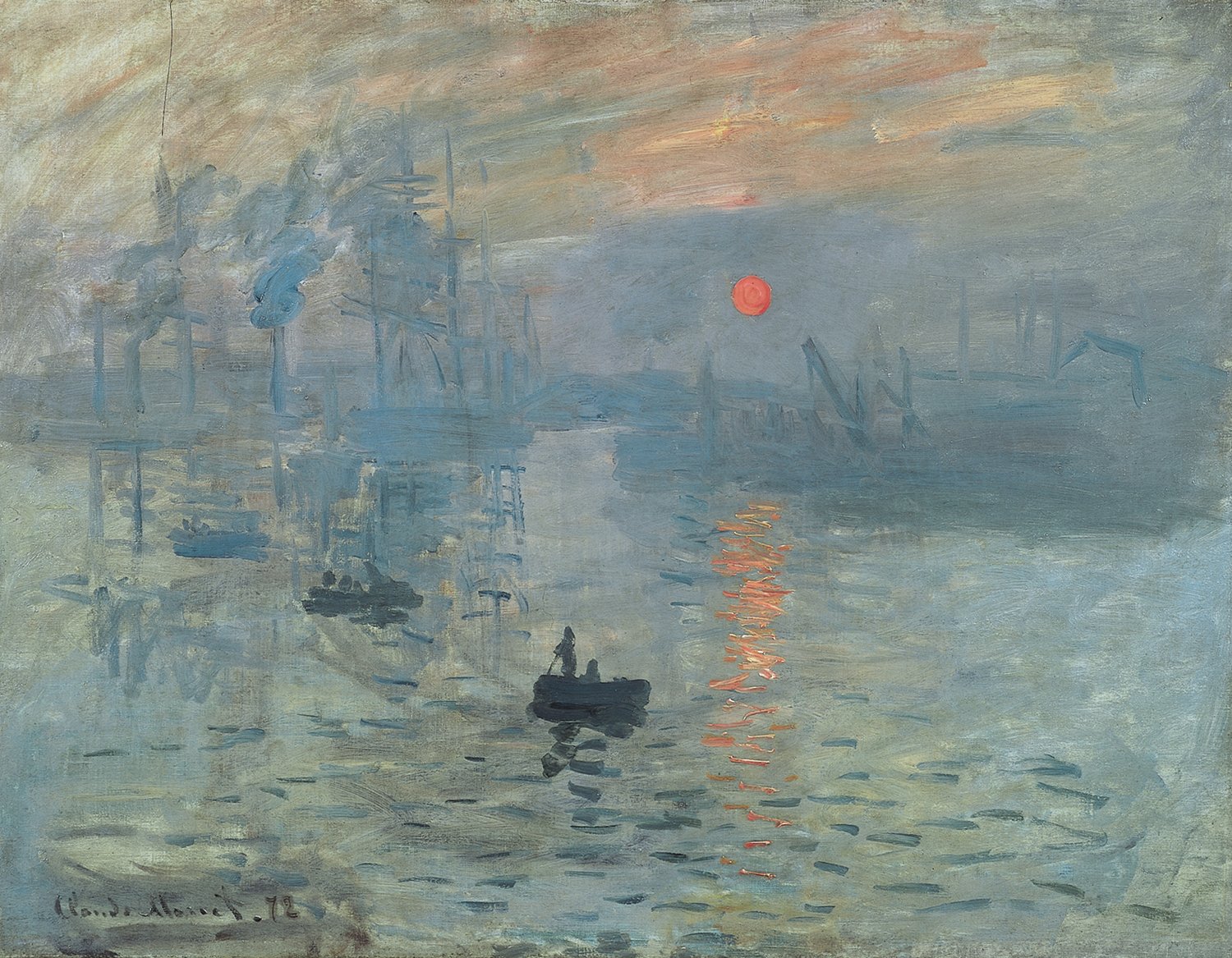
Sunrise is a hard thing to write down. It has no rhythm, no melody, and nothing actually happens in it — the light just gets stronger until you notice it has. Composers have been solving that problem for 260 years, and the solutions are more mechanical than you’d expect: hold one note underneath, let a line climb over the top, and make the orchestra thicker one desk at a time.
What follows is ten pieces that genuinely sound like morning, ordered from the one everybody names first to the one nobody sees coming. For each, I’ve named the exact passage and the device doing the work, because a vague sense of calm is not a reason and doesn’t help you find the next piece you’ll love. And the single most famous morning piece in the repertoire is not set where you think it is.
The four ways an orchestra makes the sun come up
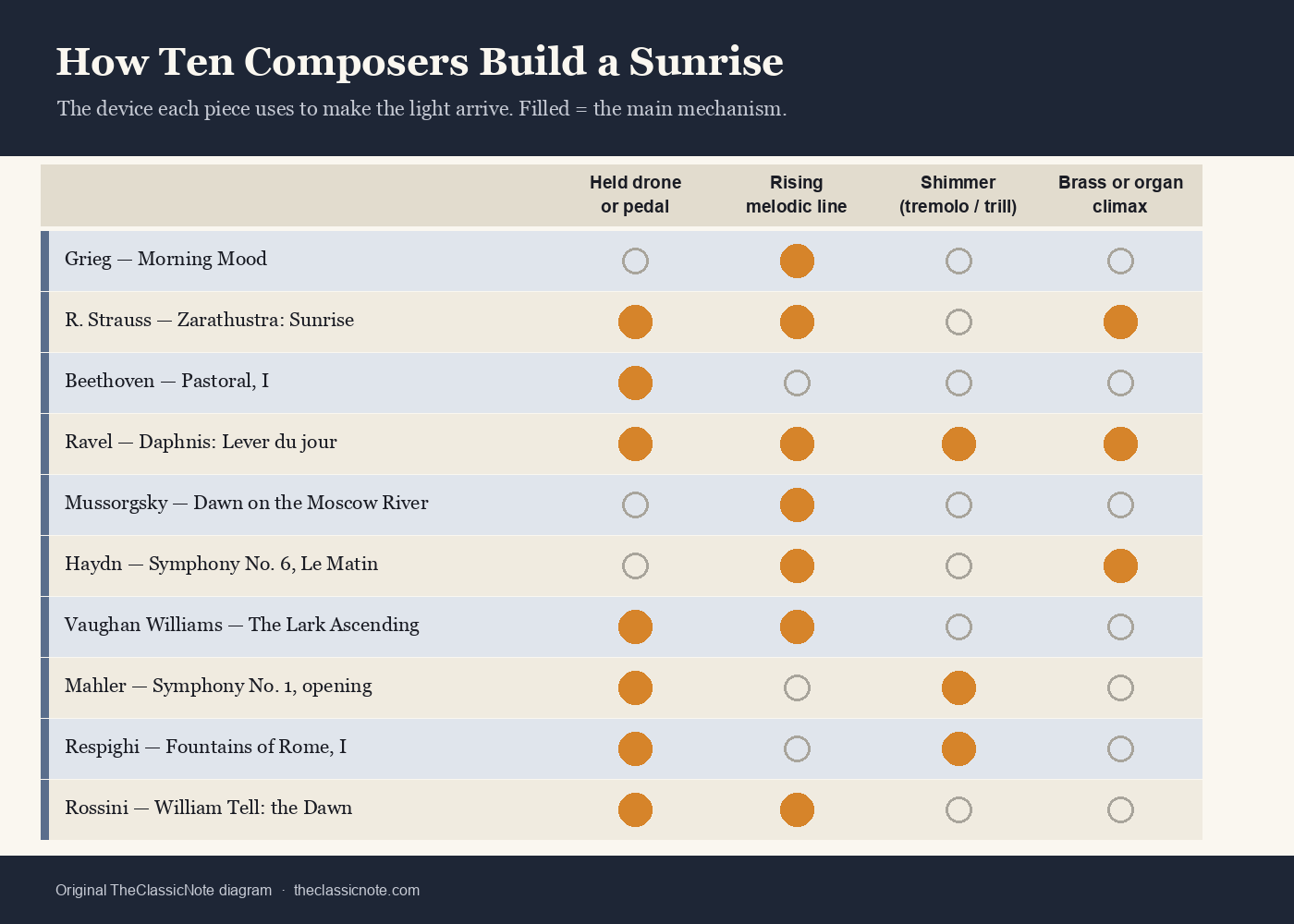
Strip these pieces down and almost all of them use some combination of four devices. A held drone or pedal — one bass note that refuses to move, so nothing feels urgent and the harmony above it can’t go anywhere. A rising melodic line, usually stepwise or pentatonic, that keeps returning to the bottom and climbing again, which is what makes light feel gradual rather than switched on. Shimmer: tremolo strings, trills, harp, celesta — high-frequency motion that reads as air and dust rather than as notes. And a brass or organ climax, for composers who want the sun to actually break rather than seep.
The mix tells you what kind of morning you’re getting. Drone plus shimmer, no brass, is dawn before anyone’s awake. Rising line plus a big brass arrival is the sun hitting the roof. Here is how the ten below divide up.
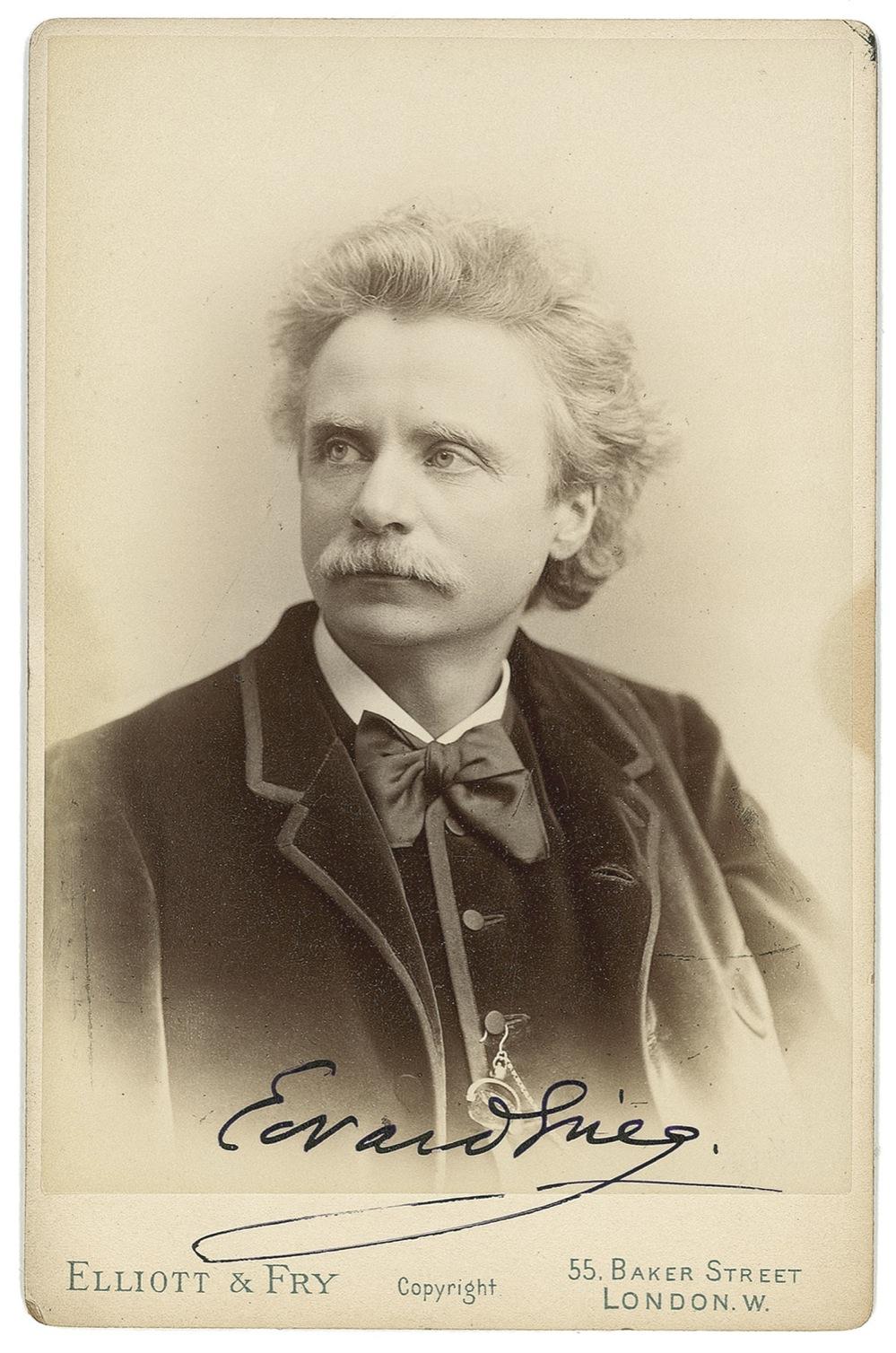
1. Edvard Grieg — “Morning Mood” from Peer Gynt Suite No. 1
The passage: the first forty seconds. Flute plays a six-note tune, oboe answers it a step lower, and the two keep swapping while the strings underneath do almost nothing.
The device: the melody is built almost entirely on a pentatonic shape — the notes of the black keys, transposed — which has no leading tone and therefore no pull toward a resolution. It can rotate forever without sounding unfinished. Grieg then hands it to a higher instrument each time round and adds one more string desk underneath, so the volume grows without the harmony ever changing. That’s the whole trick, and it is the cleanest execution of a sunrise anyone has managed.
The thing nobody tells you: it isn’t Norway. In Ibsen’s play, this music opens Act IV, where Peer wakes up stranded in the Moroccan desert. Grieg was writing a North African sunrise. The Norwegian fjord that everyone pictures — mist, pine, cold water — was supplied entirely by listeners, and the piece has been misread so consistently for 150 years that the misreading is now the standard meaning.
🎧 Also on: Apple Music · Spotify
2. Richard Strauss — “Sunrise” from Also sprach Zarathustra
The passage: the first ninety seconds, the part attached forever to 2001: A Space Odyssey. Strauss titled it “Sunrise” in his own programme notes, so this is one of the few entries here where the composer left no room for argument.
The device: maximum contrast between floor and ceiling. It begins with a single low C in double basses, contrabassoon, organ and bass drum — a drone you feel more than hear. The trumpets then spell out the barest possible melodic skeleton, C to G to C, and the orchestra answers with a full chord, first minor, then major, three times, each louder than the last. That major-minor flip is doing the emotional work: minor is the world before, major is the world after, and the organ underneath never lets go of the pedal note.
It premiered in Frankfurt on 27 November 1896 with Strauss conducting. Play it on real speakers rather than a phone — the entire effect lives in a frequency band a phone speaker physically cannot produce, which is why it sounds thin and slightly silly on laptops.
🎧 Also on: Apple Music · Spotify
3. Beethoven — Symphony No. 6 “Pastoral”, first movement
The passage: from the opening bar through roughly the first two minutes. Beethoven’s own title for the movement translates as “Awakening of cheerful feelings upon arrival in the countryside”.
The device: deliberate harmonic stillness. Beethoven takes a scrap of a tune, four notes long, and repeats it over a sustained bass that barely shifts for bars at a time. In the Fifth Symphony a four-note cell is a threat that develops; here the same technique produces the opposite feeling, because nothing is allowed to modulate. There is no crescendo to a sunrise and no climax. It’s the sound of light that arrived a while ago and a morning with nothing scheduled.
The Sixth was premiered on 22 December 1808 at the Theater an der Wien, in the same under-rehearsed four-hour concert that gave the public the Fifth Symphony, the Fourth Piano Concerto and the Choral Fantasy. If you want unhurried morning music that doesn’t put you back to sleep, start here rather than with anything on a “relaxing classical” playlist.
▶ Listen on YouTube · Apple Music · Spotify
4. Ravel — “Lever du jour” from Daphnis et Chloé
The passage: the opening of Part 3, which is also how Suite No. 2 begins. Around five minutes of continuous sunrise, and the most detailed one ever orchestrated.
The device: all four mechanisms at once, layered. Divided strings, flutes, harps and celesta run endless rippling arpeggios — Ravel’s stage direction is a brook, and birds — while a slow, wide melody climbs in the low strings underneath, and the wind writing gradually adds instruments until the whole orchestra crests together. From inside a string section, those arpeggios are strange to play: they are a wall of fast notes in which no single line is ever meant to be heard. You are producing texture, not melody, and the moment an individual player becomes audible the effect collapses into scales. That anonymity is exactly what makes it sound like air rather than notes.
The ballet premiered on 8 June 1912 at the Théâtre du Châtelet in Paris, staged by Diaghilev’s Ballets Russes. If you only listen to one thing on this page, make it this.
▶ Listen on YouTube · Apple Music · Spotify
5. Mussorgsky — “Dawn on the Moscow River”, prelude to Khovanshchina
The passage: the whole prelude, about five and a half minutes, and specifically the way the same tune keeps coming back dressed differently.
The device: variation by re-scoring rather than by modulation. A plain modal folk melody is stated by a solo woodwind, then handed around the orchestra, each time with a slightly fuller harmonisation and a slightly warmer sound, with bells added near the end. The melody never develops. Only the light on it changes — which is a far better description of what dawn actually does than any rising scale.
Mussorgsky died in 1881 leaving Khovanshchina unfinished; Nikolai Rimsky-Korsakov completed and orchestrated it, and that version reached the stage in St Petersburg on 21 February 1886. This is also the piece on the list with the most anxiety in it — the opera it introduces is about a massacre — so the serenity has an edge that Grieg’s doesn’t.
▶ Listen on YouTube · Apple Music · Spotify
6. Haydn — Symphony No. 6 in D major, “Le Matin”
The passage: the six-bar slow introduction, before the Allegro starts. Six bars is all of it.
The device: a bare orchestral crescendo, which in 1761 was close to a special effect. It starts with first violins alone at the quietest dynamic and grows to the full band at full volume in the space of a few seconds. No drone, no shimmer, nothing to hide behind — just more players joining, higher and louder, until the sun is up and the symphony proper can begin.
Haydn wrote it in 1761 for Prince Paul Anton Esterházy, shortly after taking the job, as the first of a set of three depicting morning, midday and evening. It’s the oldest sunrise on this list and the most literal, and its brevity is the point: everyone after Haydn took longer to do the same thing.
▶ Listen on YouTube · Apple Music · Spotify
7. Vaughan Williams — The Lark Ascending
The passage: the solo violin’s first entry, roughly the first minute and a half, and the matching cadenza at the end.
The device: rhythmic weightlessness. The violin’s opening is written without a fixed pulse over a sustained, unmoving chord in the orchestra, using a pentatonic scale that has no strong pull in any direction. Nothing tells you where the beat is, so the line doesn’t seem to be travelling — it hovers. This is morning as empty air and distance rather than as sunrise, which is why it works as the sound of a field at 6am and doesn’t work at all as an alarm clock.
The version with orchestra was first performed on 14 June 1921 at Queen’s Hall in London, with Marie Hall as soloist and Adrian Boult conducting.
▶ Listen on YouTube · Apple Music · Spotify
8. Mahler — Symphony No. 1, opening
The passage: the first three minutes, before the cellos start the walking tune.
The device: a drone taken to an extreme. Mahler spreads a single note, A, across nearly the entire string section — seven octaves of it, the top played as harmonics, which produces a thin whistling sound with no vibrato and almost no body. His marking for the movement is “Wie ein Naturlaut”: like a sound of nature. Over that, fragments arrive from a distance — clarinet calls, offstage trumpets, a cuckoo figure in falling fourths — and none of them connect to each other yet.
Holding that harmonic is a genuinely uncomfortable job from the stand: bow speed has to stay dead even for pages, and any pressure at all turns the note into an audible squeak. Whole string sections have to agree to sound like almost nothing. The symphony was first performed in Budapest on 20 November 1889 with Mahler conducting.
▶ Listen on YouTube · Apple Music · Spotify
9. Respighi — “The Fountain of Valle Giulia at Dawn” from Fountains of Rome
The passage: the first three minutes of the work, before the horns announce the Triton fountain.
The device: shimmer with the sun deliberately left out. Muted strings and harp make a soft, blurred surface while an oboe plays a pastoral tune coloured by modal intervals, and Respighi keeps the whole thing at low volume and low contrast. His own note describes cattle passing and disappearing into damp Roman mist. There is no arrival and no climax — this is the twenty minutes before sunrise, when the sky is grey and light but there’s no sun in it yet, and no other piece on this list captures that particular hour.
Fountains of Rome was premiered at the Teatro Augusteo in Rome on 11 March 1917 under Antonio Guarnieri, to a cool reception; a performance conducted by Arturo Toscanini the following year is generally credited with rescuing its reputation.
▶ Listen on YouTube · Apple Music · Spotify
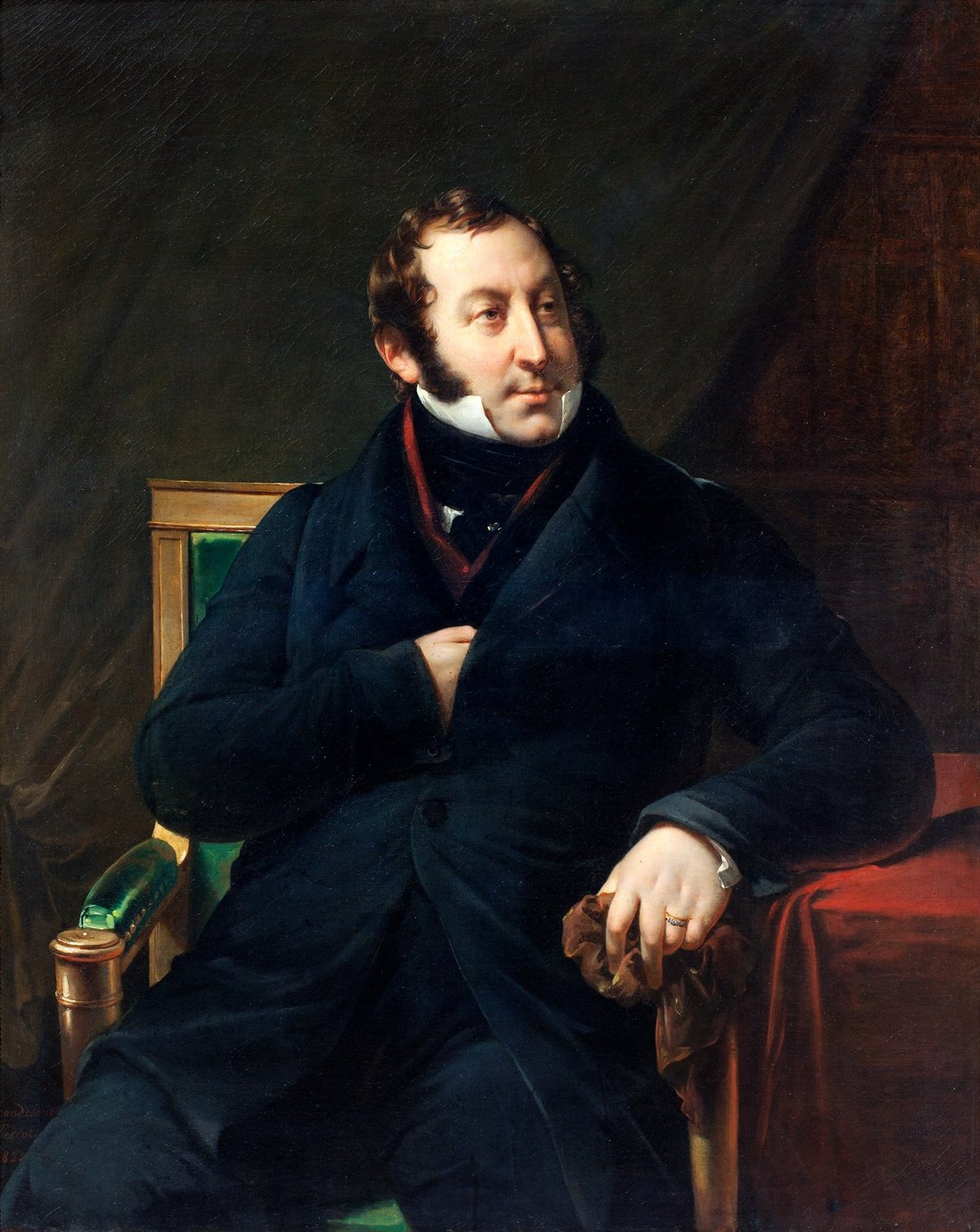
10. Rossini — the opening of the William Tell Overture
The passage: the first three minutes. Not the gallop. If your only exposure to this overture is the cavalry charge in the last two and a half minutes, you have never heard the piece.
The device: chamber scoring inside an opera overture. Rossini opens with five solo cellos and double basses — no violins, no winds — in a quiet E major, one cello singing a long line and the others answering underneath. It is the smallest sound in this entire article and the least famous three minutes of an extremely famous piece. Rossini labelled the section as dawn; the storm and the sunrise-after-storm that follow are the rest of the sequence, and the gallop everyone knows is the finale of a four-part scene, not the overture.
Guillaume Tell premiered at the Paris Opéra on 3 August 1829 and was Rossini’s last opera; he wrote no more for the stage in the remaining thirty-nine years of his life. Put this on at 6am rather than at the gym, and it becomes a completely different piece of music.
🎧 Also on: Apple Music · Spotify
What to do with this list
If you want one piece to put on tomorrow at 7am, take the Ravel. It has the longest continuous build of anything here, it never demands attention, and it rewards you if you give it some anyway. If you want the opposite — music that’s already awake and won’t drag you back under — the Beethoven and the Haydn are the two that carry actual energy without a climax that makes you jump.
And if the mechanism is what interested you rather than the mood, the same four devices run in reverse for the other end of the day. Our guide to classical music for sleep is essentially this article with the brass climaxes removed, and Beethoven for studying covers what happens when you need music that stays out of the way for three hours. If you liked how mechanical this got, classical music that sounds like metal takes the same approach in the loudest possible direction.