- Composer
- Edward Elgar
(1857–1934) - Work
- Variations on an Original Theme (Enigma), Op. 36
- Composed
- 1898–1899
- Movements
- Theme + 14 variations
Theme — Andante
I. C.A.E.
II. H.D.S-P.
III. R.B.T.
IV. W.M.B.
V. R.P.A.
VI. Ysobel
VII. Troyte
VIII. W.N.
IX. Nimrod
X. Dorabella
XI. G.R.S.
XII. B.G.N.
XIII. *** (Romanza)
XIV. E.D.U. (Finale) - Scoring
- 2 Fl, 2 Ob, 2 Cl, 2 Bsn / 4 Hn, 3 Tp, 3 Tb, Tuba / Timpani, percussion / Organ / Strings
- Premiere
- 19 June 1899, St James’s Hall, London
Hans Richter, conductor - Duration
- about thirty minutes
- Dedication
- “To my friends pictured within”
Most program notes hand you the same tidy sentence: Elgar wrote fourteen variations, each a musical portrait of a friend. True, and almost useless. What Elgar actually built is closer to a group chat where everyone gets roasted — except the roasts are scored for full orchestra. One variation freezes a friend’s finger-warmup ritual into a minute of music. One is a dog falling into a river. One imitates a woman’s stutter, and she reportedly attended performances of it for years without realizing the joke was on her.
And stamped across the front of the whole thing is one word Elgar chose himself: Enigma. He announced that a riddle was hidden inside, dropped one maddening clue, and then died without ever explaining it. A century of scholars have tried to crack it. Their answers range from Auld Lang Syne to the number pi. They cannot all be right. This is a guide to what the piece actually is, what to listen for, and which recording to start with — and yes, we will get to the riddle.
The Hour That Rerouted English Music
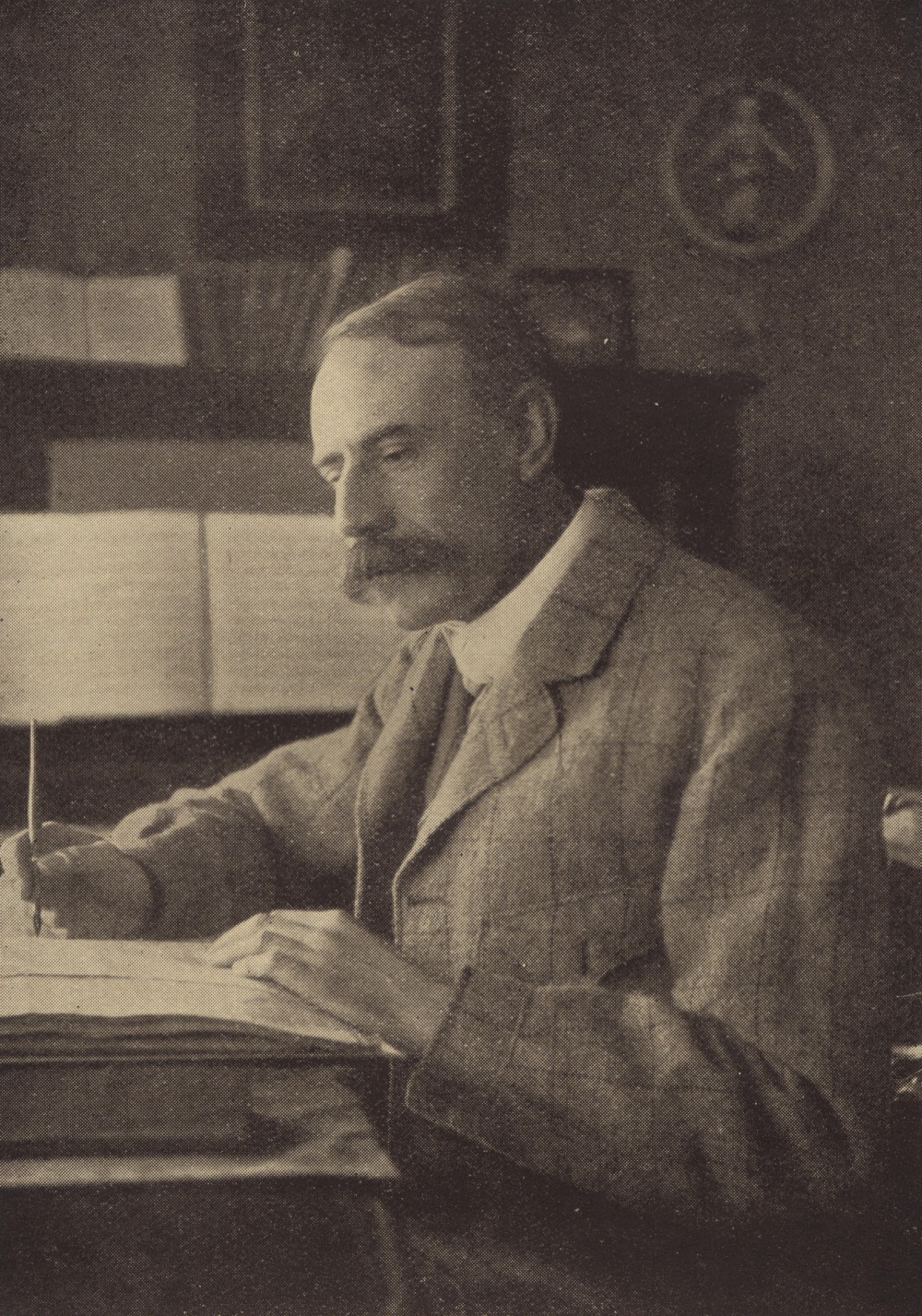
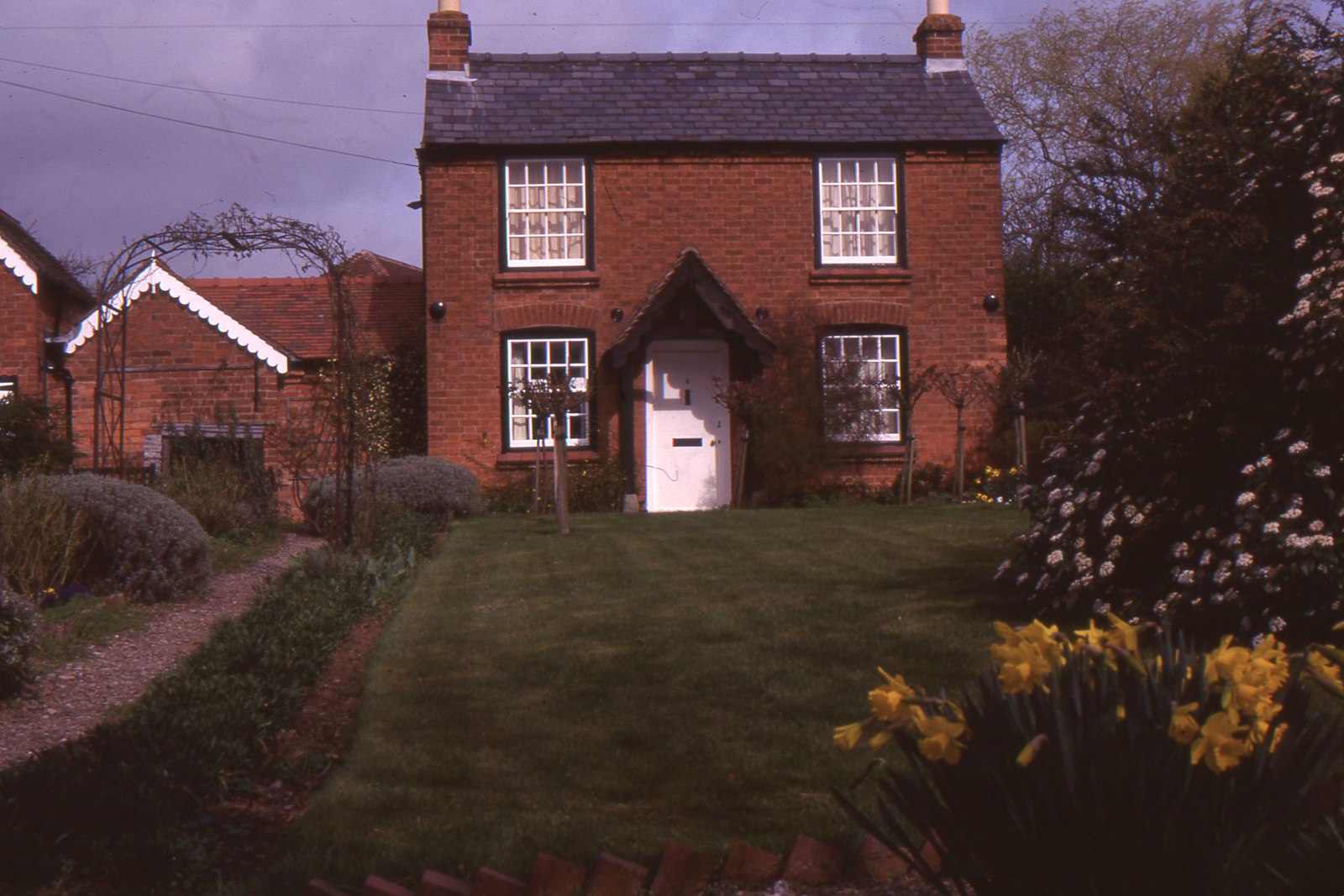
To understand why this piece matters, you have to know how unlikely its composer was. Between 1879 and 1884 Elgar was bandmaster of the attendants’ band at the Powick County Asylum outside Worcester, on a salary of about thirty pounds a year, turning out polkas and quadrilles for the staff dances. He was Roman Catholic in an Anglican musical establishment, had no conservatory training, and made his living for years teaching violin to schoolchildren. The person who bet on him anyway was Caroline Alice Roberts, an army general’s daughter who married beneath her class to do it. She is the “C.A.E.” of Variation I — the piece literally opens with a portrait of the woman who made it possible.
The theme itself arrived by accident. One evening in 1898 Elgar was improvising at the piano after a long day of teaching, and Alice liked what she heard. He started shaping the tune, then began imagining how each of his friends might have played it — and the skeleton of the variations fell into place in a single sitting. That accident had consequences far beyond Worcester. The Enigma Variations had its first performance on 19 June 1899 at St James’s Hall in London, conducted by Hans Richter, and it made Elgar suddenly national. Within a few years his reputation had crossed the Channel: in 1902 Richard Strauss, then the most famous composer alive, raised a toast to Elgar as “the first English progressive musician.” No English composer had commanded that kind of Continental respect for generations.
Elgar wasn’t quite finished with it. He soon expanded the last variation and added an organ part to give the finale more weight; that revised version was first heard at the Worcester Three Choirs Festival in 1899, and it is the one you hear today.
What to Listen For: Fourteen Friends, Caught in the Act
Here is the frame that unlocks the piece: don’t listen for beautiful variations. Listen for behavior. Elgar took a specific habit, tic, or private catastrophe from each friend and encoded it into the orchestration. Once you know that, half the piece stops being abstract and starts being funny. Four of the clearest:
- Variation II (H.D.S-P.) — the pianist Hew Steuart-Powell ran the same chromatic finger-warmup before every chamber concert. The whole variation is that warm-up: a restless, running semiquaver figure that never quite settles, like someone loosening their hands before the real music starts.
- Variation IV (W.M.B.) — a country squire with a habit of leaving the room abruptly. It is the shortest variation in the set, and it ends on a blunt, hard accent. That final chord is the door slamming.
- Variation X (Dorabella) — Dora Penny had a light hesitation in her speech, and the gently fluttering, catching woodwind figure that opens the variation mimics it. It is affectionate rather than cruel, but it is unmistakably a portrait of how she talked.
- Variation XI (G.R.S.) — nominally the Gloucester organist George Sinclair, but really about his bulldog Dan, who once tumbled down the bank into the River Wye, paddled to safety, and barked. The first bar is the splash; the scrambling passage is the swim; the bark is the finish. A future Master of the King’s Music gave one of fourteen slots to a wet dog.
The mechanism to notice is that Elgar rarely “describes” anything with a melody. He does it with rhythm and texture — the nervous repeated figure, the abrupt accent, the woodwind stammer. That is why the portraits land even if you never read the story behind them: the character is baked into how the notes move, not into a tune you’re told to admire.
Nimrod: The Variation That Became a Nation’s Grief
Variation IX, Nimrod, is the one you have already heard, whether you know it or not. It is played at British remembrance services, state funerals, and Olympic ceremonies, and it was played at the 1997 funeral of Diana, Princess of Wales. It has become the country’s default music for public grief. What almost no one mentions is that it did not start as an elegy at all.
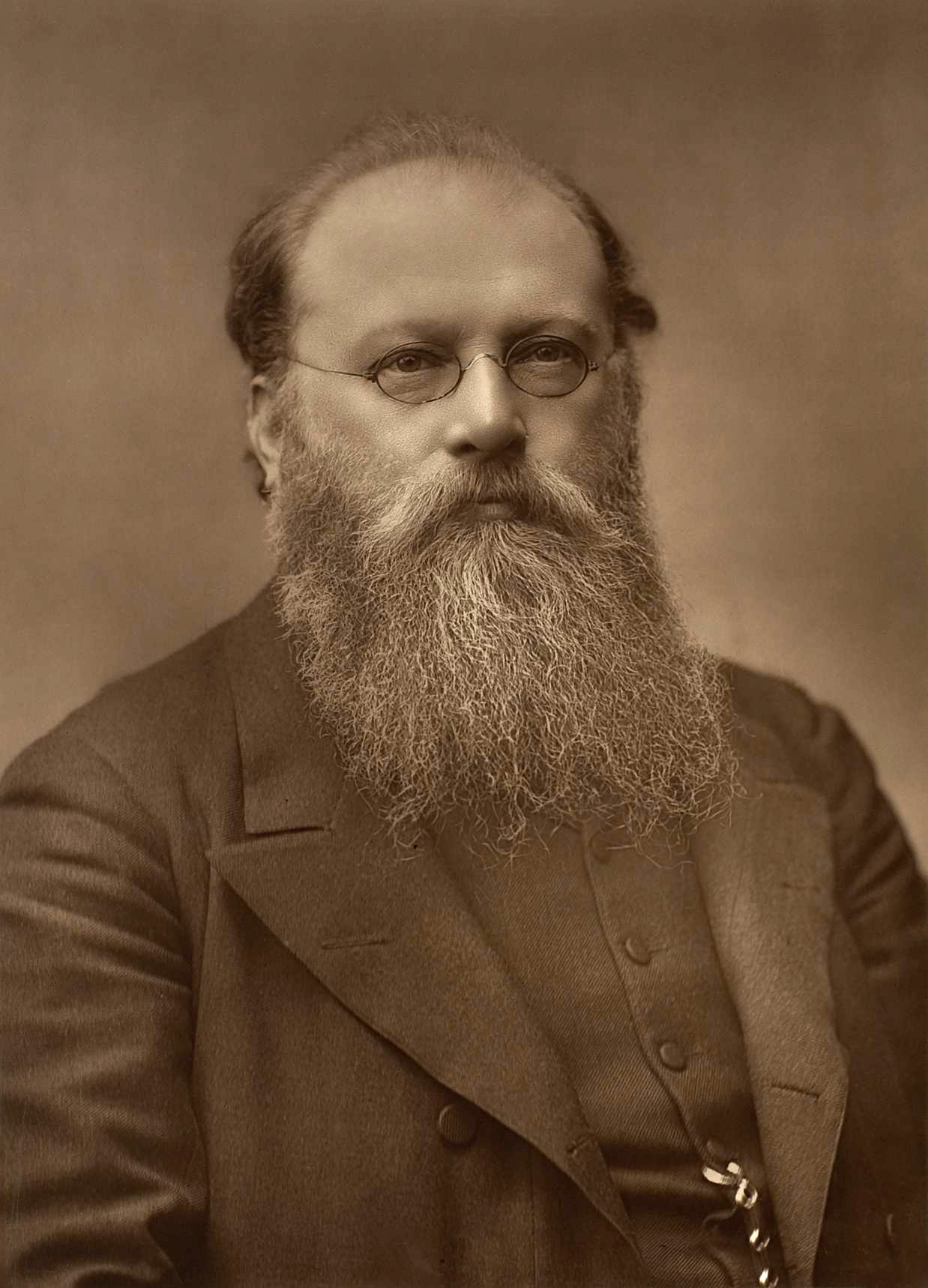
Nimrod is a portrait of August Jaeger, Elgar’s publisher, editor, and closest professional friend. The title is a bilingual pun: Jäger is German for “hunter,” and Nimrod is the mighty hunter of the Book of Genesis. But the music underneath the pun is a real memory. During a black patch when Elgar was ready to quit composing, Jaeger talked him out of it — and reminded him that Beethoven had gone on writing through far worse. Elgar built the variation’s opening to echo the slow movement of Beethoven’s Pathétique Sonata. He was explicit about it, telling Dora Penny the resemblance was “Only a hint, not a quotation.” So the melody everyone now treats as pure sorrow began as a coded thank-you to the man who told him to keep going. Jaeger died in 1909, and the piece slowly absorbed the grief of losing him.
The practical listening tip: Nimrod is a single long crescendo built from one rising phrase that keeps climbing and folding back on itself. There is no drama, no contrasting section, no clever development — just the line growing. That restraint is exactly why it works at funerals. It never tells you how to feel; it just swells and lets you fill it.
The Three Asterisks
Every variation carries initials or a nickname except one. Variation XIII is marked only with three asterisks and the subtitle Romanza. Officially, the stars stand for Lady Mary Lygon, a local patron who was away on a sea voyage when the piece was written — which is why the clarinet quietly quotes Mendelssohn’s concert overture Calm Sea and Prosperous Voyage over a soft throb in the timpani meant to suggest a ship’s engines.
That is the tidy version. A rival reading, taken seriously by many Elgar scholars, holds that the real subject is Helen Weaver — a woman Elgar had been engaged to years earlier, before she broke it off and emigrated. This remains disputed; the documentary evidence is circumstantial, and Elgar left no confession either way. But it is at least a good story about a great one: in a piece built around his friends and opening with his wife, the single unnamed, redacted variation may point to the person he lost. You do not need to settle the argument to hear that Variation XIII sounds different from everything around it — more veiled, more private, like something being remembered rather than described.
The Riddle Nobody Has Solved
Now the part that has kept musicologists arguing for a hundred years. Elgar didn’t just write a set of variations; he insisted there was a puzzle inside them. In the programme note for the 1899 premiere — written by Charles A. Barry from Elgar’s own remarks — audiences were told that over the whole set “another and larger theme goes, but is not played,” and that “the principal Theme never appears.” In other words: there is a famous tune hovering above the whole work that fits it in counterpoint but is never actually sounded. Find that tune, and you have solved the Enigma.
People have been trying ever since, and the proposed answers are a comedy of confident disagreement: Auld Lang Syne, Rule, Britannia!, God Save the Queen, Bach’s chorale Ein feste Burg, Mozart’s Requiem, and — genuinely — the number pi, encoded as pitches. Each has been advanced by a serious person in a serious book or paper. Elgar himself shot down the most popular guess while he was alive, saying flatly that Auld Lang Syne “won’t do.”
When a hundred years of clever people produce answers ranging from a folk song to an irrational number, it is worth asking whether the question was ever honest. A growing camp thinks the “hidden theme” may be a metaphor — friendship, or silence, or Elgar himself — rather than a specific melody, and some suspect there was never a single answer to give. Elgar was, after all, the same man who once sent Dora Penny a letter written entirely in an invented cipher that no one has convincingly cracked to this day. Once is a riddle. Twice is a personality. When she asked him for the solution to the Variations directly, he only replied that she, of all people, should have been able to guess it — which is not the tone of a man holding an answer he intends to share.
How to Listen: Start With Four Minutes
Thirty minutes is a lot to ask of a first encounter, and you don’t have to. The variations are self-contained enough that cherry-picking works. Here is a sane path in.
- First pass: just Nimrod — four minutes. If it does nothing for you, the piece may not be your thing — but it usually does something.
- Second pass: Variation I (C.A.E., the wife) → Nimrod (the friend) → Variation XIV (E.D.U., the self-portrait). A short sequence, and now you have the three people the whole work is really about.
- Third pass: the complete Theme and fourteen variations. From here, play the guessing game — in each variation, try to work out what the friend’s habit must have been. Half the piece opens up that way.
One reward worth waiting for: the finale, E.D.U. (Elgar’s own nickname), quotes both Alice’s theme and Nimrod inside itself. In his self-portrait, Elgar writes his wife and his best friend into his own music — a quiet way of saying he was made of the two of them. Catching those returns in the last few minutes is the cleanest possible exit from the piece.
Recordings Worth Owning
The main fault line between recordings is Nimrod’s tempo, and it is not a small thing. Take it broad and slow and the variation becomes a memorial. Take it flowing and it becomes a conversation between two friends — which is what it originally was. That single choice tells you what a conductor thinks the piece is.
Adrian Boult / London Symphony Orchestra / 1970 / EMI. My default recommendation. Boult knew Elgar, championed the music for decades, and takes Nimrod at a moving but unsentimental pace — close to how Elgar conducted it himself, and refreshingly free of the funeral-piece reflex that set in after 1997. The whole set is clear-headed and beautifully balanced. If you buy one, buy this.
John Barbirolli / Philharmonia Orchestra / 1962 / EMI. The one to get if you want warmth over restraint. Barbirolli had played in orchestras under Elgar’s baton, and he leans into the songfulness of the string writing, giving each portrait a rounder, more affectionate interior. Nimrod is slower and more openly emotional than Boult’s. Some will find it indulgent; many will find it irresistible.
Edward Elgar / Royal Albert Hall Orchestra / 1926 / HMV. The historical reference. Elgar was one of the first composers to take the gramophone seriously, and he recorded his own Enigma electrically in 1926. The sound is dated, but the tempos are bracing — brisker and less weepy than modern habit — and it is the single best corrective to the idea that this music is meant to be slow and mournful throughout. Hear it once and you listen to everyone else differently.
For a companion piece on how a work’s emotional meaning gets fixed by later events, see our guide to Tchaikovsky’s Pathétique Symphony, and for another famous case of stubborn myths outliving the facts, our piece on Beethoven’s Fifth Symphony.
Frequently Asked Questions
What is the “enigma” in Elgar’s Enigma Variations?
Do I have to listen to the whole thing, or just Nimrod?
Why is Nimrod played at funerals and remembrance services?
Which recording of the Enigma Variations should I buy first?
Who is the “***” in Variation XIII?
Further Listening
- Beethoven, Piano Sonata No. 8 Pathétique, Op. 13 — the slow movement Nimrod quietly echoes.
- Mendelssohn, Calm Sea and Prosperous Voyage, Op. 27 — the source of the quotation hidden in Variation XIII.
- Holst, The Planets — the other cornerstone of English orchestral music; see our guide to the best recordings of The Planets.