A wedding ceremony is really three short pieces of theatre stitched together: the walk in, the still moment in the middle, and the walk out. The music’s whole job is to mark those three beats without stepping on the vows — and most “wedding playlist” lists ignore that entirely, dumping forty tracks in a heap. Here’s a shorter, sequenced set that actually maps to the ceremony, with the pieces everyone expects and a few they won’t.
If you read nothing else, start here:
| Moment | Piece | Why it fits | Listen |
|---|---|---|---|
| Guests seating (prelude) | Bach — Air on the G String | Calm, unhurried, loops without a climax | ▶ Air on the G String |
| Wedding party enters | Handel — Arrival of the Queen of Sheba | Bright, quick-stepped, built for a procession | ▶ Arrival of the Queen |
| Bride’s entrance | Pachelbel — Canon in D or Wagner — Bridal Chorus | Steady tread; both time out to a slow walk | ▶ Canon in D · ▶ Bridal Chorus |
| Signing / interlude | Marcello — Oboe Concerto, Adagio | Quiet, aching, fills three minutes with no vocal to distract | ▶ Oboe Concerto |
| The exit (recessional) | Mendelssohn — Wedding March or Widor — Toccata | Loud, joyful, sends everyone out grinning | ▶ Wedding March · ▶ Toccata |
That five-line version will serve a whole ceremony. The rest of this piece is the why, the alternates, and the practical timing — because the difference between a good ceremony soundtrack and a forgettable one is almost never the pieces. It’s whether they’re cued to the right thirty seconds.
Prelude: music for guests finding their seats
Before anyone processes, you have five to fifteen minutes of people shuffling into pews and hunting for their name cards. This is background music in the honest sense — it should fill the room warmly and never demand attention. Two pieces do this better than anything.
Bach — Air (from Orchestral Suite No. 3 in D, BWV 1068)
You know it as “Air on the G String,” a title that belongs not to Bach but to the violinist August Wilhelmj, who in the 1870s arranged the melody down a register so it sits entirely on a violin’s lowest string. Bach’s original is just the second movement of his third orchestral suite. It’s the ideal prelude because it goes nowhere in a hurry: a long, arching melody over a walking bass, no sudden loud moment to make a latecomer flinch. Let it loop.
Handel — Arrival of the Queen of Sheba (from Solomon)
Handel wrote this as the sinfonia that opens Act 3 of his oratorio Solomon, HWV 67, first performed at Covent Garden on 17 March 1749. It’s a bustle of chattering oboes over quick strings, and the moment it starts, a room straightens up. This is the one to bring the wedding party in on — the pace is a natural quick-march, so bridesmaids and groomsmen won’t have to invent an awkward slow-motion glide. Bright without being pompous; it earned a spot at the 2012 London Olympics opening ceremony for exactly that reason.
The processional: walking down the aisle
Here’s the pick people search for, and skipping it would be silly:
Pachelbel — Canon in D
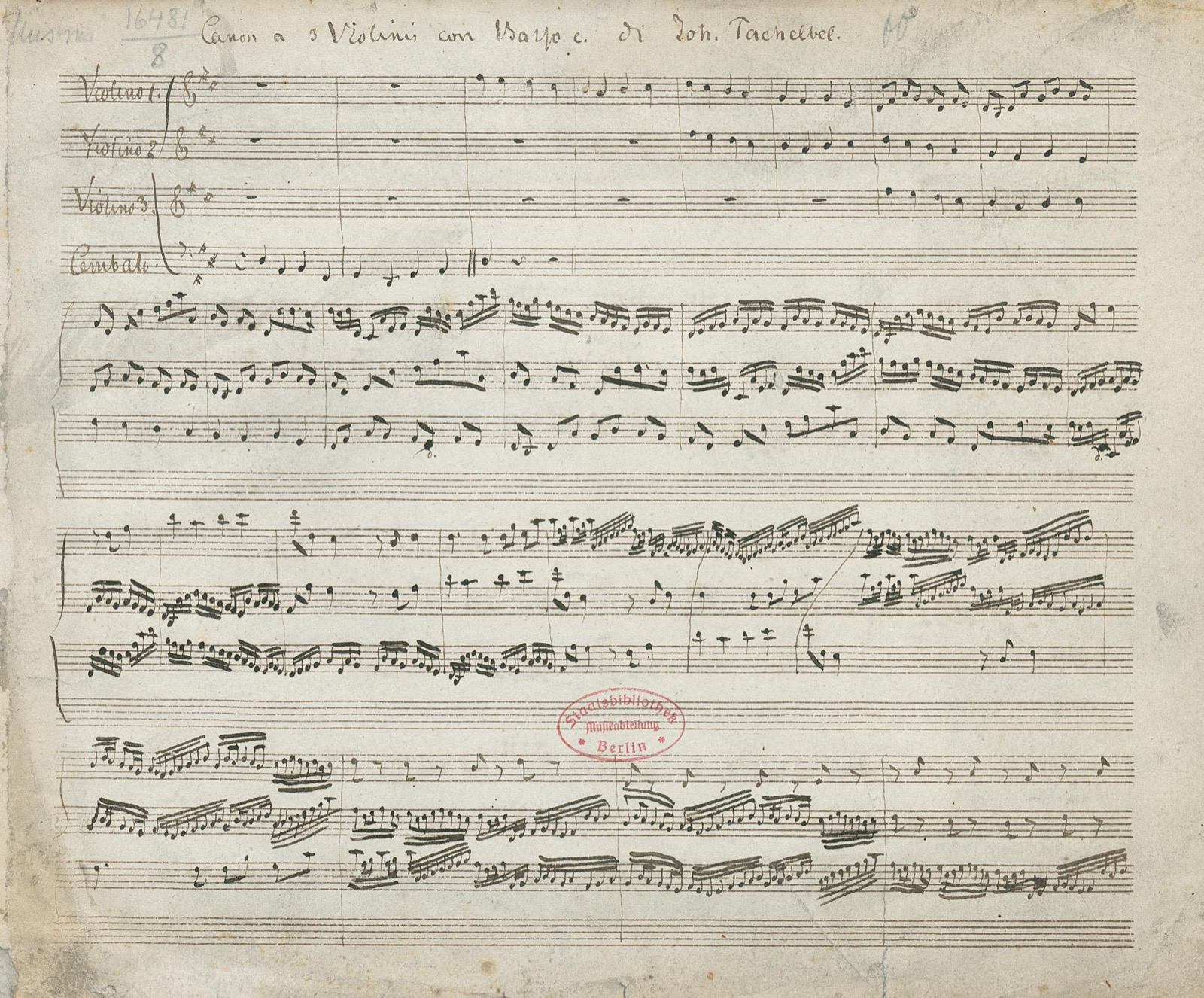
The most requested wedding piece on earth, and it almost didn’t survive. Pachelbel wrote it sometime around 1680–1700, it sat in near-total obscurity for two and a half centuries, and it only became famous after the Jean-François Paillard chamber orchestra recorded it in 1968 on the Erato label — slower than Pachelbel likely intended, in a lush Romantic style, with added decorative lines Paillard wrote himself. That recording is the reason your grandmother knows the tune. As a processional it’s close to perfect: the ground bass repeats every few seconds, so a coordinator can start the bride whenever she’s ready and the music will still make sense. For a period-instrument version that restores its Baroque spring rather than syrup, this one is my pick:
Wagner — Bridal Chorus (“Here Comes the Bride”)
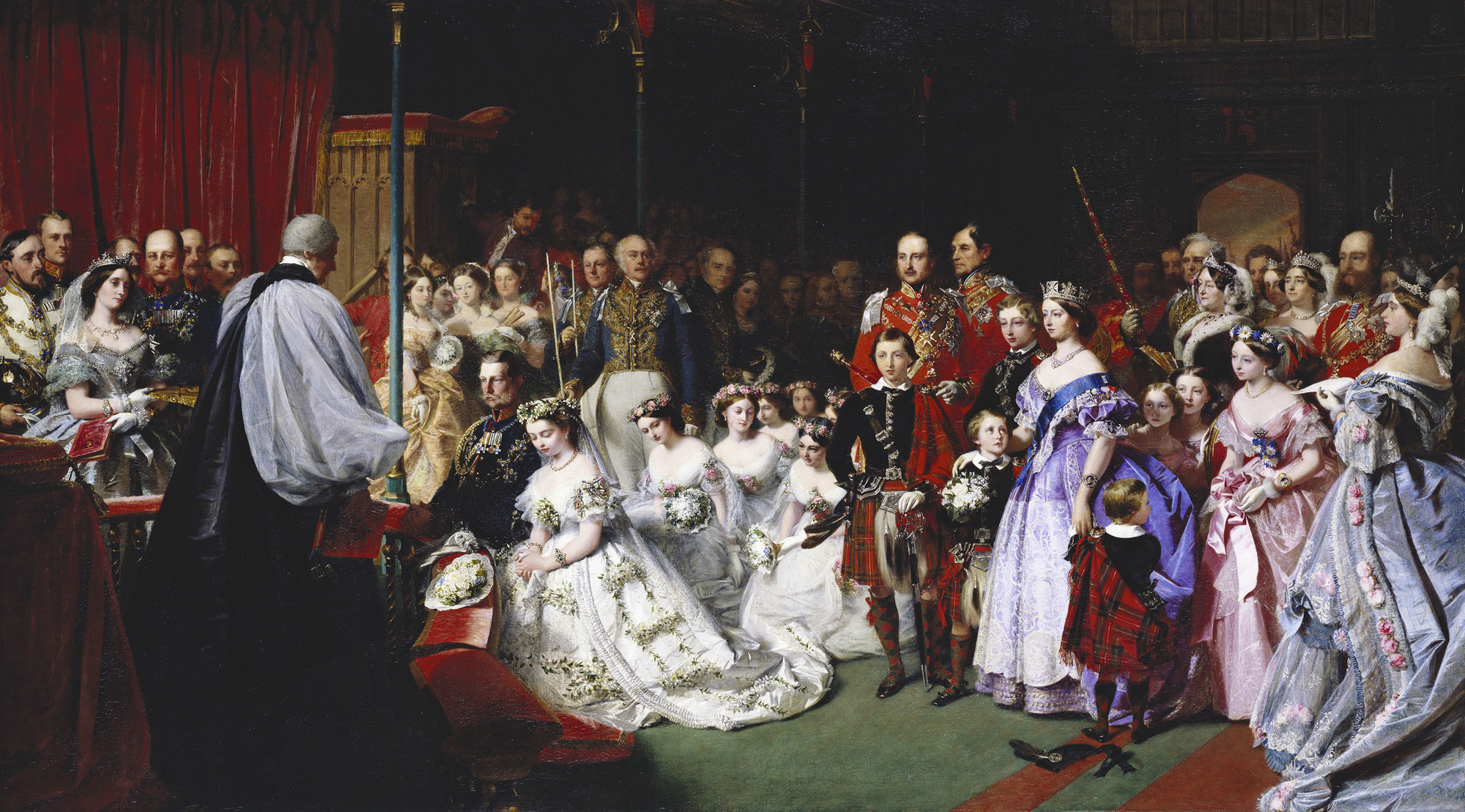
The other default. It comes from Wagner’s opera Lohengrin, premiered in Weimar on 28 August 1850 under Franz Liszt, and the “Here Comes the Bride” nickname only stuck after a 1915 silent film. Its wedding career began at a very specific event: the 1858 marriage of Victoria, the Princess Royal — Queen Victoria’s eldest daughter — to Prince Frederick William of Prussia, where it served as the processional. That’s the painting at the top of this article. Musically it’s a slow, dignified tread that suits a solo entrance. One honest caveat: in the opera, the marriage it accompanies falls apart within the hour, and some churches decline it on religious grounds. Nobody at your ceremony will be thinking about the plot — but if you want a spotless pedigree, the Canon is cleaner.
Clarke — Prince of Denmark’s March (“Trumpet Voluntary”)
If you want brass and ceremony without the Wagner baggage, this is the one. Jeremiah Clarke, an organist at St Paul’s Cathedral, wrote it around 1700. For most of the twentieth century it was published and recorded under Henry Purcell’s name — a misattribution that traces to an 1870s organ arrangement and got cemented by early recordings — before being correctly restored to Clarke. It’s a short, blazing fanfare tune: regal, uncomplicated, and unmistakably a “here comes someone important” sound. Pair it with a live trumpeter if the budget allows; it’s written for exactly that.
The still center: signing and quiet interludes
Somewhere in the middle — the register signing, a unity candle, a reading — you need two or three minutes of music that holds the room without a lyric competing with the moment. This is where an unexpected pick earns its keep.
Marcello — Oboe Concerto in D minor, Adagio
This is the one guests will ask about afterward. Alessandro Marcello’s slow movement is a single long oboe line, grave and searching, over a quiet pulse — Bach admired it enough to transcribe the whole concerto for solo keyboard (it survives as BWV 974). It’s melancholy in the way that reads at a wedding not as sadness but as weight, the sense that something serious is happening. Three and a half minutes of it under a signing is far more affecting than another round of the Canon. If you play one thing from this article that your guests haven’t heard at every other wedding, make it this.
Bach / Gounod — Ave Maria
Charles Gounod’s trick, from 1859, was to write a soaring vocal melody over the top of Bach’s Prelude No. 1 in C major from the Well-Tempered Clavier — two composers, a century apart, stacked into one of the most requested wedding vocals ever. It’s gorgeous for a soloist during the signing. The caveat is real, though: the text is a Latin prayer to the Virgin Mary, so it belongs in a religious ceremony and can feel out of place at a secular one. If yours isn’t in a church, reach for the Marcello or the Fauré instead.
Fauré — Cantique de Jean Racine
A hushed choral piece the teenage Fauré wrote as a student, and one of the loveliest three-and-a-half minutes in the repertoire. Where the Ave Maria soars, the Cantique glows — warm organ, gently overlapping voices, no showy peak. It suits a moment of stillness beautifully and carries far less liturgical baggage than the Ave Maria despite its sacred text. If you have a choir or even a good vocal quartet available, this is the connoisseur’s signing choice.
The recessional: sending everyone out
You’re married; now get everyone cheering on the way out. Recessional music should be loud, fast, and unambiguously happy. No subtlety required.
Mendelssohn — Wedding March
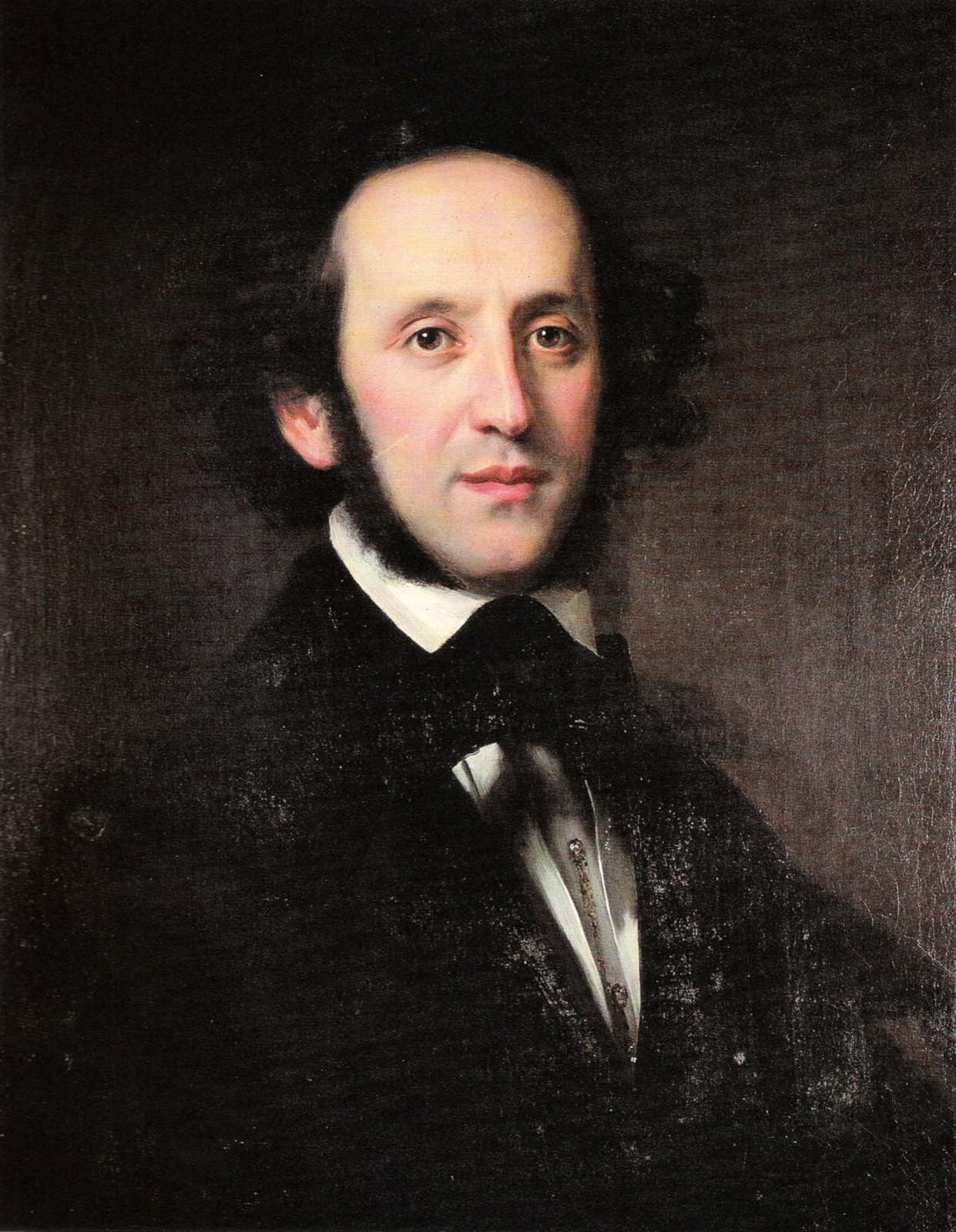
The other half of the pair everyone knows. It’s the celebrated march from Mendelssohn’s incidental music to Shakespeare’s A Midsummer Night’s Dream, Op. 61, written in 1842. Like the Wagner, its wedding fame dates to that 1858 royal ceremony — where it was the recessional to Wagner’s processional. So the two most clichéd wedding tunes in existence became clichés together, at the same wedding, on the same afternoon. It works because it’s structured like a celebration: a fanfare that flings the doors open, then a tune that struts. Time the first chord to the moment you turn to face the guests.
Widor — Toccata (from Symphony for Organ No. 5)
If the venue has a real pipe organ, this is the most thrilling exit in the entire repertoire — a whirl of rippling notes under a blazing melody that builds and builds and never lets up. Charles-Marie Widor wrote it in 1878–79 while organist at Saint-Sulpice in Paris; it’s the finale of his fifth organ symphony. Its wedding reputation took off after Princess Margaret used it at her 1960 marriage in place of the Mendelssohn. It runs about six minutes at full tilt, so it easily covers a long recessional and the first minutes of the receiving line. Fair warning: it demands a serious instrument and a serious organist — on a small electronic organ it just sounds busy.
Handel — “Alla Hornpipe” (from the Water Music)
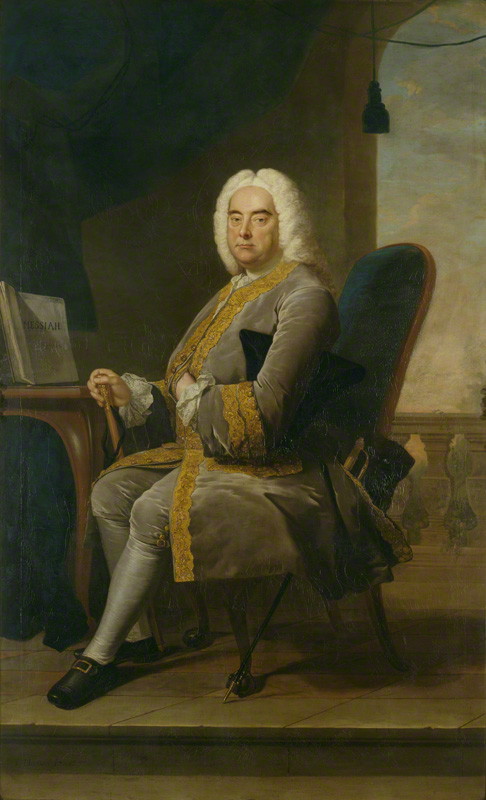
The friendliest of the big exits. Handel’s Water Music was first played in 1717 on a barge on the Thames for King George I, and the Hornpipe from the D-major suite is its most infectious tune — swaggering horns, a dance rhythm you can’t sit still to. It’s less thunderous than the Widor and needs no organ, just a small ensemble or a good recording. Choose it if you want your guests bouncing rather than awestruck on the way out.
Practical notes: timing, sequencing, and what to skip
Match the length to the walk. A processional needs to cover the actual time it takes to walk the aisle — usually 60 to 120 seconds. Most of these pieces are longer than that, which is fine: instruct your musicians (or your sound person) to fade or stop cleanly once you reach the front, not to grind to the piece’s own ending. Pieces built on a repeating bass — the Canon, the Air — are the most forgiving here because they can be cut at almost any bar.
Sequence for contrast. The arc that works is calm → bright → walking → still → loud: a warm prelude, a brisk entrance for the party, a steady tread for the bride, a quiet center, then a big exit. If every cue is grand, nothing lands as grand. The quiet Marcello in the middle is what makes the Widor at the end hit.
Mind the connotations. Two traps. First, the Wagner Bridal Chorus and the Bach/Gounod Ave Maria both carry religious or operatic baggage — fine in the right setting, slightly off in a garden or a courthouse. Second, don’t borrow from funerals: pieces like Barber’s Adagio for Strings or Albinoni’s Adagio are beautiful but so tied to grief and film tragedy that older guests will feel the wrong thing. Save the somber register for the Marcello, which reads as weight, not mourning.
Live beats recorded, within reason. A single live instrument — a cellist for the Air, a trumpeter for the Clarke, an organist for the Widor — transforms a ceremony more than any playlist. If live is out of budget, a good recording through a decent PA is far better than a phone speaker. Test the actual sound system in the actual room before the day.
If this is your first real dive into classical music and you want somewhere to go after the wedding, our guide to symphonies for beginners is a gentle next step, and if you loved the elegant string sound of the prelude, Tchaikovsky’s Serenade for Strings lives in exactly that world.
Frequently asked questions
How long should wedding processional music be?
Plan for 60 to 120 seconds of actual walking, but pick a piece longer than that and cut it cleanly when you arrive, rather than choosing something short and running out. Pieces with a repeating bass line — Pachelbel’s Canon, Bach’s Air — are easiest to trim, because a musician can stop at almost any bar without it sounding unfinished. Give your musicians a clear visual cue for when to wind down.
Is Wagner’s “Here Comes the Bride” a bad choice?
Not musically — it’s a dignified, slow tread that suits a solo entrance. The two reservations are that in the opera Lohengrin the marriage it accompanies collapses almost immediately, and that some churches decline it because it’s operatic rather than sacred. If either bothers you, Pachelbel’s Canon or Clarke’s Trumpet Voluntary gives you the same “big entrance” feeling with no strings attached.
What’s a good wedding piece that isn’t a cliché?
The Adagio from Marcello’s Oboe Concerto in D minor. It’s a single long, grave oboe melody that fills the quiet middle of a ceremony — the signing, a reading — far more memorably than another pass of the Canon, and almost no one will have heard it at a previous wedding. For a bright, un-clichéd entrance instead, Handel’s Arrival of the Queen of Sheba does the same job with joy rather than melancholy.
Do I need a live musician, or is a recording fine?
A recording through a proper sound system is perfectly respectable, and far better than a weak phone speaker. That said, one live instrument matched to the room — a cello for the Air, a trumpet for the Clarke, an organ for the Widor Toccata — lifts a ceremony more than anything else on the budget. If you hire one live player, spend it on the recessional, the moment everyone is paying attention.