Ask ten serious listeners for the best recording of Beethoven 9 and you will start an argument, not get an answer. No other symphony splits opinion this hard, and there is a reason. The Ninth is two pieces welded together: three movements of pure orchestral drama, then a choral finale that drags four soloists, a full chorus, and Friedrich Schiller’s poetry into a form that had never carried words before. A conductor has to decide whether the whole thing is a sacred ritual or a sprint, whether the tempos Beethoven scribbled in the score are gospel or a broken metronome’s mistake. Those choices pull recordings in wildly different directions.
So this is not a catalog. It is a decision. I have spent years living with these recordings, and below are the six that matter, what each one actually does, who it is for, and where each one falls short. There is a clear winner, a budget pick, and yes, one famous recording that gets more credit than it earns.
Why this piece breaks conductors
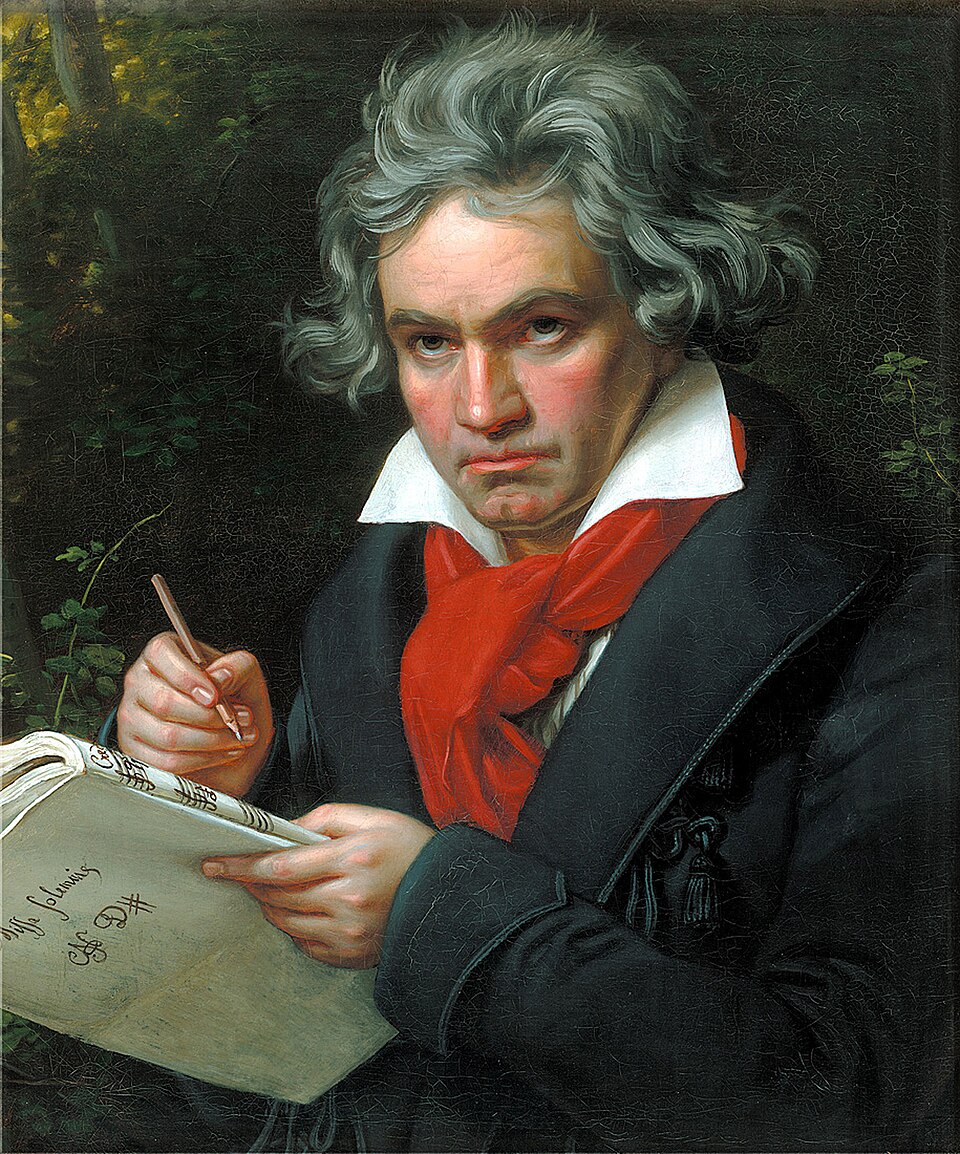
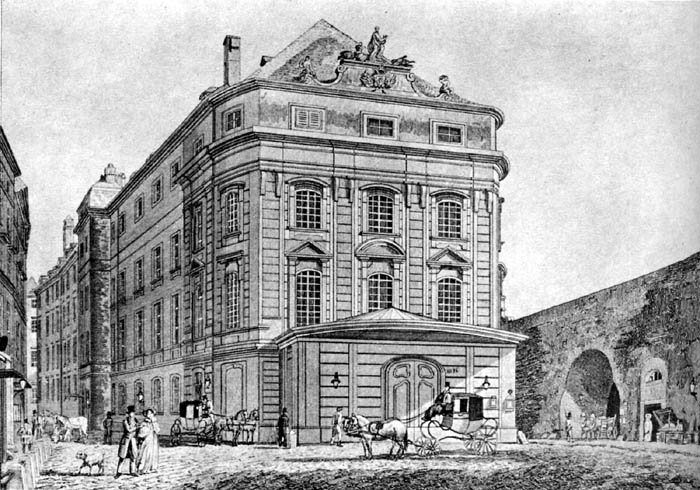
Beethoven finished the Ninth completely deaf. It premiered on 7 May 1824 at the Theater am Kärntnertor in Vienna, on a program that also held the Consecration of the House overture and three movements of the Missa solemnis. The official conductor was the house Kapellmeister Michael Umlauf, with Ignaz Schuppanzigh leading from the concertmaster’s chair. Beethoven stood among them beating time anyway, and Umlauf had quietly told the players to ignore him. The famous story of a soloist turning the deaf composer to face the applause he could not hear comes from that night.
That image, a deaf man delivering a hymn to universal joy, is exactly why the Ninth gets treated like scripture. And scripture invites slow, weighty, monumental performances. But Beethoven also wrote fast metronome markings into the score, and for two centuries musicians have called some of them unplayable. Scholars now think his metronome was likely damaged. Conductors in the historically informed camp, from Roger Norrington to Benjamin Zander to John Eliot Gardiner, take those markings seriously and play the piece lean and quick. The old guard treats it as a cathedral. Both can be thrilling. Neither is automatically right, and that gap is the whole reason recordings of this work diverge so violently.
What to actually listen for
If you do not know the symphony intimately, here is your map. The first movement opens out of near-silence, bare fifths shimmering like a world forming, before the main theme crashes down. The second movement is the scherzo, all driving rhythm and that hammered timpani everyone recognizes once they hear it. The third is the slow movement, one of the most tender things Beethoven ever wrote, and the place where great conductors separate from good ones.
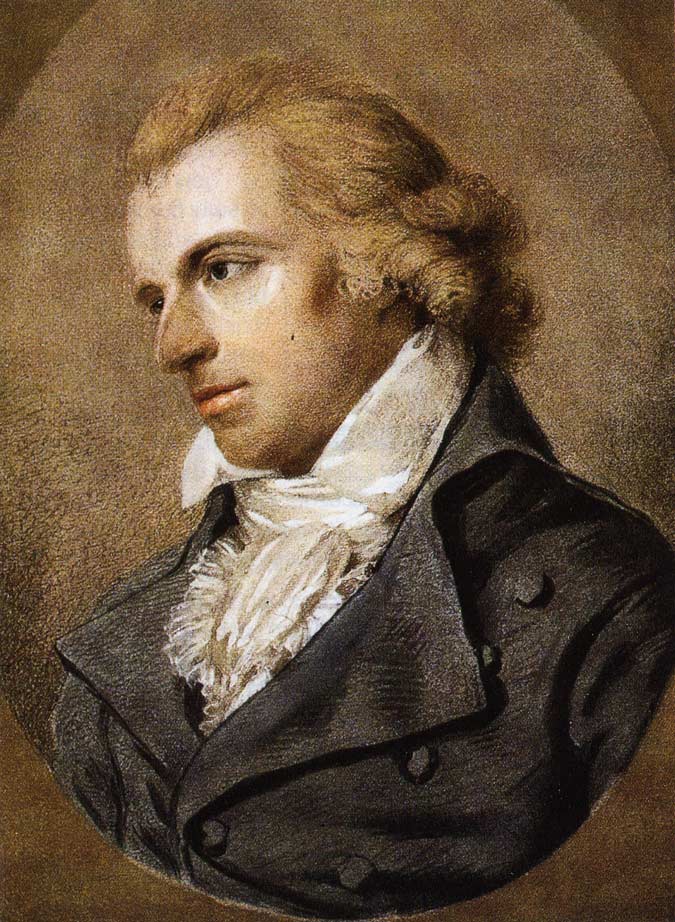
Then the finale. It opens with a shriek of dissonance, quotes and rejects each earlier movement in turn, and finally lands on the “Ode to Joy” melody, built up from a whisper in the low strings to the full chorus. When the baritone enters with “O Freunde, nicht diese Töne” he is literally telling the orchestra to stop and sing something better. The text is Schiller’s, written decades earlier. The two things to judge in any recording: does the slow movement breathe, and does the finale feel earned rather than just loud.
The contenders
Furtwängler / Bayreuth Festival Orchestra / 1951 / EMI
This is the one the others get measured against. Wilhelm Furtwängler conducted it on 29 July 1951 to reopen the Bayreuth Festival after the war, and the performance carries that weight in every bar. Furtwängler does not keep strict time; he stretches and surges, treating tempo as something elastic that follows the music’s emotional pressure. In anyone else’s hands that would be self-indulgent. Here it sounds like the piece is being discovered in real time.
The slow movement is where it becomes unanswerable, suspended and aching in a way no one has matched. The finale builds to a coda so fast and so unhinged it sounds like the orchestra might come apart, and that danger is the point. The catch: it is mono, the choir sits too far back, and balances wander. One practical warning, get the Orfeo release, not the old EMI transfer, which is muddier and splices in rehearsal fragments. For: anyone who wants to know why people talk about this symphony as a spiritual event. Not for: a first listen on a cheap speaker.
Karajan / Berlin Philharmonic / 1962 / Deutsche Grammophon
If Furtwängler is the séance, Herbert von Karajan’s 1962 reading is the engineering marvel. Recorded that October as part of his first complete Berlin cycle, it is fast, taut, and gleaming, built on the kind of orchestral execution that simply did not exist on record before. The strings move as one body. The scherzo is relentless. Where Furtwängler breathes, Karajan drives, and the sheer physical force of the Berlin Philharmonic at full tilt is its own argument.
Karajan recorded the Ninth four times; this 1962 version is the one to own, before the later cycles smoothed the edges into something glossier and less urgent. It is the modern reference recording, the default answer for anyone who wants the symphony to sound powerful, controlled, and overwhelming in good sound. The only thing it lacks is the last ten percent of mystery that the great live performances find. For: your first serious modern version, and the one to test a sound system on.
Fricsay / Berlin Philharmonic / 1957–58 / Deutsche Grammophon
The connoisseur’s pick, and the most underrated Ninth on record. Ferenc Fricsay recorded it with the Berlin Philharmonic between December 1957 and April 1958, with a starry solo quartet led by Dietrich Fischer-Dieskau. Fricsay sits between the two extremes: weightier than Karajan, more disciplined than Furtwängler, and humane in a way that is hard to describe until you hear the slow movement, which he shapes with extraordinary tenderness. The chorus is the Choir of St. Hedwig’s Cathedral, the distinguished Berlin ensemble trained by Karl Forster, and it sings the soft passages with a precision and control few recordings match. For: the listener who already knows the famous versions and wants one with a beating heart. The sound is warm and surprisingly good for its age.
Gardiner / Orchestre Révolutionnaire et Romantique / 1992 / Archiv
This is the recording that changed how the piece is played. John Eliot Gardiner recorded it in October 1992 on period instruments, gut strings, valveless brass, hard timpani sticks, and at Beethoven’s own fast metronome marks. The result is a shock if you grew up on Karajan: lighter, faster, more transparent, with inner voices you never knew were there suddenly audible. The finale sprints. The whole thing clocks in far shorter than the cathedral readings.
You lose some of the granite grandeur, and listeners raised on the monumental tradition often find it too quick, too businesslike in the slow movement. But it makes a serious case that this is closer to what Beethoven actually wanted, and once you hear the textures laid bare you cannot unhear them. For: anyone curious what the symphony sounds like stripped of a century of accumulated reverence.
Bernstein / Members of multiple orchestras / 1989 / Deutsche Grammophon
Less a recording than a historical document. On 25 December 1989, weeks after the Berlin Wall fell, Leonard Bernstein conducted the Ninth in Berlin with an orchestra assembled from both sides of the former divide, players from the Bavarian Radio Symphony, the New York Philharmonic, the London Symphony, the Orchestre de Paris, Dresden’s Staatskapelle, and the Kirov. Roughly 100 million people watched. Bernstein famously changed Schiller’s word Freude (joy) to Freiheit (freedom) for the occasion.
Purists object to rewriting Schiller, and the performance is broad, sometimes loose, clearly an event more than a polished studio take. Judged as a recording alone it is not the finest. But the Ninth has always been more than music, and no version carries the symphony’s meaning, the dream of human brotherhood, with this much real-world charge. For: the moment you want the piece to mean something beyond the notes.
Chailly / Gewandhaus Orchestra / 2011 / Decca
The modern compromise. Riccardo Chailly took the historically informed lessons about tempo and applied them to a modern orchestra recorded in superb sound. It is fast and energized like Gardiner but keeps the richness and weight of a full modern string section. If the period-instrument timbre of the Gardiner puts you off but you want the urgency, this is the recording that splits the difference. For: a listener who wants Beethoven’s tempos without giving up modern recorded sound.
The verdict
The best recording of Beethoven 9 is Furtwängler’s 1951 Bayreuth performance. Nothing else reaches what it reaches in the slow movement and the finale, and the symphony was built for exactly that kind of risk. Accept the mono sound as the price of admission, and get the Orfeo transfer.
If you want one version in great modern sound, get Karajan 1962. It is the reference for a reason, powerful, precise, and the safest first purchase. For the deepest-feeling version that most people have never heard, Fricsay 1957–58 is the one I press on friends. And if you want to hear the piece the way Beethoven’s own tempos suggest, get Gardiner.
The overrated one? The later Karajan cycles, especially the digital 1980s remake, get bought on the strength of his name and deliver a glossier, more anonymous Ninth than his own 1962. If you are buying Karajan, buy the early one and skip the rest.
Where to hear them
All six are easy to find. The Karajan, Fricsay, Gardiner, and Bernstein are on Deutsche Grammophon and its sister labels, which means they stream on every major service and sit cheaply in DG box sets. The Furtwängler Bayreuth is widely available too, but pay attention to the label, the Orfeo edition is the one worth your time. Chailly is on Decca and streams everywhere. If you want to go deep on Beethoven beyond the Ninth, our breakdown of the myths around the Fifth Symphony and the cracks in the Eroica’s heroic legend are good next stops, and the Violin Concerto shows a gentler side of the same composer.
FAQ
Is the Furtwängler Bayreuth recording overrated?
No, but it is misunderstood. People who try it on bad equipment and expect modern sound walk away disappointed. Judged on what it does interpretively, the elastic tempos, the unmatched slow movement, the dangerous finale, it earns every bit of its reputation. Just go in knowing it is 1951 mono with a distant choir.
What is the best Beethoven 9 recording for a beginner?
Karajan’s 1962 Berlin version. It is fast enough to hold your attention, powerful enough to show why the piece is famous, and recorded well enough to enjoy on any system. Start there, then graduate to Furtwängler and Fricsay once the symphony is in your ears.
Why are there such big differences in how long the symphony takes?
Tempo. Beethoven left fast metronome markings that many conductors consider too quick to be playable, and scholars suspect his metronome was faulty. Period-instrument conductors like Gardiner follow the markings and finish well under an hour; the monumental tradition of Furtwängler stretches the same notes far longer. Both are defensible, which is why the timings vary so much.
Should I buy a single Ninth or a complete symphony cycle?
If you only want the Ninth, buy a standalone, the Furtwängler or Fricsay. But Karajan 1962 and Gardiner both come inside complete cycles that cost little more than a single disc, so if you suspect you will want the other eight symphonies, the box set is the better value.