- Composer
- Mozart
- Work
- Clarinet Concerto in A major, K. 622
- Key
- A major
- Composed
- 1791
- Movements
- 3 movements
I. Allegro (A major)
II. Adagio (D major)
III. Rondo: Allegro (A major) - Instrumentation
- Solo clarinet, 2 flutes, 2 bassoons, 2 horns, strings
- Premiere
- c. October 16, 1791, Prague (Anton Stadler, clarinet)
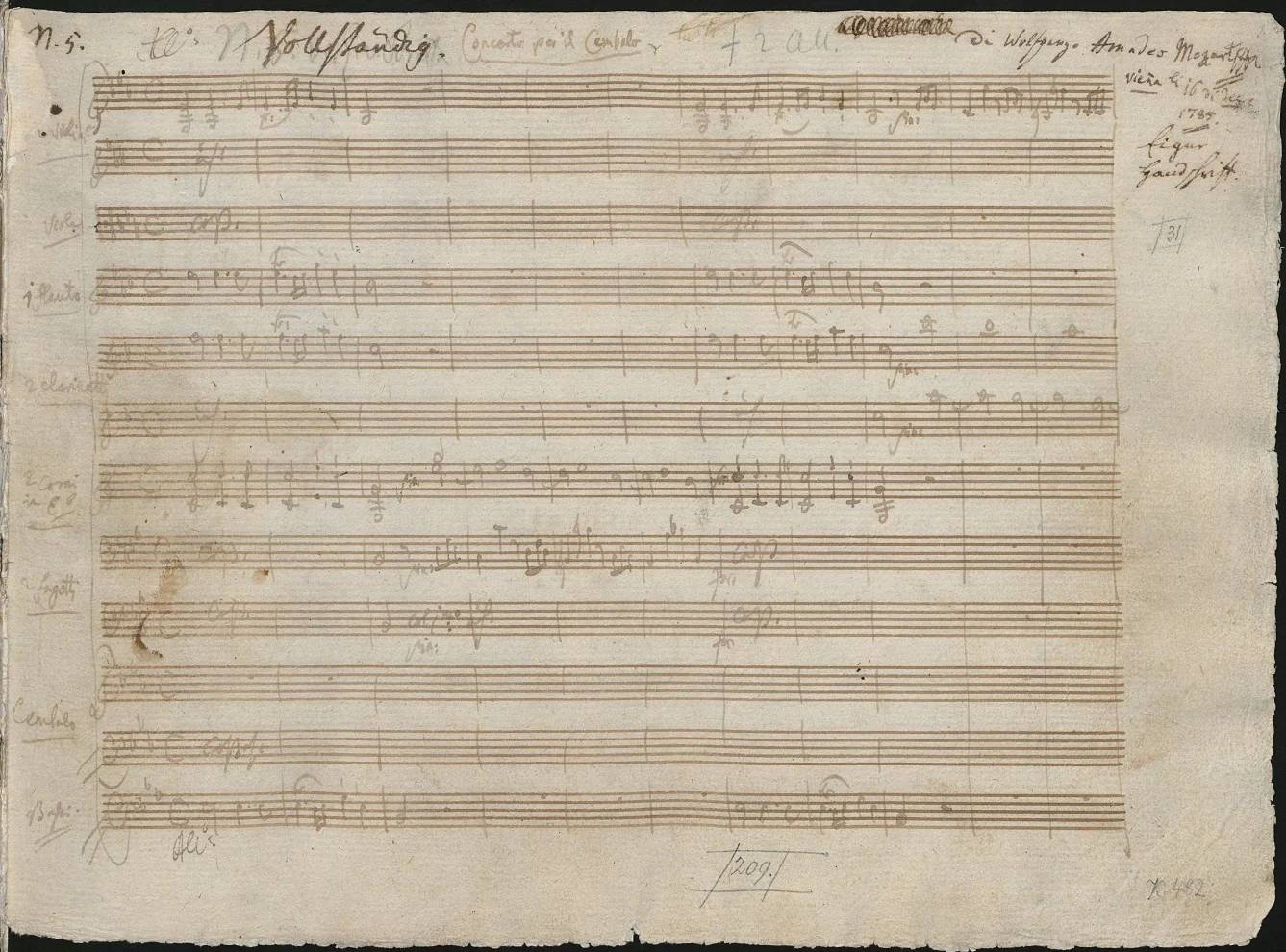
The manuscript is gone. Mozart’s own handwritten score, the original K. 622 autograph — vanished. The man who took it was the very person Mozart wrote it for.
Anton Stadler, virtuoso clarinetist and Mozart’s close friend, was also, by most accounts, a financial disaster. Mozart’s widow Constanze later accused Stadler of pawning the manuscript to cover gambling debts. Stadler claimed it was stolen from his luggage during travels. The truth remains unknown, two centuries later.
What we know for certain: the version of K. 622 played in concert halls today is a reconstruction. Publishers in 1801 adapted the solo part to fit a standard clarinet because almost nobody owned the specialized instrument Mozart originally wrote for. For over 150 years, audiences heard a modified version without knowing it.
And it still became one of the most beloved concertos ever written.
The Friendship and the Missing Score
In October 1791, Mozart wrote to his wife from Prague: “I have completed Stadler’s Rondo.” A brief note — the third movement of K. 622 was finished. Six weeks later, Mozart was dead at 35.
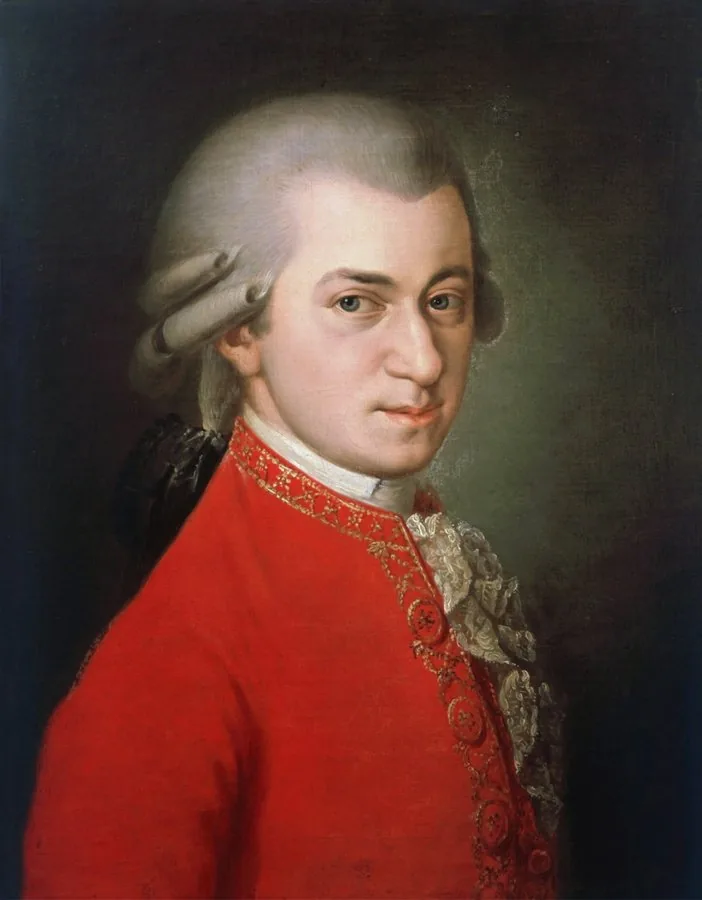
The concerto was his final completed instrumental work. Music critic Henri Ghéon called it Mozart’s “swan song,” a description that has stuck.
Stadler was more than a commissioner. The two men were fellow Freemasons, and Mozart had been writing for Stadler’s particular skills for years — the basset horn parts in Così fan tutte (1789), various chamber pieces, and now this concerto. Their bond was genuine, their friendship documented in letters.
The financial side of the relationship was messier. Stadler borrowed money, including from Mozart, who was himself struggling with debt at the time. After Mozart’s death, Constanze was explicit about her suspicions regarding the lost manuscript. Whether Stadler lost it, pawned it, or had it stolen, the original score never resurfaced.
The Basset Clarinet — an Instrument Built for This Concerto
The basset clarinet is a standard A clarinet extended downward by four semitones. Where a normal clarinet bottoms out at written E, the basset clarinet reaches written C. Those extra low notes sit in the instrument’s richest, darkest register — a range that fundamentally changes the character of what the solo voice can say.
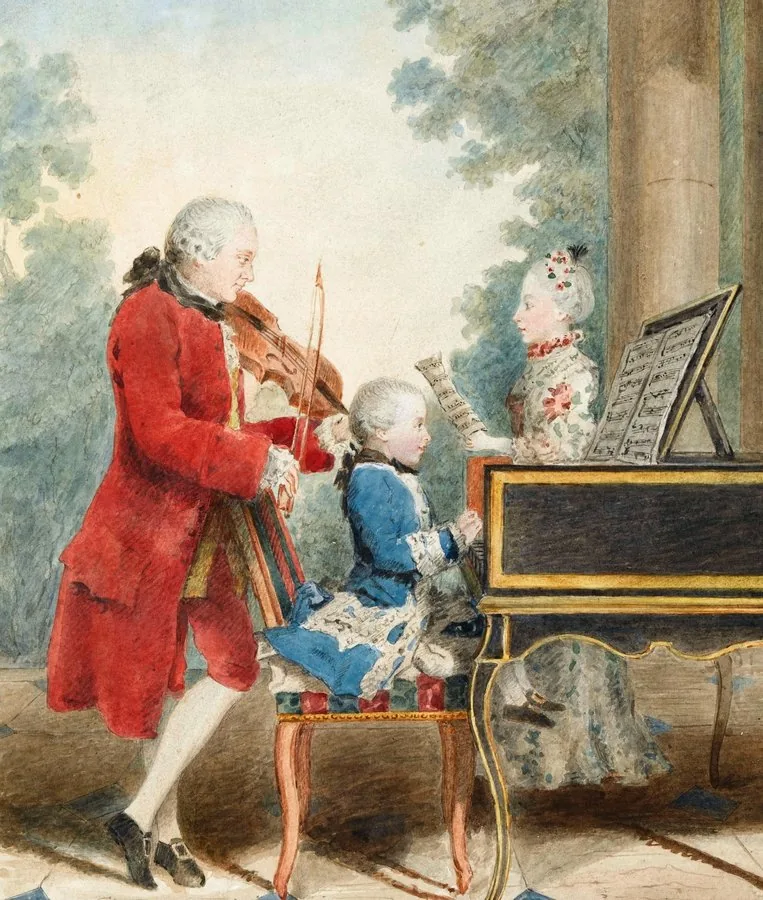
Mozart had been writing for basset instruments since 1783 and for the basset clarinet specifically since 1787. K. 622 represents the fullest realization of what that extended range could do.
When Stadler disappeared along with the manuscript, the three publishers who issued the concerto in 1801 — André, Sieber, and Breitkopf & Härtel — all made the same pragmatic decision: transpose the low passages upward so that standard clarinetists could play them. It was commercially sensible. It was also a significant alteration of Mozart’s conception.
The basset clarinet itself fell out of use after Stadler’s death and was essentially forgotten until the mid-20th century. In 1968, Swiss clarinetist Hans Rudolf Stalder made the first modern recording using a reconstructed instrument. Since then, performers including Sabine Meyer and Antony Pay have established basset clarinet versions as the historically informed standard. The difference is especially audible in the second movement, where the low passages descend into territory simply unavailable on a standard instrument.
Movement Guide
> 💡 For first-time listeners: Start with the second movement. Let the clarinet speak on its own over the bare strings and hear what Mozart was reaching for. Then go back to the first movement — the conversation it establishes makes more sense after you’ve heard where the music is headed.
First Movement — A Conversation, Not a Contest
The first movement opens with the orchestra stating the main theme before the clarinet enters. What strikes most listeners is that the clarinet doesn’t arrive to dominate — it steps in as an equal voice in a dialogue.
Mozart structures the movement so that when the clarinet speaks, the orchestra listens, then responds. The clarinet finishes a phrase; the strings answer. Back and forth. This conversational quality is what separates K. 622 from the showpiece concertos of the era, where the soloist existed primarily to impress.
The cadenza — the unaccompanied solo passage near the movement’s end — was not notated by Mozart. Each performer writes their own, which means this section changes completely from one performance to the next. Hearing K. 622 performed by two different clarinetists, the first movement’s cadenza is often where the interpretive differences are most pronounced.
Second Movement — An Aria Without Words
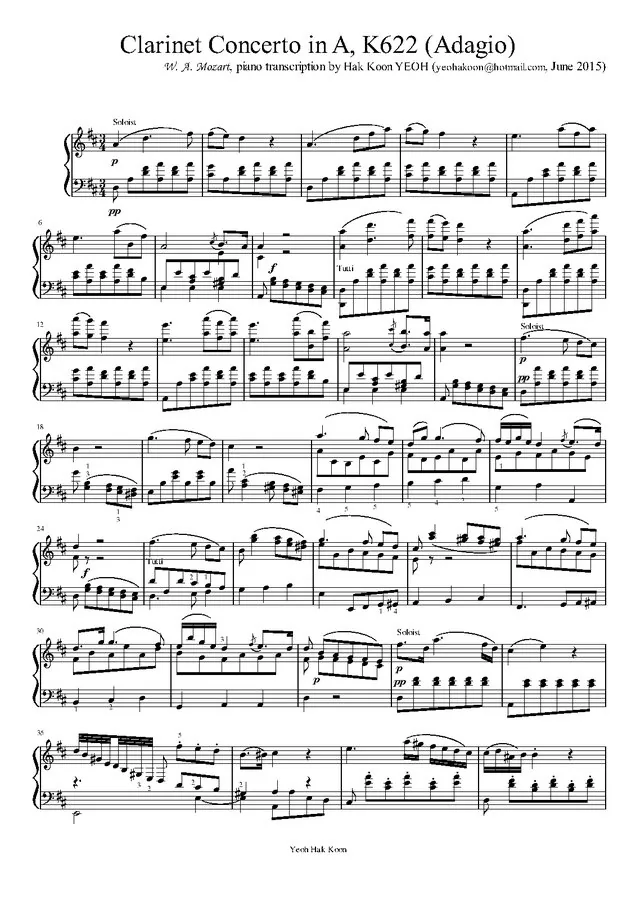
The second movement Adagio in D major is the piece that defines this concerto’s reputation. It opens with the strings laying down a quiet chord bed. Then the clarinet enters alone and doesn’t stop singing.
Mozart removes the oboes and trumpets here, leaving only strings and horns in the accompaniment. The texture thins, and the clarinet floats above it with a simplicity that feels almost exposed. There’s nowhere to hide in this movement — every note of the melody matters.
The movement is essentially a vocal aria without a singer. The structure is ternary (ABA) but the emotional progression feels more linear, like a sustained statement that doesn’t want to close.
When you hear this played on basset clarinet, the passages where the solo voice descends into the lowest register carry a different weight — that dark, rounded timbre coloring the melody in a way standard clarinets cannot replicate. It’s the sound Mozart actually wrote for.
Third Movement — Weight Released
After the depth of the Adagio, the Rondo finale in A major seems to exhale. It’s light, skipping, almost playful. But listen past the surface: the minor-key episodes embedded in the rondo form keep reintroducing something unresolved. The movement doesn’t pretend the second movement didn’t happen. It moves past it, which isn’t quite the same thing.
The rondo structure — theme, episode, theme, episode, theme — gives the solo clarinet repeated opportunities to reinstate the main melody after it has been interrupted. Each return feels like a reassertion. The technical demands on the soloist are considerable, but Mozart writes them so naturally into the melodic line that the difficulty is concealed from the audience.
For First-Time Listeners — What to Hold Onto
– The second movement is the entry point. Everything else in the concerto orbits it.
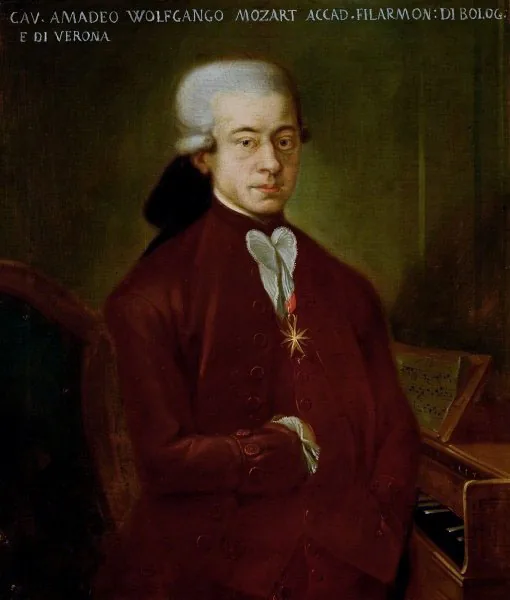
– Track the clarinet’s lowest notes. In a basset clarinet performance, these passages will sound markedly darker than in a standard clarinet recording — that difference is what 150 years of adaptations concealed.
– In the first movement, follow the exchange. The orchestra proposes; the clarinet responds; the orchestra answers back.
– The third movement is intentionally lighter than what came before. The brief shadows that flicker through it are part of how it functions, not an accident.
Why K. 622 Never Left the Repertoire
This concerto has been in active performance since its first publication in 1801. There is no period in which it fell out of favor and had to be rediscovered.
Part of the explanation is technical: the work sits at exactly the right difficulty level for serious study. Ambitious enough to be a meaningful goal; rewarding to hear even from players still learning it.
The deeper reason is the second movement. It does something unusual in the history of concerto writing: it removes the solo instrument from any competitive context and asks it simply to sing. The orchestration pulls back to let this happen. There’s no drama in the conventional sense — no climax, no resolution of tension, no grand arrival. Just a voice that has something to say and the space to say it.
Mozart wrote it in October 1791. He was in debt. His health was failing. He would be dead in December. Whether K. 622 carries any of that weight consciously — or whether it’s the listener who brings the weight to it — is a question each performance leaves open.
Recommended Recordings
Sabine Meyer / Staatskapelle Dresden, Sir Colin Davis (1990, EMI)
The standard reference for the basset clarinet version. Meyer’s tone is characteristically dark and focused, and the low register passages in the second movement illustrate exactly what the original instrument adds. The best starting point for hearing the difference between versions.
Antony Pay / Academy of St Martin in the Fields (1995, L’Oiseau-Lyre)
Another strong basset clarinet recording, with cleaner articulation and a more transparent ensemble sound. Pay’s period instrument background is audible in the phrasing.
Jack Brymer / London Symphony Orchestra, Peter Maag (1959, Decca)
The essential standard clarinet recording. More than 60 years old, still regularly recommended. The second movement’s sustained phrasing remains a benchmark.
Follow the Score
The original autograph manuscript does not exist — lost through the circumstances described above. IMSLP hosts multiple editions including the 1801 published versions and modern reconstructions of the basset clarinet original.
Frequently Asked Questions
What makes Mozart’s Clarinet Concerto K. 622 special?
What is the basset clarinet and how does it affect the concerto?
Who was Anton Stadler and why did Mozart write the concerto for him?
Is K. 622 Mozart’s last work?
Why is the second movement of K. 622 so famous?
Further Reading
- Mozart’s Piano Concerto No. 23 in A major, K. 488
- Mozart’s Violin Concerto No. 5 in A major, K. 219 ‘Turkish’
- Mozart’s Clarinet Quintet in A major, K. 581
- Beethoven’s Piano Concerto No. 3 in C minor, Op. 37