Three centuries of music, thousands of composers, and no obvious front door — no wonder “where do I start with classical music?” is the question I hear most. Here is the shortcut nobody tells you: don’t start with history. Start with your mood. Below are seven pieces, sorted into three doors — drama, calm, and grandeur — so you can walk through the one that matches how you feel right now, press play, and find your first favorite in about four minutes.
This is the curated starter playlist, not the full orientation. If you want the wider map of genres and eras, read our beginner’s guide to classical music first; if you already know you love big orchestras and want to graduate to complete works, jump to our symphony recommendations for beginners. This page does one job: hand you seven concrete pieces and tell you exactly what to listen for in each.
The Seven Pieces, at a Glance
| Piece | Mood | Length | The moment to wait for |
|---|---|---|---|
| Beethoven — Symphony No. 5 | Drama | ~7 min (1st mvt) | The four-note hammer blow that opens it |
| Rachmaninoff — Piano Concerto No. 2 | Drama | ~11 min (1st mvt) | The tolling piano chords before the theme |
| Chopin — Nocturne Op. 9 No. 2 | Calm | ~4 min | The way the tune keeps re-decorating itself |
| Debussy — Clair de Lune | Calm | ~5 min | The hush of the opening bars |
| Beethoven — Moonlight Sonata | Calm → Storm | ~15 min (all 3) | The third movement erupting |
| Vivaldi — The Four Seasons | Grandeur | ~10 min (Spring) | Birdsong traded between violins |
| Dvořák — Symphony No. 9 | Grandeur | ~12 min (2nd mvt) | The cor anglais melody |
🎭 Door One: If You Want Drama
Start here if you want music that grabs you by the collar. These two pieces don’t ease you in — they announce themselves in the first ten seconds.
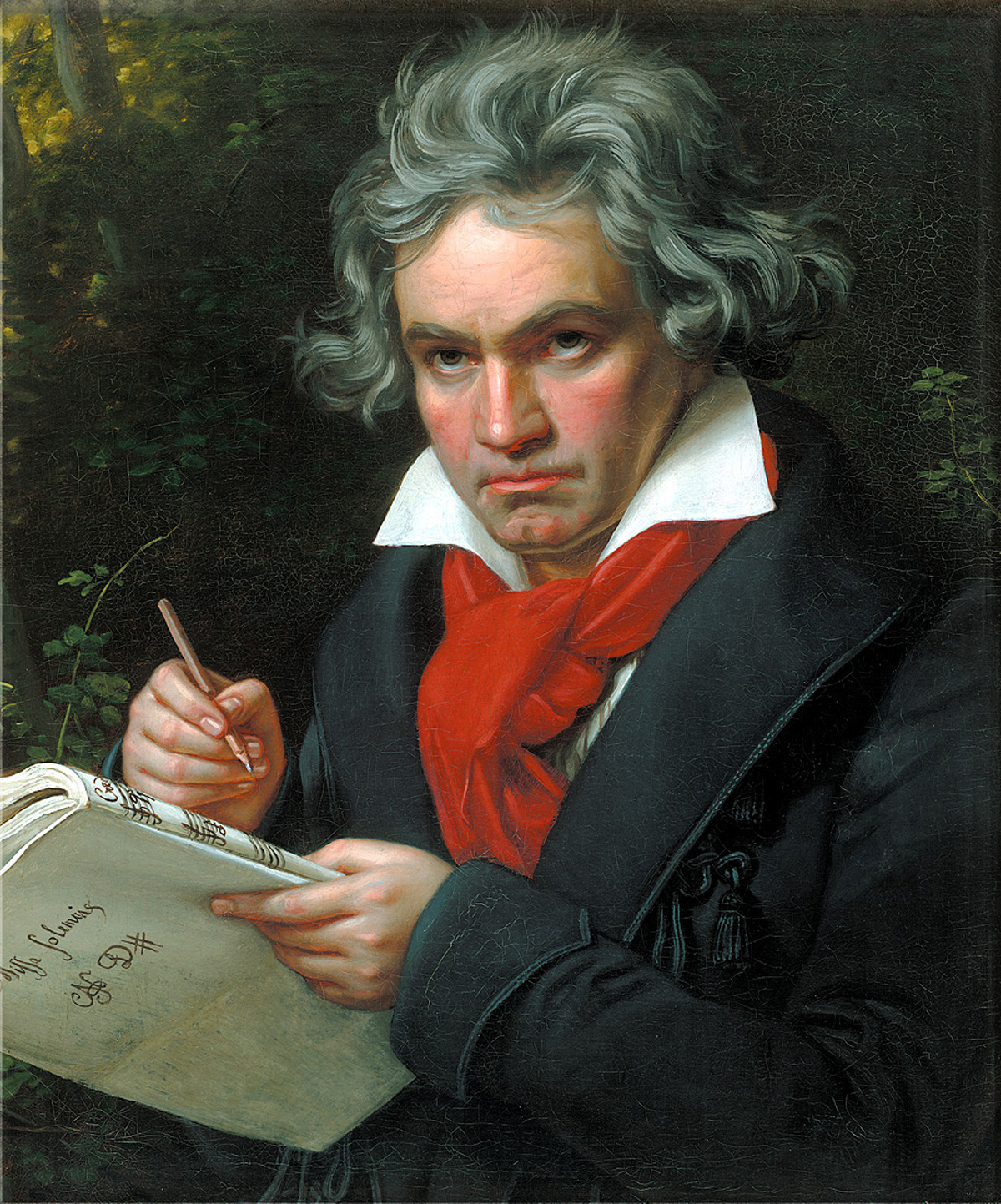
1. Beethoven — Symphony No. 5
Four notes — short-short-short-long — and you already know this piece, even if you’ve never chosen to hear it. That opening is the most efficient hook in all of music: Beethoven builds an entire first movement out of that one tiny rhythmic cell, turning it over, stacking it, hurling it between the strings and winds. Nothing is wasted. The tension he wrings from four notes is the whole reason this became the world’s most recognizable symphony.
The Symphony No. 5 received its first performance on 22 December 1808 at the Theater an der Wien in Vienna, on a famously overstuffed all-Beethoven program. Start with the first movement — about seven minutes — and if it lands, skip to the finale, where the darkness of the opening finally breaks into blazing C major. That arc from struggle to triumph is the template every film composer has borrowed since.
2. Rachmaninoff — Piano Concerto No. 2
If Beethoven is a fist, Rachmaninoff is a flood. The concerto opens not with the orchestra but with the solo piano alone, tolling a series of slow chords that swell like distant bells until the strings pour in over the top. It’s cinematic before cinema existed — small wonder Hollywood has been raiding this score for decades.
Rachmaninoff premiered the full Piano Concerto No. 2 in Moscow in 1901 with himself as the soloist, and he dedicated the work to Nikolai Dahl, the physician who had helped him out of a long creative slump. Knowing that backstory changes how the surging main theme hits — it sounds like someone getting their voice back. Wait for the second movement if you want the melody people fall in love with; it’s the one that keeps turning up in pop songs.
▶ Listen on YouTube — Anna Fedorova’s live performance is a warm, unhurried account that lets those opening chords breathe.
🌙 Door Two: If You Want Calm
Late-night music. Reading music. Music for when the day is finally quiet. These three ask nothing of you except that you sit still.
3. Chopin — Nocturne Op. 9 No. 2
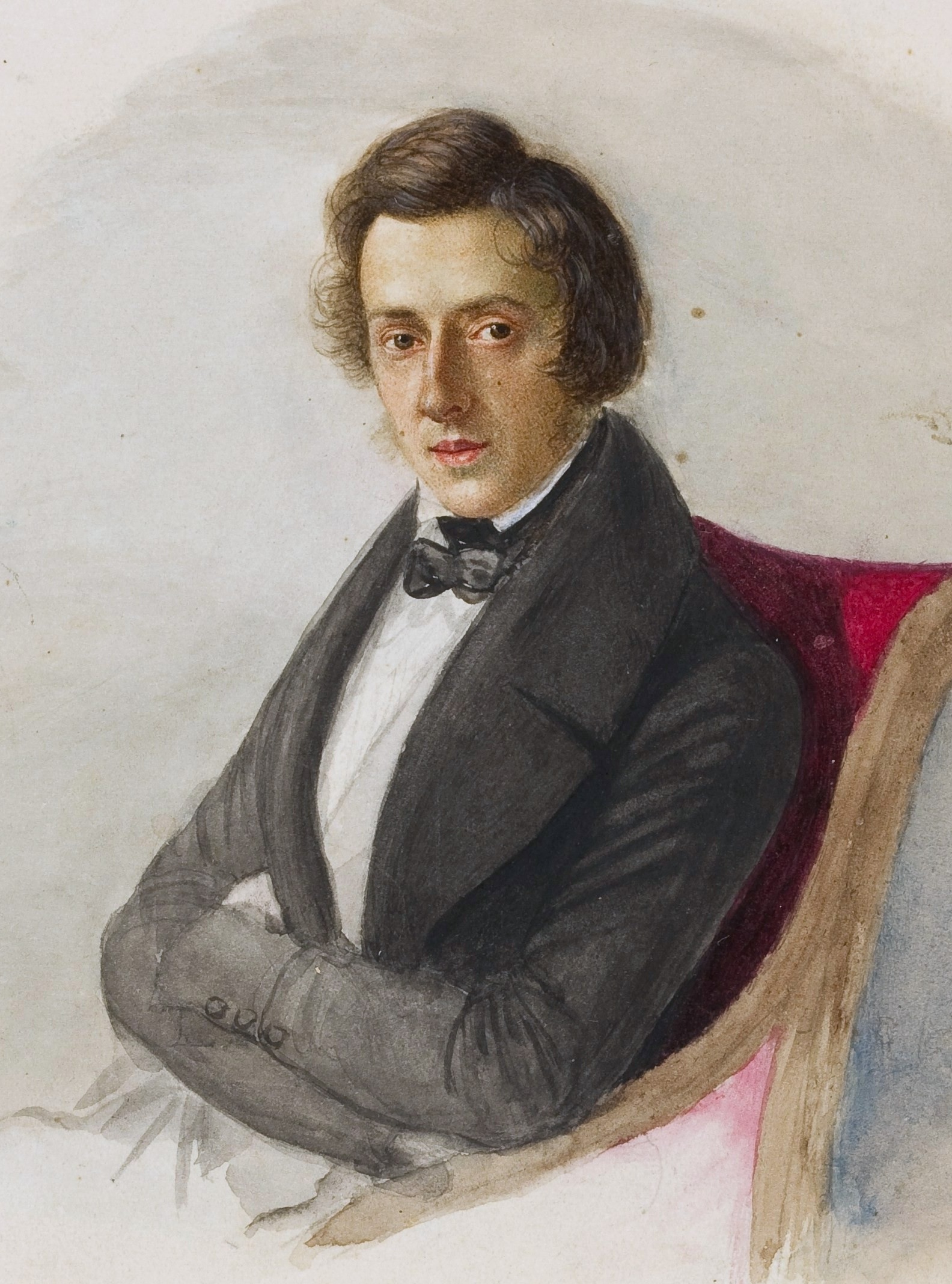
One piano, one melody, and somehow the whole room fills. Chopin published this nocturne in 1832, and it has never really left the popular ear since. The trick that makes it hypnotic: the tune comes back three times, and each time Chopin re-decorates it with more curling ornament, like the same sentence spoken with more feeling on every repeat. Listen for that — the melody isn’t developing so much as blooming.
It’s the perfect three-minute test of whether solo piano is your door in. If it is, our deep dive on this nocturne unpacks exactly how it’s built. ▶ Listen on YouTube.
4. Debussy — Clair de Lune
You have heard this one. In a café, a bookshop, a film trailer, a phone ad — Clair de Lune is everywhere, usually without a name attached. It comes from Debussy’s Suite bergamasque, which he began in 1890 and finally published in 1905, and the title translates as “moonlight.” The music earns it: the opening bars barely move, the harmony drifts instead of marching, and the whole thing feels less composed than overheard.
This is the gentlest possible entry point — no drama to brace for, no structure to follow. Put it on, do nothing, and let it work. ▶ Listen on YouTube.
5. Beethoven — Moonlight Sonata
Everyone knows the famous first movement — the slow, rocking, candle-lit one. Almost nobody sticks around for the third, and that’s the real secret of this sonata. Beethoven composed it in 1801 and dedicated it to Countess Giulietta Guicciardi, one of his pupils; the Moonlight nickname wasn’t his at all but came later from the poet Ludwig Rellstab, who compared the opening to moonlight on a lake.
Here’s my advice: play the first movement, then jump straight to the finale. The contrast is the point — the same piece that lulled you goes tearing off in a fury of racing notes. Two opposite worlds inside fifteen minutes. If you want the full walkthrough, our guide to the Moonlight Sonata covers all three movements. ▶ Listen on YouTube — Valentina Lisitsa.
🏛️ Door Three: If You Want Grandeur
Big sound, wide colors, the full orchestra. These two are the gateway to symphonic music — vivid enough that you never once feel lost.
6. Vivaldi — The Four Seasons
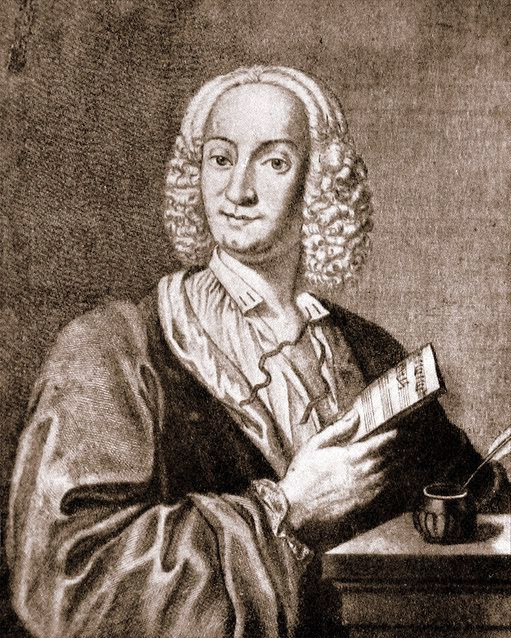
The most beginner-friendly masterpiece ever written, because it tells you what it’s about. Vivaldi published The Four Seasons in 1725 as a set of four violin concertos, each one painting a season in sound — you can literally hear birdsong, a summer thunderstorm, a hunt, teeth chattering in the winter cold. Start with Spring: within thirty seconds the solo violins are trading birdcalls back and forth, and you don’t need a single note of theory to catch it.
This is the piece I hand to anyone who claims classical music is boring or hard to follow. It’s neither. The solo violin is a storyteller here, and the story is obvious on the first listen.
7. Dvořák — Symphony No. 9, From the New World
If you’re ready for a full symphony but want the softest possible landing, this is it. Dvořák’s Ninth received its first performance in 1893, played by the New York Philharmonic at Carnegie Hall while the Czech composer was living in America — and you can hear that homesickness in the second movement, one of the most beloved melodies in all of orchestral music. A solo cor anglais (English horn) sings a tune so simple and aching it was later turned into a folk-style song people assume is centuries old.
Begin with that slow second movement — call it a three-minute audition for the whole symphonic world. If it moves you, the other three movements are waiting, and our full New World Symphony guide maps them out. ▶ Listen on YouTube.
How to Actually Listen (So It Sticks)
Three habits separate people who “get into classical music” from people who bounce off it. None of them cost money.
- One movement is enough. Nobody is grading you on finishing a whole symphony. Pick the single movement you love and put it on repeat. Ten plays of one movement beats one dutiful play of the whole thing.
- Famous movement first. Composers didn’t always put the best-known music first. It’s completely fine to jump to the second movement of the Dvořák or the finale of the Moonlight before you hear anything else.
- Use speakers, not earbuds — for the orchestras. For solo piano, earbuds are fine. But an orchestra spreads sound across a wide stage, and a tiny earphone flattens that. Even cheap desk speakers open it up.
A 7-Day Listening Route
If you’d rather be told exactly what to do, here’s a week that walks through all seven — one piece a day, five minutes each. No commitment beyond a single short listen.
- Day 1 — Beethoven Symphony No. 5, first movement. Feel the hook.
- Day 2 — Vivaldi Spring. Hear the birds.
- Day 3 — Debussy Clair de Lune. Do nothing else.
- Day 4 — Dvořák Symphony No. 9, second movement. The homesick tune.
- Day 5 — Chopin Nocturne Op. 9 No. 2. Notice the tune re-blooming.
- Day 6 — Rachmaninoff Piano Concerto No. 2, opening. The tolling chords.
- Day 7 — Beethoven Moonlight Sonata — first movement, then the storming finale.
By the end of the week you’ll have met two symphonies, two piano showpieces, a nocturne, an impressionist miniature, and a violin concerto. That’s a real cross-section of classical music — and you’ll already know which door is yours.
One Piece Is All You Need
There’s no correct order and no entrance exam. You don’t have to “study” any of this. If exactly one of these seven pieces caught you — if you found yourself replaying thirty seconds of the Vivaldi or sitting through the Clair de Lune twice — then it worked. That one piece is your starting line, and the composer’s whole catalog is now a door you’ll want to open. Follow the melody your ear keeps returning to. That’s the entire secret. 🎶