Franz Clement received the solo part so late that he had to sight-read part of the first performance on 23 December 1806 at the Theater an der Wien in Vienna. Everything odd about that night follows from it — including the joke Beethoven left on the manuscript.
Then the concerto vanished from concert life for a generation, and came back only because a child picked it up in London with Mendelssohn conducting. Today it is the piece every violinist is measured against. Here is what actually happened, what to listen for, why the cadenza you hear is almost never Beethoven’s, and which recordings earn their place.
The Two Days That Shaped the Premiere
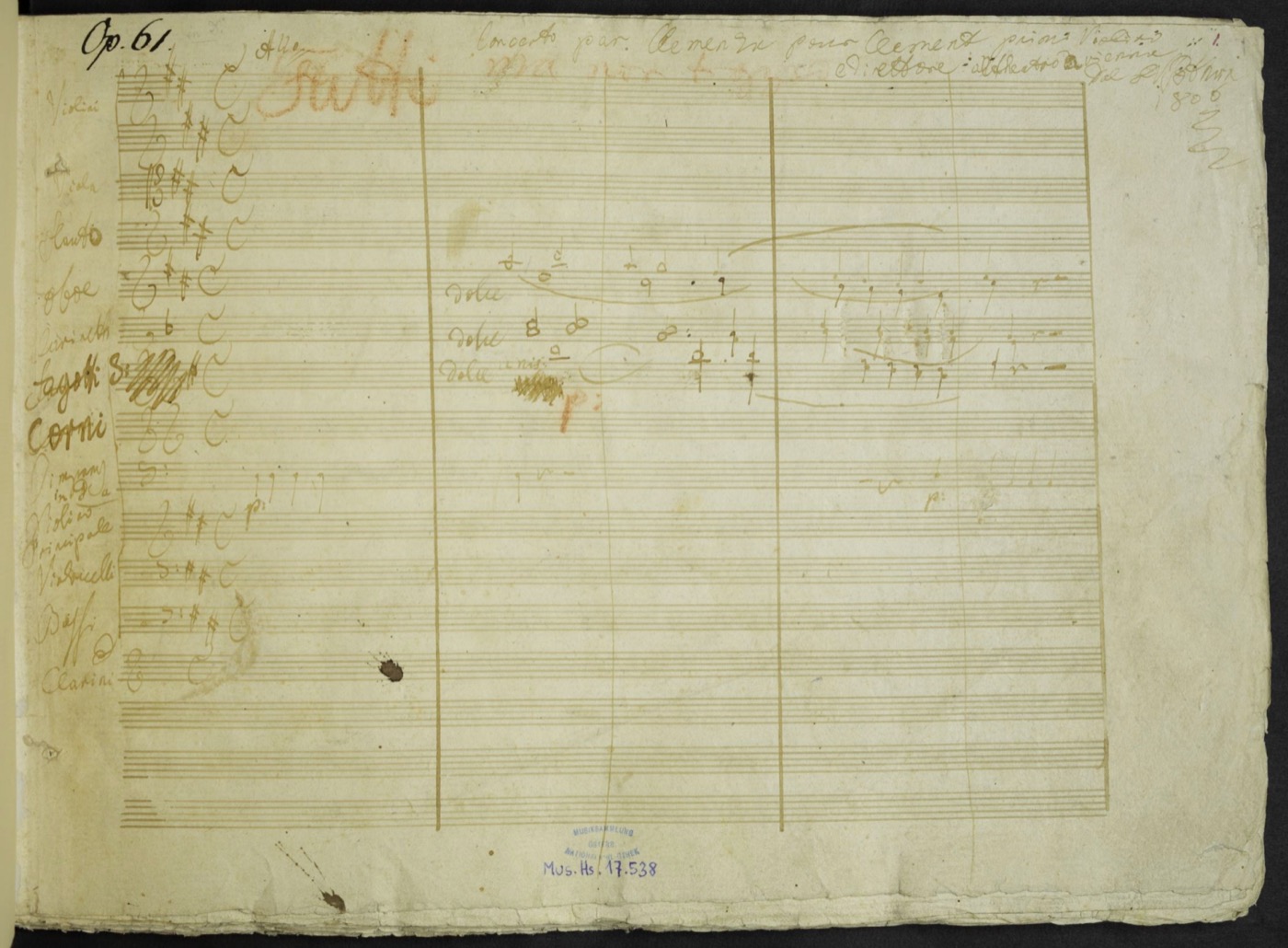
Clement was concertmaster and director at the Theater an der Wien, and Beethoven wrote the concerto for him. On the autograph score Beethoven put a multilingual pun on his friend’s name: “Concerto par Clemenza pour Clement”. Read on its own it is a compliment. Read next to the sight-reading, it is closer to an apology with a smile attached.
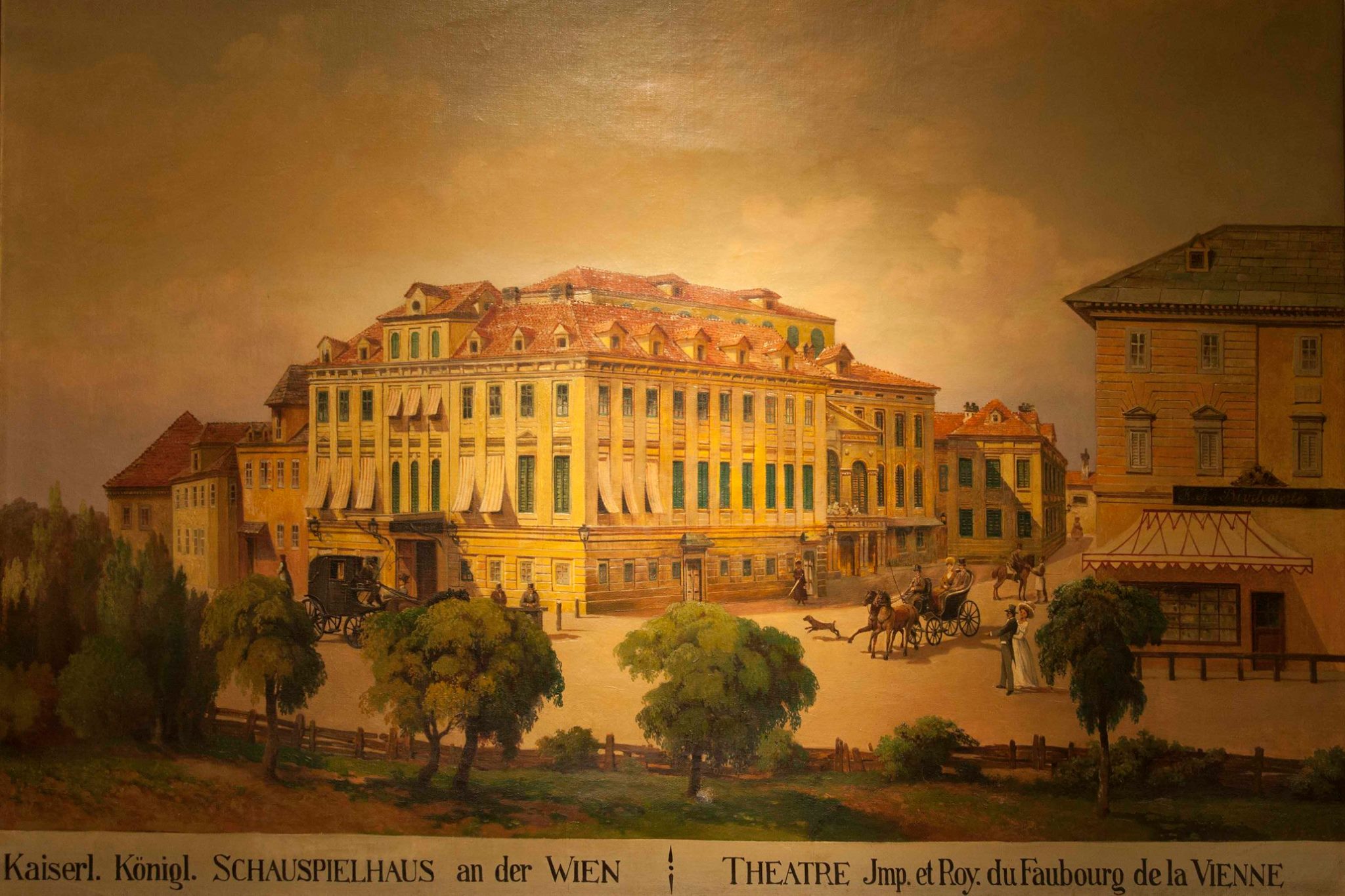
The evening belonged to Clement. It was his own benefit concert, and the new concerto was one item on a long variety bill; between movements he slotted in a set of variations of his own. Several nineteenth-century memoirs add that he also played holding the violin upside down, on a single string. Contemporary sources do not corroborate that stunt, and more cautious writers treat it as a story that hardened through retelling. What nobody disputes is the framing: Beethoven’s largest orchestral concerto shared a bill with a party trick.
The verdict arrived in print soon after. Johann Nepomuk Möser, writing in a Vienna theatre and music paper, granted that the concerto contained some fine things, then objected that “the endless repetitions of a few commonplace passages could easily lead to weariness.”
Harsh, and not stupid. Mozart’s violin concertos run roughly half the length. Beethoven handed Vienna a piece that runs about three quarters of an hour and makes the audience wait several minutes before the soloist says anything at all. If you have ever checked the time somewhere in the first movement — and most first-time listeners do — you are having the same reaction the first Viennese audience had. The difference is that we know how it ends.
Thirty-Eight Years on the Shelf
Count from the premiere in 1806 to the London revival in 1844 and the concerto spent 38 years outside the working repertoire. Scattered performances surface in memoirs and concert advertisements, but its standing as a piece European orchestras simply programmed was gone. Set it beside the Fourth and Fifth Piano Concertos, which never left rotation, and the violin concerto is the outlier in Beethoven’s concerto output.
On 27 May 1844 Joseph Joachim, then twelve years old, played it in London with the orchestra of the London Philharmonic Society conducted by Felix Mendelssohn. The Philharmonic normally refused soloists that young; Joachim was the exception they made. One standard account treats that concert as the watershed in the work’s popular acceptance.
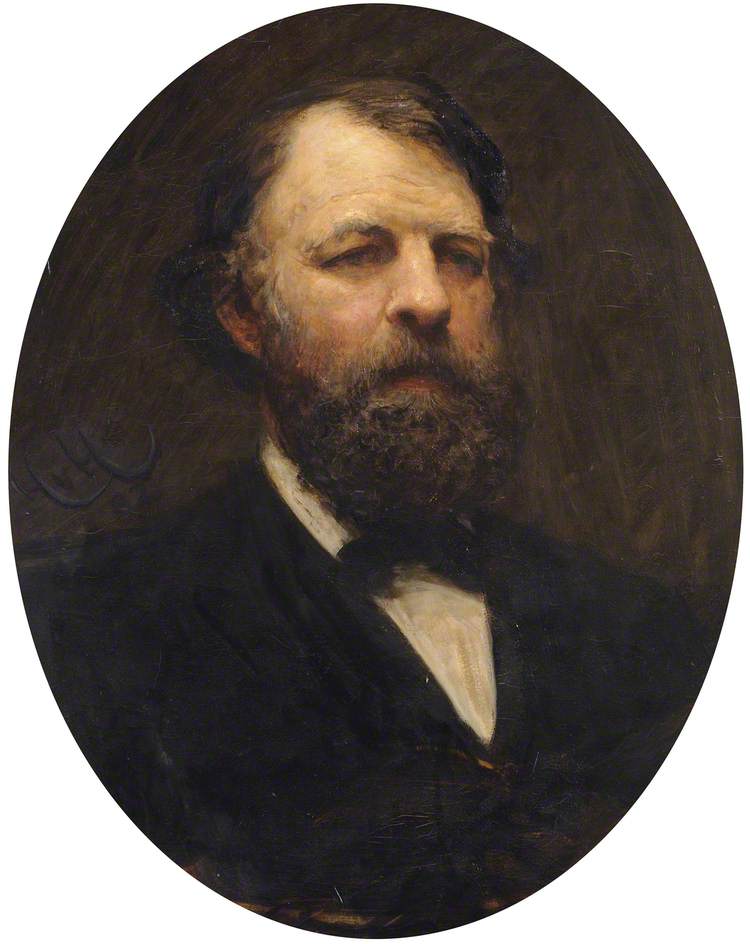
Joachim also wrote his own cadenza for it, which is where the next problem starts.
What to Listen For
The concerto opens with five strokes on the timpani, alone, on one repeated pitch. No violin, no tune, no chord to tell you the key is settled. It sounds like someone tapping to get the room’s attention, and it is the single most important idea in the piece.
Track that figure and the first movement stops being long. It moves into the bass, gets handed to the winds, turns up as a knocking accompaniment under the soloist’s most decorative writing, and reappears in the coda when you have stopped expecting it. Beethoven’s trick is that the figure is rhythm only — four short notes and a longer one, no melody attached — so it can hide inside any texture. From inside a string section this is the passage where you count rather than listen: repeated notes at a low dynamic expose every player who is a hair early, and there is no melody to duck behind.
The second thing to notice is how the soloist arrives. Beethoven gives the orchestra the whole exposition first, and when the violin finally enters it climbs in over the top — a rising line in octaves that ornaments material the orchestra has already laid out, as if joining a conversation already in progress. Every soloist has to decide whether that entrance is a modest apology or a quiet takeover. Compare two recordings on that one moment and you will hear the whole interpretation.
Third: the wind writing. Clarinets and bassoons carry more of the argument here than in almost any other concerto of the period, and the orchestra is rarely just accompaniment. If a recording sounds like a violin with wallpaper behind it, the conductor is at fault, not Beethoven.
Movement by Movement
I. Allegro ma non troppo — the long game
This is the movement that got the concerto its bad review, and it is the movement that repays a second hearing more than any other. The tempo marking already hedges: fast, but not too much. Beethoven builds it out of two lyrical themes and one rhythmic cell, then refuses to hurry any of them. The soloist spends much of it decorating rather than declaiming — long chains of scales and broken octaves floating over material the orchestra has already stated. Newcomers hear filigree. On a second pass you hear that the filigree is commentary.
II. Larghetto — the movement that stops the clock
The slow movement sits in G major, with muted strings holding a hymn-like theme while the violin ornaments above it. It behaves like a set of variations without ever announcing a theme to vary: the orchestra states, the soloist elaborates, and the harmony barely travels. Nothing develops. That is the point — after a first movement built entirely on argument, Beethoven writes a movement with no argument in it.
III. Rondo: Allegro — the hunt
A short cadenza-like bridge links the Larghetto straight into the finale with no break, so the applause you might want after the slow movement is structurally forbidden. The rondo is a hunting-call movement in compound time — the theme sits low on the G string first, then vaults up an octave, and the horns treat it as a fanfare. The solo writing turns openly virtuosic here: double stops, high-register leaps, broken chords taken at speed. Near the end the cadenza lands, and depending on which one the violinist has chosen, the next few minutes can sound like a different century.
The Cadenza Beethoven Never Wrote — and the One He Did
A cadenza is the stretch where the orchestra stops and the soloist plays alone, riffing on the movement’s themes before cueing everyone back in. In the violin concerto, Beethoven left that space empty. Performers have been filling it themselves ever since, which is why two recordings of the same concerto can contain music by different composers.
Here is the part most listeners never hear about. When the London publisher Muzio Clementi asked Beethoven for a keyboard version, Beethoven arranged the whole concerto for piano as Op. 61a, published in 1808, and for that version he did write out a first-movement cadenza — scored for the soloist together with the orchestra’s timpanist. So a Beethoven cadenza for this concerto exists. It simply is not for the violin, and it brings the drum into the one place a cadenza is supposed to be unaccompanied.
That leaves four practical options, and every recording you own has picked one. Fritz Kreisler’s cadenza is the twentieth-century default: it stays inside the concerto’s harmonic world and it is short enough not to become an event. Joachim’s is grander and harder, and it sounds like the nineteenth century talking about Beethoven rather than Beethoven talking. Alfred Schnittke’s drags twentieth-century music into the room. And one route goes back to Op. 61a directly: Wolfgang Schneiderhan adapted Beethoven’s piano cadenza for the violin and recorded it, which is as close as a violinist gets to playing what Beethoven actually wrote for this concerto.
My view: the cadenza is the fastest way to tell what a violinist thinks the piece is. Kreisler says the work is a classic and should not be disturbed. Op. 61a says Beethoven left evidence and it ought to be used. Schnittke says the concerto has been polite for long enough.
Six Recordings, and What Each One Is For
David Oistrakh / André Cluytens / French National Radio Orchestra (recorded 1958, EMI) — the one to start with. Kreisler cadenza, tempos close to the middle of the road, and a tone that never turns brittle even at the top of the first movement’s long climbs. What makes it the default recommendation is Oistrakh’s phrasing in the Larghetto: he plays the ornaments as though they were the melody, so the movement never sounds like decoration over a hymn. If you only hear this concerto once, hear it here.
🎧 Also on: Apple Music · Spotify
Wolfgang Schneiderhan / Eugen Jochum / Berlin Philharmonic (1962, Deutsche Grammophon) — the Beethoven cadenza, on a violin. Schneiderhan adapted the Op. 61a cadenza for his instrument, which means the timpani joins the soloist mid-cadenza and the effect is genuinely strange the first time: the drum answers the violin where you expect silence. The playing elsewhere is lean and unsentimental, and Jochum keeps the orchestra transparent enough that the wind lines stay audible. Skip it if you want warmth; take it if you want to hear what Beethoven actually left behind.
🎧 Also on: Apple Music · Spotify
Gidon Kremer / Neville Marriner / Academy of St Martin in the Fields (Philips) — the provocation. Schnittke’s cadenzas quote violin concertos that had not been written in Beethoven’s lifetime, and the first-movement cadenza turns into a collage that briefly abandons the key you have been sitting in for twenty minutes. It was reviewed badly on release and it still splits people. I think it is the most interesting thing anyone has done with this concerto, because it takes seriously the fact that the space is empty by design. Skip it if you want the concerto to stay in one century. Catalogues disagree on its date, so I give the label only.
🎧 Also on: Apple Music · Spotify
Itzhak Perlman / Carlo Maria Giulini / Philharmonia Orchestra (recorded 1980, EMI) — the reference. Kreisler cadenza, played without a hint of apology, and Giulini’s accompaniment is the reason to own it: he shapes the orchestral exposition as a complete piece of music rather than a runway, so the first movement never sags. Perlman’s tone is broad and even, which is exactly what this concerto’s long lines want. It is the version to hand somebody who says they don’t like violin concertos.
▶ Listen on YouTube · Apple Music · Spotify
Jascha Heifetz / Charles Munch / Boston Symphony Orchestra (1955, RCA) — the fast one. Heifetz drives the outer movements harder than almost anyone, and the Larghetto moves rather than floats. Purists have complained about this since it appeared, and they have a point: some of the first movement’s spaciousness is simply gone. But the accuracy is startling and the finale has a snap nobody else finds. Treat it as a second or third recording, not a first.
▶ Listen on YouTube · Apple Music · Spotify
Anne-Sophie Mutter / Kurt Masur / New York Philharmonic (2002, Deutsche Grammophon) — the slow one, and the argument for slowness. Recorded live at the end of Masur’s tenure in New York, it stretches the first movement and pulls the Larghetto close to stillness. Mutter had already recorded the concerto as a teenager with Karajan; this is the same violinist deciding, decades later, that the piece is about suspension rather than momentum. It can tip into mannerism, and on a first listen it will feel long. It is also the only version here that makes the concerto feel dangerous to sit through.
▶ Listen on YouTube · Apple Music · Spotify
The short version: Oistrakh first, Schneiderhan second because it is the closest thing to Beethoven’s own cadenza, Kremer third when you want the piece to stop being comfortable. Perlman if you only want one and you want no surprises.
If This Is Your First Time, Listen Backwards
Front to back is the worst order for a newcomer, because the longest and least immediate movement comes first. Start with the Larghetto instead: it asks nothing of you and gives back the concerto’s best tune. Then play the finale, which is short, physical, and obviously fun. Only then go to the first movement — and go in listening for those five timpani strokes. Once you are tracking the rhythm rather than waiting for the next melody, the movement organises itself, and the length stops being a problem.
If this concerto works on you, the two obvious next steps are the concerto Beethoven was arguing with and the one that answered him. Backwards: Mozart’s Violin Concerto No. 5, K. 219 is the template Beethoven doubled in scale. Forwards: Brahms’s First Symphony shows what happens when a composer writes in the shadow of Beethoven on purpose — Brahms went on to put his own violin concerto in the same key of D major, which is not a coincidence anyone has ever tried to hide.
Where These Facts Come From
Premiere details and the Op. 61a arrangement come from standard reference accounts; recording metadata was checked against label catalogues and discographies rather than reconstructed from memory. The contemporary review is quoted as it appears in English-language accounts of the work’s reception. The upside-down-violin story is flagged above as uncorroborated, not as fact. Where an assessment is mine — the ranking of recordings, the reading of the cadenza question — it is opinion.
Frequently Asked Questions
Why did Beethoven’s Violin Concerto disappear after its premiere?
Did Beethoven write a cadenza for the Violin Concerto?
Which cadenza am I hearing on most recordings?
Is the Beethoven Violin Concerto hard to play?
Which recording should a beginner buy first?
One last thing worth sitting with: the concerto that now opens seasons and settles competitions was, for most of a lifetime, a piece nobody bothered to play. If you want another case of a masterpiece whose meaning got rewritten after the fact, read how Tchaikovsky’s Pathétique ended up filed under the sad symphony