Here is the short version, because you probably came for it: at a classical concert, clap when the conductor turns around to face you. That single moment — the baton down, the shoulders relaxed, the slow pivot toward the seats — is the all-clear. Wait for it and you cannot go wrong. Everything else in this guide is just teaching you to read the smaller signals so you spend less time holding your breath.
The good news for anyone who has ever clapped in the wrong spot: it is a signal-reading skill, not a musical-knowledge test. You do not need to know the piece. And the “sacred silence” everyone seems so anxious about is a surprisingly recent habit — barely a hundred years old. For most of classical music’s history, audiences clapped whenever they felt like it, and composers loved it.
The Trap Everyone Falls Into First
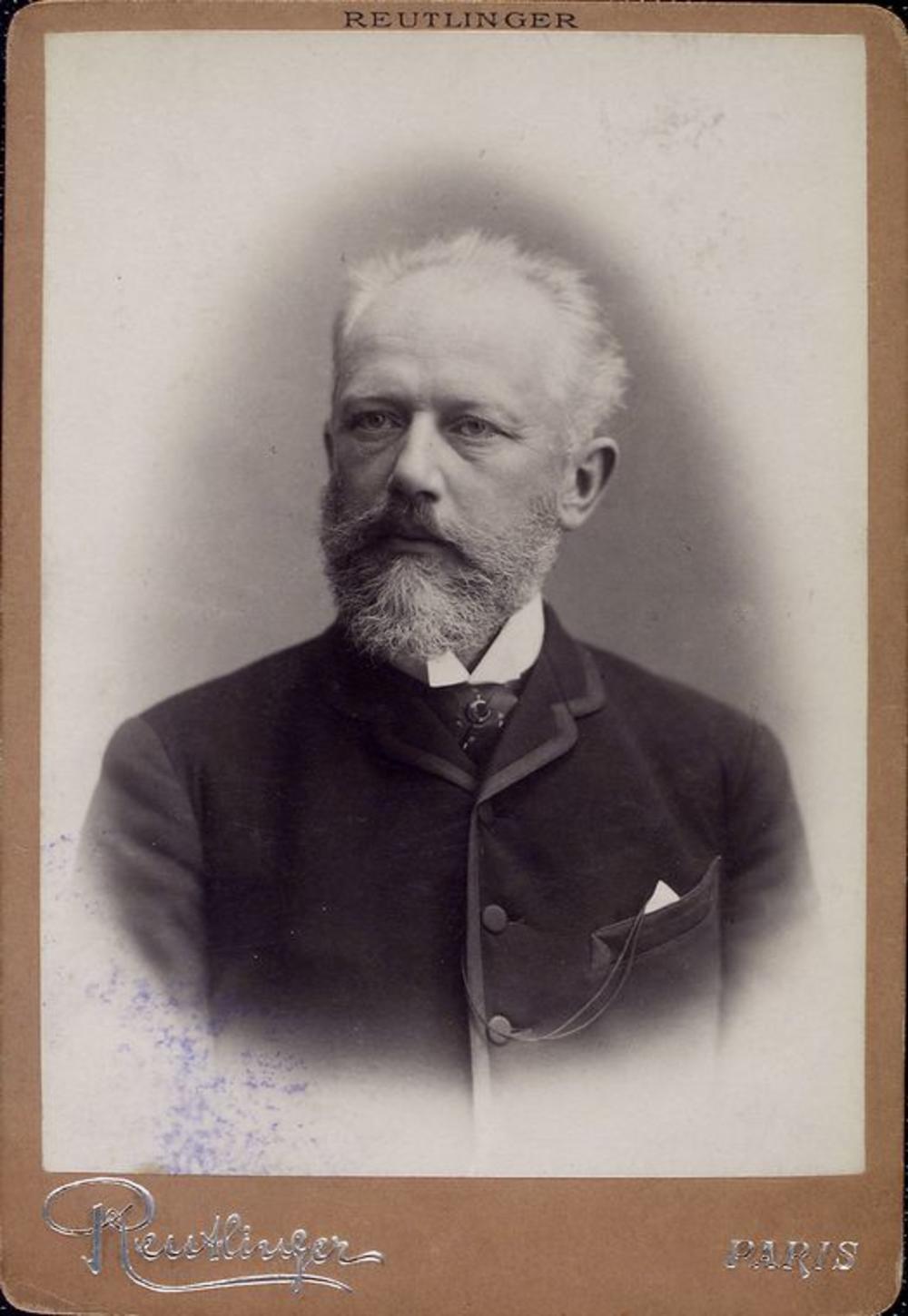
The classic ambush is Tchaikovsky’s Symphony No. 6, the Pathétique. Its third movement is a blazing march that piles up into one of the most exciting climaxes in the repertoire — it sounds, unmistakably, like an ending. Hands go up all over the hall. Then the conductor doesn’t turn. The real finale is still to come: a slow, sinking lament that fades into nothing. The quietest, saddest music of the whole symphony arrives after the part that felt like the finish line.
This is not your fault. Tchaikovsky built the trap on purpose — the jolt between a triumphant march and a dying finale is the whole point of the piece. The Symphony No. 6 was first performed in St. Petersburg on 28 October 1893, with the composer conducting, nine days before his death, and audiences have been clapping in the wrong place ever since. If you want the full story of that particular ambush, we wrote a whole piece on the Pathétique applause trap. Here, just know it is the textbook case, and hear how the march detonates before that hush:
Kirill Petrenko and the Berliner Philharmoniker in the Pathétique — listen for the march’s false finish before the true, quiet ending.
The Signals That Never Lie
Forget counting movements for a second. The performers tell you when they are done, with their bodies, every single time. Learn to watch instead of listen and the anxiety mostly disappears.
- The conductor’s arms come down — and stay down. At the end, the baton is often held up for a beat of stillness, holding the silence in place, then lowered slowly. If the arms drop and immediately reset, the piece is still going.
- The players lower their instruments. Violinists rest the bow on the knee; wind players take the instrument off the lip. Between movements they stay poised. When they visibly relax, it’s over.
- The conductor turns to face the audience. This is the surefire signal. A conductor never turns their back on the orchestra mid-work. The pivot toward the seats means: now.
When in doubt, there is a foolproof cheat: after the last sound dies, let it fully evaporate before you move. If nobody else has stirred and the conductor is still facing the stage, keep waiting. I have never once regretted clapping late; I have blushed plenty clapping early.
Why the Silence Between Movements Exists at All
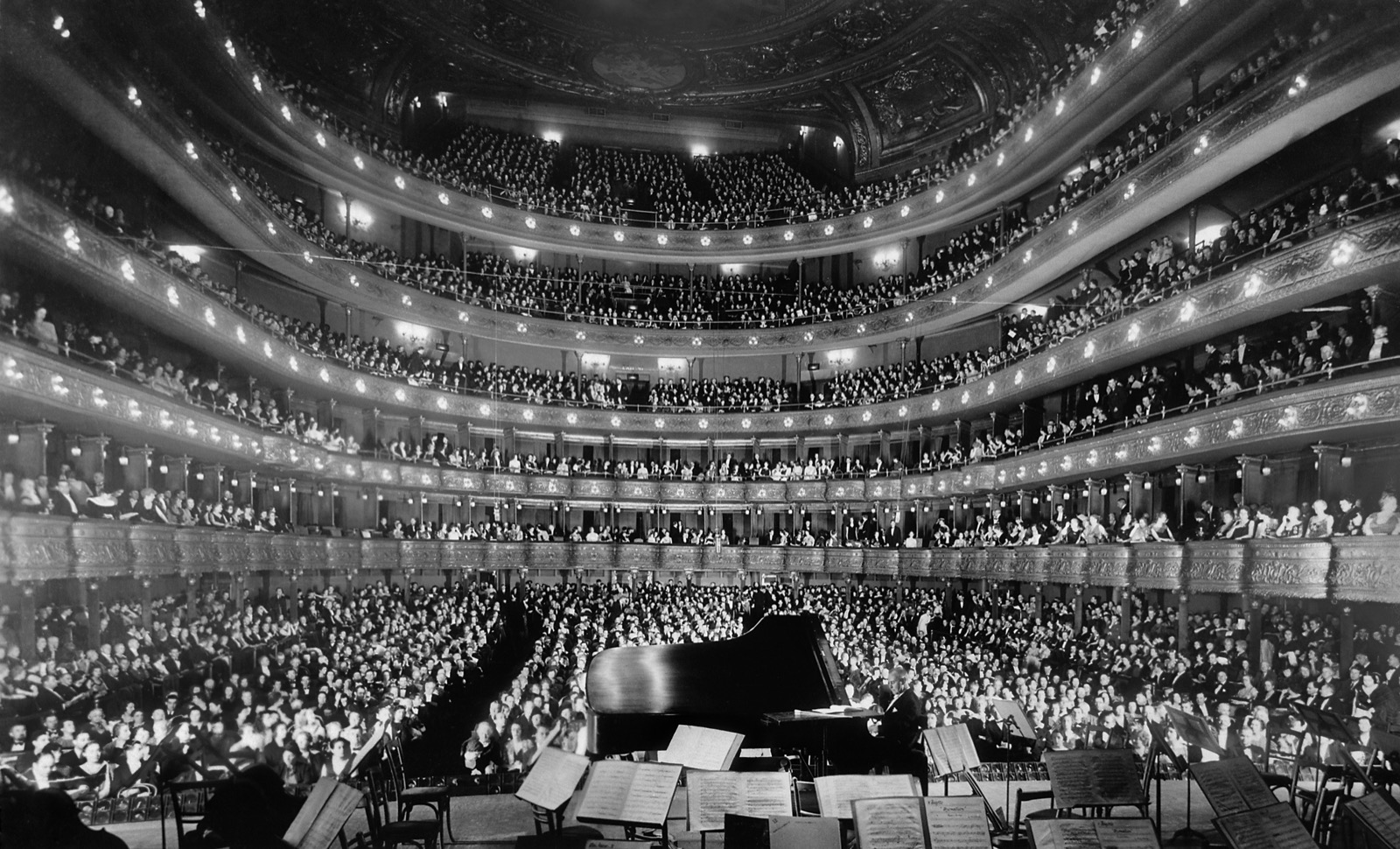
Most large works — symphonies, concertos, sonatas — come in several movements, and between them sits a short pause that feels exactly like an ending. It usually isn’t. The best way to think about it: a movement is a chapter, and the whole work is the book. You don’t applaud when you turn from chapter one to chapter two.
Composers reinforce this. Beethoven’s Symphony No. 5 has four movements, and its famous third movement runs straight into the fourth with no gap at all — an attacca, where the music refuses to let you clap because it simply keeps going. If you break in there with applause, you trample the single most electrifying transition in the piece. That built-in seamlessness is a large part of why the no-clapping convention took hold.
There is also a purely practical reason. For the musicians, the seconds between movements are working time — resetting the breath, shifting emotional gear, re-tuning a wobbly string. A sudden burst of clapping breaks that concentration right when they need it most.
But the Rule Is Younger Than You Think
Here is the part that should take the pressure off entirely. The reverent hush is a modern invention. When Mozart’s Paris Symphony was first performed in 1778, the audience broke into applause in the middle of the opening movement at a passage they liked — and Mozart, far from offended, wrote home to his father delighted about it. That was the normal, expected way to show you were enjoying yourself.
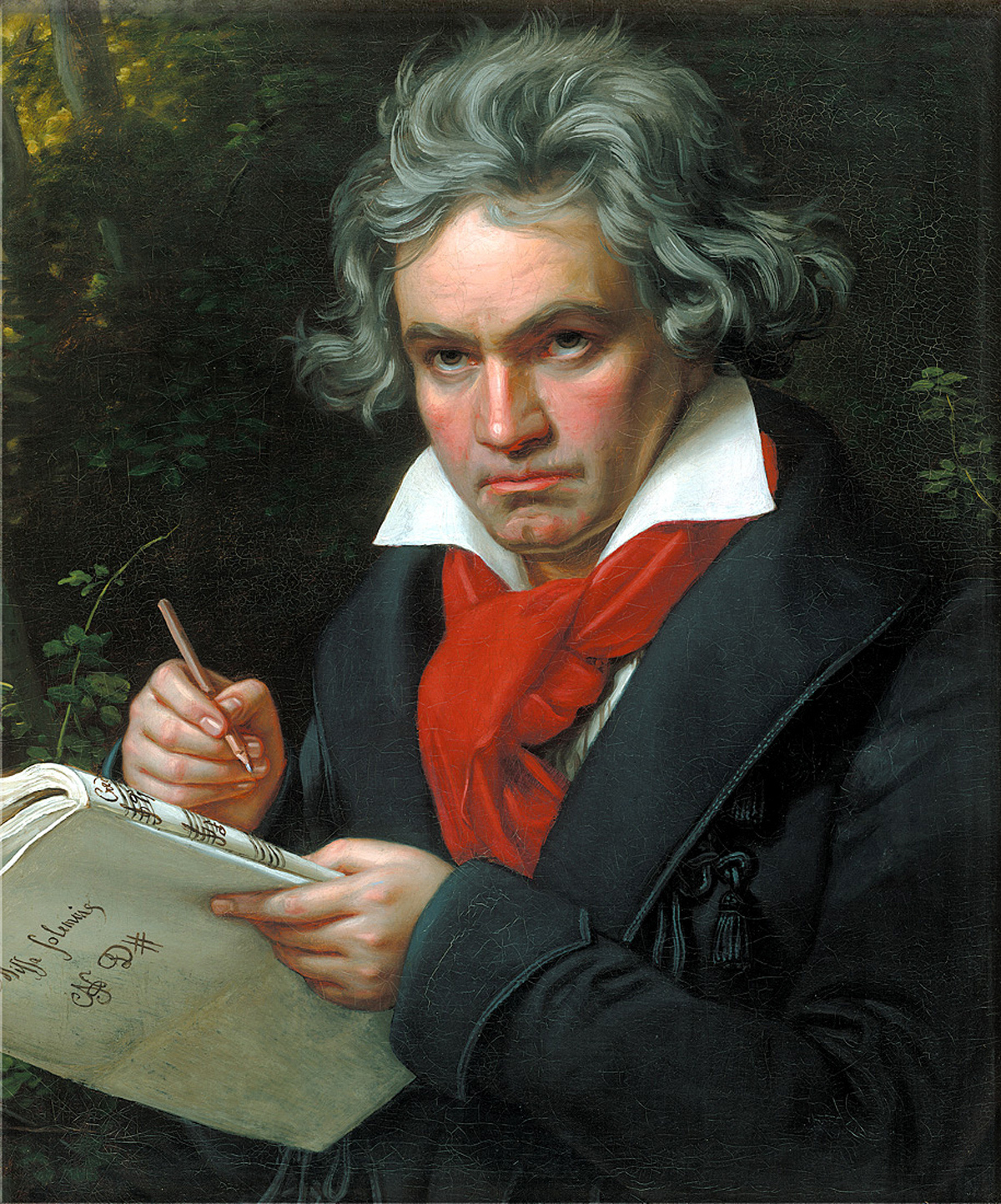
It stayed that way for a long time. When Beethoven’s Symphony No. 7 premiered on 8 December 1813, the audience liked the slow second movement, the Allegretto, so much that it was encored on the spot — played again immediately, mid-symphony, because people demanded it. Nobody thought this was rude. It was the sincerest possible compliment.
The silent, unbroken, “don’t you dare cough” concert only hardened into a rule in the early twentieth century, as the idea took root that a symphony was a single sacred narrative to be received without interruption. So if you clap in the wrong place tonight, relax: in Mozart’s day you’d have been the normal one, and the disapproving purist would have looked strange.
Fake Endings, and the Opposite Trap
The Pathétique is not the only piece that plays with your instincts. A few worth knowing:
- Sibelius, Symphony No. 5. The finale ends with six great hammer-blow chords, each one separated by a startling silence. Clap after the first or second and you’ve jumped the gun five more times. It is the most nerve-wracking ending to sit through in the concert hall — and glorious once you know it’s coming. ▶ Listen on YouTube
- Beethoven, Symphony No. 5. The opposite problem — the finale hammers the home chord over and over, and it truly feels like it could stop a dozen times before it actually does. Trust the conductor’s arms, not your gut. ▶ Listen on YouTube
Then there’s the reverse trap, and it matters more. Some works end in near-silence — the long, evaporating closes of Mahler and Bruckner — where the stillness after the final note is part of the music. Rush in with applause and you shatter the most powerful moment of the night. This is where “wait for the conductor” earns its keep: the arms stay up, holding the room in that suspended quiet, sometimes for many long seconds. Let them.
The Rules Change by Venue
“Classical concert” covers rooms with very different customs. Match the room.
Symphony and concerto. Hold everything until the entire work is finished. The tempting moment is the end of a concerto’s cadenza — the soloist’s dazzling unaccompanied showpiece — which often lands with a flourish. Resist: the orchestra almost always re-enters to finish the movement, and the piece has more to go.
Opera. This is the loose one, and gloriously so. Applauding and shouting after a great aria isn’t tolerated — it’s a centuries-old tradition, and singers feed on it. The Italian cheer changes with who you’re praising: bravo for a man, brava for a woman, bravi for the whole cast. Number operas by Verdi and Puccini are built with pauses that invite this; Wagner’s through-composed music dramas are not, so at Wagner you hold until the act’s end. Save the biggest noise for the curtain calls, where soloists return to take their bows.
Recital and chamber music. Clap after each complete work, not each movement. The subtle case is a song cycle: Schubert’s Winterreise is twenty-four songs meant to be heard as one unbroken journey, so you hold your applause until all twenty-four are done, however much you want to react to a single one.
And Sometimes the Rules Flip Entirely
Etiquette is local, and a few occasions throw the rulebook out on purpose:
- The Last Night of the BBC Proms. Flags, stamping, singing along to Rule, Britannia! — the whole point is joyful noise. Sitting in reverent silence would be the odd choice here.
- The Hallelujah chorus in Handel’s Messiah. Audiences traditionally stand for it. There’s a much-repeated story that a British king rose to his feet at an early London performance and everyone followed — but historians treat it as legend, since there’s no contemporary record he even attended, and the earliest account dates from decades later. Present it as a nice story, not a fact.
- Hot-blooded opera houses. In Italy, and in much of Germany and Austria, rhythmic foot-stamping is a form of high praise, not a protest. Don’t panic if the floor starts drumming.
One counter-current worth naming: the standing ovation has inflated to the point of meaninglessness in many halls. If everything gets one, nothing does. Save yours for the night you actually mean it — it’s worth more that way.
A Few Safe Strategies for the Nervous
If you’re going to your first concert and still uneasy, these never fail:
- Come in a moment late. Let the confident regulars start, then join them. Nobody notices a later clap; everybody notices the first lonely one.
- Watch the performers, not the music. Their bodies announce the ending long before your ear is sure. A bow, a turn, a lowered instrument — that’s your cue.
- Skim the program first. Note how many movements each work has. Knowing where a piece breaks means the pause partway through won’t fool you.
The Real Point: Silence Can Be the Music
In 1952, John Cage wrote a piece that makes the whole anxiety look small. His 4′33″ was first performed by the pianist David Tudor on 29 August 1952 at Maverick Concert Hall in Woodstock, New York, and it consists of four minutes and thirty-three seconds during which the performer plays no notes at all. The “music” is whatever you hear in the room — the wind, the rain on the roof, a cough, your own breathing. Cage’s provocation was serious: silence is not the absence of music; it can be the music.
Cage’s 4′33″ with Kirill Petrenko and the Berliner Philharmoniker — an orchestra playing nothing, and the hall listening hard.
That’s the reframe worth taking into any concert. Holding your applause between movements isn’t stuffy etiquette drudgery — it’s you choosing to keep listening, letting the silence do its work before you break it. It’s active, not passive. If you’re still finding your feet in this music, our guide to classical music for beginners is a gentler on-ramp. But honestly, the moment you stop worrying about your hands and start listening for that suspended silence, you’re already doing it right.